

Want your car to look shiny and new without spending a fortune at the shop? You can easily wax your car yourself and get professional results.
Imagine driving a car that turns heads because of its glossy finish—all thanks to your own hands. In this guide, you’ll discover simple steps and insider tips that make waxing quick and satisfying. Ready to save money and boost your car’s shine?
Keep reading, and you’ll learn exactly how to do it right.

Credit: www.turtlewax.com
Choosing The Right Wax
Choosing the right wax is key to a shiny and protected car. Wax protects your paint from sun, dirt, and water. It also makes your car look smooth and bright. Picking the best wax depends on your car’s paint and your needs. Here is a guide to help you find the perfect wax.
Types Of Car Wax
Car wax comes in three main types: paste, liquid, and spray. Paste wax is thick and lasts longer. Liquid wax is easier to apply and spreads fast. Spray wax is quick and good for touch-ups. Each type works well, but some fit better for certain jobs.
Wax For Different Paints
Different paints need different waxes. Clear coat paint needs wax that protects without dulling shine. Single-stage paint needs wax that fills small scratches. Always pick wax made for your paint type. This keeps your car looking its best and stops damage.
Natural Vs Synthetic Options
Natural waxes come from carnauba, a plant-based material. It gives a deep shine and smooth feel. Synthetic waxes are made in labs and last longer. They protect better against harsh weather. Choose natural for shine and synthetic for strong protection.

Credit: www.youtube.com
Preparing Your Car
Preparing your car is the first step before waxing. A clean surface helps the wax stick better. Dirt and dust can cause scratches during waxing. Take time to prepare your car well. This makes waxing easier and more effective.
Start by washing and drying your car thoroughly. Then, remove any contaminants on the paint. Finally, check for any paint damage. These steps protect your car’s finish and improve the wax’s shine.
Washing And Drying
Use a car shampoo and a soft sponge to wash your car. Avoid dish soap; it can strip wax and damage paint. Rinse your car with clean water to remove soap. Dry it with a clean microfiber towel to avoid water spots. Make sure the car is completely dry before moving on.
Removing Contaminants
Contaminants like tar, tree sap, and bugs stick to the paint. Use a clay bar or a special cleaner to remove these. Rub gently to avoid scratching the paint. Removing contaminants gives a smooth surface for waxing. This step improves the finish and wax durability.
Checking For Paint Damage
Look closely for scratches, chips, or dull spots. Small scratches might need polishing before waxing. Paint chips can trap dirt and cause rust. Fix any damage before applying wax. Proper care helps keep your car’s paint healthy and shiny.
Tools And Materials Needed
Waxing your car yourself saves money and keeps your vehicle shining. The right tools make the job easier and better. Prepare all materials before starting. This saves time and avoids mistakes.
Applicator Pads
Use soft applicator pads to apply wax evenly. Foam or microfiber pads work best. They hold wax well and prevent scratches. Choose a pad size that fits your hand comfortably. Replace pads if they get dirty or worn out.
Microfiber Towels
Microfiber towels remove wax without scratching the paint. Use clean, dry towels for best results. Have several towels ready for buffing and wiping. Avoid using old rags or paper towels. These can leave lint or cause damage.
Protective Gear
Wear gloves to protect your hands from chemicals. Use safety glasses to guard your eyes. Work in a well-ventilated area to avoid fumes. Dress in old clothes to prevent stains. Safety keeps the process smooth and comfortable.
Applying The Wax
Applying wax to your car is a key step in protecting its paint. It adds shine and guards against dirt and damage. Careful application ensures even coverage and a smooth finish. Taking your time during this step gives the best results.
Sectioning The Car
Divide your car into small sections. Work on one section at a time. This helps control the wax application. Start with the roof, then move to doors and hood. Avoid letting wax dry too long on any part.
Proper Wax Application Techniques
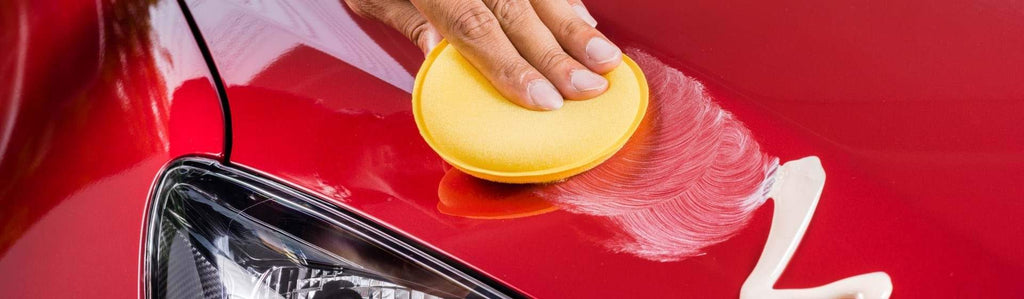
Use a soft applicator pad to spread wax. Apply a thin, even layer with small circular motions. Press lightly to avoid streaks or patches. Let the wax haze before buffing it off. Buff with a clean microfiber cloth for a smooth shine.
Avoiding Common Mistakes
Do not apply wax in direct sunlight or on a hot surface. Avoid heavy layers of wax; thin coats work better. Do not rush the process; patience is key. Skip wax on dirty or wet surfaces to prevent scratches. Clean tools and cloths prevent swirl marks and uneven shine.
Buffing For Shine
Buffing is the key step to get a shiny finish on your car after waxing. It removes excess wax and smooths the surface. This process helps the wax bond well with the paint, giving your car a bright, polished look.
Patience and gentle care during buffing make a big difference. Use the right tools and methods to avoid streaks or smudges. A good buff will make your car look clean and fresh, protecting the paint for longer.
Timing For Buffing
Wait until the wax dries but is not too hard. This usually takes about 5 to 10 minutes. The wax should feel slightly tacky but not wet. Buffing too soon can smear the wax. Waiting too long makes it hard to remove.
Using Circular Motions
Use a soft microfiber cloth or a foam applicator for buffing. Move your cloth in small circles on the car surface. Circular motions help spread the wax evenly and avoid streaks. Keep light pressure to prevent scratching the paint.
Achieving An Even Finish
Work on small sections of the car at a time. Check your work often to see if the shine is even. If some spots look dull, buff those areas again gently. A smooth, glossy finish means you did a good job.
Maintaining The Waxed Finish
Maintaining the waxed finish on your car keeps it looking fresh and shiny. Wax protects your paint from dirt and damage. Regular care helps the wax last longer and keeps your car’s surface smooth. Simple steps can make a big difference in preserving the waxed look.
Regular Cleaning Tips
Wash your car often with a gentle soap made for cars. Avoid harsh detergents that strip the wax. Use a soft sponge or cloth to stop scratches. Dry your car with a clean microfiber towel to avoid water spots. Keep dirt and grime off to protect the wax layer.
When To Reapply Wax
Check your car’s shine every few weeks. If water no longer beads on the surface, it’s time to wax again. Usually, reapply wax every three to four months. More often in harsh weather or after washing with strong cleaners. A fresh wax coat keeps the paint safe and glossy.
Protecting Against Environmental Damage
Park in shaded or covered areas to avoid sun damage. Dirt, bird droppings, and tree sap can harm the wax and paint. Clean these off quickly to prevent stains. Use a quick detail spray to refresh wax after exposure. This extra care protects your car’s finish from the environment.
Credit: www.turtlewax.com
Frequently Asked Questions
How Often Should I Wax My Car Myself?
Wax your car every 3 to 4 months for optimal protection. Frequent waxing maintains shine and safeguards paint from UV rays and dirt. However, avoid over-waxing, which can cause buildup and dullness.
What Type Of Wax Is Best For Beginners?
Paste wax is ideal for beginners due to its ease of use and longer durability. It provides a deep shine and protects your car effectively. Avoid liquid waxes if you want a more controlled application.
Can I Wax My Car In Direct Sunlight?
No, avoid waxing your car in direct sunlight. Heat causes wax to dry too quickly, making it hard to remove. Work in a shaded, cool area for best results and smoother application.
How Long Does Car Wax Protection Last?
Car wax protection typically lasts 3 to 4 months. Weather, washing frequency, and wax type affect durability. Regular waxing keeps your paint fresh and protected longer.
Conclusion
Waxing your car yourself saves money and protects its paint. It only takes some time and simple steps. Use the right wax and clean your car well first. Apply wax evenly and buff it carefully for best results. Regular waxing keeps your car shiny and safe from dirt.
Try it on a small area before doing the whole car. You will enjoy the fresh look and smooth feel. Keep your car looking new with this easy care. Give it a try this weekend!


