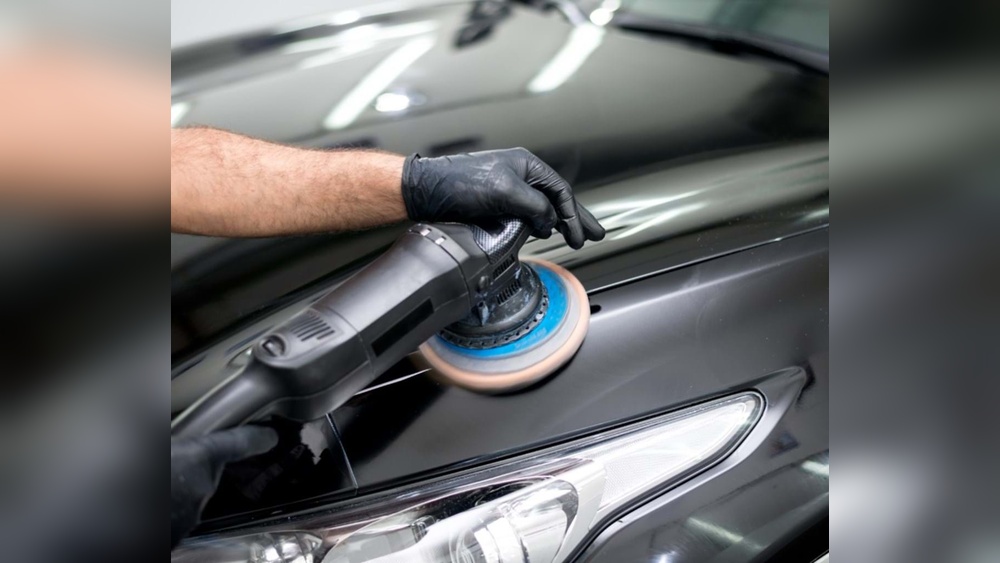
Have you ever wondered why your car’s wax doesn’t last as long as it should? One key factor might be the temperature when you apply it.
Waxing your car at the right warmth can make all the difference between a shiny finish and a patchy mess. If you’ve struggled with wax that flakes off or doesn’t spread smoothly, understanding the perfect temperature could save you time and effort.
Keep reading, and you’ll discover exactly how warm it should be to wax your car for the best, longest-lasting results.
Credit: www.carwash.com
Ideal Temperature Range
The best temperature to wax a car is between 60°F and 80°F. Too hot or cold can affect how the wax sticks. This range helps the wax dry evenly and protects the paint well.
Waxing a car requires the right temperature for the best results. The temperature affects how well the wax sticks and shines. Too cold or too hot can cause problems. Knowing the ideal temperature helps protect your car’s paint and makes waxing easier.
The perfect temperature range keeps the wax soft but not too runny. It allows smooth application and proper drying. This range is usually between 60°F and 80°F (15°C to 27°C). Staying within these limits ensures a smooth, even coat without streaks or patches.
Minimum Temperature For Waxing
The lowest temperature to wax a car is about 60°F (15°C). Below this, wax becomes hard and difficult to spread. It may not bond well with the car’s surface. Cold wax also takes longer to dry, leading to uneven spots or streaks.
Waxing in cold weather can cause smudges or a dull finish. The wax may not protect the paint properly. For best results, avoid waxing if the temperature is under 60°F.
Maximum Temperature Limits
Waxing in very hot weather also causes issues. Temperatures above 80°F (27°C) can make wax dry too fast. Rapid drying can lead to streaks and patches. Hot surfaces may also cause the wax to melt and run.
Applying wax on a hot car surface reduces shine and protection. It can become sticky and hard to buff. To protect your car and get a smooth finish, do not wax if the temperature is over 80°F.
Effects Of Extreme Temperatures
Extreme temperatures affect wax performance and car paint. Cold weather causes wax to harden and not spread well. Hot weather makes wax dry too fast and uneven.
Both conditions make waxing less effective. The wax may not protect the paint properly. It can also leave marks or dull spots. Always choose a moderate temperature for waxing your car.
Credit: www.tidalwaveautospa.com
Impact Of Weather Conditions
Weather conditions greatly affect car waxing results. The right temperature alone is not enough. Humidity, sunlight, and wind also change how wax behaves on your car’s surface. Understanding these factors helps you pick the best time for waxing. It ensures a smooth application and a lasting shine.
Humidity And Its Role
High humidity means more moisture in the air. Moisture can stop wax from sticking well to your car. Wax may dry too fast or not spread evenly. Low humidity is better for waxing. It lets the wax set properly and form a strong layer. Check the humidity level before starting your wax job.
Direct Sunlight Vs Shade
Waxing under direct sunlight heats the car surface quickly. This makes wax dry too fast and hard to spread. It can leave streaks and patches. Shade offers a cooler environment. Wax stays workable longer and spreads smoothly. Choose a shaded spot to wax your car for best results.
Wind And Dust Considerations
Wind can blow dust and dirt onto your wet wax. This ruins the finish and makes buffing harder. Dust particles stick to the soft wax layer and cause scratches. Calm days with little wind are best for waxing. It keeps your car clean and wax smooth.
Preparing Your Car For Waxing
Preparing your car for waxing is a key step to get the best results. The wax will stick better and last longer on a clean, dry surface. Dirt and dust can cause scratches and reduce the shine. Taking time to prep your car helps protect the paint and makes the waxing process easier.
Cleaning Before Waxing
Start by washing your car thoroughly. Use a car shampoo and water to remove dirt and grime. Avoid household soaps as they can strip wax and damage paint. Clean the wheels and lower parts where dirt builds up. A clean car ensures the wax bonds well to the surface.
Drying The Surface
Dry the car completely before waxing. Use a soft microfiber towel to avoid scratches. Water spots can form if the car is left wet. Drying well helps the wax spread evenly and stick properly. Never wax a wet or damp car.
Choosing The Right Time Of Day
Pick a cool, shaded spot to wax your car. Avoid direct sunlight as it makes wax dry too fast. Morning or late afternoon works best. Cooler temperatures help the wax set well. Waxing in the shade protects the paint and your hands from heat.
Wax Application Tips
Applying wax on your car needs some care. The right way makes a big difference. Here are some simple tips to help you get the best shine. Follow these steps for smooth and even wax application.
Applying Wax In Warm Conditions
Choose a day when the temperature is between 60°F and 80°F. Too cold, and the wax won’t spread well. Too hot, and it can dry too fast. Work in the shade to avoid direct sunlight. This keeps the surface cooler and helps the wax last longer.
Avoiding Wax Drying Too Quickly
Apply thin layers of wax instead of thick ones. Thick layers dry unevenly and become hard to buff. Work on small sections to control drying time. Keep a spray bottle with water nearby. Lightly mist the wax if it starts drying too fast. This keeps it soft and easy to work with.
Buffing Techniques
Use a soft microfiber cloth or a foam applicator to buff the wax. Move in small circles for an even shine. Apply gentle pressure to avoid scratches. Change cloth sides often to remove wax residue. Buff until the surface feels smooth and looks glossy.
Indoor Vs Outdoor Waxing
Waxing your car can be done indoors or outdoors, but each option has its own effects on the process. The temperature and environment play key roles in how well the wax adheres to the car’s surface. Understanding the differences helps you choose the best spot to wax your vehicle.
Benefits Of Indoor Waxing
Indoor waxing offers a stable temperature. The car stays cool, avoiding quick drying of the wax. This helps the wax spread evenly. No direct sunlight means less chance of streaks. Dust and dirt are also less likely to settle on the car. The overall process feels smoother and more controlled.
Challenges Of Outdoor Waxing
Outdoor waxing can be tricky due to changing weather. Sunlight heats the car, causing wax to dry fast. This makes it hard to buff the wax properly. Wind can blow dust and debris onto the wet wax. Cold temperatures slow wax curing, making it stick less. These factors can reduce the shine and protection.
Using A Garage Or Shade
A garage or shaded area offers a good middle ground. It shields the car from direct sun and wind. The temperature remains steady and ideal for waxing. Shade keeps the car cool but still allows enough light. This setup helps the wax set well and makes the job easier.
Common Mistakes To Avoid
Waxing your car can make it shine and protect the paint. Yet, many make mistakes that reduce the wax’s effect. Avoiding these errors helps your car look great longer. Here are common mistakes to avoid when waxing your car.
Waxing In Cold Weather
Wax does not spread well in cold weather. Low temperatures make wax hard and sticky. It becomes tough to apply evenly. Cold wax may not bond properly to the paint. This leads to poor protection and dull finish. Wait for a warmer day or a heated garage.
Waxing Under Harsh Sunlight
Hot sunlight dries wax too fast. This causes streaks and spots on the car. The wax can become difficult to buff off. It may leave uneven patches and marks. Wax in the shade or early morning. Avoid direct sun to get smooth results.
Skipping Surface Preparation
Waxing dirty or dusty cars traps grime under the wax. Dirt scratches the paint during application. The wax may not stick well on unclean surfaces. Always wash and dry the car fully. Use clay bars or polish if needed before waxing.
Seasonal Waxing Advice
Waxing your car protects its paint all year. Different seasons affect how you should wax. Temperature, humidity, and sunlight change the process. Adjust your waxing habits with the season. This helps keep your car shiny and safe.
Below are tips for waxing in winter, summer, spring, and fall. Follow these to get the best results and protect your car well.
Waxing In Winter
Winter is cold and wet. Wax your car on a dry day with temperatures above 50°F (10°C). Cold wax is hard to spread and may not stick well. Avoid waxing if frost or snow is near. Wax adds a layer to stop salt and grime damage. Clean your car well before waxing in winter. Use a garage or warm spot for best results.
Waxing In Summer
Summer heat can cause problems. Wax in the morning or evening when it is cooler. Avoid direct sunlight on your car. Hot paint can make wax dry too fast and leave streaks. Choose a shady place for waxing. Use thin layers of wax and buff gently. Summer wax protects against sun damage and bird droppings.
Adjusting Techniques For Spring And Fall
Spring and fall have mild temperatures. These seasons are perfect for waxing. Clean off pollen and dirt first. Apply wax in a shaded, cool place. Use medium layers of wax for even coverage. Buff the wax after it dries to a haze. These seasons help your car recover from winter and prepare for summer or winter.
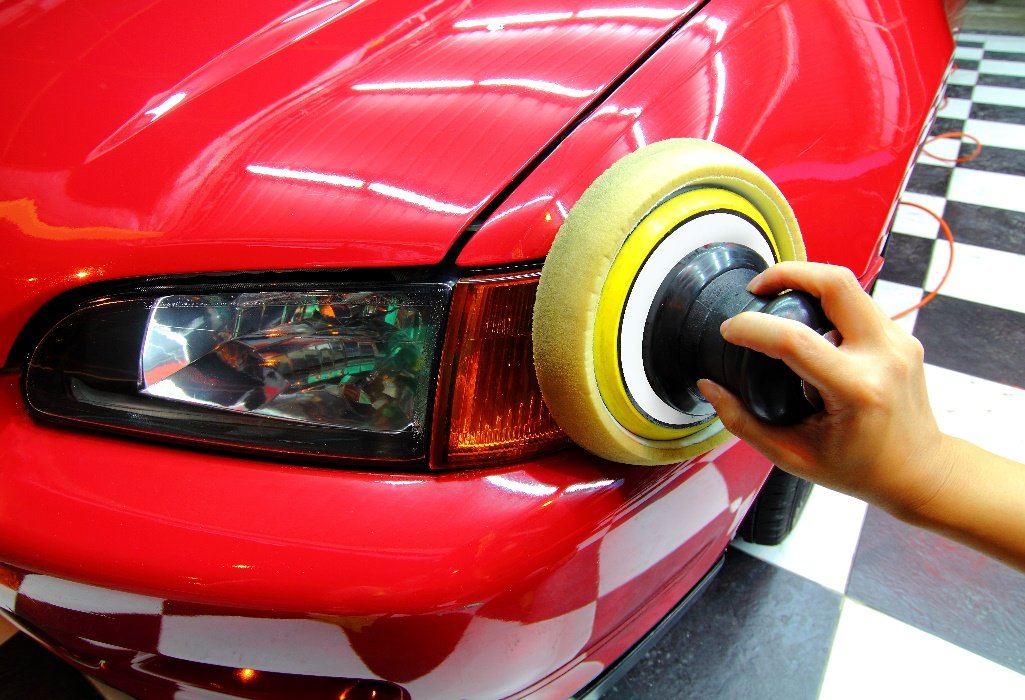
Credit: cobblestone.com
Frequently Asked Questions
What Is The Ideal Temperature To Wax A Car?
The ideal temperature to wax a car is between 60°F and 80°F. This range allows wax to spread evenly and cure properly without streaks or smudges.
Can You Wax A Car In Cold Weather?
Waxing a car in cold weather is not recommended. Cold temperatures prevent wax from bonding well, leading to poor protection and uneven finish.
Should A Car Be Warm Or Cool Before Waxing?
A car should be cool but not cold before waxing. Avoid waxing under direct sunlight or on a hot surface to prevent quick drying and streaks.
How Does Temperature Affect Car Wax Application?
Temperature affects how wax spreads and cures on your car’s surface. Optimal warmth helps wax adhere better, ensuring long-lasting shine and protection.
Conclusion
Waxing a car works best in mild temperatures. Too cold or too hot can cause problems. Aim for a temperature between 60 and 80 degrees Fahrenheit. This range helps the wax spread and dry properly. It also protects your car’s paint better.
Avoid waxing in direct sunlight or extreme heat. A shaded, warm spot is ideal. Taking these steps keeps your car shiny and safe. Simple tips make a big difference in results. Try to wax your car on a calm, dry day for best effects.