

Looking to give your desk a fresh, stylish look without spending a fortune? Wrapping your desk in vinyl is a simple and cost-effective way to transform its appearance instantly.
Whether your desk is scratched, outdated, or just needs a new vibe, vinyl wrap lets you customize it exactly how you want. In this guide, you’ll discover easy steps to wrap your desk like a pro, even if you’ve never done it before.
By the end, you’ll have all the tips and tricks to achieve a smooth, professional finish that will make your workspace stand out. Ready to turn your desk into a masterpiece? Let’s dive in!
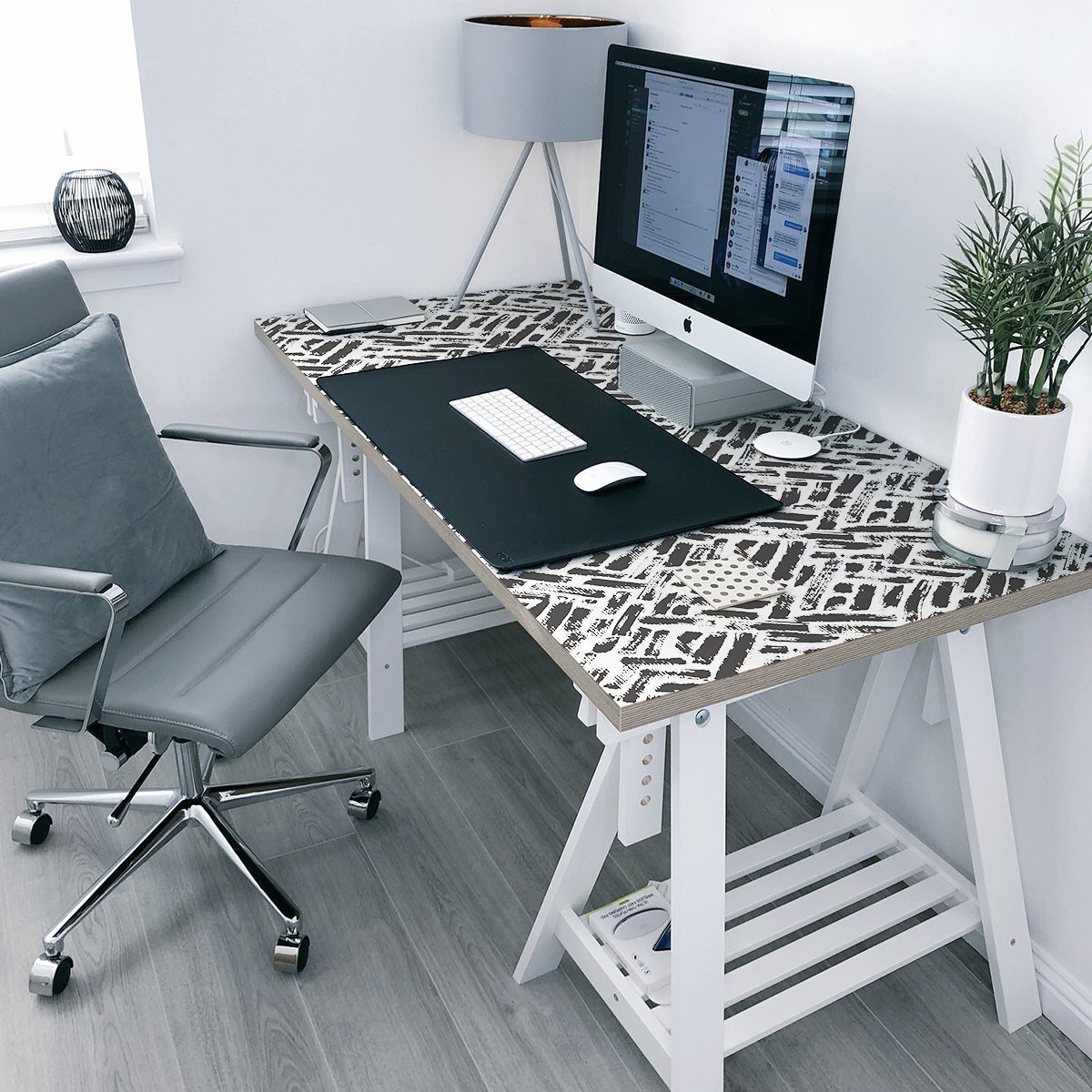
Credit: restowrap.com
Materials Needed
Wrapping a desk in vinyl needs careful preparation. You must gather all materials before starting. This helps the process go smoothly and saves time. The right materials make a big difference in the final look and durability.
Understanding what materials you need is the first step. This section covers the types of vinyl and tools required. Knowing this helps you pick the best supplies for your project.
Choosing The Right Vinyl
Select vinyl that fits your desk size and style. Look for high-quality vinyl with strong adhesive. Matte or glossy finishes offer different looks. Pick one that matches your room’s decor. Measure your desk to buy enough vinyl. Extra vinyl helps cover mistakes and edges.
Some vinyl types are easier to work with. Choose a flexible vinyl for curved desks. Thick vinyl hides desk imperfections better. Check if the vinyl is scratch-resistant for long-lasting results.
Essential Tools
Gather tools before wrapping your desk. You need a sharp utility knife for cutting vinyl. A squeegee or plastic card helps smooth air bubbles. Use a measuring tape to get precise vinyl cuts. A heat gun or hair dryer makes vinyl more flexible.
Other helpful items include cleaning wipes to prepare the desk surface. Gloves keep fingerprints off the vinyl. Have a ruler or straight edge for clean lines. These tools make the wrapping process easier and neater.
Preparing The Desk
Preparing the desk is a crucial first step before wrapping it in vinyl. A smooth, clean surface helps the vinyl stick better and last longer. Skipping this step can cause bubbles, peeling, or uneven edges. This section covers two important tasks: cleaning and sanding the desk.
Cleaning The Surface
Start by removing all dust and dirt from the desk. Use a soft cloth with warm soapy water. Wipe the entire surface gently but thoroughly. Avoid harsh chemicals that can damage the finish. After cleaning, dry the desk completely with a clean towel. A dry surface helps the vinyl stick without trapping moisture.
Sanding And Smoothing
Light sanding makes the desk surface smooth and ready for vinyl. Use fine-grit sandpaper, around 220 grit. Sand gently to avoid scratching too deep. Focus on rough spots and old finishes that might peel. After sanding, wipe the desk with a damp cloth to remove dust. Let it dry fully before applying vinyl. This step ensures better adhesion and a smooth final look.
Measuring And Cutting Vinyl
Measuring and cutting vinyl are key steps in wrapping a desk. These steps ensure the vinyl fits perfectly. Proper measurements prevent waste and make the job easier. Cutting vinyl carefully keeps edges clean and neat. Take your time and be precise for the best results.
Accurate Measurements
Start by measuring the desk surface carefully. Use a tape measure for exact numbers. Measure the length and width of each desk side. Add a small extra margin for overlap and errors. Double-check all measurements before cutting. Write down the numbers to avoid confusion. Accurate measurements help avoid mistakes and save vinyl.
Cutting Techniques
Use a sharp utility knife or vinyl cutter for clean cuts. Cut on a flat, stable surface to keep control. Place a cutting mat or cardboard under the vinyl. Follow the measurement lines slowly and steadily. Avoid rushing to prevent jagged edges. Trim excess vinyl after wrapping to refine the look. Good cutting makes your desk look smooth and professional.
Applying The Vinyl
Applying vinyl on a desk requires patience and care. This step is important to make sure the vinyl sticks well and looks smooth. The right method will help avoid wrinkles and air bubbles. Follow the steps carefully to get a neat finish.
Positioning The Vinyl
Start by laying the vinyl over the desk surface. Align it so the design or color fits perfectly. Check the edges to make sure they match the desk shape. Leave a little extra vinyl around the edges for trimming. Hold the vinyl in place with light pressure before sticking it down.
Removing Air Bubbles
Use a squeegee or a flat tool to press the vinyl down. Push from the center outwards to the edges. This action moves air bubbles out from under the vinyl. Work slowly and carefully to avoid tearing. Small bubbles can be popped with a pin and smoothed out gently.
Finishing Touches
Finishing touches make your vinyl-wrapped desk look neat and last longer. These final steps ensure a smooth, clean surface without loose edges. Pay close attention to details for a polished result. This part is easy but important to do carefully.
Trimming Excess Vinyl
Start by trimming extra vinyl around the desk edges. Use a sharp utility knife or scissors for clean cuts. Cut slowly to avoid damaging the desk surface. Leave a tiny bit of vinyl on corners to fold inside. This keeps the wrap tight and prevents peeling later.
Sealing Edges
Seal the edges to protect the vinyl from lifting. Use edge sealer or clear adhesive tape made for vinyl. Press edges firmly with a plastic squeegee or your fingers. This step stops dirt and moisture from getting under the wrap. Well-sealed edges keep your desk looking fresh for a long time.

Credit: www.reddit.com
Maintenance Tips
Keeping your vinyl-wrapped desk in good shape is simple with the right care. Proper maintenance helps the vinyl look fresh and last longer. Follow easy steps to clean and protect your desk surface every day.
Cleaning Wrapped Desk
Use a soft cloth to wipe the desk gently. Damp the cloth with water or mild soap solution. Avoid harsh cleaners that can damage the vinyl. Wipe spills quickly to stop stains from setting. Dry the surface with a clean towel to avoid water marks.
Avoiding Damage
Keep sharp objects away from the desk surface. Use coasters to prevent heat and liquid damage. Avoid placing heavy items that may cause dents. Do not use abrasive pads or scrubbing tools. Handle the desk carefully to maintain the vinyl’s smooth look.

Credit: www.youtube.com
Frequently Asked Questions
How Do I Prepare A Desk For Vinyl Wrapping?
Clean the desk surface thoroughly to remove dust and grease. Sand any rough spots gently. Ensure the desk is dry before applying vinyl to achieve better adhesion and a smooth finish.
What Tools Are Needed To Wrap A Desk In Vinyl?
You need vinyl sheets, a squeegee, a utility knife, a heat gun or hairdryer, and cleaning supplies. These tools help in smooth application and precise trimming.
Can I Wrap A Desk With Vinyl Without Professional Help?
Yes, vinyl wrapping is a DIY-friendly project. With patience and the right tools, you can achieve a professional look by following step-by-step instructions carefully.
How Long Does Vinyl Wrapping On A Desk Last?
Vinyl wraps typically last 5 to 7 years with proper care. Avoid scratches and exposure to harsh chemicals to extend its lifespan.
Conclusion
Wrapping a desk in vinyl is a simple way to change its look. You only need a few tools and some patience. Take your time to measure and cut the vinyl carefully. Smooth out any bubbles for a clean finish.
This project can refresh old furniture and save money. Try different colors or patterns to match your style. Enjoy your new desk and the effort you put in. Vinyl wrapping makes your desk look fresh and neat. Give it a try and see the difference yourself.


