
Have you ever wondered what makes your car’s wheel covers so durable and stylish? Understanding what wheel covers are made of can help you choose the right ones for your vehicle.
Whether you want to upgrade your car’s look or protect your wheels, knowing the materials behind these covers gives you an edge. Keep reading to discover the secrets behind wheel covers and why their material matters for your car’s performance and appearance.
Common Materials For Wheel Covers
Wheel covers come in different materials. Each material has unique features. Some are light, others are strong. Some resist weather, and others look shiny. Choosing the right material helps protect wheels and improve car style.
Plastic Wheel Covers
Plastic is the most common material for wheel covers. It is lightweight and cost-effective. Plastic covers are easy to shape into many designs. They resist rust and corrosion well. They can crack if hit hard but are easy to replace.
Metal Wheel Covers
Metal covers offer strong protection for wheels. They are often made from stainless steel or aluminum. Metal covers resist dents and scratches better than plastic. They give a shiny, polished look to the car. Metal covers are heavier and more expensive than plastic.
Carbon Fiber Wheel Covers
Carbon fiber is a high-tech material used for wheel covers. It is very strong but also very light. Carbon fiber covers improve car performance by reducing weight. They have a unique, modern look that stands out. These covers are usually found on sports cars and cost more.
Composite Materials
Composite wheel covers combine different materials for better strength and weight. They mix plastic with fibers like glass or carbon. These covers offer good durability and a stylish look. Composite materials balance cost, weight, and strength well. They are becoming popular for many car types.
Plastic Wheel Covers Details
Plastic wheel covers are common in many cars today. They provide a stylish look without heavy weight. These covers protect wheels from dirt and damage.
Plastic is easy to shape and color. This makes it popular for wheel covers. It also helps keep costs low for drivers.
Types Of Plastics Used
Most plastic wheel covers are made from ABS or polypropylene. ABS plastic is strong and impact resistant. Polypropylene is lighter and more flexible. Both types can handle outdoor weather well.
Durability And Flexibility
Plastic wheel covers resist rust and corrosion. They bend slightly on impact, reducing cracks. This flexibility helps them last longer on rough roads. However, they can crack under very hard hits.
Cost And Availability
Plastic covers cost less than metal ones. They are widely available in many styles and colors. Easy to find at auto shops or online stores. This makes plastic wheel covers a popular choice for many car owners.
Metal Wheel Covers Features
Metal wheel covers provide a strong and stylish option for vehicle wheels. They protect wheels from dirt and damage while adding a sleek look. Metals used for wheel covers offer durability and resistance to wear. These covers come in different materials, each with unique benefits for drivers and car owners.
Understanding the types of metal used helps to choose the right wheel cover. The most common metals are aluminum and stainless steel. Both metals offer good protection but differ in weight and strength. Choosing the right metal depends on vehicle needs and personal preference.
Aluminum Covers
Aluminum covers are lightweight and resistant to rust. They keep wheels looking clean and shiny for a long time. Aluminum is easy to shape, allowing for many stylish designs. This metal does not add much weight to the vehicle. That helps improve fuel efficiency and handling. Aluminum covers also resist corrosion well in wet conditions.
Stainless Steel Covers
Stainless steel covers are heavier but very strong. They resist dents and scratches better than many other metals. This metal is highly resistant to rust and corrosion. Stainless steel covers often last longer under tough weather conditions. Their shiny surface gives a polished look to the wheels. They work well for vehicles used in rough environments.
Strength And Weight Considerations
Strength and weight are key factors in metal wheel covers. Aluminum offers good strength with less weight. It helps keep the vehicle light and easy to drive. Stainless steel provides more strength but adds extra weight. This can affect fuel consumption slightly. Choosing the right balance depends on driving style and vehicle type. Both metals protect wheels well while enhancing vehicle appearance.
Benefits Of Carbon Fiber Covers
Carbon fiber wheel covers offer many benefits for car owners. They are known for their modern look and high performance. These covers improve the overall driving experience. They bring a unique blend of style and function. Carbon fiber is not just about looks. It helps with durability and efficiency too.
Using carbon fiber covers can make a big difference. They provide strength while keeping the weight low. This balance helps with better vehicle handling and fuel savings. Many drivers prefer them for these key reasons.
Lightweight Advantages
Carbon fiber is very light compared to other materials. This reduces the unsprung weight of the wheels. Lighter wheels improve acceleration and braking. They also help the suspension work better. Less weight means less strain on the car’s engine. This can lead to better fuel efficiency and smoother rides.
Strength And Performance
Carbon fiber is extremely strong and tough. It resists cracks and dents better than plastic or metal. This makes the covers last longer. The material also handles heat well. It can keep its shape during fast driving or rough roads. This strength adds safety and reliability to the vehicle.
Price Factors
Carbon fiber covers are more expensive than plastic or metal ones. The production process is complex and costly. However, their durability often justifies the higher price. They do not need frequent replacement. For many, the long-term savings and benefits balance the cost.
Composite Materials In Wheel Covers
Composite materials in wheel covers combine different substances to create a strong, lightweight product. These materials improve durability and offer better performance than traditional metals or plastics. Car makers choose composites for their balance of strength and style.
Blended Material Properties
Composite wheel covers mix fibers and resins to form a tough shell. Fibers like carbon or glass add strength. Resins hold the fibers together and shape the cover. This mix keeps covers light but very durable. It resists dents and scratches well. The materials also handle heat better than plastic covers.
Applications In High-end Vehicles
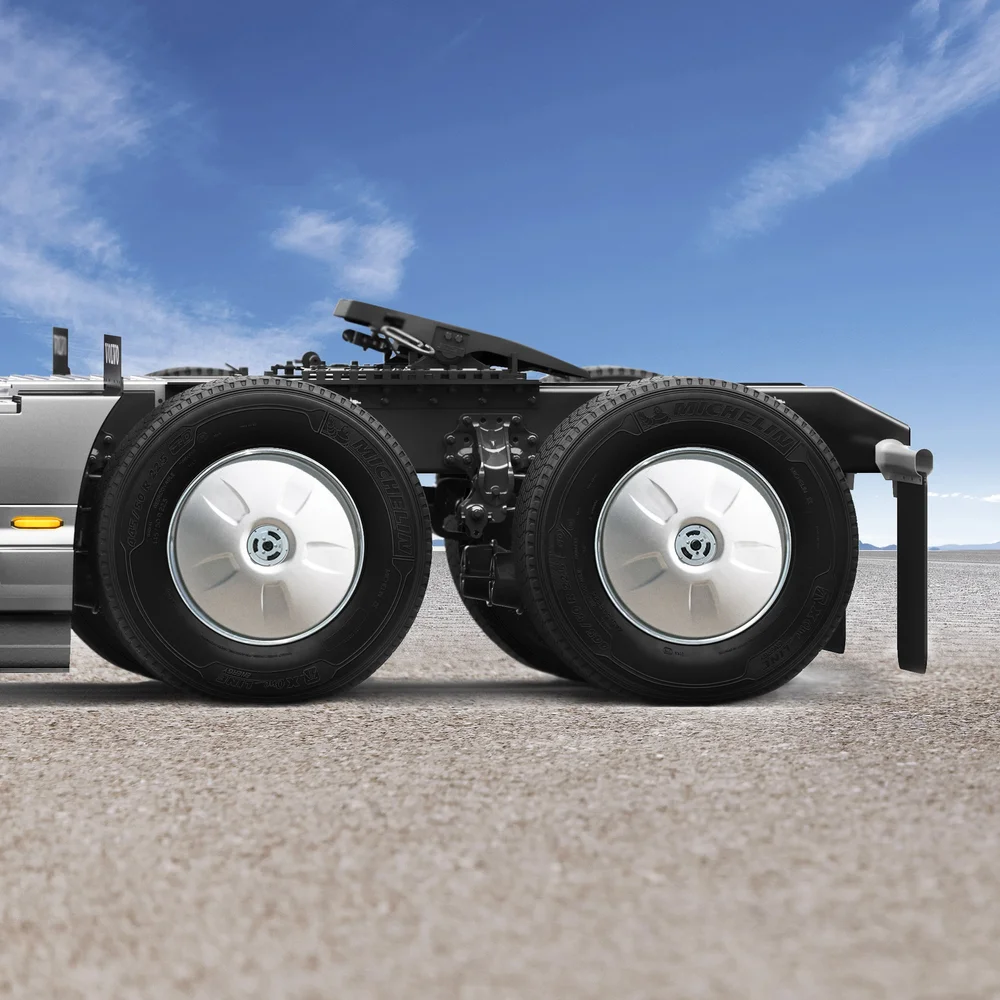
Luxury car brands use composite wheel covers for their sleek look and lasting quality. These covers help improve fuel efficiency by lowering weight. They also allow designers to create unique patterns and finishes. Composite covers add to the car’s premium feel without extra weight. This choice supports both style and performance needs.
Credit: www.flowbelow.com
Material Selection Factors
Choosing the right material for wheel covers is important. The material affects cost, look, strength, and the environment. Different needs and uses guide the choice. Car makers and buyers think about many factors before selecting a material.
Cost Efficiency
Price plays a big role in material choice. Cheaper materials lower production costs. Plastic is common because it is affordable and light. Metals cost more but last longer. Budget limits often decide the final pick.
Aesthetics And Design
The material shapes the wheel cover’s look. Shiny metals give a sleek, stylish feel. Plastic allows for many shapes and colors. Designers pick materials that match car styles. The aim is to make the car look good.
Durability And Maintenance
Wheel covers face rough roads and weather. Strong materials resist cracks and dents. Metals handle impact better but can rust. Plastic resists rust but may fade or break. Easy-to-clean materials save time and effort.
Environmental Impact
Some materials harm nature more than others. Plastic can take long to break down. Metals can be recycled many times. Choosing eco-friendly materials helps reduce waste. Many manufacturers seek greener options today.
Trends In Wheel Cover Materials
Wheel covers have changed a lot over the years. New materials are used to make them lighter, stronger, and better for the environment. Car makers and wheel cover brands try to meet customer needs and protect the planet. This section looks at the latest trends in wheel cover materials.
Eco-friendly Materials
More wheel covers use eco-friendly materials today. Recycled plastics help reduce waste. Biodegradable materials break down naturally after use. These options cut pollution and save resources. Buyers want products that protect nature and last long.
Innovations In Manufacturing
Manufacturers use new methods to make wheel covers better. Injection molding creates precise and strong parts fast. 3D printing allows custom shapes and quick prototypes. These ways lower costs and speed up production. They also reduce material waste during making.
Customization Options
Custom wheel covers are popular now. People choose colors, patterns, and finishes to match their style. Some covers have interchangeable parts or stickers. This makes each car look unique. Easy customization helps buyers feel more connected to their vehicles.

Credit: www.coast2coastinternational.com

Credit: dailyplanetvt.com
Frequently Asked Questions
What Materials Are Commonly Used For Wheel Covers?
Wheel covers are typically made from plastic, metal, or composite materials. Plastic is lightweight and affordable. Metal covers offer durability and a premium look. Composite materials combine strength and flexibility for enhanced performance.
Are Plastic Wheel Covers Durable?
Yes, plastic wheel covers are durable for everyday use. They resist rust and corrosion well but may crack on impact. Proper care extends their lifespan. They are cost-effective and lightweight, making them popular choices.
Do Metal Wheel Covers Offer Better Protection?
Metal wheel covers provide stronger protection against impacts and road debris. They resist dents and scratches better than plastic. However, they can be heavier and prone to rust if not properly coated.
Can Wheel Covers Affect Vehicle Performance?
Wheel covers have minimal impact on performance. They mainly protect wheels and enhance aesthetics. Properly fitted covers do not affect fuel efficiency or handling. Poorly installed covers, however, may cause noise or imbalance.
Conclusion
Wheel covers come in different materials like plastic, metal, and sometimes carbon fiber. Each material offers unique benefits, such as durability or a sleek look. Choosing the right wheel cover depends on your needs and budget. Knowing what they are made of helps you make a smart choice.
This way, your car stays protected and stylish. Simple materials can offer strong protection and easy maintenance. Think about what fits your car and your style best.


