

Are you ready to replace your fuel filter but unsure how to safely relieve the fuel pressure first? Doing this step right is crucial to avoid fuel spraying and potential injury.
In this guide, you’ll learn simple, clear methods to release that pressure quickly and safely. Whether you’re a beginner or just want to save time and hassle, these tips will help you tackle the job with confidence. Keep reading to protect yourself and make your fuel filter replacement smooth and stress-free.
Signs Fuel Pressure Needs Relief
Knowing the signs that fuel pressure needs relief is important before replacing a fuel filter. Fuel pressure builds up in the fuel lines and can cause problems if not released. This section explains the common symptoms and safety concerns linked to high fuel pressure. It helps you handle the task safely and correctly.
Common Symptoms
One sign is hard starting or no start at all. The engine may crank but fail to run. Another symptom is fuel smell near the engine or fuel tank. This shows fuel may leak due to pressure. You might see fuel dripping or spraying when disconnecting fuel lines. The engine can also run rough or stall. These signs suggest fuel pressure is too high and needs relief before filter replacement.
Safety Concerns
Fuel under pressure can spray out suddenly. It can cause fires or injury. Always relieve pressure before opening the fuel system. Work in a well-ventilated area away from sparks or flames. Wear safety glasses and gloves to protect yourself. Fuel spills can damage paint and skin. Taking safety precautions prevents accidents and keeps the job safe.
Tools Needed For Fuel Pressure Relief
Relieving fuel pressure is a key step before changing the fuel filter. Having the right tools makes this process safer and easier. These tools help stop fuel leaks and avoid accidents. Prepare everything beforehand to work smoothly and confidently.
Essential Equipment
You need a fuel pressure gauge to check the pressure level. A wrench or socket set helps to open the fuel line fittings. A rag or small container catches any fuel that spills out. A screwdriver might be required for removing protective covers or clamps. These tools ensure you can safely relieve pressure and access the fuel filter.
Safety Gear
Wear safety goggles to protect your eyes from fuel spray. Use gloves to keep your hands safe from fuel and dirt. Work in a well-ventilated area to avoid inhaling fumes. Have a fire extinguisher nearby for emergencies. Proper safety gear reduces risks during the fuel pressure relief process.
Locating The Fuel System Components
Before you relieve fuel pressure, knowing where key parts are helps a lot. Finding the fuel system components is the first step. This makes the process safer and smoother. Each car model varies, but most have similar parts. Focus on the fuel pump, fuel filter, and fuel pressure regulator.
Fuel Pump
The fuel pump moves fuel from the tank to the engine. It usually sits inside the fuel tank. Sometimes, it is mounted near the tank or under the car. Look near the rear of the vehicle. You might see an access panel under the back seat or trunk floor. This panel covers the fuel pump area.
Fuel Filter
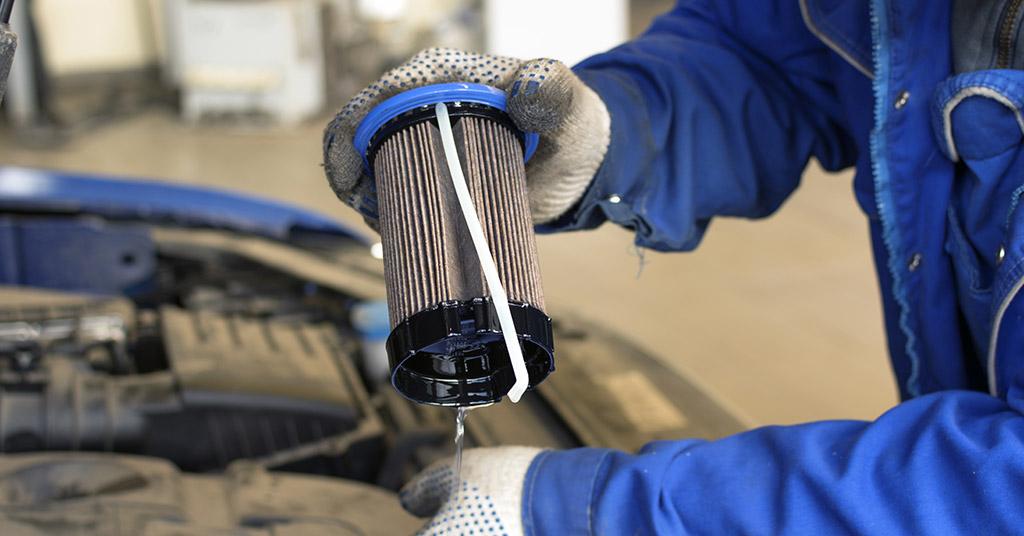
The fuel filter cleans the fuel before it reaches the engine. It traps dirt and debris that could harm the engine. Usually, the filter is along the fuel line. It can be under the car, near the fuel tank, or the engine bay. The filter looks like a small cylinder or a metal canister. Check your car manual for the exact location.
Fuel Pressure Regulator
The fuel pressure regulator controls the fuel pressure to the engine. It keeps pressure stable for smooth running. Often, the regulator is attached to the fuel rail on the engine. It looks like a small round device with a vacuum hose. Spotting it helps when you relieve the fuel pressure safely.
:max_bytes(150000):strip_icc()/fuelfilter-rmv1-56a0554b3df78cafdaa10f8d.jpg)
Credit: www.liveabout.com
Step-by-step Fuel Pressure Relief
Relieving fuel pressure is a key step before replacing the fuel filter. It stops fuel from spraying and causing injury. Follow these simple steps carefully for a safe process. Each step helps you handle fuel pressure correctly.
Disconnecting The Battery
Start by disconnecting the car battery’s negative terminal. This stops the fuel pump from running. Use a wrench to loosen the terminal clamp. Remove the cable and move it away from the battery. This step cuts power to the fuel system.
Using The Fuel Pressure Gauge
Attach a fuel pressure gauge to the test port on the fuel rail. Turn the ignition key to the “on” position without starting the engine. Watch the gauge to check pressure levels. Press the gauge’s release valve slowly to let the pressure drop. This method ensures pressure is safely lowered.
Releasing Pressure Via Schrader Valve
Locate the Schrader valve on the fuel rail. It looks like a tire valve stem. Place a rag around the valve to catch fuel spray. Press the valve with a small tool to release pressure. Do this carefully to avoid fuel spills. Wait until no more fuel comes out.
Alternate Methods
In some cars, you can remove the fuel pump fuse or relay. Start the engine and let it run until it stops. This uses up the remaining fuel in the lines. Another way is to disconnect the fuel line at the filter. Allow fuel to drain into a container. Use these methods only if the first ones don’t work.
Removing The Old Fuel Filter
Removing the old fuel filter is a key step in replacing it safely. Before taking out the filter, the fuel pressure must be relieved. This reduces the risk of fuel spraying out. After that, focus on loosening the fuel lines connected to the filter. Proper care is needed to avoid damage and spills.
Take your time and work carefully. This ensures a clean and safe removal process. Let’s break down the steps to remove the old fuel filter correctly.
Loosening Fuel Lines
Start by locating the fuel lines attached to the filter. Use the right wrench or tool for loosening. Turn slowly to avoid breaking the lines. Fuel lines can be stiff if they are old. If they do not budge, try a little penetrating oil. Avoid using too much force. Damaged lines can cause leaks and costly repairs.
Handling Fuel Spillage
Fuel spills are common during filter removal. Prepare a container or rag to catch any drips. Work in a well-ventilated area to avoid inhaling fumes. Wear gloves to protect your skin. Clean up any spills immediately to prevent fire hazards. Proper disposal of fuel-soaked materials is important. This keeps your workspace safe and tidy.
Installing The New Fuel Filter
Installing the new fuel filter is a key step after relieving the fuel pressure. It helps keep your vehicle running smoothly by cleaning the fuel before it reaches the engine. Take care to install the filter correctly to avoid leaks and ensure proper fuel flow.
Positioning And Securing
Place the new fuel filter in the same position as the old one. Make sure the arrows on the filter point in the direction of fuel flow. Use the original mounting bracket or clips to hold the filter firmly. Tighten any bolts or screws without over-tightening. A secure filter prevents fuel leaks and keeps the system safe.
Reconnecting Fuel Lines
Attach the fuel lines to the new filter carefully. Push or clip the lines on firmly to avoid loose connections. Check for any rubber seals or o-rings and replace them if needed. Double-check all connections for tightness. Properly reconnected fuel lines stop fuel leaks and maintain pressure.
Testing After Filter Replacement
After replacing the fuel filter, testing is vital. It confirms the job is done right. Proper testing helps avoid engine problems and fuel leaks. Follow these simple steps to check your work.
Checking For Leaks
Look closely around the new fuel filter. Watch for any wet spots or drips. Fuel leaks can be dangerous and waste fuel. Tighten connections if you see leaks. Use a clean cloth to wipe the area. Keep checking for leaks for a few minutes.
Starting The Engine
Turn the key to start the engine. Listen for any unusual sounds like sputtering. The engine should start smoothly without hesitation. If the engine struggles, check the fuel filter again. Let the engine run for a few minutes. This allows fuel to flow properly through the filter.

Credit: www.youtube.com
Safety Tips During Fuel Filter Replacement
Replacing a fuel filter can improve your vehicle’s performance. Safety is very important during this task. Handling fuel needs care to avoid accidents. Follow key safety tips to protect yourself and your vehicle.
Fire Hazards
Fuel is highly flammable. Keep sparks, flames, and heat away from the work area. Do not smoke near the vehicle. Work in a well-ventilated place to avoid fuel vapors. Wear gloves and safety glasses to protect skin and eyes. Have a fire extinguisher nearby just in case. Take your time to avoid spills and leaks.
Proper Disposal Of Fuel
Old fuel must not be poured down drains or on the ground. Use a clean container to catch fuel when relieving pressure. Take used fuel to a recycling center or hazardous waste facility. Dispose of fuel filters according to local rules. Proper disposal helps protect the environment and your community.
Credit: www.masterparts.com
Frequently Asked Questions
How Do I Safely Relieve Fuel Pressure?
Locate the fuel pump fuse and remove it. Start the engine and let it stall. This releases pressure in the fuel lines safely.
Why Is Relieving Fuel Pressure Necessary Before Filter Replacement?
Relieving fuel pressure prevents fuel spray and potential fire hazards. It ensures a safer and cleaner fuel filter replacement process.
Can I Relieve Fuel Pressure Without Tools?
Yes, by removing the fuel pump fuse and running the engine until it stalls, you can relieve pressure without special tools.
How Long Does It Take To Relieve Fuel Pressure?
It usually takes a few minutes to relieve fuel pressure. Running the engine after fuse removal stalls it quickly.
Conclusion
Relieving fuel pressure is key to safely changing your fuel filter. Follow steps carefully to avoid fuel spray or injury. Take your time and use the right tools for the job. This simple task helps keep your engine running smoothly.
Stay patient and work methodically for the best results. Regular maintenance like this saves money and prevents bigger problems later. Keep safety first and check for leaks after replacement. Now, you’re ready to handle fuel filter changes with confidence.


