
Have you ever wondered what it feels like to sit on neoprene seat covers? If you’re thinking about upgrading your car’s interior, understanding the texture and comfort of neoprene can make all the difference.
Imagine slipping into your seat and feeling a perfect balance of softness and support, like your seats were made just for you. You’ll discover exactly how neoprene seat covers feel, why they might be the best choice for your car, and how they can change your driving experience for the better.
Keep reading to find out what makes neoprene so special—and why you’ll want it in your car.
Credit: www.tigertough.com
Neoprene Material Basics
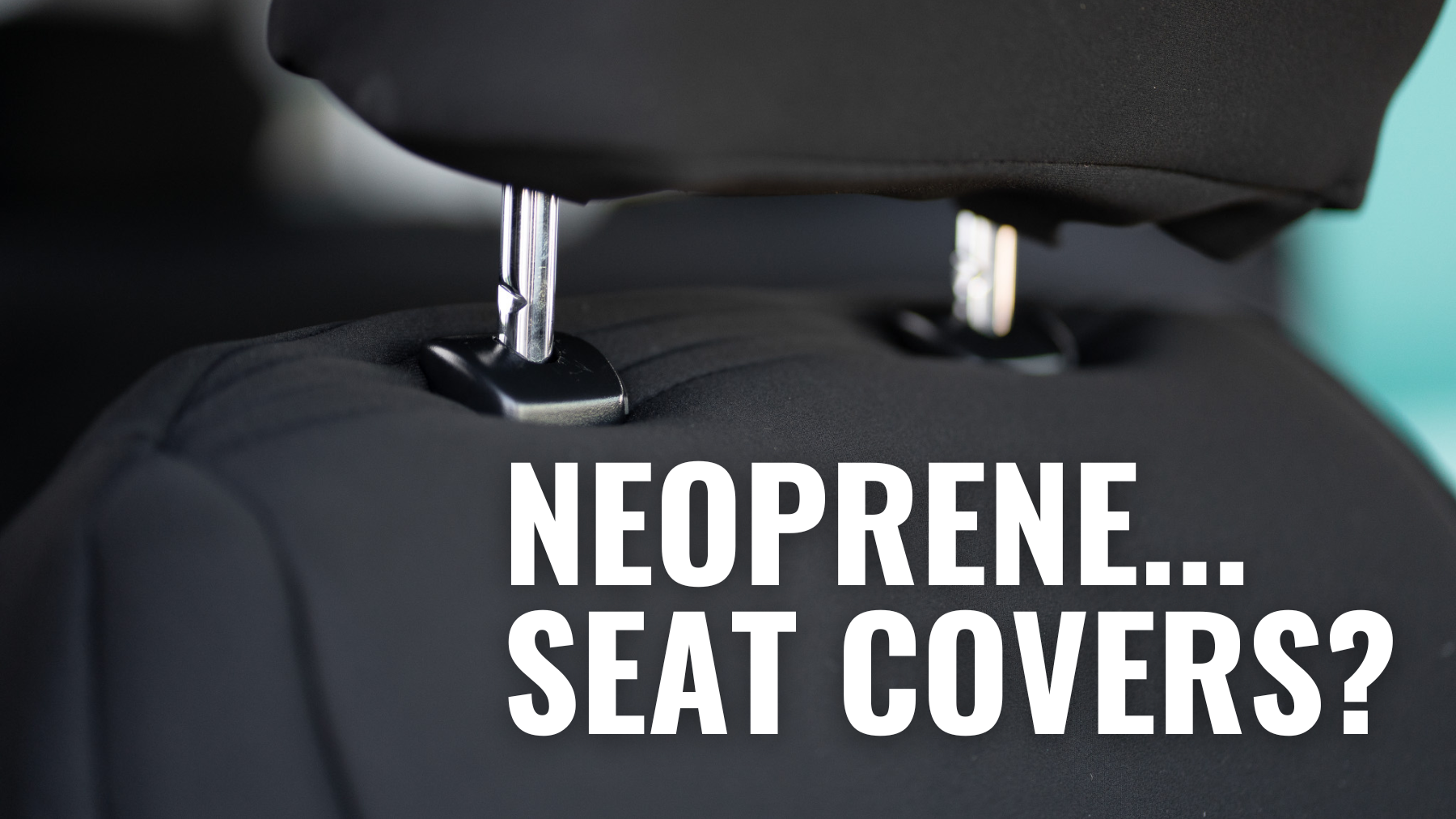
Neoprene is a synthetic rubber material often used for seat covers. It offers strong protection and comfort for car seats. The material feels unique compared to fabric or leather. Understanding its basic features helps explain why many people prefer neoprene seat covers.
Softness And Texture
Neoprene feels soft to the touch. It has a smooth and slightly spongy surface. This softness makes it comfortable to sit on for long drives. The texture is firm enough to hold its shape. It does not feel rough or scratchy like some fabrics. The surface also resists moisture, which helps keep seats dry.
Flexibility And Stretch
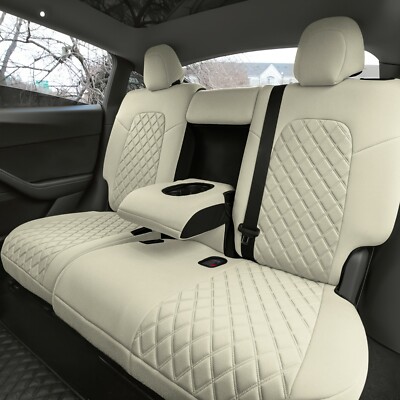
Neoprene stretches easily without losing strength. This flexibility allows it to fit snugly over different seat shapes. It moves with your body when you sit down, adding comfort. The material returns to its original shape quickly after stretching. This stretchiness also helps prevent wrinkles and sagging over time.
Credit: www.ebay.com
Comfort Benefits Of Neoprene Covers
Neoprene seat covers offer more than just style. They bring real comfort to your car seats. These covers feel soft but strong. They add a cozy layer that changes your driving experience. You can enjoy longer drives without feeling tired or sore. The material also helps keep you cool or warm, making it great for all seasons.
Cushioning And Support
Neoprene covers add extra cushioning to your seats. This padding helps reduce pressure on your back and hips. It supports your body in a gentle way. The soft texture feels nice against your skin. This support can make sitting for long times easier. It helps you avoid aches after long drives.
Temperature Regulation
Neoprene is good at managing temperature. It keeps the seat warm in cold weather. In summer, it prevents the seat from getting too hot. This helps you stay comfortable all year. The material allows air to flow, reducing sweat and stickiness. You feel fresh whether it’s hot or cold outside.
Durability And Resistance
Neoprene seat covers feel tough and built to last. Their durability and resistance make them a smart choice for many drivers. These covers handle daily use without losing shape or comfort. They protect your seats from spills, dirt, and wear. The material stays strong over time, even with heavy use.
Water And Stain Resistance
Neoprene seat covers block water easily. They stop spills from soaking into the seats. This makes cleaning quick and simple. Dirt and stains do not stick to the surface. You can wipe most messes away with a damp cloth. This keeps your car interior neat and fresh.
Wear And Tear Protection
Neoprene shields your seats from scratches and tears. It absorbs impacts from daily use. The material resists stretching and fading. It holds up against sun damage and rough treatment. This cover keeps your seats looking new for longer. A smart defense against wear and tear.

Credit: www.amazon.com
Comparison With Other Materials
Neoprene seat covers offer a unique feel compared to other popular materials. Understanding these differences helps you pick the best option for your car. Here is a simple comparison of neoprene with leather and fabric seat covers.
Neoprene Vs Leather
Neoprene feels soft and smooth but not slippery. It has a slight stretch, fitting seats tightly. Leather feels firm and cool to touch. Over time, leather softens but can crack if not cared for. Neoprene resists water and stains better than leather. Leather often feels more luxurious but needs more maintenance. Neoprene stays comfortable in hot and cold weather. Leather can get hot in summer and cold in winter.
Neoprene Vs Fabric
Neoprene is thicker and more durable than fabric. Fabric seat covers feel softer but can wear out faster. Neoprene resists spills and dries quickly. Fabric absorbs liquids and stains easily. Neoprene has a smooth, rubbery texture. Fabric feels more natural and breathable. Both materials offer comfort but neoprene is better for protection. Fabric covers may feel warmer in cold weather.
User Experience And Feedback
User feedback on neoprene seat covers reveals a mix of comfort and practicality. Many users find the material soft and smooth, which adds a cozy feel to their seats. The cushion-like texture helps reduce pressure during long drives. This creates a pleasant sitting experience for daily use.
Users also notice that neoprene covers fit snugly and stay in place. This secure fit prevents slipping, which can be distracting while driving. The covers adjust well to various seat shapes, providing a tailored look and feel. Overall, the experience is positive for comfort and style.
Daily Comfort And Use
Neoprene seat covers feel warm in cold weather. They keep the seat temperature stable and prevent chills. In hot weather, the material breathes enough to avoid overheating. Users report less sweating compared to vinyl or leather covers.
The soft surface reduces seat stiffness. This helps during long trips or daily commutes. The covers add slight padding, which many find relaxing. Most users say the covers do not cause skin irritation or discomfort.
Maintenance And Care
Cleaning neoprene seat covers is easy and quick. Users simply wipe them with a damp cloth. For deeper cleaning, mild soap and water work well. The material dries fast, ready for use again in a short time.
Neoprene resists stains and spills better than fabric covers. It also resists fading from sunlight exposure. Many users appreciate the low maintenance nature of these covers. This makes them ideal for busy lifestyles and active use.
Frequently Asked Questions
What Texture Do Neoprene Seat Covers Have?
Neoprene seat covers feel smooth and slightly rubbery. They offer a soft, cushioned surface that is both comfortable and durable. The material provides a snug fit and resists slipping, enhancing the overall seat experience with a firm yet flexible texture.
Are Neoprene Seat Covers Comfortable For Long Drives?
Yes, neoprene seat covers are comfortable for extended periods. Their cushioning absorbs shocks and reduces fatigue. The material also adapts to body temperature, providing a cozy feel whether in hot or cold weather, making long drives more enjoyable.
How Does Neoprene Feel In Hot Weather?
In hot weather, neoprene seat covers feel warm but breathable. They retain some heat but allow air circulation to prevent excessive sweating. This balance helps keep you comfortable without the sticky feeling common with some synthetic materials.
Do Neoprene Seat Covers Feel Different From Leather?
Yes, neoprene feels softer and more flexible than leather. While leather is smooth and firm, neoprene offers a cushioned, stretchy surface. It is less slippery and provides better grip, making it a practical and comfortable alternative.
Conclusion
Neoprene seat covers feel soft and smooth to touch. They offer a snug, comfortable fit for your seats. The material is thick but flexible, providing good support. It resists water, making it easy to clean. You can expect a slightly warm feel in cold weather.
These covers add a sporty look to your car’s interior. Overall, neoprene seat covers blend comfort with durability well. A practical choice for everyday driving comfort and protection.

