

If you want your engine to run smoothly and avoid costly repairs, keeping your fuel system clean is key. One important part that often gets overlooked is the in tank fuel filter.
Over time, it can get clogged with dirt and debris, slowing down your fuel flow and hurting performance. But don’t worry—cleaning your in tank fuel filter is easier than you might think. You’ll discover simple, step-by-step tips to clean it effectively and keep your vehicle running like new.
Ready to save money and boost your engine’s health? Let’s dive in!
Signs Of A Dirty Fuel Filter
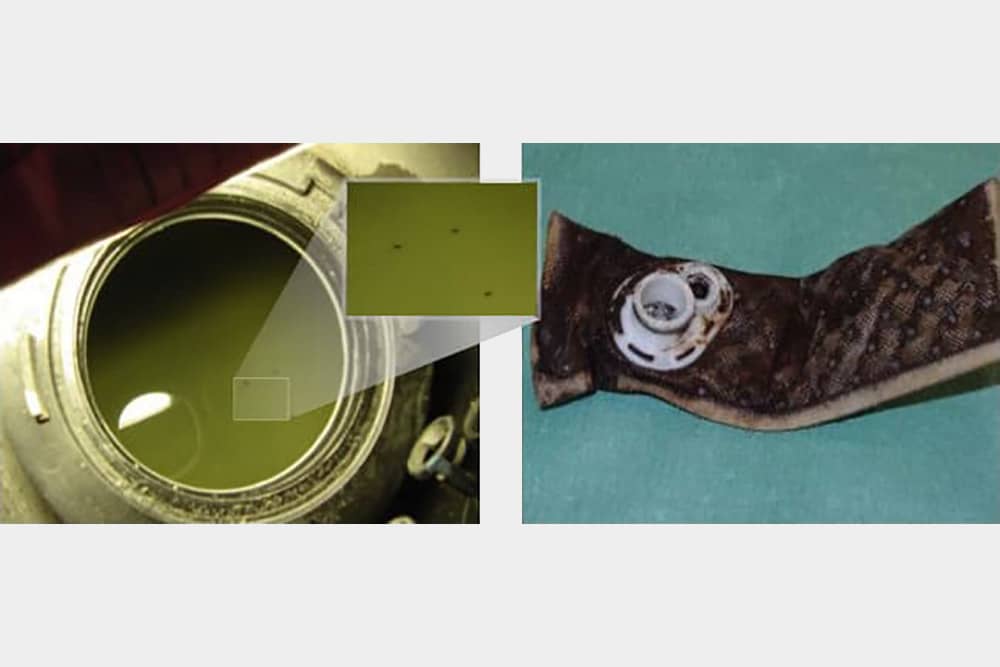
A dirty in-tank fuel filter can cause many problems with your vehicle. It blocks fuel flow and reduces engine power. Knowing the signs helps you fix the issue early. This saves time and money on repairs. Watch for these common symptoms to spot a dirty fuel filter.
Engine Performance Issues
The engine may run rough or stall often. It may lose power during acceleration. Your car may hesitate or jerk while driving. These happen because fuel cannot reach the engine smoothly. A clogged fuel filter is often the cause.
Fuel Efficiency Drop
You might notice your car uses more fuel than usual. The engine struggles and burns more gas. This means the fuel filter may be dirty. Cleaning or replacing it can restore good fuel economy.
Starting Problems
The car may take longer to start or fail to start. Fuel flow is limited, causing weak ignition. A dirty fuel filter stops enough fuel from reaching the engine. This makes starting the car difficult or impossible.
Credit: carterengineered.com
Tools And Materials Needed
Cleaning the in-tank fuel filter needs specific tools and materials. Prepare these items before starting the job. Proper tools make the process faster and safer. This section lists everything required for cleaning.
Protective Gear
Wear gloves to protect your hands from fuel and dirt. Use safety goggles to shield your eyes. A mask helps avoid inhaling fumes. Long sleeves prevent skin contact with fuel. Always use protective gear to stay safe.
Cleaning Supplies
Get a clean container to catch fuel. Use a soft brush to remove dirt gently. Clean cloths help wipe parts without scratching. Use fuel-safe cleaner or mild detergent. Avoid harsh chemicals that can damage the filter.
Replacement Parts
Keep a new fuel filter ready for replacement. Have extra O-rings or seals on hand. These parts wear out and may break during cleaning. Using fresh parts ensures the fuel system works well. Check your vehicle’s manual for the correct parts.
Preparing Your Vehicle
Preparing your vehicle for cleaning the in-tank fuel filter is an important step. It helps avoid accidents and makes the job easier. Taking time to get ready protects both you and your car. Follow these simple steps to prepare well.
Safety Precautions
Work in a well-ventilated area to avoid breathing fumes. Wear safety glasses and gloves to protect your eyes and hands. Keep a fire extinguisher nearby because gasoline is flammable. Avoid open flames and sparks during the process. Disconnect the car battery to prevent electrical sparks.
Locating The Fuel Filter
The fuel filter is inside the fuel tank or near it. Check your car manual for the exact location. Most filters are under the rear seat or near the fuel pump. Use a flashlight to spot the filter easily. Knowing the location saves time and effort.
Relieving Fuel System Pressure
Fuel systems hold pressure that must be released first. Find the fuel pump fuse or relay in the fuse box. Remove the fuse or relay to stop the pump. Start the engine and let it run until it stops. This uses up the fuel in the lines. Turn off the ignition before starting work.
Removing The Fuel Filter
Removing the fuel filter from your tank is the first step in cleaning it. This process requires care and the right tools. It ensures the filter can be cleaned or replaced properly. Follow these steps to remove the fuel filter safely and efficiently.
Disconnecting Fuel Lines
Start by turning off the engine and ensuring no fuel flows. Use a wrench or pliers to loosen the clamps on the fuel lines. Gently pull the fuel lines away from the filter. Avoid bending or twisting the lines to prevent damage.
Removing Mounting Brackets
Locate the mounting brackets holding the filter in place. Use the correct screwdriver or socket to remove the screws or bolts. Keep the hardware in a safe place for reassembly. Carefully lift the filter free from the bracket once loose.
Handling The Filter Carefully
Hold the filter upright to avoid spilling any fuel inside. Place it on a clean surface or in a container to catch drips. Do not shake or drop the filter. Treat it gently to avoid damaging the filter media inside.
Cleaning The Fuel Filter
Cleaning the fuel filter inside the tank is important for engine health. Dirt and particles can block the filter, causing poor performance. Regular cleaning keeps fuel flowing smoothly. This section explains how to clean the fuel filter step-by-step.
Using Cleaning Solutions
Choose a mild cleaning solution safe for fuel filters. Avoid harsh chemicals that can damage the filter material. Soak the filter in the solution for 10 to 15 minutes. This helps loosen dirt and grease stuck inside the filter.
Gently shake the filter while it soaks. This aids the cleaning process without causing damage. After soaking, rinse the filter with clean water to remove the solution and loosened dirt.
Removing Debris And Sediment
Use a soft brush or cloth to wipe off stubborn debris. Be careful not to tear the filter screen. Tap the filter lightly to remove sediment trapped inside. Check all sides to ensure no dirt remains.
Do not use sharp tools. They can create holes in the filter. Clean filters allow fuel to pass without restriction, protecting the engine.
Drying The Filter Properly
Shake off excess water after rinsing. Let the filter air dry completely before reinstalling. Avoid using heat sources like hair dryers or direct sunlight. Heat can warp or weaken the filter material.
Place the filter in a clean, dry area. Drying may take several hours. A dry filter prevents water from entering the fuel system and causing damage.
Reinstalling The Fuel Filter
Reinstalling the fuel filter is the final step after cleaning it. This step ensures your vehicle runs smoothly. Proper reinstallation prevents fuel leaks and engine issues. Follow each step carefully for a secure fit.
Securing The Filter
Place the fuel filter back into its holder. Make sure it fits snugly and aligns correctly. Use any clips or screws to lock it in place. A loose filter can cause fuel leaks.
Reconnecting Fuel Lines
Attach the fuel lines to the filter’s inlet and outlet. Push them firmly to avoid gaps or looseness. Secure the lines with clamps if available. Proper connection ensures steady fuel flow.
Checking For Leaks
Turn on the vehicle’s ignition without starting the engine. Look closely at the filter and fuel lines. Watch for any drops of fuel or wet spots. Stop and fix any leaks before driving.
Testing After Cleaning
After cleaning the in-tank fuel filter, testing is crucial. It ensures the cleaning worked well and the engine runs smoothly. Testing helps catch any issues early. It also confirms fuel flows correctly without blockages.
Starting The Engine
Start the engine and listen carefully. It should start quickly without hesitation. A clean fuel filter helps the fuel reach the engine fast. If the engine struggles, check the filter and fuel lines again.
Monitoring Performance
Watch how the engine runs after starting. It should sound steady and smooth. Look for any stalling or rough idling. These signs may mean the filter is still dirty or damaged. Keep an eye on engine response while driving.
Fuel Efficiency Check
Check your fuel consumption over the next few days. A clean filter can improve fuel efficiency. Notice if your vehicle uses less fuel than before. If fuel use stays high, inspect the filter or other parts. Regular checks help maintain good engine health.

Credit: neurocin.com.br
Maintenance Tips For Longevity
Proper care keeps your in tank fuel filter working longer. Regular maintenance helps avoid engine problems. Clean filters improve fuel flow and engine health. Follow simple tips to extend the life of your filter.
Regular Cleaning Schedule
Set a fixed time to clean the fuel filter. Check it every 3 to 6 months. Clean more often if you drive in dusty areas. Use proper tools and follow safe steps. Regular cleaning stops dirt build-up inside the filter.
Using Quality Fuel
Choose fuel from trusted stations only. Good fuel has fewer impurities and water. Poor fuel clogs the filter faster. Avoid cheap or old fuel. Clean fuel reduces filter stress and engine wear.
Signs To Replace The Filter
Notice slow engine start or poor acceleration. Strange noises or stalling can occur too. Check for visible damage or heavy dirt. A clogged filter lowers fuel efficiency. Replace the filter if these signs appear to keep your engine safe.

Credit: www.youtube.com
Frequently Asked Questions
How Often Should I Clean The In-tank Fuel Filter?
Clean your in-tank fuel filter every 30,000 miles or as recommended by your vehicle’s manual. Regular cleaning ensures optimal fuel flow and engine performance. Neglecting it can cause clogging and reduce fuel efficiency, potentially damaging your engine over time.
What Tools Do I Need To Clean The Fuel Filter?
You need basic tools like screwdrivers, pliers, a clean container, and gloves. Some vehicles may require specialized tools for filter removal. Always consult your vehicle manual before starting to avoid damage and ensure safe cleaning.
Can I Clean The In-tank Fuel Filter Myself?
Yes, with proper tools and instructions, you can clean it yourself. Ensure the vehicle is off and fuel system depressurized. Follow safety precautions carefully to avoid fuel leaks or fire hazards during the process.
What Signs Indicate A Dirty Fuel Filter?
Symptoms include engine sputtering, reduced power, poor acceleration, and hard starts. A clogged filter restricts fuel flow, causing these performance issues. If you notice any signs, inspect and clean or replace the fuel filter promptly.
Conclusion
Cleaning your in-tank fuel filter keeps your engine running smooth. Regular care helps avoid clogs and fuel flow problems. Remember to check the filter often and clean it gently. This small task saves money and prevents bigger repairs. Take your time and follow steps carefully.
Your vehicle will thank you with better performance and longer life. Simple actions make a big difference. Keep your fuel system clean for safe and efficient driving.


