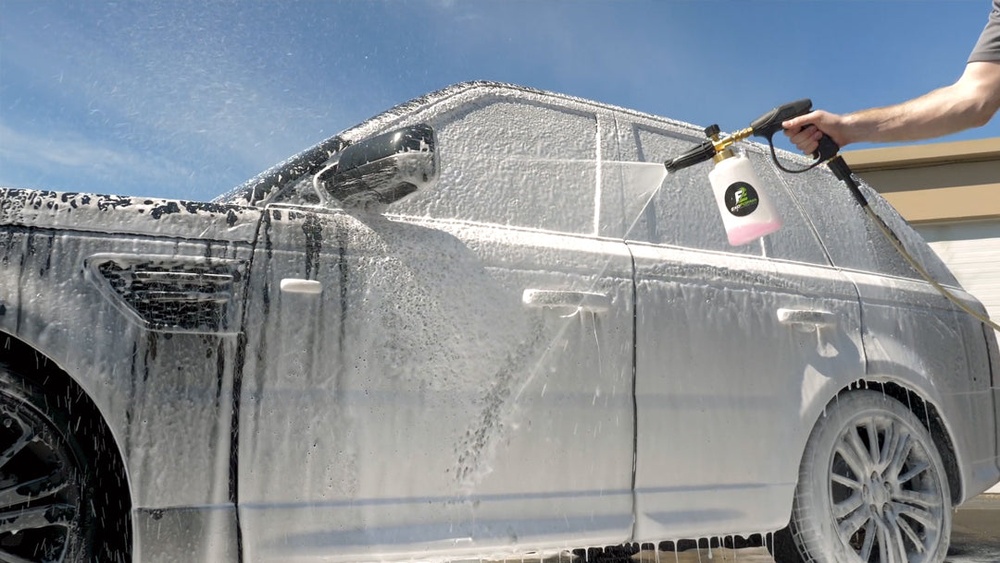
Are you tired of spending hours washing your car without getting the perfect clean? Knowing the right pressure and gallons per minute (GPM) for washing your car can make all the difference.
Too much pressure can damage your paint, while too little won’t get the job done. And the water flow rate? It affects how quickly and efficiently you can rinse away dirt and grime. You’ll discover exactly what pressure and GPM you need to keep your car sparkling clean without causing harm.
Keep reading, and you’ll learn how to wash your car like a pro every single time.

Credit: www.caranddriver.com
Pressure Basics
Understanding pressure basics helps you wash your car better. Pressure and water flow work together to clean dirt and grime. Using the right pressure prevents damage to your car’s paint and parts. Below, learn about PSI, how pressure affects cleaning, and safe levels for your car.
Psi And Its Role
PSI means pounds per square inch. It measures how strong the water pushes out of the washer. Higher PSI means more force to remove tough dirt. Too much PSI can hurt your car’s paint or windows. Choosing the right PSI keeps your car safe and clean.
How Pressure Affects Cleaning
Pressure helps break loose dirt and grime on your car. Strong pressure cleans faster but can be risky. Low pressure may need more scrubbing or time. Balanced pressure removes dirt without harming the surface. Water flow, or GPM, also plays a role in cleaning power.
Safe Pressure Levels For Cars
Safe pressure for washing cars is usually between 1200 and 1900 PSI. This range cleans well without causing damage. Use no more than 2000 PSI to avoid paint chips or scratches. Keep a steady distance between the nozzle and car surface. Follow these tips to protect your car’s finish.
Gpm Explained
GPM stands for Gallons Per Minute. It measures how much water flows from the pressure washer. This number helps you understand how much water hits your car while washing. GPM is important for cleaning power and water use.
Choosing the right GPM can make washing your car easier and faster. Too little water might not clean well. Too much water can waste water and make drying longer. Let’s explore why GPM matters for your car wash.
Gallons Per Minute Importance
GPM shows the water volume used in one minute. Higher GPM means more water flows out. This helps rinse dirt and soap better. Using the right GPM keeps your car cleaner without wasting water.
Impact On Wash Efficiency
More water flow can remove dirt faster. It also helps rinse soap quickly. This saves time and effort during washing. Low GPM might need extra scrubbing and rinsing. Balance is key for good wash results.
Balancing Pressure And Flow
Pressure and GPM work together to clean well. High pressure with low GPM can damage paint. High GPM with low pressure may not clean well. Find a balance to protect your car and clean it fast.
Ideal Pressure For Car Washing
Choosing the right pressure for washing your car is very important. Too much pressure can harm the paint. Too little pressure may not clean well. The ideal pressure cleans the car safely and effectively.
Understanding the best pressure helps protect your car’s finish. It also saves water and energy. Let’s explore the ideal pressure for car washing in detail.
Recommended Psi Range
The best pressure for washing a car is usually between 1200 and 1900 PSI. This range is strong enough to remove dirt and grime. It is gentle enough to avoid damage to the paint and decals. Most household pressure washers fall into this range.
Using pressure below 1200 PSI may not clean stubborn dirt. Above 1900 PSI risks stripping the paint or causing scratches.
Avoiding Paint Damage
Paint on cars is delicate and can chip or peel with high pressure. Keep pressure under 2000 PSI to avoid damage. Use a wide spray tip to spread the water over a larger area. This reduces the force on one spot.
Always test pressure on a small, hidden area first. Watch for any paint lifting or damage. Lower the pressure if you see any issues.
Pressure Settings For Different Vehicles
Small cars and sedans usually need about 1200 to 1600 PSI. SUVs and trucks can handle up to 1900 PSI. Classic or older cars need lower pressure, around 1200 PSI or less.
Electric vehicles have special coatings. Use lower pressure and soft spray tips. Adjust pressure based on the vehicle type and condition. This keeps the car safe and clean.
Best Gpm For Car Washing
Choosing the right gallons per minute (GPM) for car washing is key to clean results. Water flow affects how well dirt and grime wash away. Too little water slows cleaning. Too much wastes water and can damage paint. The best GPM balances cleaning power and water use. This section explores the ideal water flow for washing cars.
Optimal Water Flow Rates
Car washing needs steady water flow. Experts suggest 1.5 to 2.5 GPM as ideal. This range gives enough water to rinse soap and dirt. Lower than 1.5 GPM may leave spots. Higher than 2.5 GPM uses extra water without better cleaning. Aim for steady, gentle flow to protect your car’s paint.
Efficiency Vs. Water Usage
Using water wisely saves money and the environment. A moderate GPM cleans well without waste. High flow rates use more water and energy. Low flow means more time washing and rinsing. Find a balance that cleans fast and saves water. Efficient water use keeps your car shiny and protects nature.
Matching Gpm With Pressure
GPM works with pressure to clean effectively. Higher pressure needs steady water flow to avoid damage. Low GPM with high pressure can harm paint. High GPM with low pressure may not clean well. A good pressure of 1200 to 1900 PSI pairs well with 1.5 to 2.5 GPM. This combo cleans dirt without hurting your car.
Choosing The Right Equipment
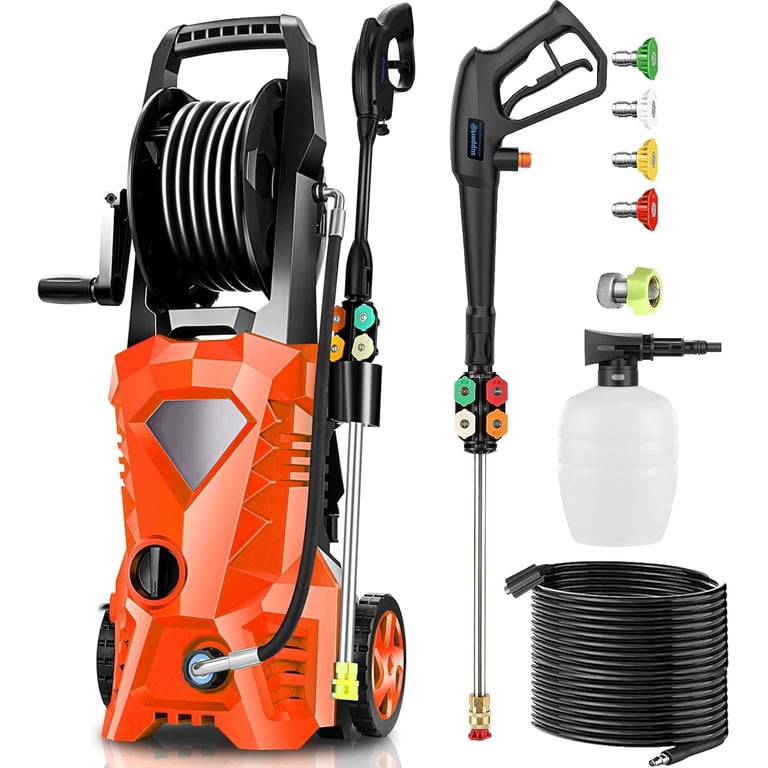
Choosing the right equipment makes washing your car easier and safer. The right pressure and flow rate protect your car’s paint and clean it well. Using the wrong tools can cause damage or leave dirt behind. Focus on the type of pressure washer, the nozzle, and extra accessories.
Pressure Washer Types
Electric pressure washers are quiet and good for light cleaning. They usually have lower pressure and flow. Gas pressure washers offer more power for tough dirt. They are louder and heavier. Choose a pressure washer with 1200 to 1900 PSI for cars. A flow rate of 1.2 to 1.6 GPM works best. This balance cleans well without harming paint.
Nozzle Selection
Nozzles control water spray angles and pressure. A 25-degree nozzle works for general cleaning. It covers more area with less force. Use a 40-degree nozzle for delicate parts. Avoid narrow nozzles like 0 or 15 degrees. They produce strong jets that can damage paint. Pick nozzles marked for car washing for safety.
Additional Accessories
Accessories make car washing easier and more effective. Foam cannons help apply soap evenly. Surface cleaners clean flat areas without streaks. Extension wands reach high or low spots. Brushes with soft bristles scrub without scratching. Choose accessories that fit your pressure washer. They save time and protect your car’s finish.
Tips For Safe And Effective Washing
Safe and effective car washing needs some simple tips. These tips help protect your car’s paint and get it clean without damage. Follow these steps for the best results and a shiny finish.
Proper Distance And Angles
Keep the pressure washer nozzle about 12 to 18 inches from the car surface. Too close can damage paint, too far reduces cleaning power. Hold the nozzle at a 45-degree angle. This angle helps remove dirt without pushing water under trims or seals.
Pre-wash Preparations
Start by rinsing the car with plain water. This removes loose dirt and dust. Use a car-safe soap mixed with water in the pressure washer. Avoid harsh chemicals that harm paint or plastic. Cover sensitive parts like air vents and mirrors with plastic bags to keep water out.
Post-wash Care
Rinse off all soap thoroughly with clean water. Dry the car using a soft microfiber towel to avoid water spots. Check for missed dirty areas and clean them gently by hand. Apply wax or sealant for extra protection and shine.
Common Mistakes To Avoid
Washing your car with the right pressure and gallons per minute (GPM) is important. Many people make mistakes that can harm their vehicle’s paint or waste water. Knowing what to avoid helps keep your car safe and clean.
Common errors often come from using too much pressure, wrong nozzles, or ignoring the car and washer guidelines. These mistakes reduce cleaning quality and can cause damage.
Using Excessive Pressure
High pressure can strip paint or cause dents. It may also force water into places it should not go. Use pressure below 1900 PSI for safe cleaning. Too much pressure is risky for delicate surfaces.
Incorrect Nozzle Use
Each nozzle sprays water differently. A narrow spray is strong but can damage paint. A wide spray is gentler but less effective on dirt. Choose the right nozzle for each cleaning step. Using the wrong one wastes time and can harm your car.
Ignoring Manufacturer Guidelines
Car makers give rules about washing to avoid damage. Pressure washers also have user guides for safe use. Ignoring these instructions leads to problems like paint chipping or equipment damage. Always follow the guidelines for both your car and washer.
Credit: www.walmart.com
Environmental Considerations
Choosing the right pressure and gallons per minute (GPM) for washing your car affects the environment. High water use wastes a precious resource. Strong pressure may damage plants or soil around your washing area. It is important to balance cleaning power with eco-friendly practices.
Water Conservation Tips
Use a pressure washer with a GPM of 1.4 to 2.0 to save water. Avoid using a garden hose that runs continuously. Wash your car on grass or gravel to reduce runoff. Turn off the water when not spraying. Use a bucket and sponge for tough spots to cut water use.
Eco-friendly Detergents
Choose biodegradable soaps made for cars. These break down faster and harm less wildlife. Avoid harsh chemicals that pollute water and soil. Look for labels saying “phosphate-free” or “non-toxic.” Using mild detergents protects fish and plants near your home.
Disposal Of Runoff
Runoff water contains dirt and soap that can pollute lakes and rivers. Never wash your car near storm drains. Let runoff soak into grass or soil to filter naturally. Collect excess water with a drain mat or bucket. Dispose of dirty water at a car wash or service center.

Credit: www.obsessedgarage.com
Frequently Asked Questions
What Is The Ideal Pressure For Washing A Car?
The ideal pressure for washing a car is between 1200 and 1900 PSI. This range cleans effectively without damaging the paint or trim. Higher pressures risk stripping wax or causing dents, while lower pressures may not remove dirt efficiently.
How Many Gpm Should A Pressure Washer Have?
A pressure washer with 1. 4 to 1. 6 GPM is optimal for car washing. This flow rate balances cleaning power and water usage. It ensures grime removal without excessive water waste or surface damage.
Can High Pressure Damage Car Paint?
Yes, high pressure above 2000 PSI can damage car paint. It may strip protective coatings and cause scratches or dents. Always use moderate pressure and maintain a safe distance when washing to protect the vehicle’s finish.
Why Is Gpm Important In Car Washing?
GPM (gallons per minute) measures water flow, affecting cleaning efficiency. Higher GPM helps rinse dirt faster but uses more water. Proper GPM ensures effective cleaning without wasting water or harming the car’s surface.
Conclusion
Choosing the right pressure and GPM keeps your car safe and clean. Too much pressure can damage paint. Too little pressure may leave dirt behind. A good balance cleans well without harm. Use about 1200 to 1900 PSI and 1.
4 to 1. 6 GPM. This range works best for most cars. Remember, gentle and steady wins the wash. Clean your car often for the best shine. Simple tools and the right settings make all the difference. Keep your car looking fresh with care and the right pressure.