
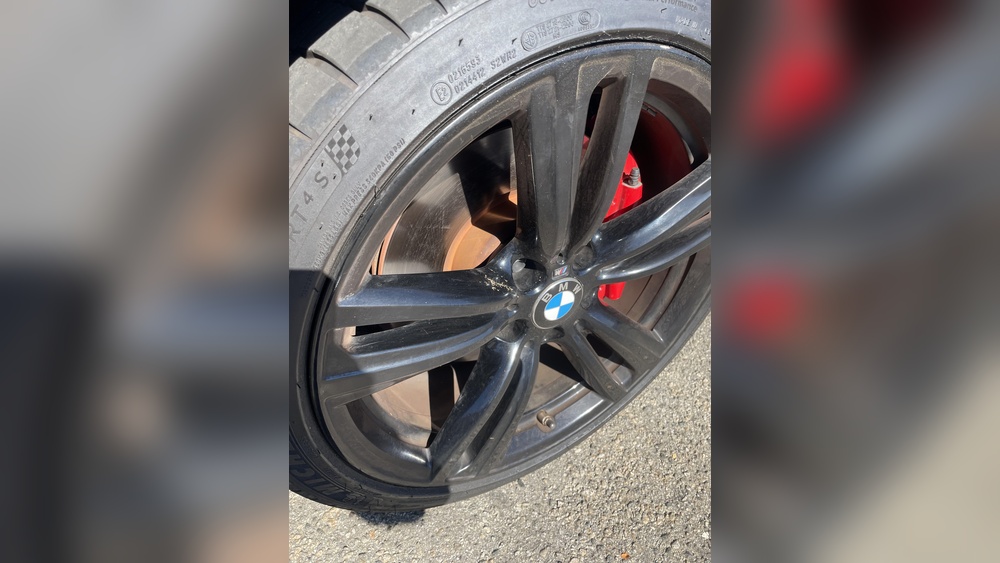
If you’ve noticed a build-up of brake dust on your rotors, you’re not alone—and it’s something you should tackle sooner rather than later. That layer of grime doesn’t just look bad; it can affect your car’s performance and safety.
But don’t worry, cleaning brake dust off your rotors is easier than you might think. In this guide, you’ll discover simple, effective steps to get your rotors looking clean and working smoothly again. Keep reading, and you’ll soon know exactly how to protect your vehicle and keep it running at its best.

Credit: www.reddit.com
Why Brake Dust Builds Up
Brake dust builds up on rotors every time you use your brakes. It happens because of the friction between brake pads and rotors. This dust is a mix of tiny metal particles and brake pad material. Over time, this dust sticks to the rotor surface and creates a dirty layer.
Sources Of Brake Dust
Brake dust mainly comes from the brake pads and rotors rubbing together. As the brake pads press against the rotors, small bits of both wear off. These tiny particles float in the air and settle on the rotors. Some brake pads produce more dust than others, especially older or cheaper types.
Impact On Brake Performance
Brake dust can reduce the smoothness of braking. The dust layer creates extra friction and heat. This can cause brake fade or longer stopping distances. If dust builds up a lot, it may damage the rotors and pads. Clean rotors help brakes work better and last longer.
Appearance And Maintenance Concerns
Brake dust makes wheels look dirty and worn out. It sticks hard to the rotors and rims. Regular cleaning keeps your wheels looking fresh. It also prevents dust from harming the brake parts. Cleaning brake dust is a simple part of car care.
Tools And Materials Needed
Cleaning brake dust off rotors requires the right tools and materials. These supplies make the job easier and safer. Having everything ready saves time and avoids mistakes. Below is a list of what you need for this task.
Essential Cleaning Supplies
- Brake cleaner spray – removes dust and grime quickly
- Microfiber cloths – gentle on rotors and absorb dirt
- Soft-bristle brush – helps scrub without scratching
- Water – rinses off loosened dust and cleaner residue
- Bucket – holds water for rinsing cloths and brushes
Safety Gear To Use
- Gloves – protect hands from chemicals and dirt
- Safety goggles – shield eyes from spray and dust
- Mask – prevents inhaling brake dust particles
- Long sleeves – protect arms from splashes
Optional Tools For Tough Cleaning
- Wire brush – removes stubborn rust or dirt
- Compressed air – blows away dust from hard-to-reach spots
- Plastic scraper – lifts stuck debris without damage
Preparing Your Vehicle
Before cleaning brake dust off your rotors, prepare your vehicle carefully. Proper preparation makes the job safer and easier. It also helps you avoid damage to your car and yourself. Follow these steps to get ready.
Parking And Securing The Car
Park your car on a flat, stable surface. Avoid slopes or uneven ground. Turn off the engine and set the parking brake. Place wheel chocks behind the wheels that stay on the ground. This stops the car from rolling while you work.
Removing The Wheels Safely
Loosen the lug nuts slightly before lifting the car. Use a jack to raise the car carefully. Support it with jack stands to keep it steady. Remove the lug nuts completely and take off the wheels. Keep the nuts in a safe place for reassembly.
Inspecting The Rotors
Look at the rotors closely for damage or wear. Check for deep grooves, cracks, or rust buildup. Clean off loose dirt or dust with a dry cloth. This helps you see the surface clearly. Note any areas that may need extra cleaning or repair.
Step-by-step Cleaning Process
Cleaning brake dust off rotors helps maintain braking performance and safety. Follow these simple steps for a thorough clean. Use the right tools and products for best results. Take your time to do each step carefully.
Applying Brake Cleaner
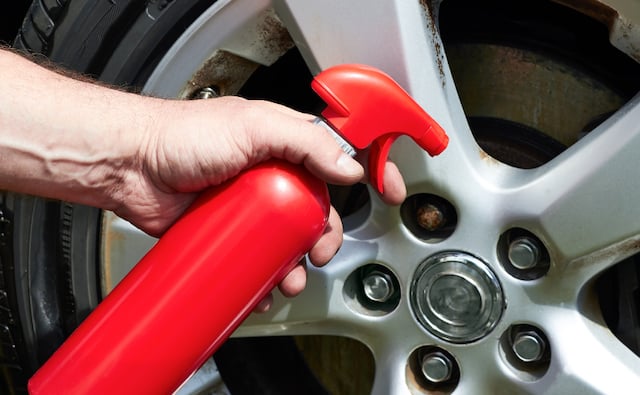
Start by spraying brake cleaner directly on the rotor surface. Use enough cleaner to cover all dusty areas. Brake cleaner removes grease and brake dust quickly. Avoid touching the rotor after spraying. Let the cleaner soak for one to two minutes.
Scrubbing The Rotors
Use a soft brush or sponge to scrub the rotor. Gently scrub in circular motions to remove dirt and dust. Avoid hard scrubbing that may scratch the rotor. Focus on areas with heavy brake dust buildup. Make sure to clean both sides of the rotor.
Rinsing And Drying
Rinse the rotor with clean water to wash off cleaner and dirt. Use a hose or a bucket of water for rinsing. Shake off excess water and dry the rotor with a clean cloth. Let the rotor air dry completely before reassembling. Dry rotors prevent rust and ensure safe braking.
Tips For Preventing Future Buildup
Preventing brake dust buildup on rotors helps keep brakes working well. Clean rotors last longer and look better. Small steps can make a big difference. Follow these tips to reduce dust and keep rotors clean.
Regular Cleaning Schedule
Clean rotors regularly to stop dust from piling up. Use a soft brush and brake cleaner. Avoid harsh chemicals that can damage the rotor. Set a cleaning routine after every few drives. This keeps dust from hardening on the surface.
Using High-quality Brake Pads
Choose brake pads that produce less dust. Ceramic pads are a good option. They wear down slowly and create less residue. Avoid cheap pads that break down quickly. High-quality pads protect your rotors and reduce cleaning time.
Driving Habits That Help
Drive smoothly to reduce brake dust. Avoid hard stops and quick braking. Slow down gradually to lower dust creation. This also helps your brakes last longer. Gentle driving keeps rotors cleaner for a longer time.

Credit: www.youtube.com
When To Seek Professional Help
Cleaning brake dust off rotors is usually straightforward. Some situations need expert help. Knowing when to visit a mechanic saves time and money. It also keeps your car safe on the road.
Signs Of Rotor Damage
Look for deep grooves or cracks on the rotor surface. Warped rotors cause shaking or vibration when braking. Strange noises like squealing or grinding also suggest damage. These signs mean the rotors may need repair or replacement. Avoid driving with damaged rotors to prevent accidents.
Persistent Dust Issues
Brake dust that returns quickly after cleaning may signal a problem. Excessive dust can come from worn brake pads or poor rotor condition. Cleaning alone will not solve this issue. Professional inspection can find the root cause. They can recommend the right fix for lasting results.
Brake System Inspections
Regular brake inspections ensure all parts work well together. Mechanics check rotors, pads, and calipers for wear or damage. They also test brake fluid and system pressure. Early detection of issues keeps brakes reliable and safe. Schedule inspections if you notice any braking problems or every 12,000 miles.
Credit: www.buybrakes.com
Frequently Asked Questions
How Do I Remove Brake Dust From Rotors Safely?
Use a brake cleaner spray and a soft brush to remove brake dust. Avoid harsh chemicals and abrasive tools to protect rotor surfaces and maintain braking performance.
Can I Use Household Cleaners On Brake Rotors?
No, household cleaners can damage rotors. Use products specifically designed for brake cleaning to ensure safe and effective dust removal without harming components.
How Often Should I Clean Brake Dust Off Rotors?
Clean brake dust every few months or during routine brake maintenance. Regular cleaning prevents buildup, improves braking efficiency, and extends rotor lifespan.
Is It Necessary To Remove Wheels To Clean Rotors?
Yes, removing wheels gives full access to rotors, allowing thorough cleaning of brake dust and debris for optimal brake system care.
Conclusion
Cleaning brake dust off rotors keeps your car safe and smooth. Use the right tools and gentle cleaners for best results. Regular cleaning prevents damage and improves braking performance. Take your time and follow safety steps carefully. Clean rotors help your brakes last longer and work better.
Keep checking them often to avoid buildup. Simple care makes a big difference in vehicle safety. Stay safe on the road with clean, well-maintained rotors.


