

Have you ever noticed the shiny piece right in the center of your car’s wheels and wondered what it is? That small part might seem simple, but it plays a bigger role than you think.
Understanding what this piece is and why it’s there can help you take better care of your car. Keep reading, and you’ll discover everything you need to know about the part that covers your car wheels—and why it matters to you.
Purpose Of Wheel Covers
Wheel covers serve important roles beyond just decorating car wheels. They protect, enhance, and improve the driving experience. Understanding their purpose helps car owners appreciate their value.
Protection From Dirt And Damage
Wheel covers shield wheels from dirt, mud, and road grime. They stop debris from scratching or denting the wheel surface. This protection keeps wheels cleaner and extends their life.
Enhancing Vehicle Appearance
Wheel covers improve the car’s look by adding style and color. They cover plain or damaged wheels, making them look new and fresh. Many designs fit different car styles and tastes.
Improving Aerodynamics
Wheel covers help reduce air drag around the wheels. This can lead to better fuel efficiency and smoother driving. Cars with covers often move more easily through the air.
Types Of Wheel Covers
Wheel covers protect and decorate car wheels. They come in different types. Each type has unique features and styles. Knowing the types helps you choose the right cover for your car.
Below are the main types of wheel covers used on cars today.
Hubcaps
Hubcaps are simple covers that snap onto the wheel center. They protect the lug nuts and wheel hub from dirt and rust. Hubcaps are usually made of plastic or metal. Most factory cars come with basic hubcaps. They are affordable and easy to replace.
Wheel Trims
Wheel trims cover the entire wheel rim. They give a cleaner and more polished look. These trims are often made of plastic but can look like metal. Wheel trims protect the wheel edges from scratches. They are popular for improving the car’s style without changing wheels.
Custom Wheel Covers
Custom wheel covers are designed for style and uniqueness. They come in various designs, colors, and materials. Many car owners choose custom covers to match their car’s look. Custom covers can be made from metal or high-quality plastic. They add personality to the wheels and car overall.
Materials Used For Wheel Covers
Wheel covers protect car wheels and add style. They come in various materials. Each material offers unique benefits. Choosing the right one depends on budget and needs.
Plastic Covers
Plastic is the most common material for wheel covers. It is lightweight and affordable. Plastic covers resist rust and corrosion. They are easy to replace if damaged. Plastic also allows many designs and colors.
Metal Covers
Metal covers are strong and durable. They often use aluminum or stainless steel. Metal resists dents and scratches better than plastic. These covers give a shiny, high-end look. Metal covers weigh more and cost more too.
Composite Materials
Composite covers combine plastic with other materials. They offer a good balance of strength and weight. Composites resist heat and impact well. These covers last longer than pure plastic ones. They also provide unique styles and finishes.

Credit: www.reddit.com
How To Choose The Right Wheel Cover
Choosing the right wheel cover is key for your car’s look and protection. The right cover fits well, lasts long, and matches your style. This guide helps you pick the best wheel cover for your needs.
Matching Size And Fit
Wheel covers come in different sizes. Check your car’s wheel size before buying. A cover too big or small will not stay on. Use the size number on your tire sidewall as a guide. Proper fit keeps the cover secure while driving.
Style And Design Options
Wheel covers offer many styles. Some look sporty, others classic or modern. Choose a design that matches your car’s color and shape. Simple designs suit most cars. Bright or unique patterns add a personal touch.
Durability And Maintenance
Choose wheel covers made of strong material like plastic or metal. Good covers resist scratches and weather damage. Easy-to-clean covers save time. Regular washing keeps them looking new. Avoid covers that fade or crack quickly.
Installation And Removal Tips
The piece that covers car wheels, often called a hubcap or wheel cover, needs proper care during installation and removal. This ensures it fits well and stays safe on the wheel. Knowing the right tools and steps helps protect both the cover and your wheels. Here are simple tips to install and remove these covers easily and safely.
Tools Needed
Use a flathead screwdriver or a plastic pry tool. A rubber mallet can help fit the cover without damage. Gloves protect your hands from sharp edges. Have a clean cloth to wipe dirt before installation. Avoid metal tools that can scratch the cover or wheel.
Step-by-step Installation
First, clean the wheel surface. Align the cover’s clips with the wheel holes. Press the cover gently but firmly into place. Tap edges softly with a rubber mallet if needed. Check that the cover sits flush and does not wobble. Avoid forcing it to prevent cracks.
Safe Removal Techniques
Use a plastic pry tool to gently lift the cover edge. Work slowly around the cover’s circumference. Avoid bending or breaking clips by applying even pressure. Keep fingers clear to avoid pinching. Store the cover safely to prevent scratches after removal.

Credit: www.reddit.com
Common Issues And Fixes
Wheel covers protect car wheels and enhance their look. Over time, they face common problems. These issues can affect safety and appearance. Understanding these problems helps keep wheel covers in good shape.
Loose Wheel Covers
Loose wheel covers can fall off during driving. This happens if clips or fasteners wear out. Fix by checking the clips for damage. Replace broken clips with new ones. Press the cover firmly to secure it back.
Cracks And Breakage
Cracks occur from impact or rough roads. Broken covers lose their protective function. Small cracks can be repaired with glue made for plastic. Large breaks need a full replacement. Regular inspection catches cracks early to prevent bigger damage.
Fading And Discoloration
Sunlight and weather cause fading over time. Discolored covers look old and dull. Clean covers with mild soap and water regularly. Use plastic restorer products to bring back shine. Replace covers if discoloration is severe and cannot be fixed.
Cost And Availability
The piece that covers car wheels is called a wheel cover or hubcap. It protects the wheel and adds style to the car. The cost and availability of wheel covers vary depending on the material, design, and brand.
Many people want a good balance between price and quality. Wheel covers come in many options to fit different budgets and needs. Finding the right one is easier with some knowledge about pricing and where to buy them.
Budget-friendly Options
Basic wheel covers are affordable and easy to find. These are usually made of plastic and come in simple designs. They cost between $10 and $30 per wheel. These covers work well to protect wheels from dirt and scratches. They also give the car a neat, clean look without high costs.
Premium Wheel Covers
Premium wheel covers are made of metal or high-quality plastic. They often have unique designs or finishes, like chrome or brushed metal. Prices can range from $50 to over $100 per wheel. These covers offer better durability and a stylish appearance. They are ideal for car owners who want to improve their vehicle’s look.
Where To Buy
Wheel covers are available at many places. Auto parts stores carry a wide range of options. Online shops offer more variety and often better prices. Car dealerships also sell wheel covers, especially for specific car models. Check local stores and websites to compare prices and styles before buying.
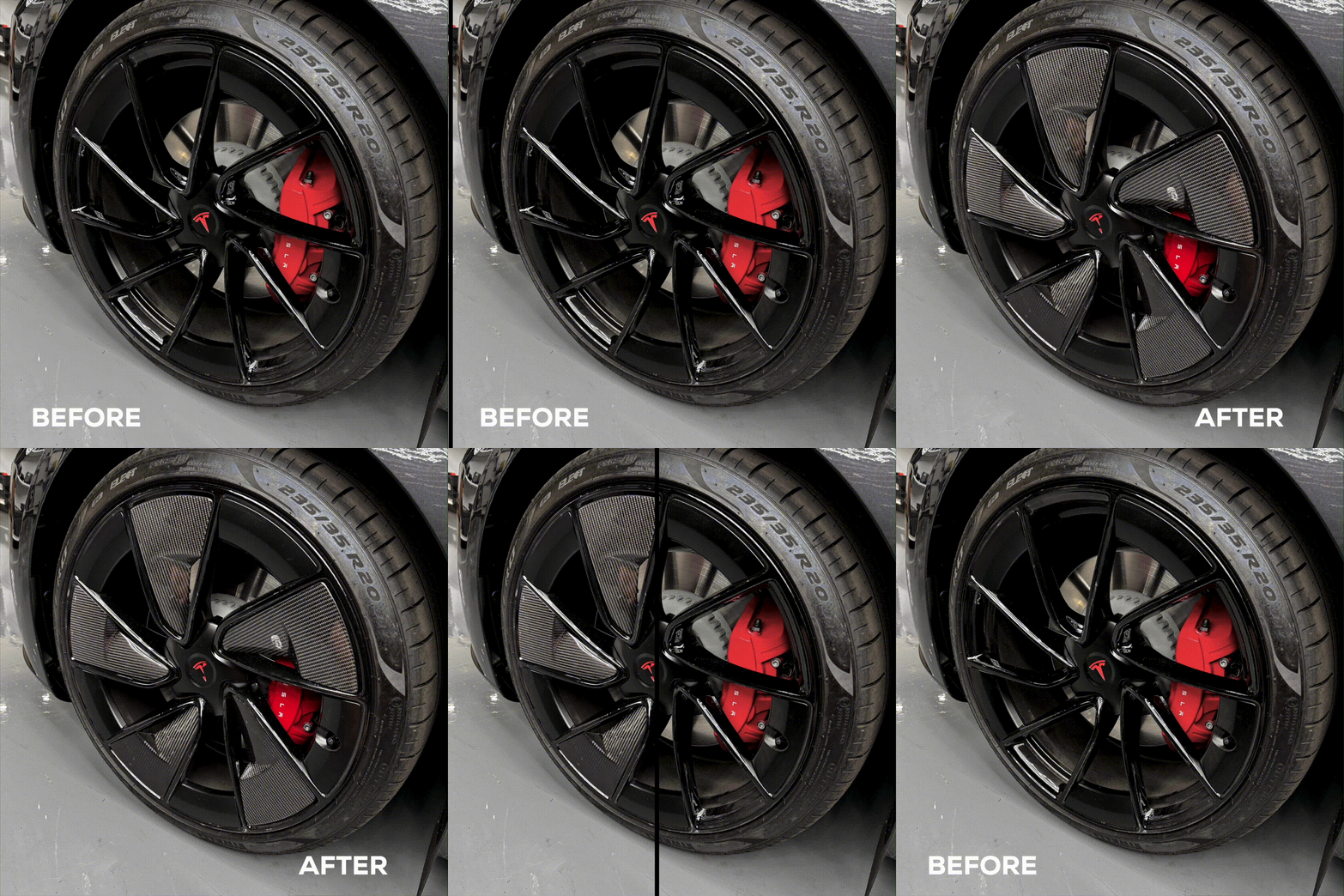
Credit: www.rpmtesla.com
Maintaining Wheel Covers
Wheel covers protect your car wheels and improve their look. Keeping them clean and safe helps your car appear neat. Regular care stops damage and extends the life of wheel covers. Simple steps make maintenance easy and effective.
Cleaning Tips
Use a soft cloth or sponge for cleaning. Mild soap and water work best. Avoid harsh chemicals that can dull the finish. Rinse thoroughly to remove all soap. Dry with a soft towel to prevent water spots.
Preventing Damage
Drive carefully over rough roads to avoid scratches. Avoid hitting curbs that can crack covers. Check wheel covers after long trips for damage. Tighten loose covers to stop rattling and loss. Replace broken clips to keep covers secure.
Storage Suggestions
Store wheel covers in a cool, dry place. Keep them away from direct sunlight to prevent fading. Wrap covers in soft cloth to avoid scratches. Stack covers carefully to save space. Label stored covers for easy finding later.
Frequently Asked Questions
What Is The Piece That Covers Car Wheels Called?
The piece that covers car wheels is called a hubcap or wheel cover. It protects the wheel hub and adds style.
Why Do Cars Have Hubcaps Or Wheel Covers?
Hubcaps protect wheel components from dirt and damage. They also improve the car’s appearance and can be replaced easily.
Can Hubcaps Affect Car Performance Or Safety?
Hubcaps mainly serve cosmetic and protective roles. They do not impact car performance or safety but keep wheels cleaner.
How Do You Remove And Install A Hubcap Properly?
To remove, use a flat tool or pry bar gently. Align the hubcap with wheel bolts to install securely.
Conclusion
Car wheel covers protect and style your wheels. They keep dirt and dust away. These covers also help prevent damage. Many types exist, fitting different car models. Choosing the right cover improves your car’s look. They are easy to install and remove.
Regular cleaning keeps them looking new. Wheel covers are a small but useful part. They add value without much effort. Consider them for better wheel care and appearance. Simple, practical, and helpful for every car owner.


