

When it comes to washing your car, you might wonder, “What pressure is best for a car wash?” Using too much pressure can damage your paint, while too little might leave dirt behind. Getting this just right can save you time, protect your vehicle, and give you that satisfying clean shine.
You’ll discover the perfect pressure settings to make your car sparkle without causing harm. Keep reading to learn how to wash your car like a pro and avoid common mistakes that many people make. Your car deserves the best care, and it starts with knowing the right pressure to use.

Credit: practicalmotoring.com.au
Ideal Pressure Range
Choosing the right water pressure for washing your car is very important. The ideal pressure range cleans the vehicle well without causing damage. It also saves water and energy. Too low or too high pressure can create problems.
Low Pressure Benefits
Low pressure uses less water and energy. It is gentle on the car’s paint and decals. Dirt and dust can be removed without scratching the surface. It is safe for delicate parts like mirrors and trim. It works well for regular cleaning and light dirt.
High Pressure Risks
High pressure can damage the paint and clear coat. It may push water into seals and cause rust. Strong jets can break mirrors or trim pieces. It can remove wax or protective coatings too fast. Dirt can be forced into small cracks, causing harm.
Recommended Psi For Cars
The best pressure for car washing is between 1200 and 1900 PSI. This range cleans effectively without damage. Use lower PSI for older cars or fragile areas. Higher PSI may be okay for tough grime but use caution. Always keep the nozzle at least 6 inches from the car.
Types Of Pressure Washers
Pressure washers come in different types. Each type suits a specific need. Choosing the right one helps clean your car better. Understanding these types makes your car wash easier and faster.
Electric Models
Electric pressure washers are quiet and easy to use. They run on electricity, so they need a power outlet. These models are light and perfect for small jobs. They work well for regular car washing. Electric washers produce less pressure than gas models.
Gas-powered Models
Gas-powered pressure washers offer more power. They use gasoline engines and do not need electricity. These models are louder but clean tough dirt fast. They are good for large cars and heavy grime. Gas washers are heavier and need more care.
Portable Options
Portable pressure washers are small and easy to carry. They may be battery-powered or have a small motor. These models are great for quick cleaning on the go. Portables fit in car trunks and take little space. They work best for light dirt and fast washes.
Pressure Settings By Surface
Choosing the right pressure setting for each car surface protects your vehicle. Different parts need different pressure levels. Using too much pressure can cause damage. Too little pressure might not clean well. Knowing the right pressure helps clean effectively and safely.
Painted Surfaces
Painted surfaces are delicate. Use low pressure to avoid scratches or paint damage. A setting between 1200 and 1900 PSI works best. Keep the nozzle far from the surface. Move the spray constantly to prevent paint stripping.
Tires And Wheels
Tires and wheels can handle higher pressure. Use 2000 to 3000 PSI to remove dirt and brake dust. Focus on tough spots, but avoid spraying rubber edges too hard. Strong pressure clears grime, but control is key to avoid damage.
Glass And Mirrors
Glass and mirrors need gentle cleaning. Use low pressure, around 1200 PSI or less. High pressure can crack or chip glass. Spray evenly and keep a safe distance. This keeps surfaces clean without causing harm.
Techniques For Effective Cleaning
Effective car washing needs the right techniques. Using the correct pressure makes cleaning easier. It helps remove dirt without damaging the car’s surface. Understanding these methods saves time and protects your vehicle.
Applying the right pressure, choosing the proper nozzle, and using detergents carefully are key steps. Each part plays a role in cleaning well and safely.
Optimal Nozzle Selection
Nozzles control the water spray pattern and pressure. Wide-angle nozzles cover more area with less force. Use these for general cleaning and delicate surfaces. Narrow nozzles provide higher pressure for tough stains. Avoid using high-pressure nozzles on fragile parts. Pick a nozzle based on the dirt level and surface type.
Maintaining Safe Distance
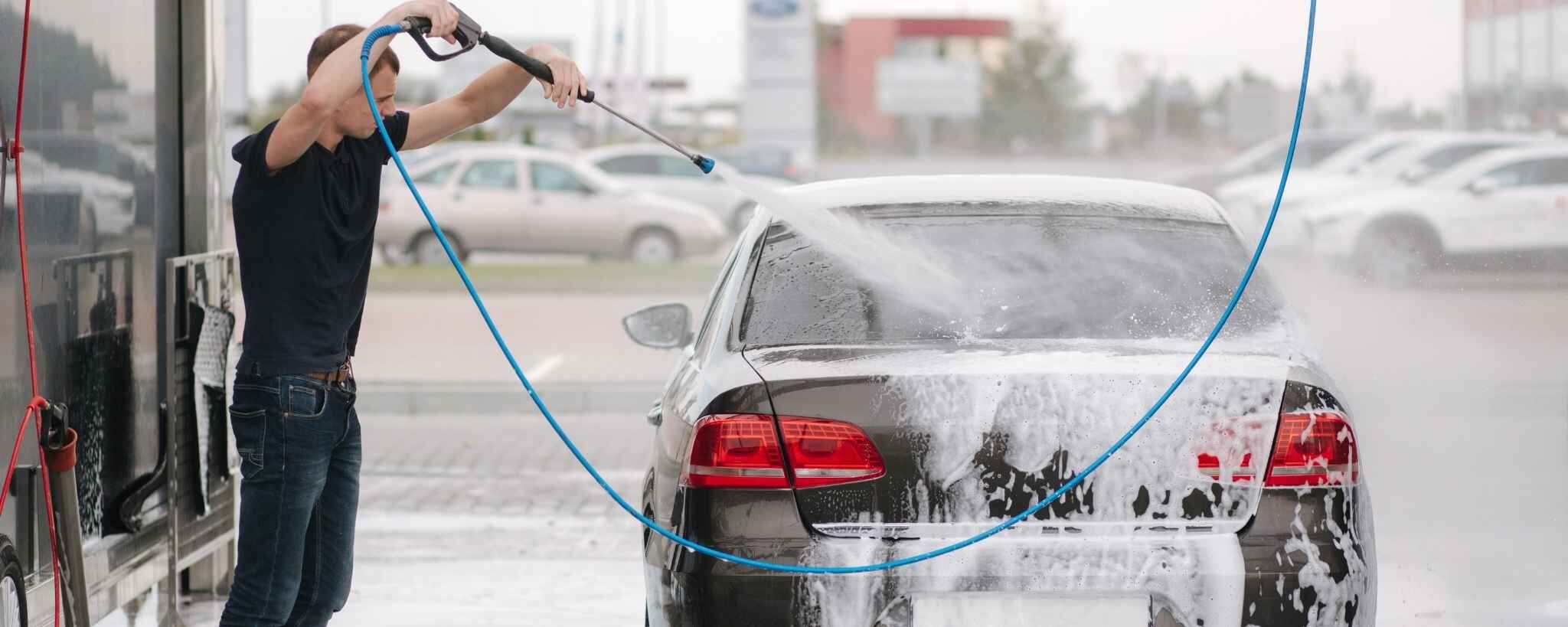
Keep the spray nozzle at a safe distance from the car. Too close can damage paint or trim. Too far reduces cleaning power. Usually, 12 to 18 inches is ideal. Adjust distance according to pressure and nozzle type. Move the spray steadily to avoid water spots.
Using Detergents Safely
Choose detergents made for car washing. Avoid harsh chemicals that strip wax or harm paint. Dilute detergents as instructed on the label. Apply soap before rinsing for better dirt removal. Rinse thoroughly to remove all soap residues. Proper detergent use improves cleaning without damage.
Common Mistakes To Avoid
Choosing the right pressure for a car wash is important. Many people make mistakes that can harm their vehicle or waste time. Avoiding these common errors helps keep your car safe and clean.
Excessive Pressure Damage
Using too much pressure can scratch your car’s paint. It may also cause dents or chip the surface. High pressure can push dirt into small cracks, making damage worse. Always use moderate pressure for a gentle clean.
Ignoring Manufacturer Guidelines
Car makers provide specific advice for washing. Ignoring these rules risks damaging the car’s finish. Some parts need lower pressure than others. Follow the guide to protect your vehicle’s look and value.
Skipping Pre-rinse Steps
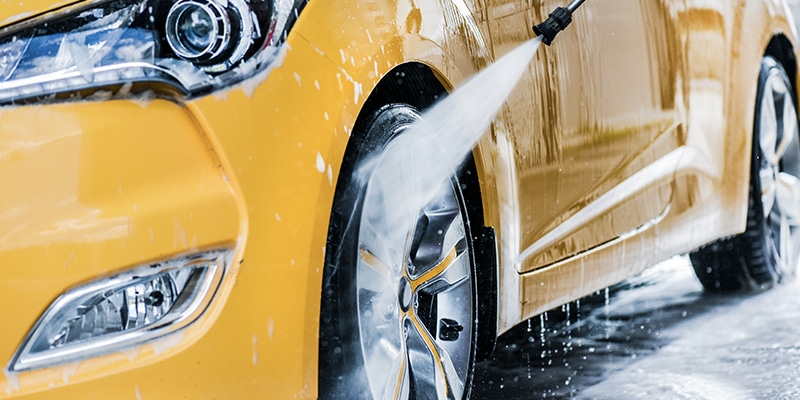
Not rinsing your car before washing traps dirt on the surface. This can create scratches when scrubbing. Pre-rinse removes loose dust and grime. It makes the cleaning process easier and safer for paint.
Credit: washh.com
Maintenance Of Pressure Washer
Proper maintenance keeps your pressure washer working well. It helps avoid problems and extends the tool’s life. Regular care saves money and time on repairs. Focus on key parts like nozzles, hoses, and storage.
Cleaning Nozzles
Nozzles can get clogged with dirt and debris. Cleaning them ensures water flows freely and pressure stays strong. Use a small brush or pin to clear blockages. Rinse nozzles with water after each use to remove residue.
Checking Hoses And Connections
Hoses and connections must be tight and leak-free. Check for cracks, holes, or wear regularly. Replace damaged hoses to avoid water loss and pressure drops. Secure connections prevent accidents and keep the machine safe.
Storing Equipment Properly
Store your pressure washer in a dry, cool place. Avoid exposure to direct sunlight and freezing temperatures. Drain water from hoses and pump before storage. Proper storage prevents rust and damage to parts.
Credit: www.pandahub.com
Frequently Asked Questions
What Pressure Is Ideal For Washing A Car?
The ideal pressure for washing a car is between 1200 and 1900 PSI. This range effectively removes dirt without damaging the paint or trim. Higher pressure risks harming the car’s surface, while lower pressure may not clean thoroughly.
Can High Pressure Damage My Car’s Paint?
Yes, high pressure above 2000 PSI can strip paint and cause scratches. Always use moderate pressure and maintain a safe distance. Using a wider spray nozzle also helps protect your car’s finish during washing.
What Pressure Washer Nozzle Is Best For Car Washing?
A 25-degree or 40-degree nozzle is best for car washing. These nozzles provide a wide, gentle spray that cleans effectively without damaging paint or trim. Avoid narrow nozzles which concentrate pressure and risk surface damage.
How Far Should The Pressure Washer Be From The Car?
Keep the pressure washer nozzle at least 12 to 18 inches away from the car surface. This distance prevents paint damage and ensures even cleaning. Adjust distance based on pressure and dirt level for optimal results.
Conclusion
Choosing the right pressure for car wash protects your vehicle’s paint. Too much pressure can cause damage. Too little pressure may leave dirt behind. A balanced pressure cleans well and keeps your car safe. Always check your washer’s settings before use.
Clean cars look great and last longer. Simple care helps keep your vehicle shining. Remember, the right pressure makes all the difference. Easy steps lead to better results every time.


