Are you tired of spending hours scrubbing your car by hand, only to see streaks and spots left behind? Using a pressure washer can make your car wash faster, easier, and more effective.
But not all pressure washers are safe or suitable for your vehicle. You might wonder which ones can clean your car without causing damage. You’ll discover exactly what pressure washers work best for car washing, how to choose the right one, and tips to protect your car’s finish.
Keep reading to find out how to get that showroom shine with the right pressure washer!
Types Of Pressure Washers For Cars
Pressure washers make car washing easier and faster. They remove dirt and grime without scrubbing hard. Different types of pressure washers suit various needs and budgets. Choosing the right one helps protect your car’s paint and finish.
Electric Pressure Washers
Electric pressure washers are light and easy to use. They work well for small to medium cars. These machines need an electrical outlet nearby. They produce less noise and no fumes. Ideal for home garages and driveways.
Gas Pressure Washers
Gas pressure washers offer more power for tough jobs. They suit larger vehicles or very dirty cars. These washers are portable and do not need electricity. They produce more noise and fumes. Best for outdoor use in open spaces.
Cordless Pressure Washers
Cordless pressure washers run on rechargeable batteries. They provide great freedom to move around. Perfect for quick clean-ups or cars far from power outlets. Their power is less than electric or gas models. Good for light washing and small vehicles.
Key Features For Car Washing
Choosing the right pressure washer for car washing is important. Certain features make the process easier and safer for your vehicle. These features help clean without damaging the paint or delicate parts. Understanding these key features will guide you to the best choice.
Pressure Levels And Psi
Pressure is the force of water coming out of the washer. Measured in PSI, it shows how strong the water spray is. For cars, a lower PSI between 1200 and 1900 is ideal. High pressure can harm the paint or windows. Adjustable pressure settings allow you to use the right power for different car parts.
Nozzle Types And Adjustability
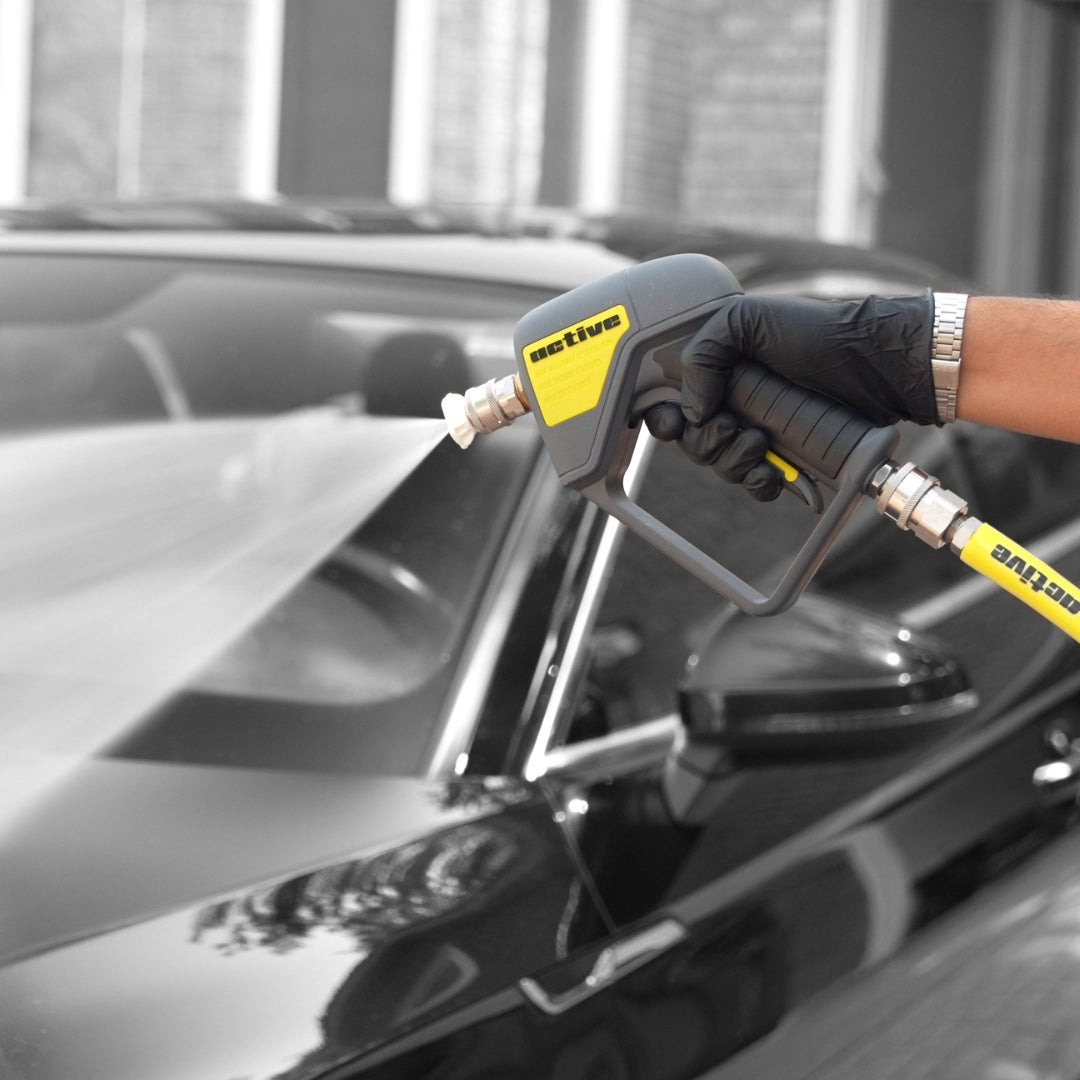
Nozzles control the spray pattern and intensity. Wide-angle nozzles cover more surface gently. Narrow nozzles focus on tough dirt but may damage paint. Look for washers with multiple nozzle options. Adjustable nozzles help switch between soft and strong sprays easily. This flexibility protects your car’s finish.
Portability And Weight
Lightweight pressure washers are easier to move around. Portability matters if you wash cars in different places. Compact models save storage space at home. Handles and wheels improve mobility. Heavy machines may cause fatigue and slow down your cleaning work.
Water Flow Rate
Water flow rate is how much water the washer uses per minute. Measured in gallons per minute (GPM), it affects cleaning speed. Higher flow rates rinse away dirt faster. But too much water can waste resources. A balanced flow rate ensures efficient cleaning without overuse.
Top Electric Pressure Washers
Electric pressure washers are great tools for cleaning cars quickly and well. They use water pressure to remove dirt, grime, and stains without scratching the paint. These machines are easy to use and need less maintenance than gas models. Electric washers are also quieter and lighter, making them perfect for home car washing.
Choosing the right electric pressure washer depends on your budget and cleaning needs. Below are some top picks divided by price range. Each option offers good power and features for washing your car.
Best Budget Options
Budget electric pressure washers provide enough power for light car cleaning. They usually have 1200 to 1500 PSI, which works well for removing dust and mud. These models are compact and easy to store. They often come with simple nozzles and a spray gun. Perfect for those who wash their cars occasionally.
Mid-range Choices
Mid-range electric pressure washers offer more pressure, around 1700 to 2000 PSI. They clean tougher dirt and stains better. These washers have longer hoses and more spray settings. Many come with foam cannons for a soft soap wash. They suit car owners who wash frequently and want better results.
Premium Models
Premium electric pressure washers deliver over 2000 PSI for deep cleaning. They include multiple nozzles and adjustable pressure controls. These models often have built-in detergent tanks and powerful motors. Ideal for car enthusiasts who want professional-level cleaning at home. They handle all dirt types without harming the car’s paint.
Best Gas Pressure Washers
Gas pressure washers offer strong cleaning power for car washing. They handle tough dirt and grime easily. Best gas pressure washers combine power with reliability. They work well for cleaning cars, trucks, and SUVs.
These machines run on gasoline, giving them high pressure and mobility. They are perfect for outdoor use and areas without electricity. Many car owners choose gas pressure washers for their speed and efficiency.
High Power Models
High power gas pressure washers deliver strong water pressure. They remove stubborn dirt and mud from vehicle surfaces. These models often provide pressure above 3000 PSI. This level is ideal for deep cleaning. They also have adjustable spray nozzles for gentle or strong washes.
Durability And Maintenance
Gas pressure washers are built with tough materials. Steel frames and heavy-duty engines increase durability. Regular oil changes keep the engine running well. Clean the water filter to avoid clogs. Proper care extends the washer’s life and performance. These washers handle frequent use and harsh conditions.
Fuel Efficiency
Fuel efficiency matters for longer cleaning sessions. Many gas pressure washers use small, efficient engines. They balance power with lower fuel consumption. This saves money on gasoline over time. Some models include eco-friendly features to reduce emissions. Efficient fuel use helps with both cost and environment.
Cordless Pressure Washer Picks
Cordless pressure washers offer great convenience for washing cars. They run on batteries, so no cords limit movement. These tools suit light cleaning tasks well. You can easily reach all car parts without dragging hoses around. Compact designs make them easy to store and carry. They fit perfectly for quick washes and small jobs.
Battery Life And Charging
Battery life is key in cordless pressure washers. Most models last 20 to 40 minutes per charge. This time suits washing one or two cars comfortably. Charging usually takes 1 to 3 hours. Some washers have removable batteries for fast swapping. Checking battery status helps avoid interruptions during cleaning.
Performance For Light Cleaning
Cordless washers deliver enough pressure for light car cleaning. They remove dirt, dust, and mud gently. Not ideal for heavy grime or grease. Best for regular maintenance and quick rinses. Use soap with low pressure settings for better results. These washers protect paint and delicate surfaces well.
Portability Benefits
Portability is a top advantage of cordless washers. They weigh less than corded models. No need for power outlets nearby. Take them to any spot around the house or garage. Easy to handle for all users, even beginners. Perfect for apartment living or places without outdoor power.
Credit: www.mtmhydroparts.com
Safety Tips For Car Pressure Washing
Pressure washing a car can save time and give a deep clean. Still, safety is key to avoid damage. Using the right techniques keeps the car’s paint and parts safe. Follow these simple tips to protect your car and yourself.
Correct Pressure Settings
Choose a pressure setting that cleans without harm. Use low pressure, around 1200 to 1900 PSI. High pressure can strip paint or dent the body. Check your pressure washer’s manual for car-specific settings.
Safe Distance Techniques
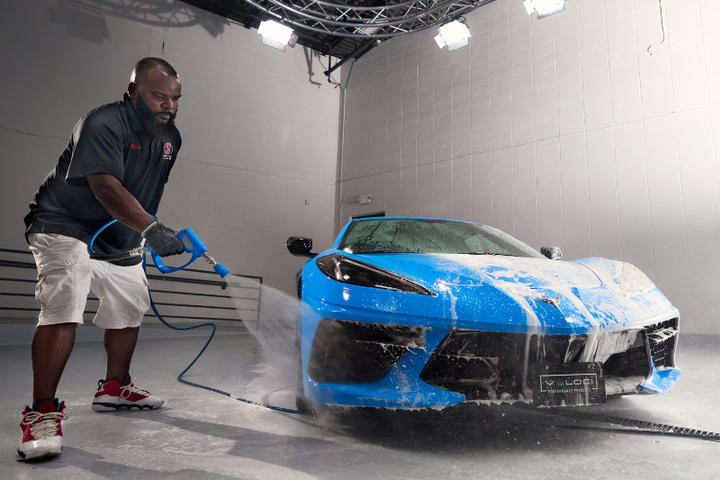
Keep the nozzle at least 12 inches from the car. Too close, and the water can chip paint or break seals. Move the spray in smooth motions, not staying too long in one spot. This avoids damage from concentrated pressure.
Protecting Car Surfaces
Cover sensitive areas like windows, mirrors, and lights. Use gentle detergents made for cars. Avoid harsh chemicals that can fade paint or harm plastic parts. Dry the car with a soft cloth after washing to prevent water spots.
Accessories To Enhance Washing
Pressure washers do more than just spray water. Accessories help improve cleaning and protect your car’s surface. They make washing easier and better. These add-ons work with your pressure washer to remove dirt and grime effectively.
Foam Cannons And Soap Dispensers
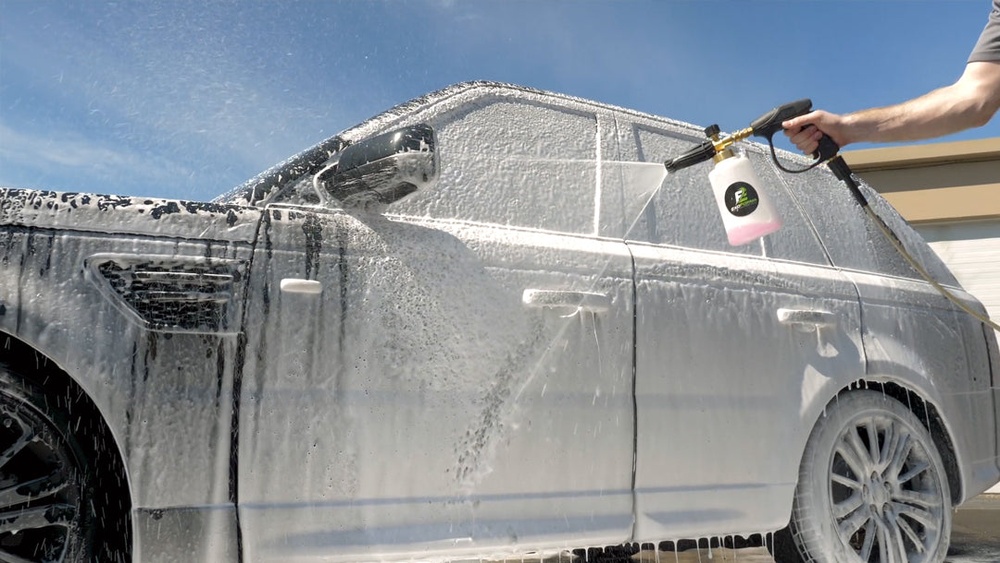
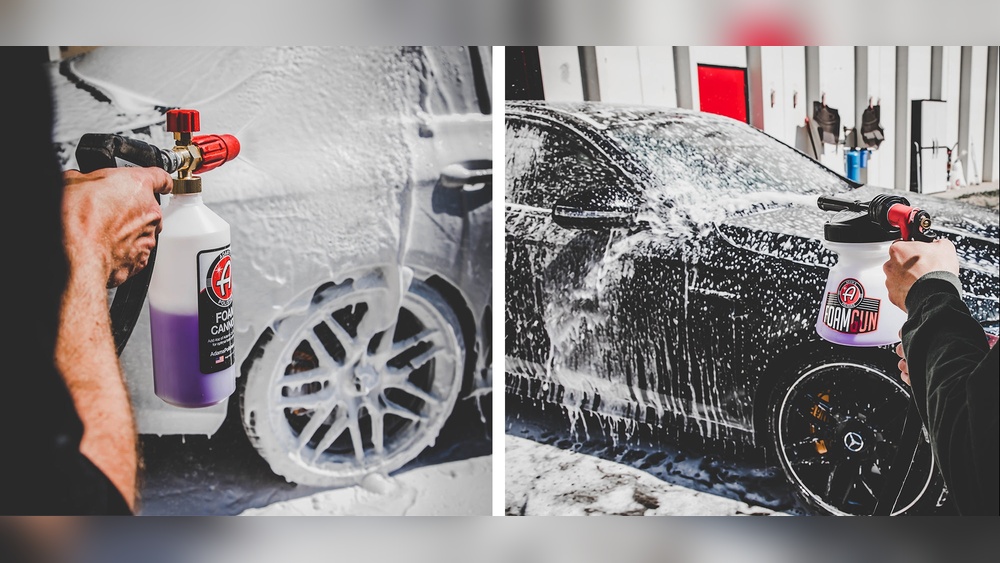
Foam cannons spray thick soap foam on your car. The foam sticks to the surface and loosens dirt. Soap dispensers mix soap with water for thorough cleaning. Both reduce the chance of scratches during washing. They save time and use soap efficiently.
Surface Cleaners
Surface cleaners have rotating arms with nozzles. They clean flat surfaces like car roofs and hoods evenly. These tools prevent streaks and spots on your car. They work well on large areas, making washing faster. Surface cleaners protect paint by controlling water pressure.
Brush Attachments
Brush attachments have soft bristles that scrub dirt gently. They help clean wheels, grills, and tight spots. Brushes avoid damage to paint or glass. They remove stubborn dirt where water alone can’t reach. Using brushes improves the overall cleaning quality.

Credit: www.caranddriver.com
Maintenance For Pressure Washers
Pressure washers need regular care to work well for car washing. Proper maintenance keeps the machine strong and safe. It also helps avoid costly repairs. Simple steps can keep your pressure washer ready for every car cleaning job.
Cleaning And Storage
After each use, rinse the pressure washer with clean water. Remove dirt and soap from the nozzle and hoses. Dry all parts before storing. Store the machine in a dry, cool place. Avoid direct sunlight and cold areas that can freeze water inside.
Troubleshooting Common Issues
Check hoses and connections for leaks or cracks. Listen for unusual sounds from the motor. If pressure drops, clean the nozzle or replace it. Clear clogs in the water inlet filter. Regular checks help spot problems early and fix them fast.
Extending Equipment Life
Use the right fuel and oil for your pressure washer. Change oil as the manual suggests. Avoid running the machine without water. Keep filters clean and replace worn parts quickly. Careful use and regular checks add years to your washer’s life.
Credit: activeproducts.com
Frequently Asked Questions
What Pressure Washer Psi Is Safe For Car Washing?
A pressure washer with 1200-1900 PSI is ideal for car washing. It provides enough power to clean without damaging paint or decals. Using higher PSI may strip paint or cause dents. Always choose a machine with adjustable pressure settings for safety.
Can Electric Pressure Washers Be Used On Cars?
Yes, electric pressure washers are perfect for cars. They offer moderate pressure, are lightweight, and easy to control. Electric models produce less noise and have no emissions, making them environmentally friendly and convenient for home use.
Are Gas Pressure Washers Suitable For Car Cleaning?
Gas pressure washers can clean cars but require caution. They typically have higher PSI, which may damage paint if used improperly. Gas models are powerful and portable but less suitable for delicate car surfaces unless pressure is adjustable.
What Nozzle Type Is Best For Washing Cars?
A 25-degree or 40-degree nozzle is best for cars. These nozzles provide a wide spray to clean gently without harming paint. Avoid using zero-degree nozzles as they concentrate pressure and risk damage.
Conclusion
Pressure washers can make car washing easier and faster. Choose a model with low pressure to protect your car’s paint. Electric pressure washers are good for light cleaning tasks. Gas-powered washers offer more power but need careful handling. Always use the right nozzle and keep a safe distance.
Clean your car gently to avoid damage. With the right pressure washer, your car will shine without much effort. Simple tools and some care bring great results. Try different options to find what works best for you.