

Are you tired of spending hours scrubbing your car, only to see spots and dirt remain? Choosing the right PSI pressure washer can change the way you clean your vehicle forever.
But with so many options out there, how do you know which one will give you the perfect balance of power and safety? You’ll discover exactly what PSI pressure washer is best for your car wash needs. Get ready to save time, protect your paint, and enjoy a sparkling clean ride every time.
Keep reading to find out how to make your car wash easier and more effective!
Why Psi Matters For Car Washing
Choosing the right PSI for your car wash matters a lot. PSI means pounds per square inch. It shows how strong the water pressure is. The right PSI cleans dirt well without hurting the car’s paint. Too low, and the dirt stays. Too high, and it can cause damage.
Psi And Cleaning Power
Higher PSI means stronger water force. It removes tough dirt and grime better. Cars often have mud, bugs, and bird droppings. A good PSI blasts these off quickly. But power alone does not clean everything. The right nozzle and soap also help.
Balancing Pressure And Safety
High PSI can harm car paint or windows. It might peel off wax or scratch surfaces. Low PSI is safer but may need more scrubbing. Most experts suggest 1200 to 1900 PSI for cars. This range cleans well and keeps the car safe. Always test on a small spot first.

Credit: www.caranddriver.com
Ideal Psi Range For Car Washers
Choosing the right PSI for a pressure washer is key for washing cars safely. PSI means pounds per square inch and shows water pressure strength. Too much pressure can harm the car’s paint. Too little pressure might not clean well. The ideal PSI range lets you clean dirt and grime without damage. This range depends on the surface and cleaning needs.
Low Psi Options For Delicate Surfaces
Low PSI washers run between 1,200 and 1,900 PSI. They suit delicate car parts like paint, glass, and trim. This gentle pressure cleans dirt without scratching or peeling paint. Use low PSI for older cars or those with delicate finishes. It also helps clean areas with decals or stickers.
Medium Psi For Everyday Cleaning
Medium PSI ranges from 2,000 to 2,800 PSI. This range works well for regular car cleaning. It removes mud, dust, and bird droppings with ease. Medium pressure balances cleaning power and safety. It fits most cars and trucks without risk of damage.
High Psi And When To Avoid It
High PSI starts at 2,900 PSI and goes up. High pressure can strip paint or cause dents. It is best for very dirty, durable surfaces like concrete. Avoid using high PSI on car surfaces. It can lead to costly repairs and faded paint.
Types Of Pressure Washers
Choosing the right pressure washer for car washing depends on the type of machine. Pressure washers come in two main types: electric and gas. Each type offers unique benefits and suits different needs.
Electric Pressure Washers
Electric pressure washers are light and easy to use. They work well for small car wash jobs. These washers run on electricity, so they need a power outlet nearby.
They produce less noise and no fumes. This makes them ideal for indoor or residential use. Electric models usually have lower PSI, which is safe for car paint.
Maintenance is simple because they have fewer parts. These washers suit people who want a quiet, easy solution.
Gas Pressure Washers
Gas pressure washers are powerful and portable. They use gasoline engines, so they do not need a power source. This makes them perfect for outdoor use.
These washers offer higher PSI, which cleans tough dirt quickly. They are great for big vehicles or heavy grime. Gas models are heavier and louder than electric ones.
Maintenance requires more work, like oil changes and fuel refills. They fit users who need strong pressure and mobility for car washing.
Credit: giraffetools.com
Choosing The Right Nozzle
Choosing the right nozzle is key for washing your car safely and effectively. Nozzles control the water pressure and spray angle. This affects how well dirt and grime come off. Using the wrong nozzle can damage your car’s paint or miss spots. Knowing nozzle types helps you get the best clean without harm.
Nozzle Angles And Their Effects
Nozzle angles range from narrow to wide. A 0-degree nozzle has a very narrow spray. It blasts dirt but can hurt paint easily. Avoid using it on cars. A 15-degree nozzle sprays a strong but wider stream. Good for tough dirt on wheels or mud. A 25-degree nozzle is softer and safe for most car surfaces. It removes dirt without damage. A 40-degree nozzle spreads water widely and gently. Best for rinsing soap off your car.
Tips For Using Nozzles Safely
Keep the nozzle at least 12 inches from the car surface. Closer sprays can cause paint chips. Use the wider angle nozzles on delicate areas like windows and mirrors. Always test spray on a small spot first. Move the nozzle in smooth, even strokes. Avoid focusing water on one spot too long. Turn off the pressure washer before changing nozzles. This prevents accidental injury or damage.
Additional Features To Consider
Choosing the right psi pressure washer for car wash involves more than just power. Features can improve cleaning results and ease of use. Consider these extra options to get the best experience.
Adjustable Pressure Settings
Pressure control helps protect your car’s paint. Lower pressure works for delicate parts. Higher pressure removes tough dirt and grime. Adjustable settings let you switch easily between tasks.
This feature saves time and prevents damage. It also helps clean different vehicle types. From motorcycles to SUVs, adjust pressure for each.
Detergent Injection Systems
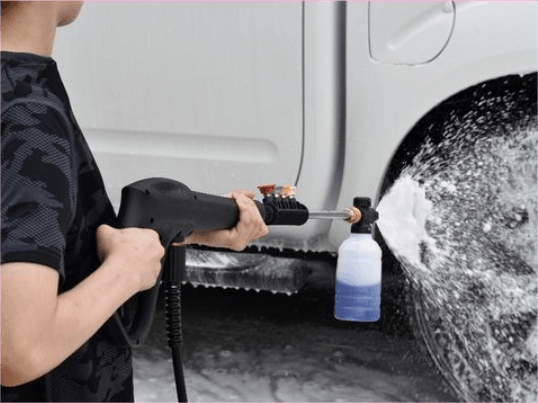
Some washers include a detergent injector. It mixes soap with water automatically. This feature improves cleaning power on stubborn stains.
You use less detergent and save effort. It also makes rinsing quicker. Choose a model with this system for deeper cleaning.
Portability And Weight
Lightweight washers are easier to move around. Portability is key for washing cars in different spots. Look for models with wheels or handles.
A compact, light washer reduces fatigue. It also fits small storage spaces. Balance power with easy transport for best use.
Safety Tips For Using Pressure Washers
Using a pressure washer for car washing can save time and effort. Safety is very important to avoid damage and injury. Follow these tips to keep your car and yourself safe during the wash.
Protecting Your Car’s Paint
Use the right pressure setting for your car’s paint. High PSI can chip or scratch the paint easily. Keep the nozzle at least 12 inches away from the surface. Move the spray in steady, smooth motions. Avoid spraying directly on sensitive areas like mirrors and trim. Test on a small, hidden spot first. Use a wide spray nozzle to reduce paint damage risk.
Personal Safety Measures
Wear protective gear like gloves and safety glasses. Keep children and pets away from the washing area. Never point the pressure washer at yourself or others. Avoid electrical outlets and cords to prevent shocks. Use non-slip shoes to avoid falls on wet surfaces. Read the pressure washer manual before use. Turn off the machine before changing nozzles or cleaning.
Maintenance For Long-lasting Performance
Proper maintenance keeps your psi pressure washer working well for years. It helps avoid costly repairs and keeps your car wash efficient. Regular care improves performance and saves money in the long run.
Cleaning And Storage
After each use, clean the pressure washer thoroughly. Remove dirt and debris from nozzles and hoses. Wipe down surfaces to prevent rust and damage. Drain all water to stop freezing and corrosion inside the machine.
Store the pressure washer in a dry, cool place. Avoid direct sunlight or damp areas. Cover the machine to keep dust and pests away. Proper storage extends the life of your equipment.
Troubleshooting Common Issues
If the pressure washer does not start, check the power source first. Inspect the fuel or battery if applicable. Look for clogged nozzles or filters that block water flow.
Low pressure may mean a dirty filter or worn pump. Replace parts if needed. Strange noises often signal loose or damaged components. Tighten or replace them promptly for safety and performance.

Credit: www.youtube.com
Top Pressure Washer Models For Cars
Choosing the right pressure washer for washing your car is important. The right model cleans effectively without damaging the paint. Different pressure washers offer various psi levels and features. Some focus on affordability, others on power or ease of use. Here are some top pressure washer models for cars.
Budget-friendly Picks
Budget-friendly pressure washers offer good cleaning power at low cost. These models usually have around 1200 to 1500 psi. They use less water, saving money and energy. They work well for light dirt and regular car washes. Brands like Sun Joe and Greenworks offer reliable options. Easy to store and use, they fit small budgets.
High-end Options
High-end pressure washers provide strong power, usually 2000 psi or more. These models remove tough dirt and grime quickly. They come with adjustable nozzles and higher water flow rates. Many include extra accessories for detailed cleaning. Brands like Karcher and Simpson lead this category. Perfect for those who wash cars often and want fast results.
Best For Beginners
Pressure washers designed for beginners are simple and safe to use. They have lower psi, usually under 1500, to avoid paint damage. These models often feature easy controls and lightweight designs. Some come with clear instructions and safety tips. Brands like Ryobi and Worx offer great beginner models. Ideal for first-time users and casual car washers.
Frequently Asked Questions
What Psi Is Ideal For Washing Cars Safely?
A PSI between 1200 and 1900 is ideal for car washing. It cleans effectively without damaging paint or trim. Higher PSI may harm delicate surfaces. Always use a wide spray nozzle to reduce pressure impact.
Can High Psi Damage My Car’s Paint?
Yes, high PSI over 2000 can chip or strip paint. It may also force water into seals causing damage. Use moderate pressure and maintain a safe distance to protect your car’s finish.
How Does Psi Affect Cleaning Power On Cars?
Higher PSI increases water force, improving dirt removal. However, too much pressure risks damage. Balanced PSI ensures efficient cleaning while preserving paint and trim. Choose a washer with adjustable pressure for best results.
Is A Pressure Washer Necessary For Car Washing?
Not always, but it makes cleaning faster and more thorough. It removes stubborn dirt and grime effectively. Choose the right PSI to avoid damage. For regular washing, a garden hose may suffice.
Conclusion
Choosing the right PSI pressure washer helps clean your car well. Too much pressure can damage paint or parts. Too little pressure may not remove dirt fully. A range of 1200 to 1900 PSI suits most car washes. Always test on a small area first.
Use proper nozzles for gentle but effective cleaning. Keep safety in mind while washing. Clean cars look better and last longer. Select a pressure washer that fits your needs and budget. Simple care makes your car shine every time.


