Looking for the perfect pressure washer to keep your car spotless? Choosing the right PSI pressure washer can make all the difference between a quick rinse and a deep, sparkling clean.
You want something powerful enough to remove dirt and grime but gentle enough to protect your car’s paint. You’ll discover exactly what PSI level works best for your car washing needs. By the end, you’ll know how to pick the ideal pressure washer that saves you time, effort, and keeps your car looking its best.
Ready to find out which PSI is right for you? Let’s dive in!

Credit: www.ryobitools.com
Why Psi Matters For Car Washing
PSI, or pounds per square inch, shows the pressure level of a washer. This number matters a lot when washing cars. The right PSI cleans well without harming your car’s paint. Too low or too high can cause problems. Understanding PSI helps you choose the best pressure washer for your car.
Impact Of Psi On Cleaning Efficiency
Higher PSI means stronger water force. It removes dirt and grime faster. A good PSI level cleans tough stains and bugs easily. Low PSI may need more time and effort. It might not clean deep dirt well. Right PSI saves time and uses less water.
Risks Of Using Incorrect Psi Levels
Too much PSI can damage car paint and decals. It may cause scratches or peel off paint. Low PSI may not remove dirt fully. Dirt left on the car can cause scratches later. Using the correct PSI protects your car and cleans it well.
Ideal Psi Range For Cars
Choosing the right PSI for washing your car is important. Too much pressure can harm the paint and delicate parts. Too little pressure may not clean well. The ideal PSI range helps clean effectively without damage. Most cars do well with a moderate pressure level. This range keeps your car safe and shiny after every wash.
Recommended Psi For Different Car Surfaces
Soft surfaces like car paint need lower PSI. Around 1200 to 1900 PSI works well here. It removes dirt without scratching the surface. Wheels and tires can handle more pressure. A PSI of 2000 to 2500 is good for tough grime. Glass and windows need gentle cleaning. Use lower PSI to avoid cracks and damage.
Adjusting Psi Based On Dirt And Grime
Light dirt requires lower pressure to avoid damage. Use 1200 to 1600 PSI for dust and light mud. For thick mud or stubborn stains, increase PSI carefully. A range of 1800 to 2200 PSI helps remove tough grime. Always start with low pressure and raise it slowly. This way, you protect your car’s surface while cleaning well.
Types Of Pressure Washers For Cars
Choosing the right pressure washer for your car is important. Different types offer different features and power levels. Knowing these types helps you pick the best tool for cleaning your vehicle safely and effectively.
Pressure washers vary by power source, size, and portability. Each type suits different needs and budgets. Understanding these options makes car washing easier and more efficient.
Electric Vs Gas Pressure Washers
Electric pressure washers are quiet and easy to use. They work well for light to medium car cleaning jobs. These models need less maintenance and have no fumes. They are best for home use and small vehicles.
Gas pressure washers are powerful and more mobile. They deliver higher pressure for tough dirt and grime. These machines work without needing an electrical outlet. Ideal for heavy-duty cleaning or large vehicles.
Portable And Compact Models
Portable pressure washers are small and easy to carry. They fit well in small garages or storage spaces. Compact models often run on batteries or electricity. These are perfect for quick washes and travel use.
Though smaller, these washers still provide enough pressure for cars. They help reach tight spots and clean delicate areas. Great for people who want convenience without losing cleaning power.
Choosing The Right Pressure Washer
Choosing the right pressure washer for your car is important for safe and effective cleaning. Not all pressure washers work well on car surfaces. The right one cleans dirt and grime without harming the paint or parts. It helps keep your car looking new and shiny.
Factors To Consider Before Buying
Check the pressure level, measured in PSI (pounds per square inch). Lower PSI is better for cars to avoid damage. A range between 1200 and 1900 PSI works well for most vehicles. Look for washers with adjustable pressure settings for control.
Consider the water flow rate, shown as GPM (gallons per minute). Higher GPM means faster cleaning but may waste water. Choose a model with a balanced flow to clean efficiently without wasting water.
Think about the power source. Electric washers are quiet and easy to use. Gas-powered ones are stronger but heavier and noisier. Choose based on where you will clean your car.
Check the weight and size of the washer. A lightweight model is easy to carry and store. A compact size fits small garages and tight spaces.
Best Features For Car Cleaning
Look for a pressure washer with multiple nozzle tips. Different nozzles adjust the spray angle and pressure. A 25-degree or 40-degree nozzle works best for gentle car washing.
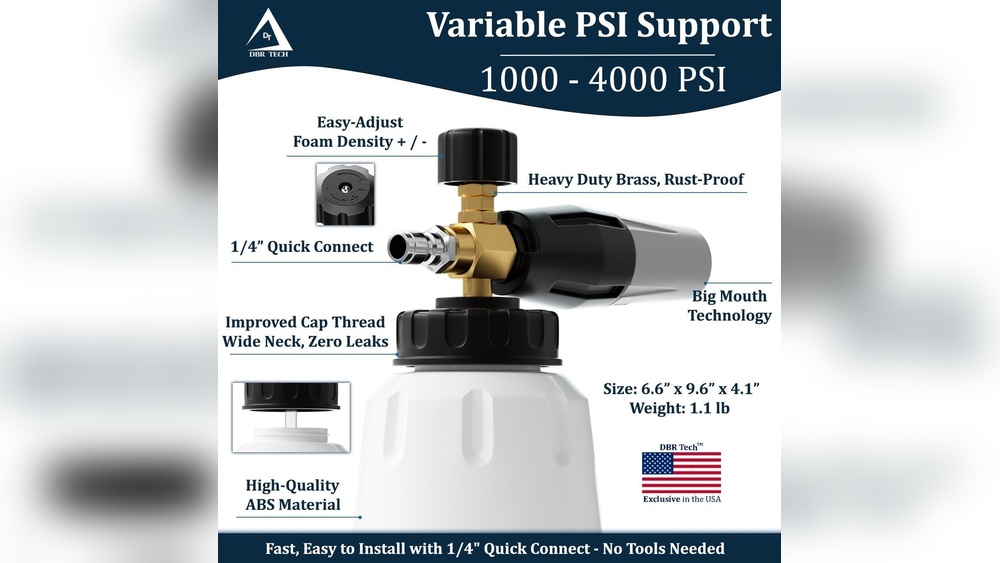
Choose a washer with a soap dispenser or foam cannon. It helps apply soap evenly and loosens dirt. This feature saves time and improves cleaning results.
Find a model with an adjustable wand. It lets you change spray distance and angle. This flexibility helps clean hard-to-reach spots on your car.
Safety features like an automatic shut-off system protect the motor. They stop water flow when you release the trigger. This saves energy and extends the washer’s life.
Techniques For Perfect Car Cleaning
Cleaning a car with a pressure washer needs care and the right methods. Using the right techniques helps avoid damage and keeps the car’s paint safe. The power of the pressure washer must be controlled. Proper steps make the cleaning effective and safe.
Focus on how far to hold the nozzle and the angle of the spray. Choose the right detergents and tools made for cars. These steps protect the car’s surface and bring a fresh shine.
Proper Distance And Angle
Keep the pressure washer nozzle about 12 to 18 inches from the car. Closer distance can harm the paint or cause scratches. Hold the nozzle at a 45-degree angle. This angle removes dirt better without forcing water inside car parts. Move the spray slowly to cover all spots evenly. Avoid staying too long in one place to prevent paint damage.
Safe Detergents And Accessories
Use detergents made for car cleaning only. Harsh chemicals can strip paint or leave stains. Choose foam cannon or soft brushes to apply soap gently. Avoid using metal brushes or strong acids. These can scratch or harm the car’s finish. Always rinse the car after using detergent to remove all soap. This keeps the surface clean and safe.
Common Mistakes To Avoid
Choosing the right PSI pressure washer for your car is important. Many people make mistakes that can damage their vehicle or reduce the washer’s effectiveness. Avoiding these common errors will help you clean your car safely and well.
Using Too High Psi
High PSI can harm your car’s paint and parts. Strong pressure can cause scratches or peel paint. Use a lower PSI setting made for cars. It cleans well without damage.
Start with a gentle spray and test on a small area. Increase pressure only if needed. This protects your car and keeps it looking good.
Ignoring Manufacturer Guidelines
Every pressure washer has instructions. These include the right PSI and nozzle type for cars. Ignoring them risks damage or poor cleaning results.
Read the manual before use. Follow all safety and operating steps. This keeps your car safe and your washer working longer.
Maintenance Tips For Pressure Washers
Keeping your pressure washer in good shape extends its life and improves performance. Regular maintenance prevents breakdowns and costly repairs. Simple steps can keep your machine ready for cleaning your car anytime.
Cleaning And Storage
After each use, rinse the detergent tank and hose with clean water. Remove dirt and debris from the nozzle and filters. Wipe down the machine to prevent rust and buildup. Store the washer in a dry place, away from direct sunlight. Drain all water from the pump and hose to avoid freezing damage. Cover the pressure washer with a cloth to keep dust away.
Troubleshooting Common Issues
Check the water supply if the pressure is low. Clogged nozzles reduce spray power and need cleaning. Inspect hoses for leaks or cracks that affect pressure. If the machine does not start, check the power source or fuel. Strange noises may mean a worn pump or motor problem. Tighten loose parts to avoid vibrations and damage.

Credit: www.youtube.com

Credit: www.ryobitools.com
Frequently Asked Questions
What Psi Is Best For Washing Cars?
A PSI range of 1200 to 1900 is ideal for cars. It effectively cleans without damaging paint or delicate parts. Higher PSI might remove dirt faster but risks harming the surface.
Can High Psi Damage Car Paint?
Yes, PSI above 2000 can strip paint or cause scratches. Always use moderate pressure to protect your vehicle’s finish. Adjust PSI according to the car’s surface and dirt level.
How To Choose The Right Pressure Washer Psi?
Consider your car’s paint type and dirt severity. Choose a washer with adjustable PSI between 1200-1900 for versatility. This range balances cleaning power and safety for most vehicles.
Is Electric Or Gas Pressure Washer Better For Cars?
Electric washers are quieter, lighter, and easier to use for cars. Gas models offer higher PSI but risk damaging paint if not controlled. For most car washing, electric pressure washers suffice.
Conclusion
Choosing the right PSI pressure washer protects your car’s paint and finish. Too much pressure can cause damage. Too little pressure might not clean well. Most cars do well with 1200 to 1900 PSI. Use gentle nozzles for delicate areas.
Regular washing helps keep your car looking fresh. A good pressure washer saves time and effort. Remember, balance is key for safe, effective cleaning.