

Have you ever wondered what side mold does to your body? It’s something many people overlook, but the effects can be surprising—and even serious.
You might think mold is just a harmless nuisance, but it can actually impact your health in ways you don’t expect. If you want to protect yourself and your loved ones, understanding how side mold affects your body is key.
Keep reading to discover the hidden dangers and learn what you can do to stay safe and healthy.
What Is Side Mold?
Side mold is a type of fungus that grows indoors. It usually appears on walls, ceilings, or near windows. This mold thrives in damp, humid areas. It spreads through tiny spores in the air. These spores can cause health problems when inhaled.
Understanding side mold helps protect your health and home. It is important to recognize its presence early. This section explains what side mold is and why it matters.
Side mold is a common indoor mold species. It grows in places with moisture and poor ventilation. It looks like small patches, often gray, black, or green. This mold can develop on wood, wallpaper, and fabric.
How Does Side Mold Grow?
Side mold grows quickly in damp environments. Leaking pipes, roof leaks, or high humidity cause mold growth. The spores settle on wet surfaces and multiply. Warm temperatures help the mold spread faster.
Where Is Side Mold Found?
Side mold appears in bathrooms, kitchens, and basements. It can also grow behind walls or under carpets. Poor air circulation and water damage increase mold risk. Regular checks in these areas can catch mold early.
Common Sources Of Side Mold
Side mold grows in places with moisture and poor air flow. It spreads quickly on damp surfaces. Knowing where side mold hides helps to keep it away from your body and home.
Side mold often grows in places people do not clean well or check often. It can cause health problems if left untreated. Finding and fixing these common sources is important for health and safety.
Bathrooms And Showers
Bathrooms are wet and warm, perfect for side mold. Showers, sinks, and tiles stay damp after use. Mold grows on grout, walls, and ceiling corners. Poor ventilation makes mold worse in bathrooms.
Basements And Crawl Spaces
Basements are dark and often damp. Water leaks or flooding cause mold to grow. Crawl spaces under homes trap moisture and air. These areas are hard to check and clean regularly.
Kitchen Areas
Kitchens have sinks and spills that stay wet. Mold grows under sinks and inside cabinets. Fridges and dishwashers also create moisture. Food crumbs and waste feed mold spores.
Air Conditioning And Heating Systems
Air systems spread mold spores through the home. Moisture collects in ducts and filters. Dirty filters and vents help mold grow. Regular cleaning reduces mold in air systems.
Windows And Walls
Condensation builds on windows and walls. Cold surfaces attract moisture from the air. Mold grows on window sills and wall corners. Leaks in walls cause hidden mold behind surfaces.
How Side Mold Enters The Body
Mold is tiny and invisible to the naked eye. It spreads through tiny spores in the air. These spores float around and can enter your body in several ways. Understanding how mold enters helps protect your health.
Through The Respiratory System
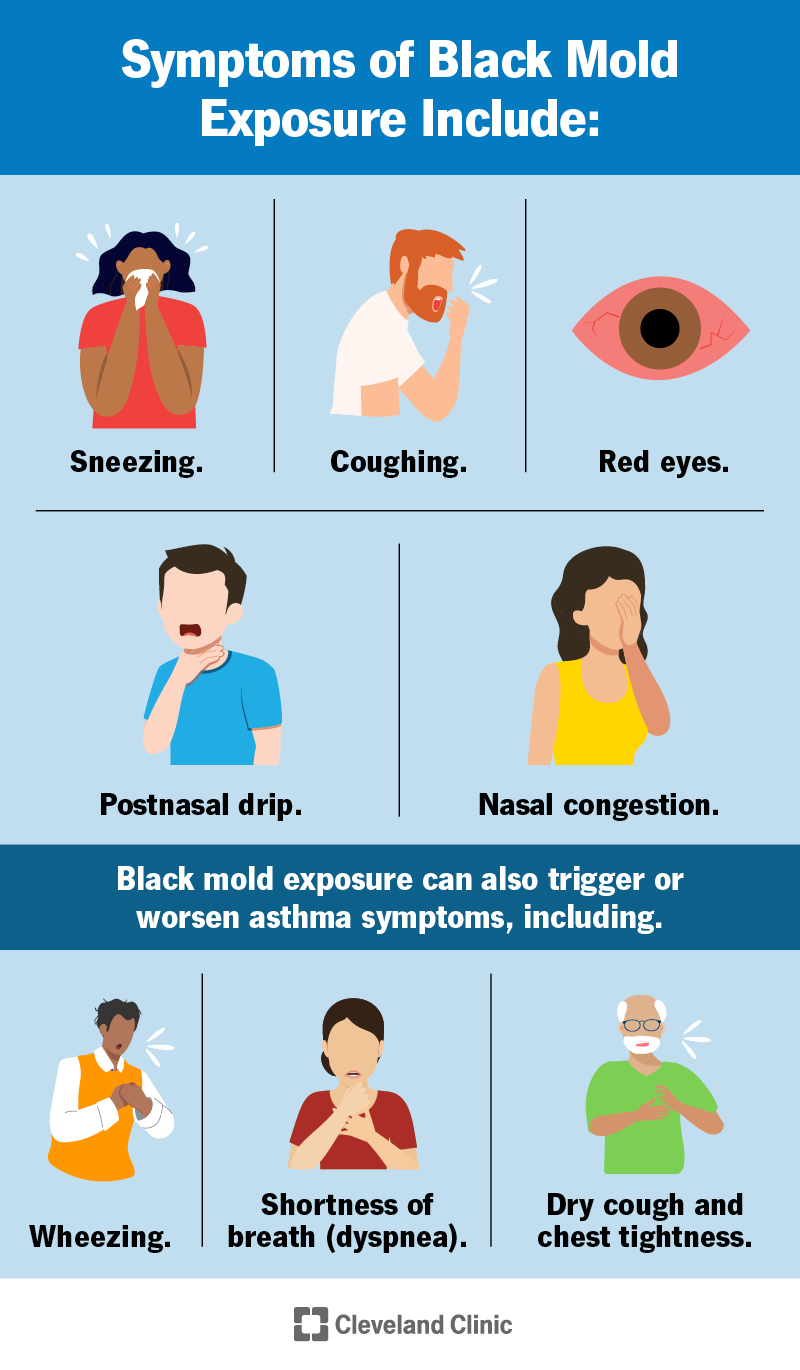
Breathing is the main way mold spores enter the body. Spores in the air go into your nose and lungs. This can cause coughing, sneezing, or breathing problems. People with asthma or allergies feel this more.
Through The Skin
Mold spores can land on your skin. Small cuts or scrapes let spores enter the body. This can cause skin irritation or infections. Washing skin often helps reduce this risk.
Through The Digestive System
Mold can get into food or drinks. Eating or drinking moldy items lets spores enter the stomach. This might cause nausea, vomiting, or stomach pain. Always check food for mold before eating.
Credit: my.clevelandclinic.org
Respiratory Problems Linked To Side Mold
Side mold can cause many breathing problems. It releases tiny spores into the air. People breathe these spores without noticing. These spores irritate the lungs and airways. This can trigger several respiratory issues. The effects may be mild or severe. Understanding these problems helps protect your health.
Asthma And Allergies
Side mold often worsens asthma symptoms. It causes wheezing, shortness of breath, and chest tightness. Mold spores act like allergens. They trigger allergic reactions in many people. Sneezing, runny nose, and itchy eyes are common signs. People with asthma are more sensitive. Their airways react strongly to mold exposure. Avoiding mold helps reduce asthma attacks and allergies.
Chronic Cough And Sinus Issues
Exposure to side mold can cause a persistent cough. This cough lasts weeks or longer. Mold irritates the throat and lungs. Sinus problems also increase with mold exposure. Symptoms include nasal congestion, pressure, and headaches. The mold spores inflame the sinus tissues. This inflammation makes breathing through the nose harder. Treating mold problems can ease these symptoms.
Effects On The Immune System
Mold exposure affects the immune system in many harmful ways. The immune system protects the body from germs and diseases. Mold can weaken this defense, making the body less able to fight illnesses. This can lead to serious health problems over time. Understanding how mold impacts immunity helps in taking proper care.
Immune Suppression
Mold releases tiny spores and toxins into the air. These substances can lower the activity of immune cells. When immune cells are weak, the body cannot respond well to threats. This suppression makes it harder to heal from infections and wounds. People exposed to mold often feel tired and sick more often.
Increased Infection Risk
With a weakened immune system, infections become more common. Mold exposure raises the chance of catching colds, flu, and lung infections. Some mold toxins also cause inflammation in the body. This inflammation can damage tissues and organs over time. Preventing mold growth is key to protecting immune health.

Credit: www.mayoclinic.org
Neurological Symptoms From Exposure
Exposure to mold can affect the brain and nervous system. The toxins released by mold can cause several neurological symptoms. These symptoms may appear after breathing in mold spores or touching moldy surfaces. Understanding these signs can help identify mold-related health issues early.
Headaches And Brain Fog
Mold exposure often causes frequent headaches. These headaches can be dull or sharp and last for hours. Many people also report feeling brain fog. This fog makes it hard to focus or remember things. The toxins affect brain function, slowing down mental clarity.
Mood Changes And Fatigue
Mold toxins can disrupt mood and energy levels. People may feel unusually tired or weak. Mood swings, anxiety, and irritability are common. The nervous system reacts to toxins, causing stress and fatigue. These effects can reduce daily productivity and overall well-being.
Skin Reactions And Irritations
Mold exposure can cause several skin problems. The skin is sensitive and reacts quickly to mold spores. These reactions range from mild irritation to severe allergies. Understanding these effects helps protect your skin and overall health.
Common Symptoms Of Mold-related Skin Irritations
Redness and itching are frequent signs of mold contact. Small bumps or rashes may appear on the skin. Some people notice dry, flaky patches. These symptoms often worsen with continued exposure.
Why Mold Causes Skin Problems
Mold releases tiny spores that irritate the skin. These spores contain allergens and toxins. The immune system reacts strongly to these substances. This reaction causes inflammation and itching. Sensitive skin is more prone to these effects.
How To Protect Your Skin From Mold
Wear protective clothing when cleaning moldy areas. Avoid direct skin contact with mold as much as possible. Wash affected skin with soap and water promptly. Use gentle moisturizers to soothe irritated skin. Seek medical advice if symptoms worsen or persist.

Credit: www.bernardiparts.com
Long-term Health Risks
Long-term exposure to side mold can cause serious health problems. Mold releases tiny spores and toxins that enter the body. Over time, these substances build up and harm your health. The effects may not appear right away but can grow worse.
Toxin Accumulation
Mold produces harmful substances called mycotoxins. These toxins enter the body through breathing or skin contact. The body tries to remove them but may struggle with constant exposure. Mycotoxins can stay in the body for a long time. This buildup weakens the immune system and causes chronic symptoms. Fatigue, headaches, and breathing problems often occur.
Potential Organ Damage
Long-term mold exposure may damage vital organs. The lungs are most at risk, leading to chronic breathing issues. The liver and kidneys also suffer as they filter toxins. Damage to these organs reduces their ability to clean the blood. This can cause lasting health problems. Early signs include coughing, chest tightness, and skin irritation.
Preventing Side Mold Exposure
Preventing side mold exposure is key to protecting your health and home. Mold spores can cause allergies, respiratory problems, and skin irritation. Taking steps to control mold growth helps keep your living space safe and clean.
Regular checks and proper cleaning stop mold before it spreads. Small efforts can prevent big health issues and costly repairs.
Home Inspection Tips
Check damp areas like basements, kitchens, and bathrooms often. Look for dark spots or a musty smell, signs mold may be growing. Fix leaks in pipes or roofs quickly to reduce moisture. Use a flashlight to see hidden corners and behind furniture. Ventilate rooms well to lower humidity levels. Use a moisture meter to detect dampness in walls. Inspect HVAC systems and clean filters regularly to avoid mold spread.
Effective Cleaning Methods
Wear gloves and a mask before cleaning moldy spots. Use a mixture of water and mild detergent to scrub surfaces. Avoid bleach on porous materials, it may not remove mold fully. Use vinegar or baking soda for natural cleaning options. Dry the cleaned areas completely to stop mold from returning. Throw away items that mold has deeply damaged. Keep air flowing with fans or open windows after cleaning.
When To Seek Medical Help
Side mold can cause many health problems. Some effects might be mild, but others need quick medical care. Knowing when to seek medical help is very important. Early action can stop serious damage and improve recovery.
Signs Of Severe Allergic Reactions
Watch for swelling in the face, lips, or throat. Difficulty breathing or tightness in the chest is serious. Seek emergency care immediately if these signs appear. These symptoms need urgent medical help to prevent danger.
Persistent Respiratory Problems
Coughing, wheezing, or shortness of breath that lasts days. If breathing feels harder than usual, get medical advice. Ongoing lung issues may need treatment to avoid worsening. Early care helps protect lung health.
Neurological Symptoms
Headaches that do not go away or worsen over time. Confusion, dizziness, or memory problems can also occur. These signs may show mold’s effect on the brain. Consult a doctor if such symptoms develop.
Skin Reactions That Worsen
Rashes or itching that spread or do not improve. If skin becomes swollen or painful, see a healthcare provider. Some mold toxins cause strong skin reactions needing treatment. Do not ignore persistent skin problems.
Weakened Immune System
People with weak immunity should be cautious around mold. Frequent infections or slow healing wounds are warning signs. Medical checkups can help prevent mold-related complications. Protecting health is vital for vulnerable groups.
Frequently Asked Questions
What Health Problems Does Side Mold Cause?
Side mold can trigger allergies, asthma, and respiratory infections. It releases spores that irritate the lungs and skin, causing coughing, sneezing, and rashes. Prolonged exposure may worsen asthma and lead to chronic bronchitis or sinus infections.
How Does Side Mold Affect The Immune System?
Side mold releases toxins that weaken the immune system. This makes the body more vulnerable to infections and illnesses. People with compromised immunity may experience more severe symptoms and longer recovery times.
Can Side Mold Exposure Cause Long-term Damage?
Yes, long-term exposure to side mold can cause chronic respiratory issues. It may lead to persistent coughing, wheezing, and lung inflammation. Continuous exposure can also increase the risk of developing serious lung diseases.
How Quickly Do Side Mold Symptoms Appear?
Symptoms can appear within hours to days after exposure. Common signs include sneezing, coughing, watery eyes, and skin irritation. The severity depends on the mold type and individual sensitivity.
Conclusion
Side mold can cause serious health problems. It often leads to allergies and breathing issues. People may feel tired or get headaches. Mold spores spread easily through the air. Cleaning and controlling moisture helps stop mold growth. Staying aware of side mold’s effects keeps you safe.
Taking quick action can protect your health. Remember, a clean home means healthier living.


