

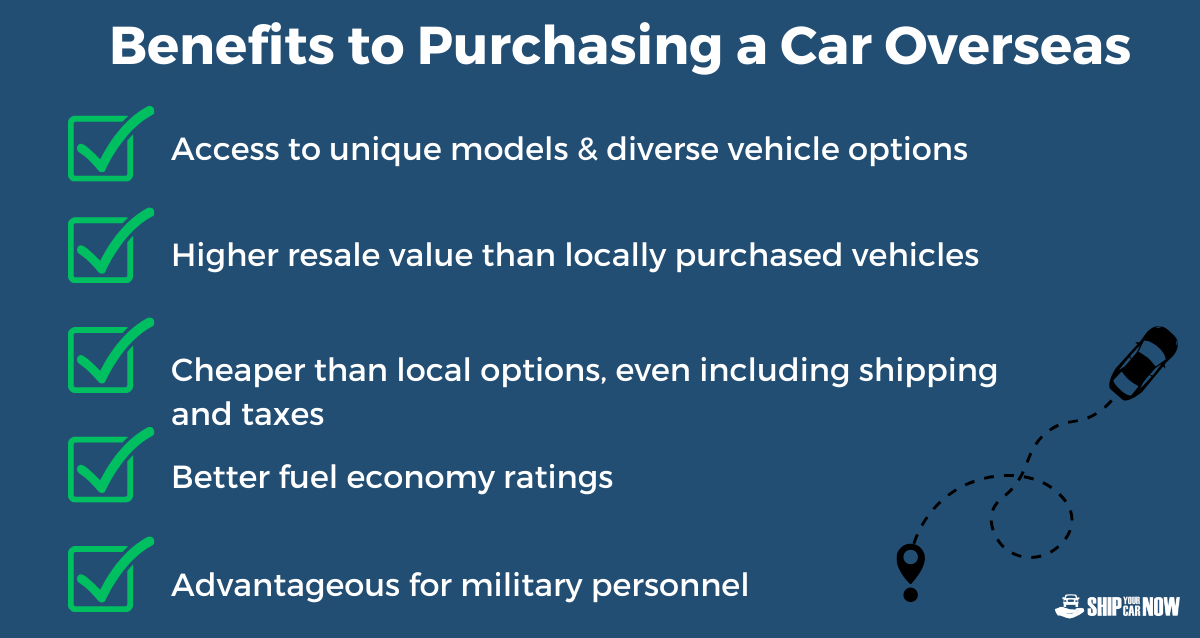
Thinking about buying a car overseas? It can be an exciting way to find unique models or better deals.
But the process can feel tricky if you don’t know where to start. You might worry about hidden costs, paperwork, or shipping problems. Don’t let these concerns stop you. You’ll discover simple steps to buy a car abroad with confidence.
By the end, you’ll know exactly what to do to make your purchase smooth and stress-free. Ready to get started? Let’s dive in!
Credit: www.shipyourcarnow.com
Choosing The Right Country
Choosing the right country is the first step to buy a car overseas. Different countries offer different benefits and challenges. Some have better prices, others have rare models or simpler rules. Your choice affects cost, paperwork, and shipping. Think about what matters most for your purchase. Research each country’s market and laws carefully.
Popular Destinations For Car Buyers
Some countries attract many car buyers. Japan is famous for used cars and good condition. Germany offers luxury and sports cars at competitive prices. The United States has a huge market with many choices. United Arab Emirates sells new cars with low taxes. These places have strong car markets and good export systems.
Legal Considerations By Country
Each country has its own rules for selling cars to foreigners. Some require special export papers or inspections. Taxes and import duties vary widely. Check if the car meets your home country’s safety and emissions standards. Some countries limit the export of certain vehicles. Ignoring legal rules can cause delays or fines.
Currency And Payment Methods
Currency exchange rates affect your total cost. Some currencies are stable, others can change quickly. Know the local currency and how to convert it. Choose safe payment methods like bank transfers or escrow services. Avoid cash payments for large amounts. Confirm payment terms before buying to avoid scams.
Credit: www.shipyourcarnow.com
Researching The Car Market
Researching the car market is the first step to buying a car overseas. It helps you understand what to expect and how much to spend. This process saves time and avoids bad purchases. You learn about different car models, prices, and sellers. It also helps check the car’s history and condition. Good research leads to a better decision and a smoother buying process.
Checking Car Models And Prices
Start by listing the car models you want. Compare their prices in the country you plan to buy from. Prices can vary a lot between countries. Check online marketplaces and local dealers. Look for average prices to avoid paying too much. Note any extra costs, like taxes or fees. This step helps you set a realistic budget.
Finding Reliable Sellers
Choose sellers with good reviews and ratings. Trustworthy dealers offer clear information about their cars. Avoid sellers with little or no feedback. Ask for contact details and business licenses. Use forums or social media groups to find trusted sellers. Reliable sellers reduce the risk of scams and hidden problems.
Evaluating Vehicle History
Request the vehicle history report for each car. This report shows accidents, repairs, and ownership details. Check if the car has a clear title and no legal issues. Look for regular maintenance records. Avoid cars with major past damages or flood history. A clean history means fewer surprises after buying.
Navigating Import Regulations
Buying a car overseas involves many rules. These rules protect local markets and ensure safety. Understanding import regulations helps avoid delays and extra costs. Follow these guidelines to make the process smoother.
Customs Duties And Taxes
Each country sets its own customs duties and taxes. These fees depend on the car’s value, age, and type. Calculate these costs before buying to avoid surprises. Pay all duties to clear the car through customs.
Emission And Safety Standards
Cars must meet local emission and safety rules. These rules limit pollution and protect drivers. Check if the car passes these standards in your country. Sometimes, modifications are needed before the car can be registered.
Required Documentation
Proper documents are key for a smooth import. Common papers include the original bill of sale and export certificate. You also need proof of ownership and compliance certificates. Keep all documents ready for customs and registration offices.
Credit: www.shipyourcarnow.com
Arranging Transportation
Arranging transportation for a car bought overseas requires careful planning. The vehicle must move safely from the seller to your location. Choosing the right transport method ensures your car arrives on time and in good condition. Understanding shipping options, costs, insurance, and tracking helps you make smart decisions.
Shipping Options And Costs
Several shipping options exist for moving a car internationally. Container shipping keeps your car safe inside a sealed box. It is more expensive but protects against damage. Roll-on/roll-off (RoRo) is cheaper and involves driving the car onto a ship. It exposes the vehicle to weather and other risks. Costs depend on distance, shipping method, and vehicle size. Request quotes from multiple companies to find a good price.
Insurance For Transit
Insurance is essential for protecting your car during shipment. It covers damage, theft, or loss while in transit. Check if the shipping company includes insurance or if you must buy it separately. Review the insurance policy carefully. Confirm what types of damage or loss are covered. Buying extra coverage may be wise for expensive vehicles.
Tracking Your Shipment
Tracking your car’s shipment gives peace of mind. Most shipping companies offer online tracking services. You can see the location and status of your vehicle during transit. Use tracking updates to plan for delivery and customs clearance. Stay in touch with the shipping company for any issues or delays.
Handling Payment Securely
Paying for a car overseas needs extra care. You must keep your money safe. Secure payment protects you from fraud and loss. It helps you complete the purchase smoothly. Learn how to handle payment safely before you send any money.
Trusted Payment Methods
Use payment methods that offer buyer protection. Bank wire transfers are common but check the recipient carefully. Services like PayPal provide security and dispute options. Credit cards also offer fraud protection. Avoid cash or direct personal transfers.
Avoiding Scams
Watch out for sellers asking for full payment upfront. Verify the seller’s identity and car details. Use a third party or escrow service to hold money safely. Never send money to unknown accounts or unverified contacts. If a deal sounds too good, it might be a scam.
Currency Exchange Tips
Check the current exchange rates before paying. Use currency exchange services with low fees. Plan payment timing to avoid losing money on rate changes. Some banks offer better rates than online services. Keep track of all payment records for proof.
Completing Registration And Compliance
Completing registration and compliance is a key step when buying a car overseas. It ensures the vehicle is legal to drive in your country. You must follow local rules carefully. This process involves registration, inspection, and insurance. Each step confirms your car meets safety and legal standards.
Local Registration Process
Register the car with the local transport authority. You need documents like the bill of sale and proof of ownership. Submit identification and residency proof as required. Pay the registration fees to get your vehicle license plates. Keep your registration documents in the car at all times.
Inspection And Certification
Most countries require a vehicle inspection. This checks if the car is safe and meets emissions standards. Take the car to an approved inspection center. A certified mechanic will check brakes, lights, and exhaust. Once passed, you receive a certificate needed for registration.
Insurance Requirements
Insurance is mandatory before driving your car. Choose coverage that meets local minimums. This protects you from financial loss in accidents. Provide proof of insurance when registering the vehicle. Keep your insurance card with you while driving.
Tips For A Smooth Purchase
Buying a car overseas can feel tricky. Many steps differ from buying locally. Knowing some tips helps you avoid problems and save money. These tips focus on making the process smooth and clear. They cover working with brokers, communicating well, and choosing the best time to buy.
Working With Brokers And Agents
Brokers and agents can help find the right car abroad. They know local rules and can handle paperwork. Choose someone with good reviews and clear fees. Ask about their experience with international sales. Trustworthy brokers reduce risks and save time. Always get everything in writing before paying.
Language And Communication Tips
Clear communication is key. Use simple words and short sentences. Translation apps help but check their accuracy. Confirm details like price, condition, and delivery in writing. Speak slowly and ask questions if confused. Keep all messages and contracts for your records.
Timing Your Purchase
Timing affects price and availability. Car prices can drop during local holidays or end of the year. Research the best buying seasons in the country. Allow extra time for shipping and customs. Avoid rushing to prevent mistakes. Plan your purchase to match your schedule and budget.
Frequently Asked Questions
What Documents Are Needed To Buy A Car Overseas?
You need a valid passport, visa, proof of address, and a driver’s license. Some countries require a local ID or tax number. Also, prepare the vehicle’s registration and insurance papers for legal ownership and driving.
How Do I Pay For A Car When Buying Abroad?
Payment methods vary, including bank transfers, credit cards, or cashier’s checks. Confirm accepted payment options beforehand. Avoid cash payments for safety and proof of transaction. Using secure payment ensures a smooth buying process.
Can I Import The Car To My Home Country?
Yes, but check your country’s import rules and taxes first. You may need customs clearance, emissions tests, and modifications. Hiring a professional importer can simplify the process and ensure compliance with all regulations.
Should I Inspect The Car Before Buying Overseas?
Always inspect the car or hire a trusted local inspector. Check for damages, mileage, and maintenance records. An inspection prevents buying a faulty vehicle and ensures you get value for your money.
Conclusion
Buying a car overseas can seem tough at first. Take your time to research well. Know the rules and costs before you pay. Check the car’s condition carefully. Ask questions and get all documents. Plan for shipping and customs fees.
Stay patient and stay safe throughout. This approach helps you avoid surprises later. Enjoy your new car once it arrives. A smart buyer makes a smooth journey.


