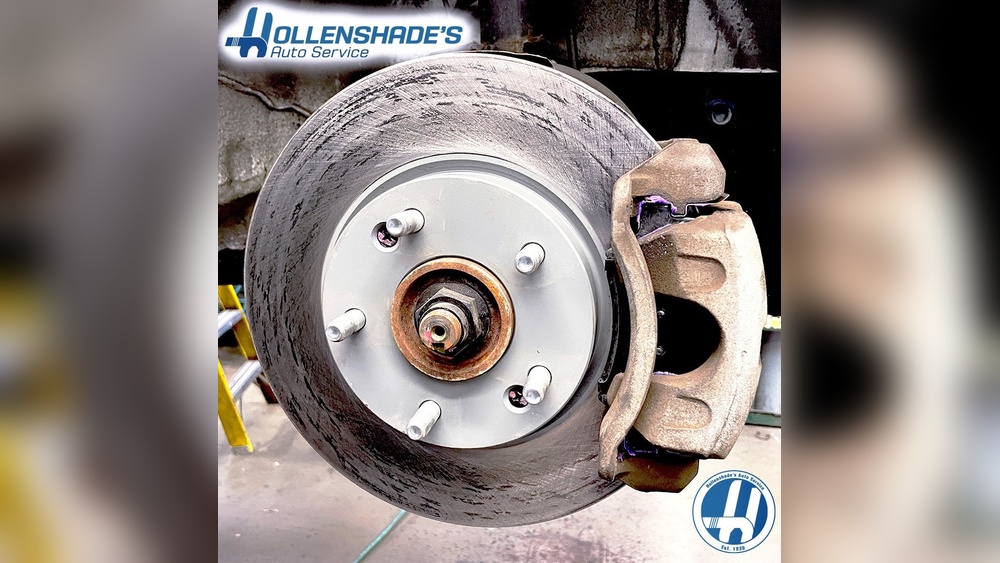
Are your brakes making strange noises or feeling less responsive? Rusty rotors and brakes could be the reason.
Ignoring rust buildup can affect your car’s safety and performance. But don’t worry—you don’t have to spend a fortune at the mechanic to fix this. You’ll learn simple, step-by-step methods to clean your rusty rotors and brakes yourself. Keep reading to discover how easy it is to restore your braking system and drive with confidence again.
Signs Of Rusty Rotors And Brakes
Rusty rotors and brakes can cause serious issues for your vehicle. Knowing the signs helps you catch problems early. Rust may seem harmless but affects safety and performance.
Recognizing symptoms allows timely cleaning or replacement. This keeps your brakes working well and your drives safe.
Common Symptoms
Rusty rotors often show visible orange or brown patches. You may hear squeaking or grinding sounds when braking. Your brake pedal might feel less responsive or spongy. Vibrations or pulsing in the brake pedal can occur. The vehicle may pull to one side when stopping.
Effects On Vehicle Performance
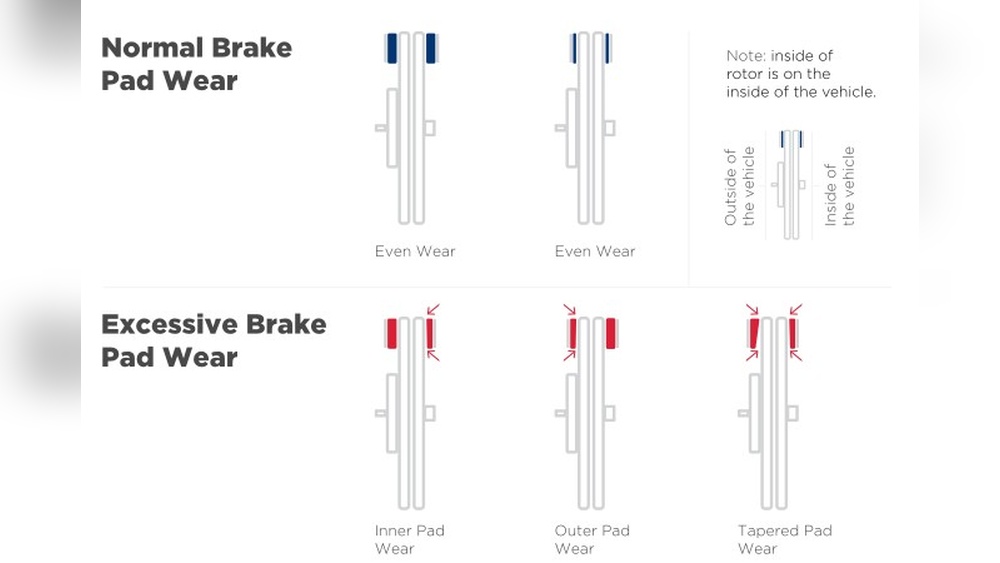
Rust reduces braking power and increases stopping distance. It can cause uneven brake pad wear and damage rotors. This leads to noisy brakes and uncomfortable rides. Rust can cause brakes to stick or drag, wasting fuel. Ignoring rust may result in costly repairs and unsafe driving.
Tools And Materials Needed
Cleaning rusty rotors and brakes requires the right tools and materials. Using proper supplies makes the job easier and safer. Preparing all items before starting saves time and avoids frustration.
Essential Cleaning Supplies
Gather these cleaning supplies to remove rust effectively. A wire brush helps scrub off loose rust and dirt. Brake cleaner spray dissolves brake dust and grime quickly. Sandpaper or a sanding block smooths rough spots on the rotor surface. Clean rags or microfiber cloths wipe away residue. A container of water is handy for rinsing tools and cloths. A plastic scraper removes stubborn rust patches without damaging parts.
Safety Equipment
Protect yourself during the cleaning process. Safety glasses shield your eyes from debris and sprays. Gloves protect your hands from chemicals and sharp edges. A dust mask prevents inhaling rust particles and brake dust. Wear old clothes or a protective apron to keep clean. Work in a well-ventilated area to avoid fumes from brake cleaner.
Preparing Your Vehicle
Preparing your vehicle is the first step to clean rusty rotors and brakes safely. This step ensures you work comfortably and avoid accidents. Taking time to prepare helps protect your vehicle and yourself.
Safe Parking And Wheel Removal
Park your car on a flat, stable surface. Use the parking brake to keep the car still. Place wheel chocks behind the wheels that stay on the ground. Loosen the lug nuts slightly before lifting the car.
Use a reliable jack to lift the vehicle. Secure it with jack stands for safety. Remove the wheel carefully and set it aside. This gives clear access to the brake rotors and pads.
Inspecting Brake Components
Look closely at the rotors and brake pads. Check for deep rust, cracks, or wear. Make sure the brake lines are intact and not leaking. Notice any unusual signs that could need professional help.
Clean loose dirt and dust with a brush or cloth. This helps see the condition better. Proper inspection prevents damage during cleaning and ensures safe brake performance.

Credit: bookmyboat.ca
Cleaning Rust From Rotors
Rust on rotors can cause noise and reduce braking power. Cleaning rust keeps brakes working well and extends rotor life. Regular care stops rust from building up too much. Follow clear steps to clean rusty rotors safely and effectively.
Using Brake Cleaner
Start by spraying brake cleaner on the rotor surface. This removes dirt, grease, and light rust. Let the cleaner sit for a few minutes. It breaks down rust and grime without harming parts. Wipe the rotor with a clean cloth after spraying. Repeat if the rotor still looks dirty.
Scrubbing Techniques
Use a wire brush or scouring pad to scrub the rotor. Move in circles or back and forth. Apply gentle pressure to avoid scratching the metal. Focus on rusty spots and edges. Clean both sides of the rotor evenly. After scrubbing, wipe away loose rust with a cloth.
Dealing With Stubborn Rust
Stubborn rust needs extra attention. Use fine sandpaper to rub affected areas gently. Avoid deep scratches that can damage the rotor. Another option is a rust remover gel. Apply it carefully and wait as directed. Rinse thoroughly and dry the rotor before use. Repeat these steps if rust remains.
Cleaning Brake Pads And Calipers
Cleaning brake pads and calipers is key to keeping your brakes working well. Rust and dirt can build up on these parts. This buildup makes brakes less effective and can cause noise or vibration. Regular cleaning helps your brakes stay smooth and safe.
Removing Debris
Start by removing loose dirt and rust from the brake pads and calipers. Use a soft brush to sweep away dust and debris. A wire brush can help with tough rust spots, but use it gently. Spray brake cleaner to dissolve grease and grime. Wipe with a clean cloth to finish. Make sure all parts dry fully before reassembly.
Avoiding Damage During Cleaning
Use only brake-specific cleaners to avoid harm. Avoid harsh chemicals that can damage rubber seals or paint. Do not soak brake pads; moisture weakens them. Handle brake parts carefully to prevent bending or cracking. Avoid using metal tools that may scratch surfaces. Always wear gloves and eye protection for safety.

Credit: www.reddit.com
Reassembling And Testing
Reassembling and testing your brakes after cleaning rusty rotors is a key step. It ensures safety and proper brake function. Take your time and follow each step carefully.
Proper Reinstallation
Start by placing the rotor back onto the wheel hub. Align it correctly to avoid wobbling. Next, reinstall the brake caliper over the rotor. Tighten all bolts securely but do not over-tighten. Use a torque wrench if possible. Make sure the brake pads sit correctly in the caliper. Check that all components are clean and free of grease. Proper reinstallation prevents brake noise and uneven wear.
Brake Performance Check
Before driving, press the brake pedal several times. This helps the pads settle against the rotor. Check for any unusual sounds or vibrations. Test the brakes at low speed in a safe area. The pedal should feel firm and responsive. If the brakes feel soft or spongy, recheck your work. Proper testing confirms the brakes work well and keeps you safe on the road.
Preventing Future Rust
Preventing rust on your rotors and brakes saves time and money. Rust weakens metal and reduces brake performance. Keeping rust away helps your brakes last longer and work better. A few simple steps can protect your brake parts from rust.
Regular Maintenance Tips
Check your brakes often for any signs of rust or damage. Wash your wheels and brake parts with water to remove dirt and salt. Dry the brakes after washing to stop moisture from sitting on metal. Drive your car regularly to keep brake surfaces clean. Avoid parking outside in wet or humid places for long periods.
Protective Coatings
Use special brake paint or anti-rust sprays on your rotors and calipers. These coatings form a barrier against water and air. Apply the coating carefully and follow product instructions. Reapply coatings as needed to keep protection strong. Avoid coatings on the rotor surface that touches brake pads.

Credit: www.youtube.com
Frequently Asked Questions
How Do I Clean Rusty Brake Rotors Safely?
Use a wire brush or sandpaper to remove rust gently. Apply brake cleaner to dissolve residue. Avoid harsh chemicals that damage rotors. Wear gloves and eye protection for safety. Let rotors dry fully before reassembling brakes.
Can I Drive With Rust On My Brake Rotors?
Light surface rust is common and usually harmless. It often clears after driving and braking. However, heavy rust can reduce braking efficiency. Inspect rotors regularly and clean rust promptly to ensure safe braking.
What Tools Are Needed To Clean Rusty Rotors?
You need a wire brush, sandpaper, brake cleaner, and gloves. A jack and lug wrench help remove wheels safely. Use a clean cloth to wipe residue. These tools make rust removal effective and safe.
How Often Should I Clean Rusty Brake Rotors?
Clean rotors when you notice rust buildup or braking issues. Regular inspection every few months helps prevent rust damage. Seasonal changes and humidity affect rust formation. Timely cleaning maintains brake performance and extends rotor life.
Conclusion
Cleaning rusty rotors and brakes helps keep your car safe. Rust can make braking noisy or weak. Regular cleaning stops rust from building up. Use simple tools and take your time. Always check your brakes after cleaning. Good brakes mean safer driving every day.
Keep your car in top shape with these steps. Simple care goes a long way. Stay safe on the road with clean brakes.