

Have you ever wondered how hard it really is to change your brake pads and rotors? If you’re thinking about doing it yourself, you might be feeling a bit unsure.
Brake work sounds tricky and even a little scary, right? But what if you could save money and feel confident under your car’s hood by learning a few simple steps? This guide will break down the process in easy-to-understand terms, helping you decide if this is a task you can handle.
Keep reading, and you’ll discover how doable changing brake pads and rotors can be — even if you’re not a car expert.
Signs You Need New Brake Pads And Rotors
Knowing the signs of worn brake pads and rotors helps keep your car safe. Ignoring these signs can cause bigger problems and cost more money. Learn how to spot common symptoms early. This section guides you through key indicators of brake wear.
Common Brake Wear Symptoms
Your car may pull to one side when braking. This means uneven brake pad wear or rotor damage. A longer stopping distance also signals brake wear. Feeling a soft or spongy brake pedal shows possible pad or rotor issues. Brake warning lights on the dashboard should never be ignored.
Noise And Vibration Indicators
Squealing or screeching sounds often come from worn brake pads. Grinding noises mean pads are completely worn down and rotors might be damaged. Vibrations or pulsations in the brake pedal or steering wheel happen if rotors are warped. These noises and feelings warn you about brake problems.
Visual Inspection Tips
Look at the brake pads through the wheel spokes. Pads thinner than 1/4 inch need replacing. Check rotors for deep grooves, cracks, or rust. Uneven rotor surfaces can cause vibrations. Clean brakes look smooth and even. Regular visual checks help catch problems early.
.jpg)
Credit: www.cbac.com
Tools And Materials Required
Changing brake pads and rotors requires the right tools and materials. Having everything ready makes the job easier and safer. This section covers what you need to get started. Tools, parts, and safety gear all play important roles.
Essential Tools List
You need a few basic tools to replace brake pads and rotors. A jack and jack stands lift and hold your car safely. Lug wrenches remove the wheel nuts. A socket set helps take off the caliper bolts. A C-clamp or brake caliper tool pushes the piston back. Screwdrivers and pliers are useful for clips and pins. Keep a brake cleaner spray to clean parts. A torque wrench ensures bolts are tight enough.
Choosing Quality Replacement Parts
Pick brake pads and rotors that fit your vehicle model. Quality parts last longer and work better. Avoid cheap parts that wear out quickly. Ceramic pads offer less dust and noise. Semi-metallic pads provide strong braking power. Rotors must match the size and type for your car. Check for rust protection on rotors to increase durability.
Safety Gear To Use
Safety is very important when working on brakes. Wear gloves to protect your hands from dirt and chemicals. Use safety glasses to shield your eyes from dust and debris. A dust mask helps avoid inhaling brake dust. Work on a flat surface and use wheel chocks to stop the car from moving. Keep a fire extinguisher nearby just in case.
Step-by-step Brake Pad Replacement
Changing brake pads is a task many car owners can handle. It saves money and helps understand vehicle maintenance better. The process involves a few clear steps. Each step ensures the brakes work safely and smoothly. Follow this guide to replace brake pads correctly.
Preparing The Vehicle
Park the car on a flat surface. Use the parking brake to stop movement. Loosen the lug nuts on the wheel before lifting the car. Use a jack to raise the vehicle. Secure it with jack stands for safety. Remove the wheel to access the brake system.
Removing Old Brake Pads
Locate the brake caliper and remove its bolts. Carefully lift the caliper off the rotor. Support the caliper to avoid stress on the brake hose. Slide out the old brake pads from the caliper bracket. Inspect the rotor for any damage or wear.
Installing New Brake Pads
Apply brake grease to the back of the new pads. Place the new pads into the caliper bracket. Compress the caliper piston using a C-clamp or brake tool. Reinstall the caliper over the new pads. Tighten the caliper bolts securely. Put the wheel back on and hand-tighten the lug nuts.
Testing Brake Functionality
Lower the vehicle and fully tighten the lug nuts. Press the brake pedal several times to set the pads. Test the brakes at low speed in a safe area. Listen for unusual noises or vibrations. Ensure the brakes feel firm and responsive before driving normally.

Credit: vatire.com
Step-by-step Rotor Replacement
Replacing brake rotors is a key part of car maintenance. It ensures your brakes work well and keeps you safe. This step-by-step guide breaks down the rotor replacement process. Follow each step carefully to complete the job with confidence. No special skills needed, just patience and the right tools.
Removing The Old Rotors
Start by lifting the car and removing the wheel. Next, take off the brake caliper. Support the caliper so it does not hang by the brake line. Remove the caliper bracket if needed. Now, the rotor should slide off. If it sticks, tap it gently with a rubber mallet to loosen.
Cleaning And Inspecting Components
Clean the hub surface with a wire brush to remove rust and dirt. Check the brake pads for wear and damage. Inspect the caliper and brake lines for leaks or cracks. Clean any dust and debris from parts. Make sure everything is in good condition before installing new parts.
Installing New Rotors
Place the new rotor on the hub, aligning it properly. Reattach the caliper bracket and tighten bolts securely. Slide the brake caliper back over the rotor. Tighten the caliper bolts to the correct torque. Reinstall the wheel and lower the car. Double-check all bolts and parts are tight.
Rotor Bedding Process
Bedding the new rotors helps them work better with brake pads. Drive slowly and gently apply brakes several times. Increase speed gradually and brake harder each time. Avoid sudden stops or heavy braking for the first 200 miles. This process helps remove surface glaze and improves brake performance.
Common Challenges And How To Overcome Them
Changing brake pads and rotors can be tricky for many. Some challenges often slow down the work or cause mistakes. Knowing these common problems helps you prepare better. It also makes the job smoother and safer.
Rust, stuck bolts, and installation errors are usual hurdles. Each has simple ways to handle them well. This section covers these challenges and tips to solve them easily.
Dealing With Rust And Corrosion
Rust often covers old brake parts. It makes removal harder and can damage tools. Use a wire brush to clean rust before starting. Spray some penetrating oil on rusty areas. Let it sit for a few minutes. This softens rust and helps bolts turn easier.
Tap parts gently with a rubber mallet to loosen stuck pieces. Avoid using too much force to prevent damage. Keep parts clean and dry after removal to reduce future rust.
Handling Stuck Bolts
Bolts can get stuck from rust or over-tightening. Try turning bolts slowly with a breaker bar for more power. Heat the bolt with a heat gun or torch carefully to expand the metal. This can loosen the bolt grip.
Use bolt extractors if bolts are stripped or broken. Keep tools aligned with bolts to avoid slipping. Patience helps; forcing bolts can break them.
Avoiding Common Installation Mistakes
Incorrect installation can cause brake problems or wear out parts fast. Clean rotor surfaces before installing new pads. Make sure pads fit well and move freely in their slots.
Tighten bolts to the right torque using a torque wrench. Over-tightening can warp rotors or strip threads. Check brake fluid and test brakes carefully after installation.
Take time to follow instructions step by step. Double-check work for safety and better brake performance.
Expert Tips For A Smooth Brake Job
Changing brake pads and rotors can seem tough. Expert tips help make the job easier and safer. Following the right steps ensures your brakes work well and last longer.
Maintaining Proper Torque Settings
Tighten bolts to the exact torque recommended by the car maker. Too loose bolts can cause parts to move. Too tight bolts can damage threads or parts. Use a torque wrench for best results. This tool helps keep the right tightness every time.
Ensuring Even Pad Wear
Check that brake pads press evenly on rotors. Uneven wear means brakes won’t stop smoothly. Clean the caliper slides and lubricate them lightly. This lets the pads move freely. Replace any worn or damaged parts before installing new pads.
Post-installation Brake Testing
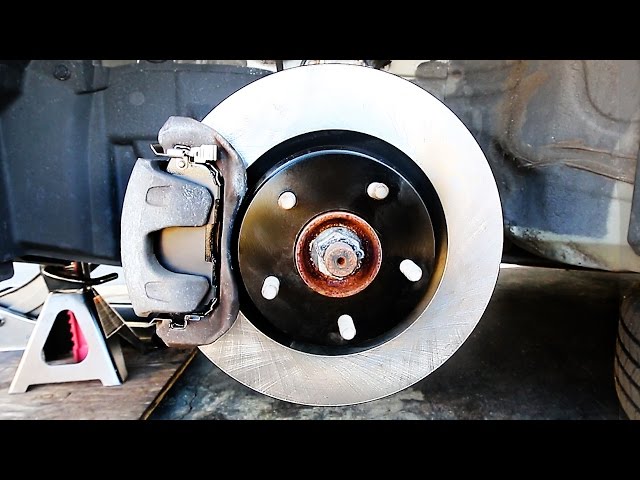
After installing new pads and rotors, test your brakes carefully. Start with slow stops in a safe place. Listen for noises or vibrations. Check if the brake pedal feels firm. Proper testing helps find problems early and keeps you safe on the road.
Credit: www.youtube.com
Frequently Asked Questions
How Difficult Is Changing Brake Pads And Rotors?
Changing brake pads and rotors is moderately challenging. It requires basic tools and mechanical knowledge. Beginners may need guidance or tutorials. Proper safety precautions are essential to avoid accidents. With patience, most car owners can complete the task successfully.
What Tools Do I Need For Brake Pad Replacement?
You need a jack, lug wrench, socket set, C-clamp, and brake cleaner. These tools help remove wheels, compress calipers, and clean parts. Having the right tools ensures a smooth, safe brake pad replacement process.
How Long Does It Take To Replace Brake Pads And Rotors?
Replacing brake pads and rotors typically takes 1 to 2 hours. Time varies based on skill level and vehicle type. Experienced mechanics finish faster, while beginners may take longer. Preparing tools and workspace in advance speeds up the process.
Can I Change Brake Pads And Rotors Without Experience?
Yes, but prior research and caution are crucial. Watching tutorials and reading manuals improves understanding. Start with one wheel to gain confidence. If unsure, seek professional help to ensure safety and proper installation.
Conclusion
Changing brake pads and rotors is not very hard for many people. It needs some tools and care to do it right. Taking your time helps avoid mistakes and keeps you safe. If you follow steps carefully, the job becomes easier.
Knowing how brakes work helps you feel more confident. This task can save money and give you a sense of pride. Always check your work before driving. Practice makes the process smoother each time. Simple skills like this can boost your car knowledge.


