Washing your car doesn’t have to mean investing in expensive tools or heading to a car wash every time it gets dirty. What if you could make your car shine like new using simple items you already have at home?
You’re about to discover easy, effective ways to clean your car without a pressure washer. By the end of this article, you’ll know exactly how to keep your ride spotless and protected, saving time and money. Ready to transform your car care routine?
Let’s dive in.
Gathering Your Supplies
Washing a car without a pressure washer requires some basic supplies. Having the right materials ready makes the job easier and more effective. Take time to gather everything before you start.
Essential Cleaning Materials
Start with a bucket for water and soap. Use two buckets if possible—one for soapy water and one for rinsing. A hose or a large container for clean water helps rinse the car. Choose a soft-bristled brush or a microfiber wash mitt to protect the car’s paint. Avoid harsh scrubbers that can scratch the surface.
Choosing The Right Soap
Pick a soap made for cars, not dish soap or household cleaners. Car soap is gentle and designed to remove dirt without damaging paint. Avoid strong detergents that strip wax or cause fading. A good car soap creates foam to lift dirt easily.
Preparing Towels And Sponges
Use clean microfiber towels for drying and wiping the car. They absorb water well and prevent scratches. Have a few sponges or mitts ready for washing different parts of the car. Change or rinse them often to avoid spreading dirt. Soft towels and sponges keep the paint smooth and shiny.
Credit: www.freshchameleon.co.uk
Preparing Your Car
Preparing your car before washing helps protect the paint and finish. It also makes cleaning easier and more effective. Taking a few simple steps sets the stage for a thorough wash without a pressure washer.
Start by choosing the right spot and removing loose dirt gently. These steps reduce the risk of scratches during washing. Follow these tips to prepare your car properly.
Parking In A Shaded Area
Park your car in the shade to avoid direct sunlight. Sunlight can dry soap and water quickly, leaving spots and streaks. A cool surface keeps the soap working longer for better cleaning. Shade also protects your car’s paint from heat damage during washing.
Rinsing Off Loose Dirt
Use a hose or buckets of water to rinse your car gently. This step removes loose dirt and dust before scrubbing. Rinsing prevents dirt from scratching the paint when you wash with a sponge or cloth. Focus on the wheel wells and lower panels where dirt builds up most.
Step-by-step Washing Process
Washing a car without a pressure washer is simple with the right steps. Following a clear process helps clean your car well. It protects the paint and removes dirt effectively. Below is a step-by-step guide to wash your car by hand.
Mixing Soap And Water
Start by choosing a car wash soap. Avoid dish soap as it can damage the paint. Fill a bucket with clean water. Add the soap according to the instructions on the bottle. Stir the water gently to create bubbles. This soapy water will help lift dirt from your car’s surface.
Washing From Top To Bottom
Begin washing your car from the roof. Use a soft sponge or wash mitt. Dip it in the soapy water and clean a small section. Move slowly downwards, covering windows, doors, and sides. Washing top to bottom prevents dirt from spreading. Rinse the sponge often to avoid scratching the paint.
Handling Tough Spots
Some areas may have stubborn dirt or bugs. Use a soft brush or cloth to scrub these spots gently. Apply a little extra soap if needed. Avoid hard scrubbing, which can harm the paint. Rinse these areas well with clean water after washing. Repeat if the dirt does not come off easily.
Credit: www.freshchameleon.co.uk
Rinsing Without A Pressure Washer
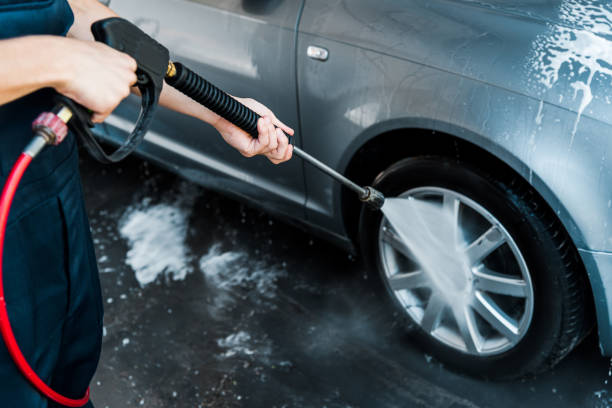
Rinsing a car without a pressure washer is simple and effective. It requires just a few tools and some care to avoid scratches. Proper rinsing removes dirt and soap, leaving your car clean and shiny.
Using A Hose With A Spray Nozzle
A garden hose with a spray nozzle works well for rinsing. The nozzle lets you control water flow and pressure. Use a wide spray to avoid damaging the paint.
Start from the top of the car and move down. This helps wash away dirt and soap easily. Keep the nozzle about 12 inches from the car surface. Too close can cause scratches.
Alternative Rinsing Methods
If you do not have a hose, try using buckets of water. Fill one bucket with clean water for rinsing. Use a sponge or cloth soaked in the water to rinse the car.
Another option is a watering can. Pour water gently over the car to rinse off soap. This method works best on small cars or quick washes.
Drying Your Car
Drying your car is a crucial step after washing it. Water left on the surface can cause spots and streaks. Proper drying keeps your car looking shiny and clean. It also protects the paint from damage caused by water minerals and dirt. Use the right tools and techniques to dry your car effectively.
Choosing The Right Towels
Use soft, absorbent towels designed for cars. Microfiber towels work best because they do not scratch the paint. Avoid using old rags or bath towels. These can leave lint or cause tiny scratches. Have several towels ready to avoid spreading dirt. Gently pat or blot the surface instead of rubbing hard. This helps prevent swirl marks and keeps the paint smooth.
Avoiding Water Spots
Water spots form when minerals in water dry on the car’s surface. Dry your car as soon as possible after washing. Use clean towels and change them if they become too wet. Dry small sections at a time for better control. If you notice spots forming, wipe them off immediately. You can also use a quick detail spray to remove leftover water and add shine.
Additional Tips For A Spotless Car
Cleaning a car by hand takes patience and care. Following a few extra tips can make your car shine like new. These tips focus on parts that often get overlooked but make a big difference.
Cleaning Wheels And Tires
Wheels and tires get dirty fast and need special attention. Use a brush to scrub away brake dust and grime. A wheel cleaner made for your car type works best. Rinse thoroughly to remove all dirt and cleaner. Dry the wheels with a clean cloth to prevent water spots. For tires, apply a tire shine product to make them look fresh and black.
Waxing For Protection
Waxing adds a protective layer to your car’s paint. It helps keep dirt and water from sticking. Use a soft cloth or foam applicator to apply wax in small circles. Let it dry until it looks hazy, then buff with a clean cloth. Waxing gives your car a smooth, shiny finish. It also makes future washing easier and protects against sun damage.

Credit: www.youtube.com
Frequently Asked Questions
How Can I Wash My Car Without A Pressure Washer?
Use a bucket, car soap, microfiber mitt, and hose with a nozzle. Wash in sections from top to bottom. Rinse frequently and dry with a microfiber towel to avoid water spots.
What Household Items Clean A Car Effectively?
Dish soap is harsh; use car-specific soap instead. A soft sponge or microfiber mitt works best. White vinegar diluted in water can remove hard water spots safely.
How Often Should I Wash My Car Manually?
Wash your car every two weeks to maintain its shine. More frequent washing is needed in dusty or salty environments. Regular washing prevents dirt buildup and protects the paint.
Can I Use A Garden Hose For Car Washing?
Yes, a garden hose with a spray nozzle works well. Use a gentle spray setting to avoid damaging the paint. Avoid a direct strong stream to prevent dirt scratches.
Conclusion
Washing your car without a pressure washer is simple and effective. Use basic tools like buckets, sponges, and gentle soap. Take your time and rinse well to avoid spots. This method saves water and protects your car’s paint. You don’t need fancy equipment to keep your car clean.
Just follow these easy steps and enjoy a shiny ride. Clean cars look better and last longer. Give your car some care today with these easy tips.