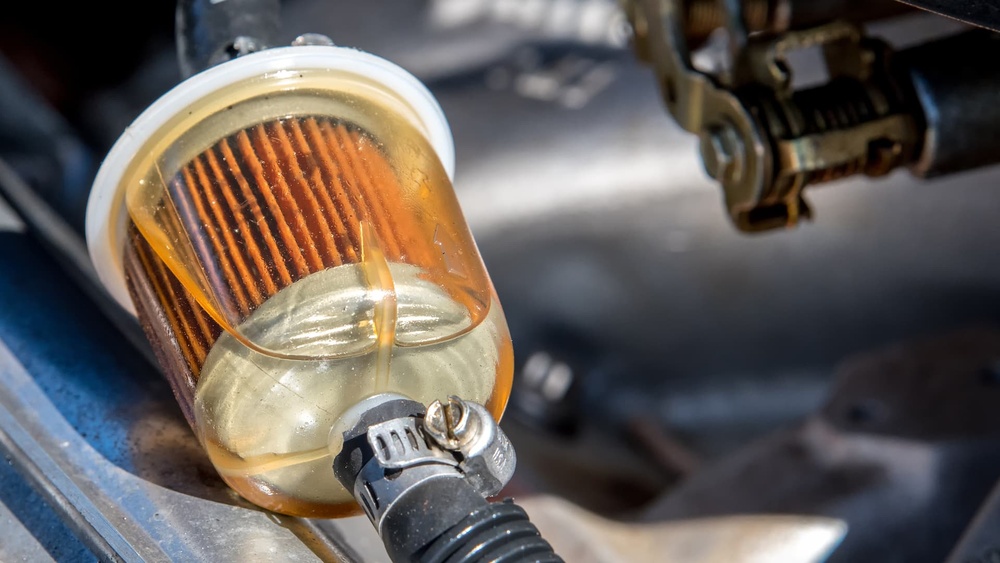
Is your boat’s engine running rough or losing power? One common cause could be a clogged fuel filter.
Knowing how to change a boat fuel filter yourself can save you time, money, and frustration on the water. In this guide, you’ll discover simple steps to replace your fuel filter quickly and safely—even if you’re not an expert. Keep reading to make sure your boat stays smooth, reliable, and ready for every adventure.

Credit: www.youtube.com
Signs Of A Clogged Fuel Filter
Recognizing the signs of a clogged fuel filter is important for boat owners. A blocked filter stops fuel from flowing smoothly to the engine. This can cause several problems that affect your boat’s performance and safety. Spotting these signs early can help you fix the issue before it worsens.
Reduced Engine Performance
Your boat engine may lose power and run poorly. It might struggle to reach high speeds or accelerate smoothly. A clogged fuel filter restricts fuel flow, making the engine work harder. This leads to less efficient fuel use and slower response.
Engine Stalling
The engine may stop suddenly while running. This happens because the fuel flow is not steady. Without enough fuel, the engine can’t keep running. Stalling can occur during idle or while moving, which is dangerous on water.
Unusual Noises
You may hear strange sounds from the engine. These noises can be knocking or sputtering. They happen because the engine struggles with fuel supply. Odd sounds often mean the fuel filter needs attention soon.
Tools And Materials Needed
Changing a boat fuel filter requires the right tools and materials. Being prepared helps the process go smoothly. This section covers what you need to have before starting. Knowing the types of fuel filters, essential tools, and safety gear is key. It also prevents mistakes and saves time.
Fuel Filter Types
There are different types of boat fuel filters. The most common are cartridge filters and spin-on filters. Cartridge filters need the housing opened to replace the filter inside. Spin-on filters twist off and on like an oil filter. Some boats use water-separating filters to remove water from fuel. Knowing your filter type helps you buy the correct replacement. Check your boat manual or the old filter for details.
Essential Tools
Basic tools make the job easier and faster. You need a wrench or filter removal tool for spin-on filters. For cartridge filters, have screwdrivers or a filter housing wrench ready. A container to catch spilled fuel is important. Clean rags help wipe up drips and keep the area tidy. Also, have new fuel filter gaskets or O-rings on hand. These parts ensure a tight seal and prevent leaks.
Safety Equipment
Safety is important when handling fuel. Wear gloves to protect your skin from fuel and dirt. Eye protection keeps fuel splashes away from your eyes. Work in a well-ventilated area to avoid harmful fumes. Have a fire extinguisher nearby in case of accidents. Keep a bucket or cloth to soak up spills quickly. These simple steps protect you and your boat during the filter change.
Preparing Your Boat
Preparing your boat before changing the fuel filter is important. Taking a few safety steps helps avoid problems later. It also makes the process smoother and faster. Follow these simple steps to get your boat ready.
Shutting Off The Engine
Turn off the boat engine completely. This stops fuel flow and avoids accidents. Let the engine cool down for a few minutes. Never work on the fuel system with the engine running.
Locating The Fuel Filter
Find the fuel filter on your boat. It is usually near the engine or fuel tank. Check your boat’s manual if you have trouble finding it. Knowing the exact location saves time and effort.
Relieving Fuel Pressure
Release the fuel pressure before removing the filter. This stops fuel from spraying out. Use a rag or container to catch any fuel spills. Take care to avoid contact with skin or eyes.
Removing The Old Fuel Filter
Removing the old fuel filter is the first step in keeping your boat’s engine running smoothly. This process needs care to avoid spills and damage. Understanding each step helps you work safely and quickly.
Disconnecting Fuel Lines
Start by turning off the fuel supply. This stops fuel flow and reduces spills. Use pliers or a wrench to loosen the clamps on the fuel lines. Gently pull the fuel lines off the filter. Avoid pulling hard to prevent damage.
Handling Fuel Spills
Fuel spills can happen during removal. Keep a rag or cloth nearby to catch drips. Place a small container under the filter to catch excess fuel. Clean any spilled fuel immediately to prevent hazards. Work in a well-ventilated area to avoid fumes buildup.
Taking Out The Filter
Loosen the filter by turning it counterclockwise. Use a filter wrench if it is too tight. Remove the filter carefully to avoid spilling fuel inside. Check the filter mount for dirt or damage. Dispose of the old filter following local regulations.
Installing The New Fuel Filter
Installing the new fuel filter is a key step in keeping your boat running smoothly. It ensures clean fuel flows to the engine without any blockages. Follow these steps carefully to install the filter correctly and avoid fuel problems.
Checking Filter Orientation
Look at the new fuel filter for arrows or labels. These show the direction of fuel flow. The filter must face the right way to work properly. Place it so fuel flows from the tank side to the engine side.
Connecting Fuel Lines Securely
Attach the fuel lines tightly to the filter’s inlet and outlet. Use clamps to hold the hoses in place. Loose connections can cause leaks or air in the fuel system. Double-check that each line is firm and secure.
Testing For Leaks
Start the boat’s engine and watch the filter area closely. Look for any signs of fuel dripping or wet spots. If you see leaks, turn off the engine and tighten the connections. No leaks mean the installation is done correctly.

Credit: www.mby.com
Post-installation Steps
After installing the new boat fuel filter, some important steps follow. These steps ensure the filter works well and the engine runs smoothly. Take your time and follow each step carefully. This will help avoid problems and keep your boat ready to go.
Priming The Fuel System
Priming the fuel system fills the filter and lines with fuel. Use the manual primer bulb or pump on your boat. Squeeze it until you feel resistance and see fuel flow. This removes air pockets that can stop fuel flow. Proper priming helps the engine start easily.
Starting The Engine
Start the engine after priming the fuel system. Listen carefully for any unusual sounds. The engine should run smoothly without sputtering or stalling. If the engine struggles, stop and prime the fuel system again. Repeat this process until the engine runs steady.
Monitoring Performance
Watch the engine’s performance for a few minutes. Check for steady power and no signs of fuel leaks. Keep an eye on the fuel gauge and engine temperature. Any odd behavior may mean the filter is not installed correctly. Address issues quickly to prevent damage.
Maintenance Tips
Proper maintenance keeps your boat running smoothly. Changing the fuel filter is vital, but other tips help too. They protect your engine and extend its life. Follow these simple steps to keep your fuel system clean and efficient.
Regular Inspection Schedule
Check your fuel filter every season or after 50 hours of use. Look for dirt, rust, or water in the filter. Replace the filter if it looks dirty or clogged. Keep a log of inspections to track maintenance. Regular checks prevent engine problems and save money.
Using Quality Fuel
Buy fuel from trusted stations only. Poor-quality fuel clogs filters and harms the engine. Use fuel with the right additives to prevent corrosion. Avoid storing fuel for long periods. Clean fuel keeps your boat running longer and better.
Storing Your Boat Properly
Drain fuel or add stabilizer before storing your boat. Store the boat in a dry, cool place away from direct sun. Seal fuel tanks tightly to stop dirt and moisture entry. Proper storage reduces filter wear and engine damage. It helps your boat start easily next season.

Credit: www.youtube.com
Frequently Asked Questions
How Often Should I Change A Boat Fuel Filter?
Change your boat fuel filter every 100 hours or once a season. Regular changes prevent clogs and engine damage. Always check the manufacturer’s guidelines for specific intervals.
What Tools Do I Need To Replace A Boat Fuel Filter?
You need a wrench, screwdrivers, a container for old fuel, gloves, and a new fuel filter. Having a clean rag helps to wipe spills and keep the area tidy.
How Do I Know If My Boat Fuel Filter Needs Changing?
Signs include engine hesitation, stalling, or difficulty starting. Dirty fuel filters reduce fuel flow and cause poor engine performance. Inspect filters regularly for debris or discoloration.
Can I Change The Boat Fuel Filter Myself Safely?
Yes, with basic mechanical skills and proper precautions. Work in a well-ventilated area, wear gloves, and avoid sparks. Follow the boat’s manual for correct filter replacement steps.
Conclusion
Changing a boat fuel filter keeps your engine running smooth. Regular checks help avoid engine problems and save money. Clean filters stop dirt from damaging parts. Follow steps carefully to do the job right. A well-maintained fuel system means safer, longer trips on the water.
Take time to inspect and replace filters often. Your boat will thank you with better performance and less trouble. Simple care makes a big difference. Ready for your next adventure?