

Are you wondering how much it will cost to replace your fuel filter? Knowing this can save you from unexpected expenses and keep your car running smoothly.
A clogged or dirty fuel filter can cause serious problems, but replacing it doesn’t have to break the bank. You’ll discover the typical costs involved, what affects the price, and how to decide if it’s time for a replacement. Keep reading to get the clear answers you need before you spend a dime.
Credit: www.reddit.com
Fuel Filter Basics
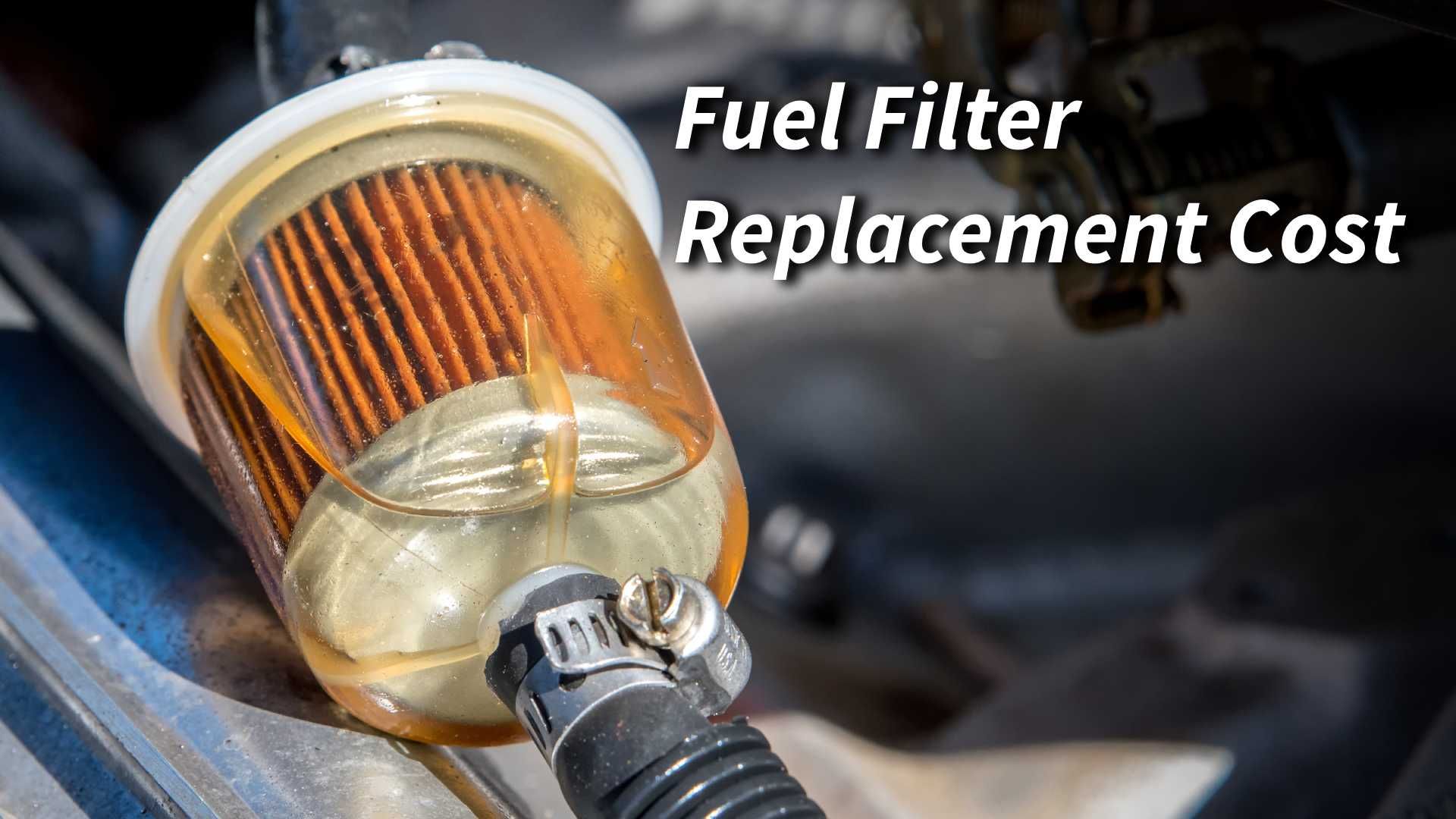
The fuel filter is a small but important part of your vehicle. It cleans the fuel before it reaches the engine. Dirt and debris can harm the engine if not removed. A clean fuel filter helps your car run smoothly and saves money on repairs.
Knowing about the fuel filter helps you understand why replacing it matters. It keeps the fuel system healthy and your vehicle performing well. Ignoring it can cause problems that affect your car’s power and fuel efficiency.
Role In Vehicle Performance
The fuel filter stops dirt and rust from entering the engine. It protects the fuel injectors and keeps fuel flowing freely. A clean filter helps the engine get the right amount of fuel. This means better power and smoother driving. If the filter clogs, the engine may lose power or stall.
Signs Of A Clogged Filter
Your car shows clear signs when the fuel filter is dirty. The engine may hesitate or run rough. You might notice lower fuel efficiency or trouble starting the car. Sometimes, the engine may stall or misfire during driving. These signs mean it is time to replace the fuel filter.

Credit: www.fonho.com
Factors Affecting Replacement Cost
Several factors influence the cost of replacing a fuel filter. Understanding these can help you plan your budget better. Costs vary depending on your vehicle and the type of filter needed. Labor charges also play a big role in the final price.
Vehicle Make And Model
The make and model of your vehicle affect the fuel filter price. Some cars have filters that are easy to access. Others require more work to reach, raising the cost. Luxury or rare vehicles often have more expensive parts. Always check your vehicle’s specific needs.
Type Of Fuel Filter
Fuel filters come in different types and sizes. Some filters are simple and cheap. Others use advanced materials for better filtration and cost more. Diesel engines usually need more robust filters than gasoline engines. The filter type directly impacts the replacement cost.
Labor Charges
Labor costs vary by location and mechanic skill. Dealers often charge more than independent shops. The time needed to replace the filter affects labor cost too. If the filter is hard to reach, expect higher charges. Always ask for a labor estimate before service.
Typical Price Ranges
Replacing a fuel filter is a common car maintenance task. The cost varies by vehicle type and filter quality. Knowing typical price ranges helps you plan your budget well. This section breaks down costs for different vehicles.
Economy Cars
Fuel filter replacement for economy cars usually costs between $30 and $70. The parts are simple and less expensive. Labor charges are lower because the filter is easier to access. Most drivers find this repair affordable.
Luxury Vehicles
Luxury vehicles have higher costs for fuel filter replacement. Prices often range from $80 to $150 or more. Specialized parts and complex designs add to the price. Labor can take longer, raising the total cost.
Trucks And Suvs
Trucks and SUVs often need larger or tougher fuel filters. Expect prices between $50 and $120. Labor might take more time due to vehicle size. Costs vary based on the model and filter type.
Credit: driving.ca
Diy Vs Professional Replacement
Replacing a fuel filter is necessary for vehicle health. You can do it yourself or hire a professional. Each choice affects cost, time, and effort. Understanding the differences helps you decide the best option for your needs.
Cost Savings
DIY replacement saves money on labor fees. Fuel filters usually cost between $10 and $50. Professional service adds $50 to $150 for labor. Doing it yourself means paying only for parts. This can cut total expenses in half or more.
Tools Needed
You need basic tools like wrenches and screwdrivers. Some cars require special fuel line disconnect tools. Safety equipment like gloves and eye protection is important. A clean workspace helps avoid dirt in the fuel system. Professionals have all tools ready and know how to use them fast.
Risks Involved
DIY replacement risks include fuel leaks and improper installation. Fuel is flammable and must be handled carefully. Wrong fitting can cause engine problems or damage. Professionals reduce these risks with experience and proper tools. Mistakes can lead to costly repairs later.
Additional Costs To Consider
Replacing a fuel filter involves more than just the part and labor costs. Some extra expenses might come up during or after the replacement. Knowing these additional costs helps you avoid surprises and plan your budget better.
Hidden Fees
Sometimes, shops add fees that are not clear at first. This can include shop supplies or disposal fees for old parts. These small costs can add up and raise the total price.
Potential Repairs
Fuel filter problems can cause damage to other parts. For example, a clogged filter might harm the fuel pump. Fixing these related issues costs extra money and time.
Warranty Implications
Using the wrong fuel filter or poor installation can void your vehicle’s warranty. This means future repairs might not be covered. Always check that parts and service meet warranty rules.
Tips To Reduce Replacement Costs
Replacing a fuel filter can be costly, but some tips help lower the price. Spending less does not mean sacrificing quality or safety. Small actions can save money on fuel filter replacement over time. These tips help keep your car running smoothly without breaking the bank.
Regular Maintenance
Keep up with regular maintenance to avoid expensive repairs. Change your fuel filter at recommended times. Clean filters help your engine run better and last longer. Prevent dirt buildup that causes filter damage. Regular checks catch issues early, reducing overall costs.
Choosing Quality Parts
Use quality fuel filters for better performance and durability. Cheap parts may fail quickly and cost more in the long run. Look for trusted brands that fit your vehicle. Quality parts reduce the need for frequent replacements. They protect your engine and improve fuel efficiency.
Finding Reliable Mechanics
Choose a trusted mechanic who offers fair prices and good service. Ask for recommendations or read reviews. Skilled mechanics do the job right the first time. Avoid costly mistakes or repeated visits. A reliable mechanic saves time and money on repairs.
Frequently Asked Questions
How Much Does Fuel Filter Replacement Cost?
Fuel filter replacement typically costs between $50 and $150. The price varies based on vehicle make and labor rates. Parts usually cost $20 to $60, while labor ranges from $30 to $90. Always check with your mechanic for an exact quote.
How Often Should I Replace My Fuel Filter?
Most manufacturers recommend replacing the fuel filter every 20,000 to 40,000 miles. Regular replacement ensures optimal engine performance and prevents clogging. Check your owner’s manual for specific intervals based on your vehicle model and driving conditions.
Can I Replace The Fuel Filter Myself?
Yes, if you have basic mechanical skills and tools, you can replace the fuel filter yourself. However, some vehicles require special tools or procedures. Always follow safety precautions and consult your vehicle’s manual before attempting replacement.
What Happens If I Don’t Replace A Clogged Fuel Filter?
A clogged fuel filter can reduce engine performance, cause stalling, and decrease fuel efficiency. It may also lead to engine damage if ignored. Replacing the filter on time helps maintain smooth fuel flow and protects your engine.
Conclusion
Replacing a fuel filter usually costs between $50 and $150. The price depends on your car model and labor fees. Regular replacement keeps your engine clean and running well. Neglecting it can cause engine problems and higher repair costs. Check your car’s manual for recommended intervals.
Simple maintenance saves money and avoids breakdowns. Stay aware of signs like poor engine performance or strange noises. Keeping your fuel filter fresh helps your car last longer. Don’t wait until problems appear; act early for smooth driving.


