

Is your vehicle not running as smoothly as it used to? A clogged or dirty fuel filter might be the hidden culprit slowing down your engine.
Knowing how to test a fuel filter yourself can save you time, money, and frustration. In this guide, you’ll discover simple, clear steps to check your fuel filter’s health. By the end, you’ll feel confident spotting problems before they turn into costly repairs.
Ready to take control of your vehicle’s performance? Let’s dive in.

Credit: sensorhaus.com
Fuel Filter Basics
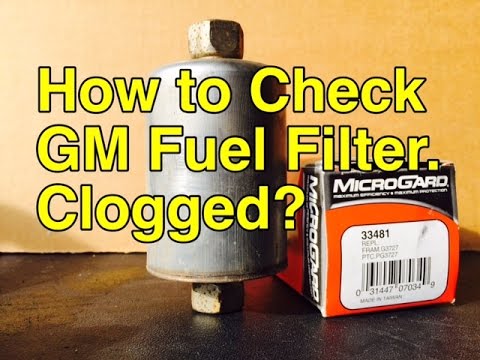
The fuel filter is a small but important part of your vehicle’s engine system. It keeps dirt and debris from entering the engine. Clean fuel helps the engine run smoothly and last longer.
Understanding the basics of the fuel filter helps you maintain your car better. A clogged or dirty filter can cause many problems. Knowing the signs and the filter’s role can save you time and money.
Role In Engine Health
The fuel filter stops dust, rust, and dirt from reaching the engine. Clean fuel means better engine performance. It helps the engine burn fuel efficiently. This leads to smoother driving and less engine wear.
A blocked filter restricts fuel flow. The engine may run rough or stall. The filter protects sensitive engine parts from damage. It keeps fuel injectors clean and working well.
Signs Of A Clogged Filter
Watch for engine problems like hesitation or stalling. Your car may lose power during acceleration. The engine might start hard or sputter. These are common signs of a dirty fuel filter.
Fuel efficiency can drop too. You may notice the engine misfires or runs unevenly. Strange noises from the engine can also appear. Early detection helps avoid costly repairs.
Credit: www.youtube.com
Tools Needed
Testing a fuel filter requires specific tools to do the job right. Having the correct equipment makes the process safer and faster. Prepare your tools before starting to avoid delays or mistakes.
Essential Equipment
You need a few key tools to test a fuel filter. A fuel pressure gauge is important to check fuel flow. A wrench set helps remove the fuel filter from the engine. A clean container or bowl catches any fuel that leaks out. Some cars need a screwdriver to open the filter housing. A flashlight helps you see in dark engine areas.
Safety Gear
Safety gear protects you from fuel spills and fumes. Wear safety glasses to protect your eyes. Use gloves to keep your hands clean and safe. Wear long sleeves to protect your skin. Work in a well-ventilated area to avoid inhaling fumes. Keep a fire extinguisher nearby for emergencies.
Preparing Your Vehicle
Preparing your vehicle is the first step before testing the fuel filter. It helps keep you safe and makes the process easier. Taking time to get ready means fewer problems later. Safety always comes first when working on a car.
Proper preparation also helps you find the fuel filter quickly. Knowing where it is saves time. A clean, organized workspace makes the task simpler and faster.
Park And Secure
Park your vehicle on a flat surface. This keeps the car steady while you work. Turn off the engine and remove the keys. Engage the parking brake to stop any movement. Use wheel chocks if you have them. These steps prevent accidents during the test.
Locate The Fuel Filter
Open the hood and look near the engine. Some filters are near the fuel tank or along the fuel line. Check your vehicle manual for exact location. The fuel filter looks like a small cylinder or canister. Clean the area around it before you start. This stops dirt from entering the fuel system.
Testing Methods
Testing a fuel filter ensures your engine runs smoothly. It helps find blockages or damage early. There are simple methods to check the filter’s condition. These tests do not need special tools. They give clear signs if the filter needs replacement.
Visual Inspection
Start by looking at the fuel filter closely. Check for cracks, dirt, or rust on its surface. A dirty or damaged filter can cause fuel flow problems. Look inside if the filter is clear or see-through. Any dark spots or debris means it is clogged. Replace the filter if it looks worn out.
Fuel Flow Test
This test checks how well fuel moves through the filter. Disconnect the fuel line after the filter. Place a container to catch the fuel. Turn the ignition on without starting the engine. Watch the fuel flow into the container. Slow or weak flow means the filter is blocked. A good filter lets fuel flow fast and steady.
Pressure Test
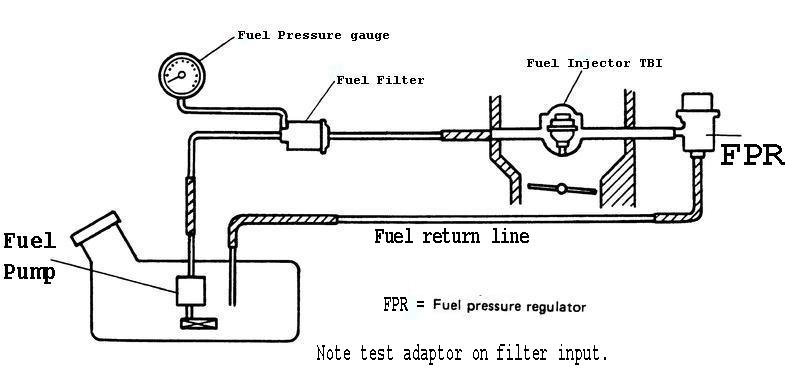
Use a pressure gauge to check fuel pressure before and after the filter. Attach the gauge to the fuel line. Turn on the engine and read the pressure levels. A big drop in pressure after the filter shows a blockage. Normal pressure means the filter is clean. This test needs some tools but gives exact results.
Interpreting Results
After testing a fuel filter, understanding the results is important. It helps you know if the filter works well or if it has problems. Clear signs show whether the filter is okay or needs attention. This section explains how to read these signs. It also tells when to replace the filter for best engine care.
Normal Vs. Problematic Signs
A normal fuel filter lets fuel flow smoothly. The engine runs without hesitation. No unusual noises or sputtering occur. Fuel pressure stays steady within the recommended range. These signs mean the filter is clean and working well.
Problematic signs include slow engine start or loss of power. The engine may stall or hesitate during acceleration. Fuel pressure drops below the normal range. Dirt or debris may block the filter. These signs show the filter is clogged or damaged.
When To Replace
Replace the fuel filter if you see problematic signs. Also, follow the vehicle’s maintenance schedule for regular changes. A clogged filter harms engine performance and fuel efficiency. Do not wait for severe symptoms. Early replacement keeps your engine healthy and running smooth.
Credit: fixkick.com
Maintenance Tips
Maintaining a fuel filter is important for your vehicle’s health. Regular care keeps your engine running smoothly. It also prevents dirt and debris from causing damage. Follow these tips to test and maintain your fuel filter effectively.
Regular Inspection Schedule
Check the fuel filter every 12,000 to 15,000 miles. Look for dirt, rust, or clogging signs. Replace the filter if it looks dirty or damaged. Stick to the schedule to avoid engine problems. Regular checks help catch issues early.
Choosing The Right Filter
Select a fuel filter that fits your vehicle model. Use filters approved by the manufacturer. Cheap filters may not clean fuel properly. A good filter ensures clean fuel flow and better engine life. Always read product details before buying.
Frequently Asked Questions
How Do You Know If A Fuel Filter Is Clogged?
A clogged fuel filter causes engine sputtering, poor acceleration, and difficulty starting. Check for reduced fuel flow or unusual engine noise. Regular inspection helps detect blockages early, preventing engine damage and ensuring smooth performance.
What Tools Are Needed To Test A Fuel Filter?
To test a fuel filter, you need a fuel pressure gauge, a wrench, and safety gloves. These tools help measure fuel pressure accurately and safely disconnect the filter for inspection or replacement.
Can A Faulty Fuel Filter Cause Engine Problems?
Yes, a faulty fuel filter restricts fuel flow, leading to engine misfires, stalling, and reduced power. Replacing or testing the filter maintains fuel system health and prevents costly engine repairs.
How Often Should You Test Your Fuel Filter?
Test your fuel filter every 20,000 to 30,000 miles or as recommended by your vehicle’s manual. Regular checks ensure optimal fuel flow and prevent engine performance issues caused by contamination.
Conclusion
Testing a fuel filter helps keep your engine running smoothly. Clean filters stop dirt from blocking fuel flow. A simple test can show if the filter needs changing. Regular checks save money and prevent engine trouble. Take your time and follow each step carefully.
Good maintenance means better car performance and fewer repairs. Keep your vehicle healthy by testing the fuel filter often. Simple actions make a big difference in the long run.


