Have you ever noticed a car with a smooth, sleek look where the back wheel seems almost hidden? That design isn’t just for style—it serves a special purpose.
If you’re curious about what car has the body panel covering the back wheel and why it matters, you’re in the right place. By the end of this article, you’ll understand which cars use this unique feature and how it affects performance and appearance.
Keep reading to discover the secrets behind that smooth, covered look and what it means for your next ride.
Cars With Rear Wheel Body Panels
Cars with rear wheel body panels have a special design feature. These panels cover the back wheels partially or fully. They change the look and sometimes the function of the car. These panels can make the car look smoother and more stylish. They also help with airflow around the wheels.
Some cars use these panels for better aerodynamics. Others use them mainly for style. This design is often seen in sports cars and classic models. It adds a unique character to the car’s appearance.
Classic Cars With Rear Wheel Covers
Many classic cars have rear wheel body panels. Models from the 1940s and 1950s often show this feature. It was popular to cover the rear wheels to create a sleek look. These panels gave the cars a clean and elegant style. Examples include the Chevrolet Fleetline and some Cadillac models.
Modern Sports Cars Using Rear Wheel Panels
Modern sports cars sometimes include rear wheel body panels. They help reduce air resistance and improve speed. These panels can smooth the airflow around the wheels. This design improves the car’s performance on the road. Some electric cars also use these panels for better efficiency.
Benefits Of Rear Wheel Body Panels
Rear wheel panels protect the wheels from dirt and damage. They also improve the car’s aerodynamics. This can lead to better fuel efficiency. The panels add a unique style to the vehicle’s design. They make the car stand out on the street.
Credit: www.ebay.com
Purpose Of Rear Wheel Covers
Rear wheel covers are panels that hide or shield the back wheels of a car. These covers serve several key functions. They improve how the car moves through air, protect important parts, and can also change the car’s look. Many vehicles, especially older or special models, use these covers for these reasons.
Aerodynamics Benefits
Rear wheel covers help air flow smoothly around the car. They reduce air drag that slows the car down. Less drag means the car can use less fuel. Cars with these covers often run quieter and more efficiently. This helps drivers save money on gas over time.
Aesthetic Appeal
These covers add a clean, sleek look to cars. They hide the wheel’s complex parts and give a smooth surface. This makes the car look more stylish and modern. Some car makers design covers to match the car’s shape perfectly. This gives the car a unique and polished appearance.
Protection And Durability
Rear wheel covers protect wheels from dirt, mud, and stones. They reduce damage from road debris and weather. This helps keep the wheels and brakes in better condition. By protecting these parts, the car lasts longer and needs fewer repairs. Drivers can enjoy safer and smoother rides.
Classic Cars Featuring Rear Wheel Panels
Classic cars often have unique designs that stand out today. One special feature is the body panel covering the back wheel. This design adds style and protects the wheel from dirt and damage. Many classic cars show this feature with pride.
These rear wheel panels are not just practical. They also give cars a sleek, smooth look. Car makers used this design on different models to add charm and class. Let’s explore some famous classic cars with rear wheel panels.
Vintage Luxury Models
Luxury car makers used rear wheel panels to create elegance. Models like the 1930s Packard and Cadillac featured this design. The panels helped these cars look longer and more graceful. They also kept the wheels clean, showing off the car’s polished finish.
This design became a symbol of wealth and style. Drivers enjoyed the smooth lines and added protection. Today, these vintage models remain popular among collectors and fans.
Iconic Muscle Cars
Some muscle cars from the 1960s and 1970s included rear wheel panels. Cars like the Chevrolet Corvette used them to enhance aerodynamics. The panels helped improve performance by reducing air drag. They also gave the cars a bold, aggressive look.
Muscle car fans appreciate these panels for their mix of function and style. They make the cars stand out on the road and the track. These classic muscle cars remain a symbol of power and design innovation.
Modern Cars With Rear Wheel Covers
Modern cars with rear wheel covers show a unique blend of style and function. These covers hide the back wheels partially or fully. They help improve the car’s aerodynamics. This means the car can move smoother and use less fuel. Designers also use them to give cars a sleek, futuristic look.
Rear wheel covers are not common on all cars. They mostly appear on specific types like electric vehicles and concept cars. These cars focus on efficiency and innovation. They use wheel covers to reduce air drag. This small change can make a big difference in how the car performs.
Electric Vehicles
Electric vehicles often use rear wheel covers to boost their range. Covering the wheels reduces air resistance at high speeds. It helps electric motors work more efficiently. Cars like the Tesla Model 3 and Hyundai Ioniq show this design trend. Some models have removable covers to blend style and function. This design helps drivers go farther on a single charge. It also gives electric cars a clean, smooth look.
Concept And Sports Cars
Concept cars use rear wheel covers to show new ideas. Designers experiment with shapes that lower drag. These covers also create a futuristic appearance. Sports cars use them to improve speed and stability. Covering the rear wheels can reduce lift at high speeds. This makes the car safer and more stable. Cars like the BMW i8 and various Le Mans prototypes use this feature. It shows how style and performance come together in modern car design.
Customization And Aftermarket Options
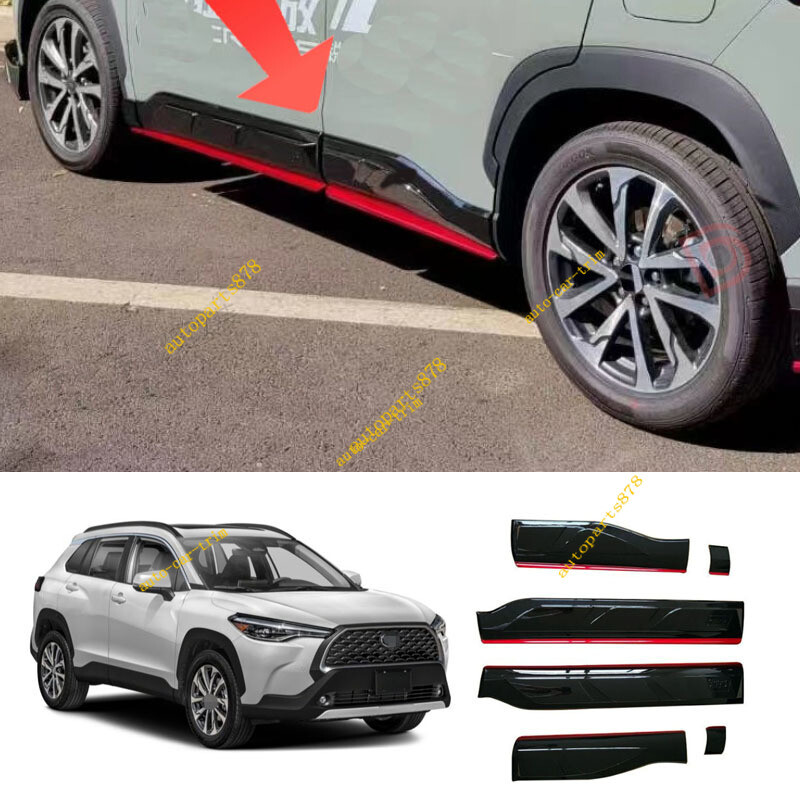
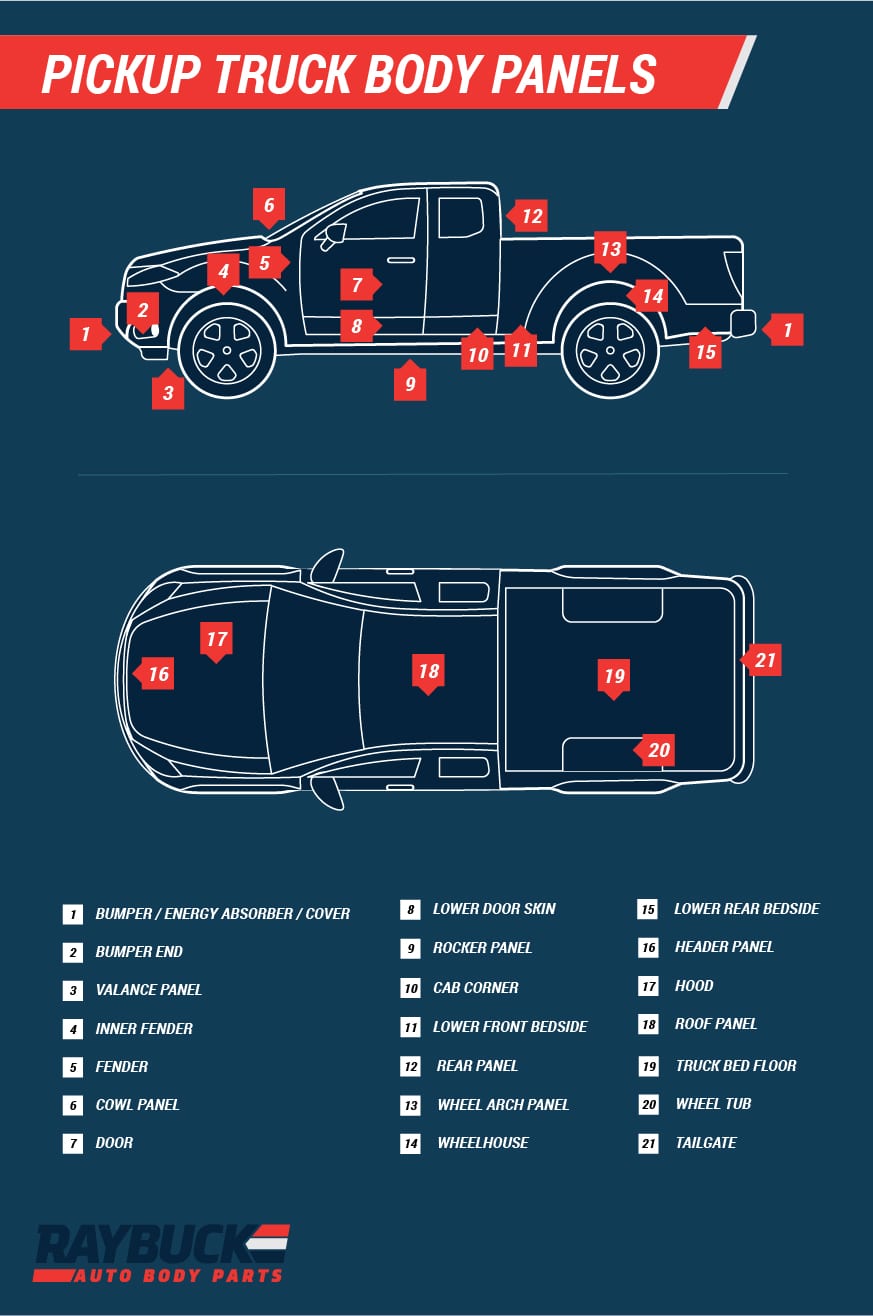
Car enthusiasts often change the body panel covering the back wheel to improve the car’s look. This part, called the rear wheel panel, can add style and protect the wheel. Many choose to customize this panel to fit their taste and car model. Aftermarket options offer many ways to change or enhance this part.
These customizations let owners make their cars unique. They can choose different shapes, sizes, and colors. Some panels add a sporty look, while others keep a classic style. The variety of choices helps car owners find the perfect fit for their vehicle.
Adding Rear Wheel Panels
Adding a rear wheel panel is a popular upgrade. It often involves replacing the stock panel with a new one. Some car owners add wider panels to cover larger tires. Others add panels for a smoother, cleaner look. Installation can be simple or require professional help.
Some rear wheel panels come as part of a kit. These kits include all parts needed for installation. They can improve the car’s aerodynamics and appearance. Many kits are designed to fit specific car models for easy installation.
Popular Materials And Styles
Rear wheel panels come in different materials. Common options include fiberglass, carbon fiber, and ABS plastic. Fiberglass is light and easy to shape. Carbon fiber is strong and very light but more expensive. ABS plastic is durable and affordable.
Styles vary from smooth and simple to bold and textured. Some panels are painted to match the car’s color. Others have a matte or glossy finish. The style choice depends on the desired look and budget. Many owners mix materials and finishes for a custom design.
Credit: raybuck.com
Top Picks For Cars With Rear Wheel Covers
Cars with rear wheel covers stand out with a unique style. These covers hide the back wheel, giving a smooth look. This design often appears in classic and modern cars. Some models focus on style, others on aerodynamics. Below are top picks for cars featuring this design.
Best Classic Models
Classic cars often used rear wheel covers for flair. The 1950s Cadillac Eldorado is a prime example. It shows elegance with its covered rear wheels. The 1940s Buick Roadmaster also features this design. These cars highlight vintage style and craftsmanship. They remain popular among collectors today.
Top Modern Choices
Modern cars use rear wheel covers for better airflow. The Tesla Model 3 offers this feature on some trims. It helps improve battery range and efficiency. The Chevrolet Volt also uses rear wheel covers. These designs blend style with modern technology. They appeal to drivers who want sleek and smart cars.
Affordable Options
Some budget-friendly cars include rear wheel covers. The Volkswagen Beetle is one example. It combines a retro look with modern parts. Another option is the Honda Insight. It features partial rear wheel covers for efficiency. These cars offer style without high costs. They suit buyers who want unique looks on a budget.

Credit: en.wikipedia.org
Frequently Asked Questions
What Car Models Have Rear Wheel Body Panel Covers?
Classic cars like the Chevrolet Corvette and certain vintage Volkswagen Beetles feature body panels that cover the back wheel. These panels improve aerodynamics and add a distinctive style to the vehicle’s design.
Why Do Some Cars Cover Their Rear Wheels?
Rear wheel covers reduce air drag and improve fuel efficiency. They also protect the wheels from dirt and enhance the car’s sleek appearance.
Are Rear Wheel Covers Common In Modern Cars?
Rear wheel covers are rare in modern cars but appear in some electric and aerodynamic models. They mainly focus on improving efficiency and futuristic design elements.
How Do Rear Wheel Covers Affect Car Performance?
By covering the rear wheels, these panels reduce wind resistance. This leads to better fuel economy and sometimes improved stability at higher speeds.
Conclusion
Cars with body panels covering the back wheel offer a unique look. These panels help improve aerodynamics and style. Many classic and modern cars use this design. It makes the car appear smooth and sleek. Drivers often appreciate the clean lines and reduced drag.
This feature is both functional and visually appealing. Understanding which cars have this can guide your choice. It’s a small detail with a big impact on design. Consider this when exploring car styles and features.