

Changing your diesel engine’s fuel filter is a smart way to keep it running smoothly. But what comes next?
If you don’t know how to prime the engine properly after the change, you might face trouble starting it or even cause damage. You want your engine to fire up quickly and run without hiccups, right? This guide will walk you through simple, clear steps to prime your diesel engine correctly.
By the end, you’ll feel confident and ready to get your vehicle back on the road without delay. Keep reading to learn exactly what you need to do next!
Signs You Need To Prime
After changing a diesel fuel filter, priming the engine is a crucial step. It helps remove trapped air from the fuel system. Knowing when to prime ensures your engine runs smoothly. Watch for specific signs that tell you priming is needed.
Fuel System Airlocks
Air can enter the fuel system during filter changes. These airlocks stop fuel flow to the engine. The engine may fail to start or run roughly. Priming pushes air out and fills the system with fuel. Ignoring airlocks can cause damage over time.
Engine Stalling Issues
The engine may start but stall quickly. This happens because fuel supply is interrupted. Stalling often occurs right after filter replacement. Priming restores steady fuel flow and stops stalling. It saves you from unexpected breakdowns on the road.
Tools Required
Priming a diesel engine after changing the fuel filter needs the right tools. Having these tools ready makes the process smooth and safe. Each tool has its role in removing air and ensuring fuel flows properly. Knowing the tools helps avoid mistakes and saves time.
Hand Primer Pump
The hand primer pump is key to pushing fuel through the system. It removes air trapped in fuel lines quickly. This pump fits on the fuel filter or fuel line. You press or squeeze it several times to build fuel pressure. This tool helps avoid engine damage from air pockets.
Wrenches And Screwdrivers
Wrenches and screwdrivers help loosen or tighten fittings and clamps. You need them to open bleed screws on the fuel filter housing. These tools provide control and prevent damage to parts. Correct size wrenches avoid stripping bolts or screws. They are essential for a secure and leak-free fuel system.
Safety Precautions
Safety is the top priority when priming a diesel engine after changing the fuel filter. Diesel fuel and engine parts can pose risks if handled carelessly. Taking proper safety steps protects you and your engine. Always prepare the workspace and use the right protection before starting the task.
Work In A Well-ventilated Area
Diesel fumes can be harmful if you breathe them in. Always work outdoors or in a space with good airflow. Open doors and windows to let fresh air circulate. Avoid closed rooms or garages without ventilation. This helps reduce the chance of inhaling dangerous fumes. It also lowers the risk of fire from fuel vapors.
Wear Protective Gear
Wear gloves to protect your skin from diesel fuel. Diesel can cause irritation or rashes on contact. Use safety goggles to shield your eyes from splashes. Fuel spills can damage your eyesight. Wearing old clothes or a work apron helps keep your clothes clean. Boots or sturdy shoes protect your feet from spills and heavy parts.
Locating The Fuel Filter
Locating the fuel filter is the first step in priming a diesel engine after changing the filter. The fuel filter cleans dirt and water from the diesel fuel. Finding it quickly helps you avoid mistakes and saves time. You must know where to look and how to spot the parts connected to it.
Common Filter Positions
The fuel filter is often near the engine or fuel tank. Many diesel engines have the filter on the side of the engine block. Some trucks place it inside the engine bay. Others mount it under the vehicle, close to the fuel tank. Look for a small canister or cylinder shape. It usually has fuel lines attached to it and a metal or plastic cover.
Identifying Fuel Lines
Fuel lines are thin tubes that carry diesel to the engine. They connect directly to the fuel filter. One line brings fuel from the tank to the filter. Another line sends clean fuel from the filter to the engine. Fuel lines are often black, rubber, or metal tubes. Tracing these lines helps you confirm the filter’s exact location. Check for clamps or screws holding the lines in place. Always be gentle to avoid damage.
Steps To Prime The Engine
Priming a diesel engine after changing the fuel filter is important. It removes air from the fuel system. This helps the engine start smoothly. Follow these simple steps to prime your diesel engine correctly. Each step is easy to do and ensures no air stays trapped.
Loosen The Bleed Screw
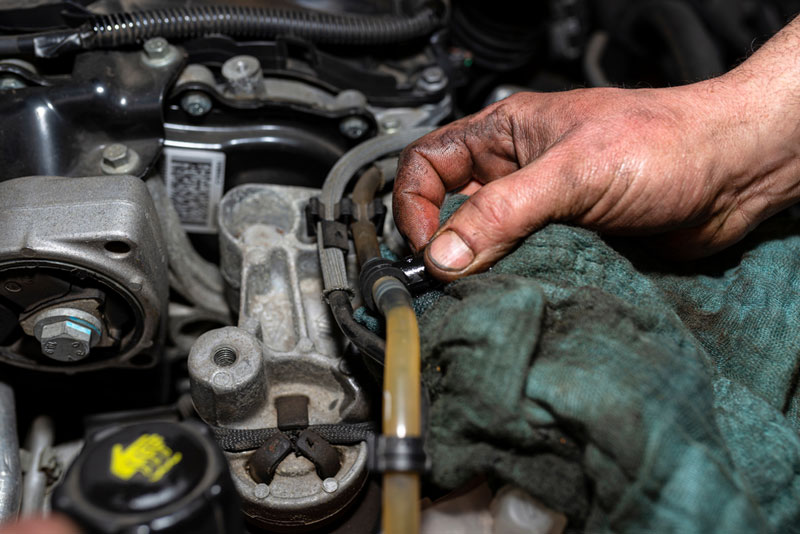
Locate the bleed screw on the fuel filter or fuel pump. Use a wrench to loosen it slightly. Do not remove it completely. Loosening the screw lets trapped air escape. Keep a cloth ready to catch any fuel that may leak out.
Use The Primer Pump
Find the primer pump, usually a small hand pump near the fuel filter. Press the pump slowly and steadily. Watch the fuel flow from the bleed screw. Continue pumping until fuel flows without bubbles. This means air is fully removed from the system.
Tighten The Bleed Screw
Once fuel flows smoothly, tighten the bleed screw firmly. Make sure it is secure to prevent leaks. Wipe away any spilled fuel. Now the fuel system is sealed and ready for the engine to start. Your diesel engine is properly primed and set for use.

Credit: www.youtube.com
Checking For Leaks And Air
Checking for leaks and air in the fuel system is crucial after changing the fuel filter. Air in the system can cause the engine to run poorly or not start at all. Leaks can waste fuel and allow dirt into the engine. This section explains how to spot these issues and fix them quickly.
Inspect Fuel Lines
Look closely at all fuel lines around the filter. Check for cracks, loose clamps, or wet spots. Wet areas usually mean fuel is leaking. Tighten any loose connections carefully. Replace damaged hoses before starting the engine. Clear fuel lines prevent air from entering the system.
Listen For Unusual Noises
Turn the engine on and listen carefully. Watch for sputtering or coughing sounds. These noises often mean trapped air in the fuel system. A smooth, steady sound means the engine is running well. If you hear odd noises, repeat priming or check for leaks again.
Starting The Engine
Starting the engine after changing the fuel filter is a key step. This process ensures the diesel engine runs smoothly and avoids damage. Proper priming helps remove air trapped in the fuel system. Air pockets can cause hard starting or engine stalling. Follow the right steps to get your engine running without trouble.
Initial Cranking Tips
Turn the ignition key to start the engine but do not hold it too long. Crank the engine for about 5 to 10 seconds. Stop and wait for 10 seconds before trying again. This helps the fuel pump push diesel through the system. Avoid continuous cranking to prevent battery drain. Repeat this step a few times until the engine starts or runs smoothly.
When To Repeat Priming
If the engine does not start after several attempts, repeat the priming process. Check for air leaks around the fuel filter and connections. Air must be fully removed for the engine to run well. If the engine sputters or stalls, stop and prime again. Repeat until the engine runs without hesitation. Proper priming reduces engine wear and improves performance.
Credit: airdogdiesel.com
Common Mistakes To Avoid
Priming a diesel engine after changing the fuel filter is crucial for smooth operation. Many people make simple mistakes that cause engine trouble. Avoiding these errors saves time and prevents damage. Here are common mistakes to avoid during priming.
Over-priming
Too much priming can flood the fuel system. Pumping the primer excessively forces extra fuel into the lines. This can create pressure issues and damage seals. Stop priming as soon as fuel flows steadily from the filter. Over-priming wastes fuel and may cause leaks.
Ignoring Airlocks
Air trapped in fuel lines blocks the flow to the engine. Ignoring airlocks leads to hard starts or no start at all. Bleed the system carefully to remove all air bubbles. Use the correct bleed points and repeat until fuel runs clean. Airlocks must be cleared for proper engine function.
Maintenance Tips Post-filter Change
After changing a diesel engine’s fuel filter, proper maintenance is key. It helps keep the engine running smoothly. It also prevents damage and costly repairs. Simple steps maintain fuel flow and engine health. Follow these tips to extend your engine’s life.
Regular Filter Checks
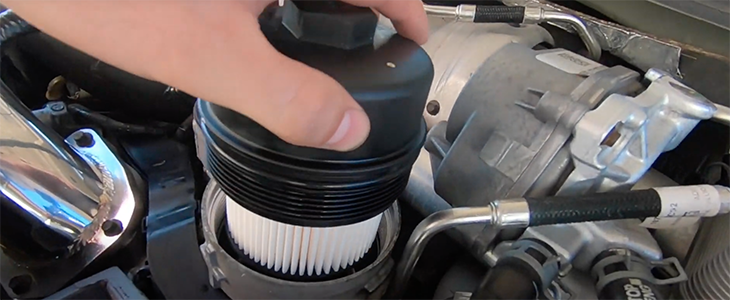
Check the fuel filter often. Dirt and debris can build up quickly. Inspect the filter for clogging or damage. Replace it if you see signs of wear. Regular checks keep fuel clean and protect the engine. Set a schedule to avoid forgetting this task.
Fuel Quality Importance
Use clean and good-quality diesel fuel. Dirty fuel can clog the new filter fast. Poor fuel lowers engine performance and causes problems. Buy fuel from trusted sources only. Store fuel in clean containers to avoid contamination. Good fuel helps the engine run better and last longer.
Credit: ecogard.com
Frequently Asked Questions
How Do You Prime A Diesel Engine After Changing Fuel Filter?
To prime a diesel engine, first turn the ignition on without starting. Use the manual primer pump or electric fuel pump until you feel resistance. This removes air and ensures fuel reaches the engine for smooth startup.
Why Is Priming Necessary After Fuel Filter Replacement?
Priming removes trapped air in the fuel system. Air can cause engine misfires or prevent starting. It ensures continuous fuel flow and protects the fuel injection system from damage.
How Long Does Priming A Diesel Engine Take?
Priming usually takes 2-5 minutes depending on the vehicle and pump type. Stop priming once you feel firm resistance or see fuel without bubbles. Avoid over-priming to prevent fuel overflow or damage.
Can I Start The Engine Without Priming After Filter Change?
Starting without priming can cause hard starting or engine stalls. Air in the fuel lines reduces fuel flow and pressure. Always prime to ensure smooth and safe engine operation.
Conclusion
Priming a diesel engine after changing the fuel filter is important. It helps remove air from the fuel system. This process keeps the engine running smoothly and avoids starting problems. Follow the steps carefully and take your time. A well-primed engine saves fuel and reduces wear.
Now, your diesel engine is ready to work better and last longer. Keep this guide handy for future fuel filter changes. Simple actions can make a big difference in engine health. Stay safe and maintain your engine regularly.


