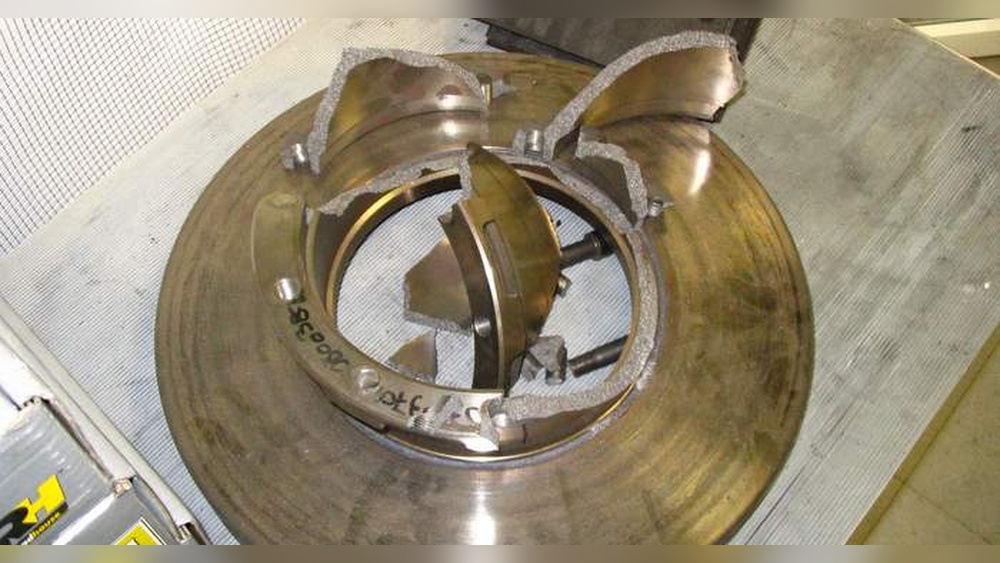
Have you ever felt your car’s brakes behaving oddly or noticed strange noises when you slow down? These could be signs of brake rotor failure, a problem that can put your safety at serious risk.
Understanding how brake rotor failure happens is crucial for keeping your vehicle in top shape and protecting yourself on the road. You’ll discover what causes brake rotors to fail, how to spot the warning signs early, and what you can do to avoid costly repairs or dangerous accidents.
Keep reading to learn how to take control of your car’s braking system before it’s too late.
Brake Rotor Basics
Understanding brake rotors is key to knowing how vehicle braking works. Brake rotors help stop your car safely. They work with other parts of the braking system. Rotors take the heat and force when you press the brake pedal. Knowing their basics helps spot problems early.
Role In Vehicle Braking
Brake rotors are metal discs attached to the wheels. When you press the brake pedal, brake pads press against the rotors. This contact slows down the wheel’s spin. The friction between pads and rotors creates the stopping power. Rotors must handle high heat and pressure without warping. If rotors fail, braking becomes weak and unsafe.
Types Of Brake Rotors
There are several types of brake rotors. Solid rotors are simple and common in small cars. Vented rotors have air channels to cool faster. Drilled rotors have holes for heat and gas release. Slotted rotors have grooves to clean brake pads. Each type suits different driving needs and conditions.
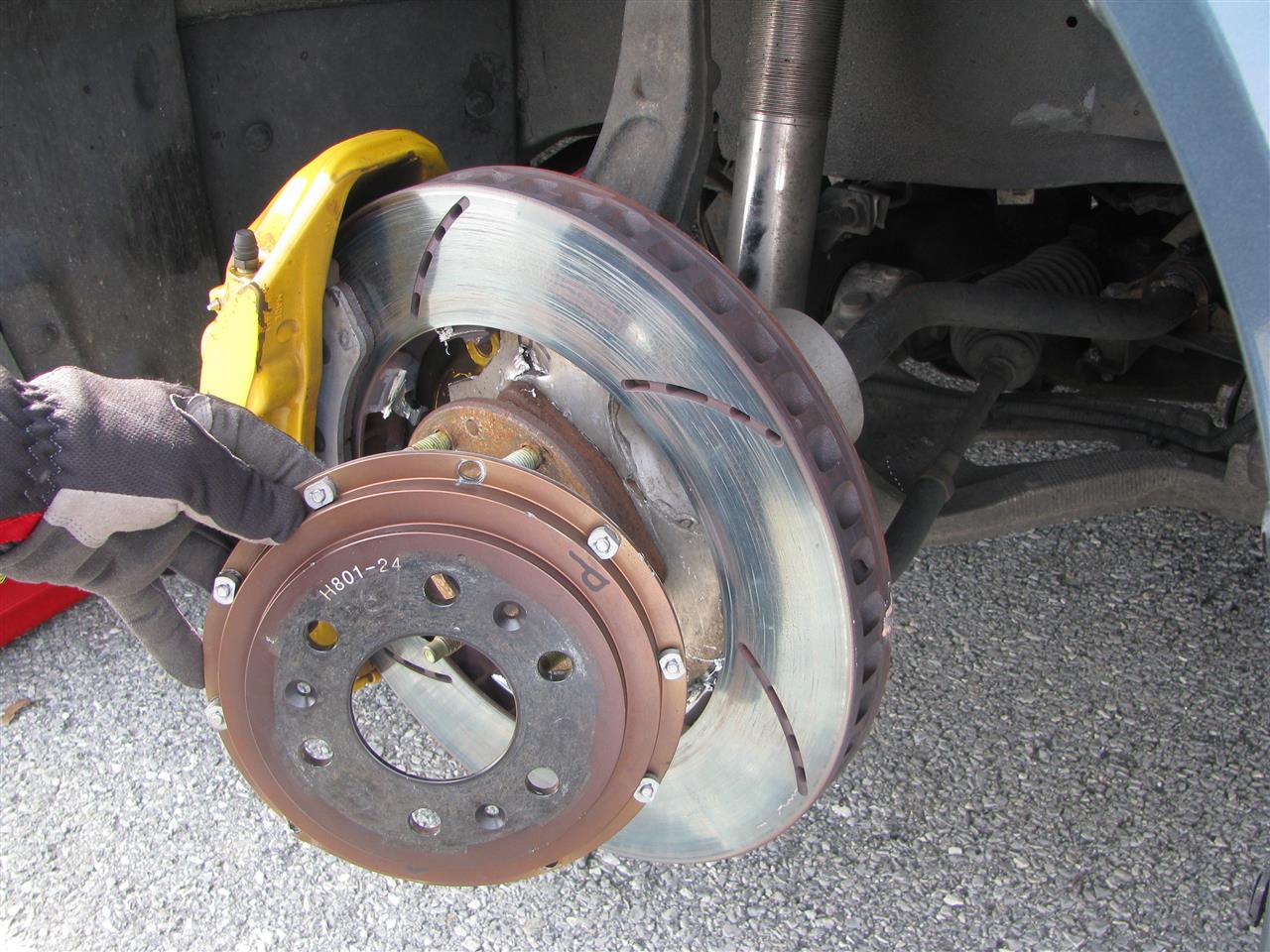
Credit: forums.nasioc.com
Signs Of Rotor Failure
Brake rotor failure can cause serious problems while driving. Knowing the signs helps you stay safe and avoid costly repairs. Recognizing these signs early can save your brakes and your money.
Unusual Noises
Strange sounds from the brakes often mean rotor issues. Squealing or grinding noises show rotor wear or damage. These noises appear when rotors have deep grooves or cracks. Pay attention to any new, odd sounds during braking.
Vibrations During Braking
Feeling vibrations in the brake pedal or steering wheel is a clear sign. Warped or uneven rotors cause these shakes. Vibrations usually increase with speed or pressure on the brake. This problem affects your control and comfort while driving.
Visible Damage
Inspecting rotors can reveal cracks, rust, or deep grooves. These marks show the rotor’s poor condition. Thin or worn rotors can sometimes be seen through the wheel. Visible damage means the rotor needs replacement soon.
Effects On Braking Performance
Brake rotor failure has a direct impact on how your vehicle stops. It affects the braking system’s ability to work properly and safely. Understanding these effects helps you know why quick repairs matter.
Reduced Stopping Power
Damaged rotors lower the brake system’s strength. The brakes can’t grip well, causing longer stopping distances. This delay increases the risk of accidents on the road.
Increased Brake Pedal Travel
Rotors in poor condition can make the brake pedal feel soft. You may need to press the pedal further to slow down. This change can confuse drivers and reduce control.
Brake Fade Issues
Worn or warped rotors cause brake fade, where brakes lose power after use. Heat builds up faster, making brakes less effective. This problem is dangerous during long drives or steep hills.

Credit: www.intechopen.com
Safety Risks From Rotor Failure
Brake rotor failure poses serious safety risks for drivers and passengers. Rotors play a key role in stopping the car safely. When they fail, the vehicle’s braking system struggles to work properly. This can lead to dangerous situations on the road. Understanding these risks helps highlight why rotor maintenance is critical.
Longer Stopping Distances
Damaged rotors reduce the brake system’s effectiveness. The car needs more distance to stop. This can be a problem in emergencies. Drivers may not stop in time to avoid collisions. Longer stopping distances increase the chance of crashes.
Loss Of Vehicle Control
Rotor failure can cause uneven braking. This makes the car pull to one side. Drivers may lose control of the vehicle. Loss of control is especially risky at high speeds. It can lead to dangerous swerving or spinning out.
Increased Accident Risk
Faulty rotors raise the chance of accidents. Poor braking can cause rear-end collisions. It also makes it harder to avoid obstacles. Every brake failure moment puts lives at risk. Safe rotors are essential for accident prevention.
Preventing Rotor Failure
Preventing brake rotor failure protects your safety and saves money on repairs. Rotors wear out over time and can crack or warp. Early care keeps rotors working well and avoids big problems.
Regular Inspections
Check brake rotors often for cracks, grooves, or rust. Look for uneven wear or thin spots. Inspections help catch issues before they get worse. Have a mechanic inspect rotors during routine service visits.
Proper Maintenance
Keep brake components clean and free from dirt. Use the right brake pads to avoid rotor damage. Avoid hard braking that heats rotors too much. Proper care extends rotor life and improves braking.
Timely Replacement
Replace rotors when they reach the minimum thickness. Don’t wait for severe damage or failure signs. Changing rotors on time prevents accidents and costly repairs. Follow manufacturer guidelines for replacement intervals.
Choosing Quality Brake Rotors
Choosing quality brake rotors is key to safe driving. Poor rotors can cause brake failure and accidents. High-quality rotors last longer and work better. They help keep your car safe and stop it quickly. This guide breaks down how to pick the right rotors for your vehicle.
Material Options
Brake rotors come in different materials. Cast iron is common and affordable. It handles heat well but can rust. Steel rotors resist rust but may wear faster. Carbon composite rotors are light and cool fast. They cost more but improve performance. Choose material based on your driving needs and budget.
Brand Reliability
Pick brands known for quality and safety. Reliable brands test their rotors for strength and heat resistance. They meet industry standards and last longer. Avoid unknown brands with little feedback. Trusted brands protect your brakes and your life. Check reviews and ratings before buying.
Cost Vs. Safety
Cheap rotors may save money but risk safety. Low-cost rotors can warp or crack quickly. Investing in good rotors prevents costly repairs later. Safety should never be sacrificed for price. Spend wisely to ensure your brakes work well under pressure.

Credit: forum.ih8mud.com
Frequently Asked Questions
What Causes Brake Rotor Failure?
Brake rotor failure is caused by excessive heat, wear, and stress. Overuse, poor maintenance, and driving habits also contribute. Cracks, warping, and thinning are common signs of failure.
How Can I Detect Brake Rotor Failure Early?
Listen for squealing or grinding noises when braking. Feel vibrations or pulsations in the brake pedal. Inspect rotors for visible cracks or uneven wear regularly.
What Are The Risks Of Driving With Failed Rotors?
Failed rotors reduce braking efficiency, increasing stopping distance. This can cause accidents and damage other brake components. Immediate repair or replacement is necessary for safety.
How Often Should Brake Rotors Be Replaced?
Brake rotors typically last 30,000 to 70,000 miles. Replace them if warped, cracked, or below minimum thickness. Regular inspections help determine the right time for replacement.
Conclusion
Brake rotor failure can cause serious safety problems on the road. It affects how well your car stops and can lead to accidents. Regular checks help catch issues early and keep brakes working well. Listen for strange noises or vibrations when braking.
Fix problems quickly to avoid bigger damage. Taking care of brake rotors helps protect you and others. Stay safe by paying attention to your car’s braking system. Simple steps can prevent brake rotor failure and keep driving smooth.