
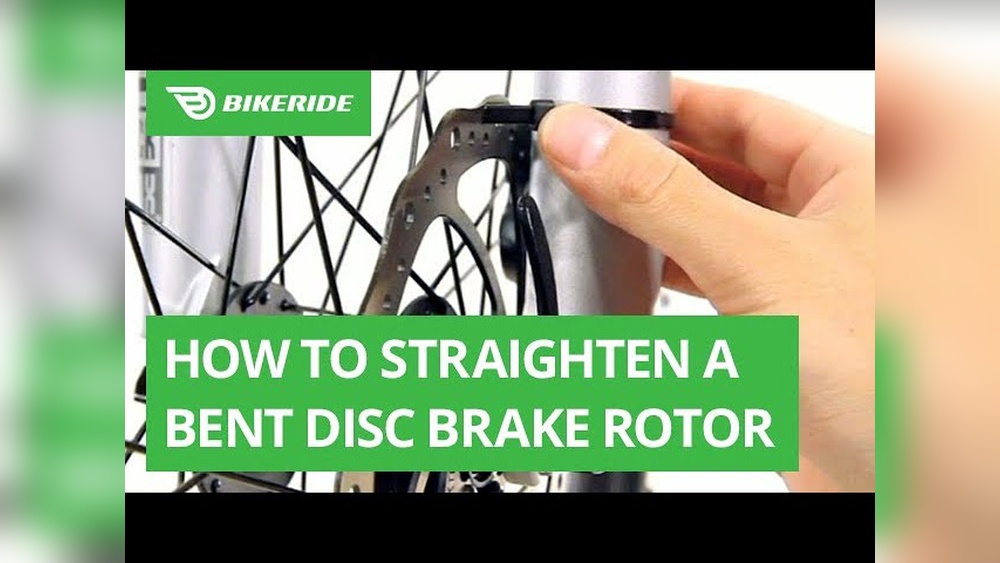
Is your mountain bike making strange noises every time you hit the brakes? A bent disc brake rotor could be the culprit.
It’s frustrating, slows you down, and can even make your ride unsafe. But don’t worry—you don’t need to rush to a bike shop or buy expensive tools. In this guide, you’ll learn how to straighten your disc brake rotor quickly and easily, using simple steps anyone can follow.
Keep reading, and get your bike back to smooth, quiet braking in no time.
Signs Of A Warped Rotor
Warped disc brake rotors are a common issue for mountain bikers. They affect the bike’s braking performance and can be dangerous. Recognizing the signs early helps you fix the problem before it worsens. Here are clear signs to watch for.
Common Symptoms
You might hear a rubbing or scraping sound when braking. This noise happens because the rotor is not perfectly flat. The brake pads hit the uneven surface. Sometimes, the brake lever feels spongy or loose. This means the rotor is wobbling during rotation. You may also notice vibration in the handlebars while braking. This vibration shows that the rotor is not spinning smoothly.
Impact On Riding
A warped rotor reduces braking power and control. It makes stopping slower and less predictable. This can be risky on steep or rough trails. Riding with a warped rotor tires your hands and arms due to constant vibration. It also causes uneven wear on brake pads. This means you replace parts more often. Fixing the rotor soon keeps your ride safe and smooth.
Tools Needed For Straightening
Straightening a disc brake rotor on a mountain bike requires the right tools. Using proper tools makes the process easier and safer. It helps avoid damage to the rotor or other bike parts. This section covers the tools needed for straightening your rotor effectively.
Essential Tools
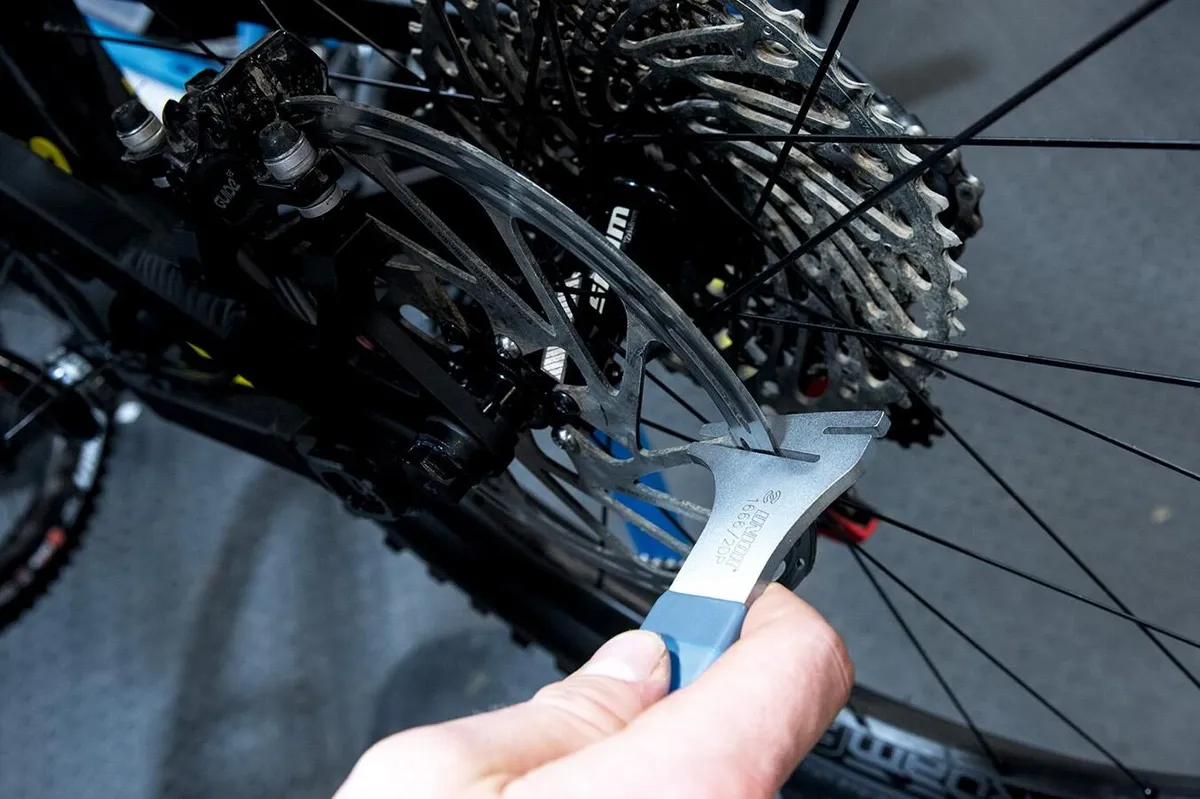
A rotor truing fork is the main tool needed. It helps gently bend the rotor back into shape. You also need a clean rag to wipe the rotor. This removes dirt and oil before you start. A set of Allen wrenches is useful to remove the wheel if needed. Gloves protect your hands from sharp edges and dirt.
Optional Accessories
A dial indicator gauge helps measure rotor runout precisely. It shows how much the rotor bends. This tool is great for fine adjustments but not required. Sandpaper or a fine file can smooth out minor rough spots. A bike stand keeps the bike stable during repairs. These accessories improve the process but are optional.
Preparing Your Bike
Preparing your bike is the first step to straighten a disc brake rotor. A clean and stable setup helps you work safely and accurately. Take time to get your bike ready before starting any adjustments. This prevents mistakes and makes the process smoother.
Cleaning The Rotor
Start by cleaning the rotor. Dirt and oil can hide the bent parts. Use rubbing alcohol and a clean cloth to wipe the rotor. Avoid touching the rotor with bare hands after cleaning. This keeps the surface free of grease and dirt. Clean rotors help you see the bends clearly.
Securing The Bike
Next, secure your bike to keep it steady. Use a bike stand or lean it against a solid surface. Make sure the bike will not move while you work. A steady bike allows you to apply pressure evenly. This helps you fix the rotor without causing new damage.

Credit: www.youtube.com
Step-by-step Rotor Straightening
Straightening a mountain bike’s disc brake rotor is key for smooth braking. A bent rotor causes noise and poor brake feel. Fixing it yourself saves time and money. Follow these clear steps to get your rotor back in shape. Use the right tools and techniques for best results.
Locating The Bend
Spin the wheel slowly and watch the rotor. See where it moves closer or farther from the brake pads. That spot shows the bend. Mark it with a small piece of tape or a marker. Check the rotor carefully on both sides. This helps find all bends to fix.
Using A Rotor Truing Tool
A rotor truing tool fits around the rotor’s edge. Place it gently on the bent spot. Turn the tool slowly to bend the rotor back. Use small, controlled movements. Check the rotor often by spinning the wheel. Stop when the rotor spins straight without rubbing.
Manual Adjustment Techniques
Use your fingers or pliers wrapped in cloth for small bends. Press gently on the bent area to bend it back. Avoid strong force that may crack the rotor. Spin the wheel after each adjustment. Repeat until the rotor runs smoothly and without noise.
Checking Rotor Alignment
Checking rotor alignment is a key step to fix a bent disc brake rotor on your mountain bike. A misaligned rotor causes noise and poor braking. This section shows easy ways to check if your rotor spins straight and clears the brake pads.
Proper alignment means the rotor should spin without touching the pads. This keeps braking smooth and safe. Use these simple tests to spot any problems before adjusting the rotor.
Spin Test
Lift your bike wheel off the ground. Spin the wheel slowly by hand. Watch the rotor as it spins. Look for any side-to-side wobble or bumps. These show where the rotor is bent.
Listen for rubbing sounds. If the rotor touches the brake pads, it will make noise. Mark the spot where the rotor hits the pads. This helps you find the bend.
Brake Pad Clearance
Check the space between the rotor and brake pads. The rotor should have a small gap on both sides. Use a feeler gauge or a thin piece of paper to measure.
If the rotor is too close or touches the pads, it needs straightening. Adjust the brake caliper bolts to center the rotor. This improves pad clearance and stops rubbing.
Preventing Future Rotor Warping
Preventing future rotor warping is key to keeping your mountain bike’s brakes reliable. Warped rotors cause poor braking and unsafe rides. Simple habits and regular care help avoid damage. Protect your rotors and enjoy smooth braking every time.
Proper Riding Habits
Ride smoothly and avoid sudden stops. Hard braking heats the rotor quickly, causing warping. Use both brakes evenly to spread the pressure. Steer clear of riding through water and mud that can cool the rotor unevenly. Let your brakes cool down after long rides. This prevents heat buildup and reduces warping risk.
Regular Maintenance Tips
Clean your rotors often with isopropyl alcohol. Dirt and oil cause uneven wear and heat spots. Check rotor bolts regularly to keep them tight. Loose bolts allow rotor movement and warping. Inspect rotors for signs of damage or bending. Replace rotors if warping is severe. Routine checks help catch problems early and save you money.
When To Replace The Rotor
Knowing when to replace your mountain bike’s disc brake rotor is important for safe riding. Rotors wear down over time and can get damaged. Riding with a bad rotor lowers braking power and risks accidents. Regular checks help spot problems early and decide if repair is enough or replacement is needed.
Signs Of Severe Damage
Deep grooves or cracks on the rotor mean serious damage. A bent rotor that cannot be straightened also needs replacement. If the rotor is too thin from wear, it loses strength and stops working well. Strange noises or poor brake response often point to a bad rotor. Check for discoloration from heat, which shows overheating and damage.
Choosing The Right Replacement
Select a rotor that fits your bike’s brake system size and type. Match the diameter to your current rotor to keep brake performance. Look for rotors made from durable materials like stainless steel. Some rotors have special coatings to resist rust and heat better. Choosing the correct thickness is key for safety and proper brake function.

Credit: www.amazon.com
Credit: www.bikeradar.com
Frequently Asked Questions
How Do I Know If My Disc Brake Rotor Is Bent?
A bent rotor causes brake rubbing or noise. Check for wobbling by spinning the wheel. Visual inspection helps spot uneven gaps or warps.
What Tools Are Needed To Straighten A Mountain Bike Rotor?
Use a rotor truing fork or adjustable wrench. A dial indicator helps identify bends. Clean gloves protect your hands during the process.
Can I Straighten A Severely Warped Disc Brake Rotor?
Severe warps are hard to fix. Minor bends can be straightened safely. For major damage, replace the rotor to ensure safety and performance.
How To Prevent Disc Brake Rotors From Bending?
Avoid heavy impacts and improper wheel installation. Regularly check rotor alignment. Store your bike properly to reduce the risk of rotor damage.
Conclusion
Straightening a disc brake rotor helps keep your bike safe and smooth. Small bends cause noise and poor braking. Take time to check the rotor carefully. Use the right tools and be gentle. Fixing the rotor yourself saves money and hassle.
Regular maintenance keeps your brakes working well. Ride with confidence knowing your brakes are steady. Practice makes the process easier over time. Keep your mountain bike ready for every trail. Simple steps make a big difference in performance.

