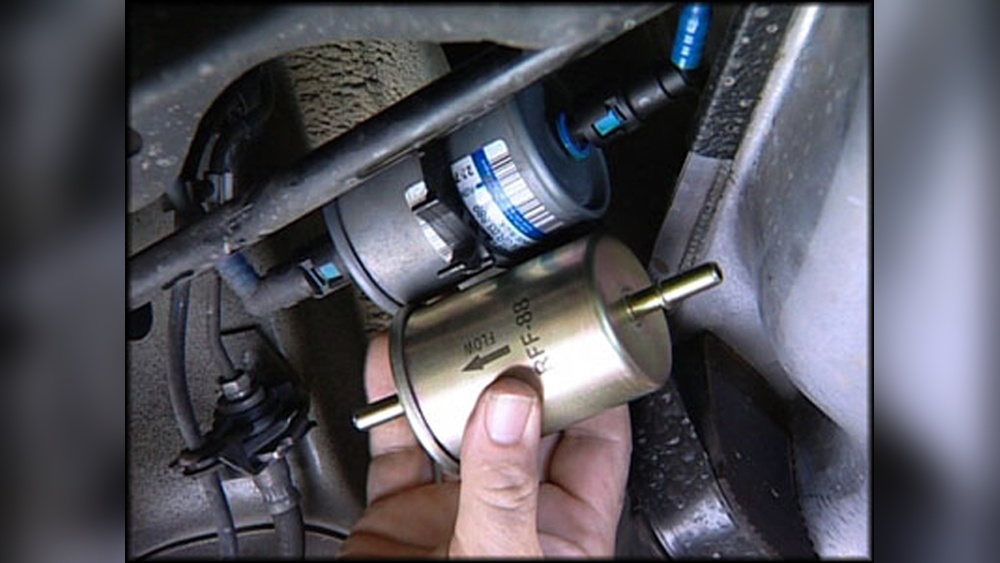
Is your car struggling to start or running rough? A clogged fuel filter might be the culprit, silently blocking the fuel flow your engine needs.
But how do you fix a clogged fuel filter without spending a fortune at the mechanic? You’re about to discover simple, step-by-step solutions that anyone can follow. Keep reading, and you’ll learn how to get your car back to smooth running quickly and safely.
Your engine—and your wallet—will thank you.
Signs Of A Clogged Fuel Filter
A clogged fuel filter can cause several problems in your vehicle. Knowing the signs helps you spot the issue early. This saves time and prevents bigger repairs. Watch out for changes in engine behavior, smells, and starting problems. These signs often point to a blocked fuel filter that needs attention.
Engine Performance Issues
A clogged fuel filter limits fuel flow to the engine. This causes poor acceleration and loss of power. Your engine might hesitate or stall during driving. You may notice rough idling or misfires too. These symptoms show the engine is not getting enough fuel.
Fuel Odor And Leaks
A blocked fuel filter can cause leaks in the fuel system. Fuel smell near the engine or under the car is a warning. Check for wet spots or puddles of fuel. These leaks are dangerous and need quick fixing to avoid fire risks.
Starting Difficulties
The engine may crank but fail to start smoothly. This happens because fuel cannot reach the engine easily. You might need to try several times before the car starts. This struggle is a common sign of a clogged fuel filter.
Credit: www.ievilenergy.com
Tools And Materials Needed
Fixing a clogged fuel filter needs the right tools and materials. Having them ready makes the job safer and easier. You avoid delays and mistakes by preparing in advance. Below are the key items you need.
Safety Equipment
Safety comes first. Wear safety goggles to protect your eyes. Gloves keep your hands clean and safe from fuel. Use a long-sleeve shirt to protect your skin. Work in a well-ventilated area to avoid inhaling fumes.
Replacement Fuel Filter
Get the correct fuel filter for your vehicle model. Using the wrong filter can cause damage. Check your vehicle manual or parts store for the right type. Always buy a new filter instead of reusing the old one.
Basic Hand Tools
You need simple tools like screwdrivers and pliers. A wrench set helps remove the filter housing. A container to catch fuel will prevent spills. Rags are useful for cleaning up any mess. Keep all tools within reach for smooth work.
Preparing For The Repair
Preparing for a clogged fuel filter repair is important to do the job safely and correctly. Taking time before starting helps avoid mistakes. It also makes the process smoother and faster. Follow clear steps to get ready and protect yourself and your vehicle.
Relieving Fuel System Pressure
Fuel systems hold pressure that can spray fuel when opened. Release this pressure first. Locate the fuel pump fuse or relay and remove it. Start the engine and let it run until it stops. This removes fuel pressure in the lines. Wear safety glasses to protect your eyes from any fuel spray.
Locating The Fuel Filter
Find the fuel filter before removing it. Check your vehicle manual for its location. Most filters are under the car near the fuel tank or along the fuel line. Some are in the engine bay. Use a flashlight to see clearly. Knowing the exact spot saves time and effort.
Ensuring Safety Precautions
Work in a well-ventilated area to avoid fumes. Keep a fire extinguisher nearby. Avoid open flames and sparks while working. Wear gloves to protect your hands from fuel. Use protective clothing and eye protection. Safety is the top priority during this repair.
Removing The Old Fuel Filter
Removing the old fuel filter is an important step in fixing a clogged fuel filter. This process requires care to avoid damaging fuel lines or causing spills. Follow these steps to safely remove the filter and prepare for installation of the new one.
Disconnecting Fuel Lines
Start by locating the fuel lines connected to the filter. Use a wrench to gently loosen the fittings. Pull the lines straight off to avoid bending or breaking them. Keep a rag nearby to catch any dripping fuel.
Handling Fuel Spills
Fuel spills can be dangerous and messy. Place a drip pan or cloth under the filter area. Wipe any spills immediately to prevent fire risks. Work in a well-ventilated space to avoid inhaling fumes.
Removing Mounting Clips
Check for clips or brackets holding the fuel filter in place. Use pliers or a screwdriver to carefully remove these clips. Keep the clips safe for reinstallation or replacement parts. Once free, take out the old filter gently.
Installing The New Fuel Filter
Installing the new fuel filter is a key step in fixing a clogged fuel filter. This part cleans the fuel before it reaches the engine. A proper installation ensures your car runs smoothly. Care must be taken to place the filter correctly. Secure it well to avoid leaks. Reattach the fuel lines tightly to keep fuel flow steady.
Correct Filter Orientation
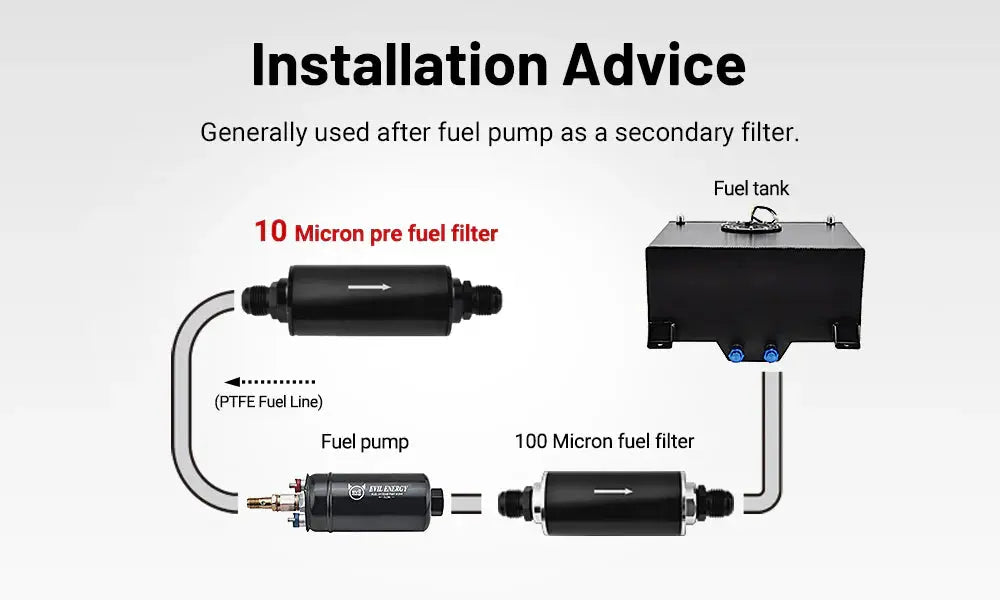
Fuel filters have a specific direction. Look for an arrow on the filter body. This arrow shows the flow of fuel. Point the arrow toward the engine. Installing the filter backward can block fuel flow. Check twice to ensure the right side faces the engine.
Securing The Filter
Place the filter in its holder firmly. Use the original clamps or brackets. Tighten screws or clips to hold the filter steady. A loose filter may vibrate and cause damage. Do not overtighten, as it can crack the filter housing. The filter must not move once installed.
Reattaching Fuel Lines
Slide the fuel lines onto the filter’s fittings. Make sure they fit snugly over the connectors. Use clamps to secure the fuel lines. Tight clamps prevent fuel leaks and air entry. Double-check all connections before starting the engine. Proper sealing keeps the fuel system safe and efficient.
Credit: www.autoworks-wa.com
Testing After Replacement
After replacing a clogged fuel filter, testing is crucial. It ensures the new filter works well. It also helps find any problems early. This step keeps your engine safe and running smooth. Follow these simple checks to confirm everything is fine.
Starting The Engine
Turn the key to start your engine. Listen closely for smooth sounds. The engine should start quickly without hesitation. If it struggles, the filter may not be installed right. Try restarting a couple of times to be sure.
Checking For Leaks
Look under the car and around the filter. Watch for any fuel drops or wet spots. Leaks can cause dangerous situations. Tighten connections if you spot any leaks. It is important to keep the fuel system sealed.
Observing Engine Performance
Drive the car slowly and pay attention. The engine should run steady without stalling. Watch for any unusual noises or power loss. A clean fuel filter helps the engine breathe better. Notice the difference in how the car feels and sounds.
Preventing Future Clogs
Preventing future clogs in your fuel filter keeps your vehicle running smoothly. A clean fuel filter ensures steady fuel flow and better engine performance. Taking steps now saves time and money later. These simple habits reduce the chance of clogging and extend your filter’s life.
Regular Fuel Filter Maintenance
Change your fuel filter as the car manual suggests. Regular replacement stops dirt buildup. Always use the correct filter type for your vehicle. Clean filters help fuel flow without blockages. Don’t wait for signs of clogging to act.
Using Quality Fuel
Choose fuel from trusted stations only. Poor quality fuel often contains dirt or water. These contaminants cause filter clogs quickly. High-grade fuel keeps your filter cleaner longer. Avoid cheap or unknown fuel brands to protect the filter.
Scheduled Inspections
Check your fuel filter during routine vehicle inspections. Look for signs of wear or dirt accumulation. Early detection prevents serious blockages and engine problems. Schedule inspections with your mechanic regularly. Stay ahead of issues before they start.

Credit: www.youtube.com
Frequently Asked Questions
What Are The Signs Of A Clogged Fuel Filter?
Common signs include engine misfires, poor acceleration, and stalling. You may also notice reduced fuel efficiency and difficulty starting your vehicle.
How Can I Clean A Clogged Fuel Filter?
Cleaning is possible but not always recommended. Usually, replacing the filter is more effective and ensures optimal fuel flow.
How Often Should A Fuel Filter Be Replaced?
Replace the fuel filter every 20,000 to 40,000 miles. Check your vehicle’s manual for specific recommendations.
Can A Clogged Fuel Filter Damage My Engine?
Yes, it can cause engine strain and reduce performance. Prolonged clogging may lead to costly repairs.
Conclusion
Fixing a clogged fuel filter keeps your engine running smooth. Clean or replace the filter regularly to avoid issues. This simple step saves time and money on repairs. A clear fuel filter helps your car perform better. Don’t wait for problems to get worse.
Take action early for a reliable ride. Small maintenance makes a big difference in car health. Keep your fuel system clean and enjoy a smoother drive.