

Have you ever felt a strange vibration or heard a grinding noise when you press your brakes? These could be signs that your brake rotors are warped.
Knowing how to spot a warped rotor early can save you from costly repairs and keep you safe on the road. You’ll learn the simple ways to tell if your brake rotor is warped and what steps you can take next.
Keep reading—your car and your safety depend on it.
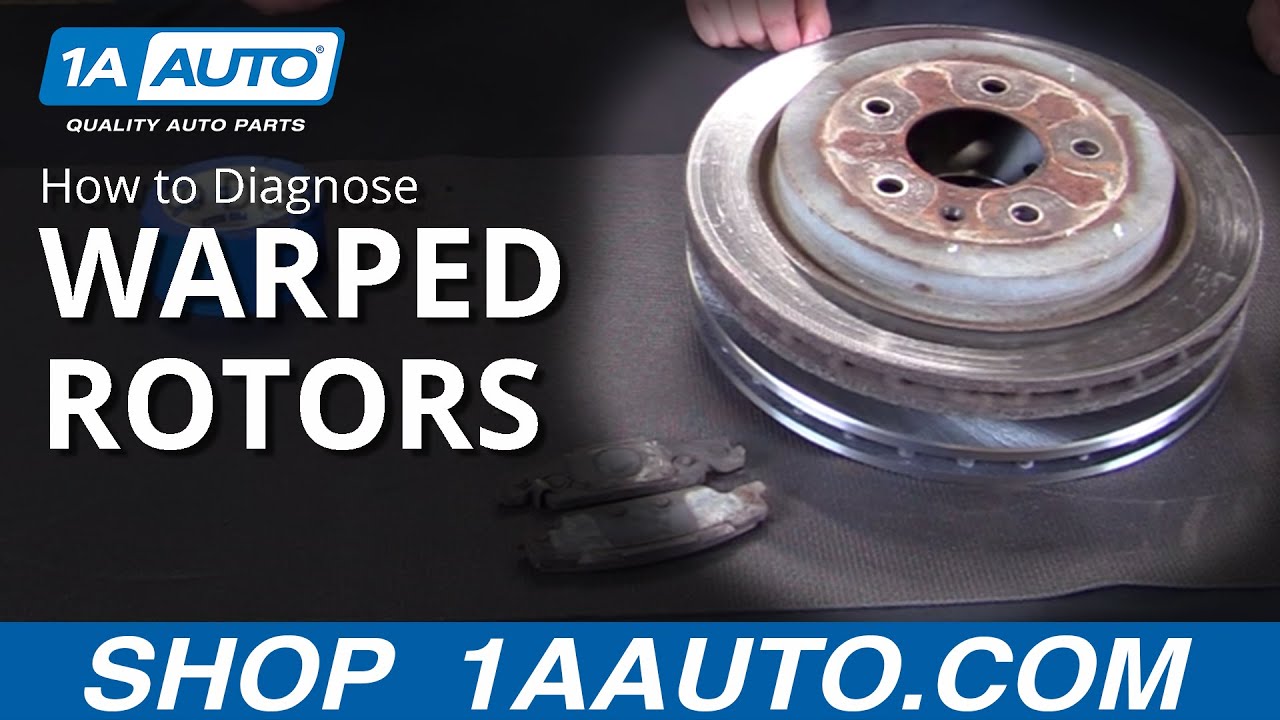
Credit: www.youtube.com
Symptoms Of Warped Rotors
Warped brake rotors cause several noticeable symptoms. These signs help identify rotor problems early. Detecting issues quickly prevents further damage and keeps driving safe. Pay attention to how your brakes feel and sound during use. Understanding common symptoms will guide you in checking your brake system properly.
Vibrations During Braking
One common sign of warped rotors is vibration. You may feel shaking in the steering wheel or brake pedal. This happens because the rotor surface is uneven. The brake pads hit the rotor at different points. Vibrations often increase with speed or harder braking.
Pulsating Brake Pedal
A pulsating or throbbing brake pedal indicates rotor warping. Pressing the brake feels like the pedal moves up and down. This pulse is caused by the rotor’s uneven surface. The brake pads push against high and low spots. This irregular contact causes the pedal to pulse.
Uneven Brake Pad Wear
Warped rotors wear brake pads unevenly. One side of the pad may wear faster than the other. This happens because the rotor surface is not flat. Uneven wear reduces braking efficiency and may cause noise. Check brake pads regularly to spot uneven wear early.
Credit: www.kaltire.com
Causes Of Rotor Warping
Brake rotors can warp for several reasons. Understanding these causes helps in spotting problems early. Warped rotors affect your car’s braking performance and safety. Identifying the root cause can prevent further damage and costly repairs.
Excessive Heat Build-up
Heat is the main enemy of brake rotors. Long or hard braking causes the rotors to get very hot. This heat makes the metal expand unevenly. When the rotor cools down, it may not return to its original shape. This uneven cooling leads to warping. Driving in hilly areas or towing heavy loads can increase heat build-up.
Improper Installation
Installing brake rotors incorrectly causes warping. If the rotor is not mounted flush against the hub, it can wobble. Loose or uneven bolts also create pressure points. These issues cause uneven wear on the rotor surface. Over time, this uneven pressure can warp the rotor. Proper installation is key to avoid such problems.
Poor Quality Materials
Low-quality rotors are more prone to warping. Cheap metals do not handle heat well. They expand and contract more than high-quality rotors. This constant change weakens the rotor structure. Using substandard rotors can lead to early warping and brake failure. Investing in good materials helps keep brakes safe and reliable.
Checking Rotors For Warping
Checking rotors for warping is a key step to keep your brakes working well. Warped rotors cause vibrations and noise while braking. Catching this early protects your safety and saves money. There are simple ways to check rotors at home or with basic tools. Let’s explore effective methods to spot rotor warping.
Visual Inspection Techniques
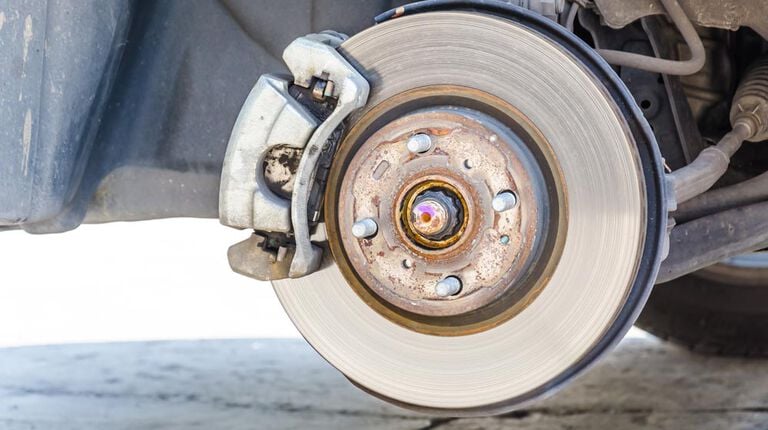
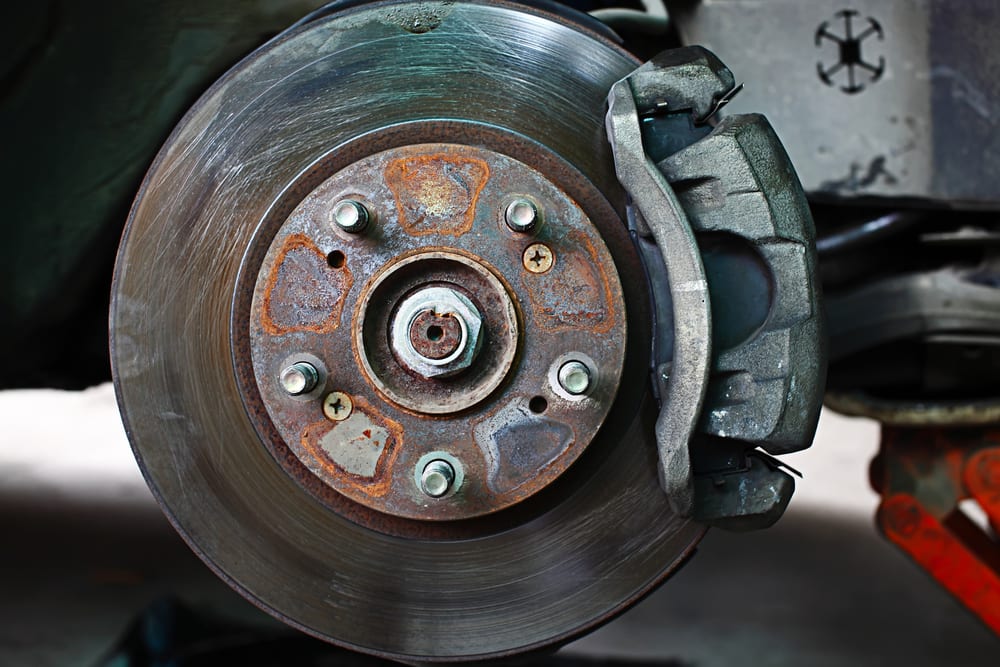
Start by looking closely at the brake rotors. Check for uneven wear or discoloration. Blue or dark spots show the rotor overheated. Look for grooves or cracks on the surface. These signs often mean the rotor is damaged or warped. Use a flashlight for a better view. Spin the wheel slowly and watch the rotor edge. Wobbling or irregular movement suggests warping.
Using A Dial Indicator
A dial indicator measures how much the rotor surface moves up and down. Attach the indicator to a fixed spot near the rotor. Slowly rotate the wheel. Watch the dial needle for changes in height. Any movement over 0.002 inches means the rotor may be warped. This tool gives precise results and helps confirm visual checks. It’s useful for a detailed and accurate inspection.
Measuring Rotor Thickness
Check the rotor thickness with a micrometer or caliper. Measure at several points around the rotor. Compare the measurements to the manufacturer’s minimum thickness. Thin spots or differences indicate uneven wear. Worn rotors can cause warping and poor braking. Replace rotors that do not meet the thickness requirement. Keeping proper thickness ensures safe and smooth braking.
Credit: www.yourmechanic.com
Effects Of Warped Rotors On Driving
Warped brake rotors can cause serious problems while driving. They affect how your vehicle stops and how safe you feel behind the wheel. Understanding these effects helps you notice issues early and keep your brakes in good shape.
Reduced Braking Performance
Warped rotors make braking uneven. The brake pads cannot grip smoothly. This causes vibrations and shaking in the brake pedal. You may feel the car pull to one side. These signs show your brakes are not working well.
Increased Stopping Distance
When rotors warp, your car needs more space to stop. The brake pads lose full contact with the rotor surface. This reduces friction and slows down the braking process. Longer stopping distances increase the risk of accidents.
Potential Damage To Brake Components
Warped rotors put extra stress on brake parts. Brake pads wear out faster and unevenly. Calipers may also become damaged from the shaking. Ignoring warped rotors can lead to costly repairs later on.
Preventing Rotor Warping
Preventing rotor warping helps keep your brakes working well and safe. Warped rotors can cause vibrations, noise, and uneven braking. Taking simple steps can stop this problem early. Focus on good habits and care.
Proper Brake Usage
Avoid hard, sudden stops whenever possible. Gentle braking helps rotors cool evenly. Do not ride the brakes on long downhill drives. Let your brakes rest to prevent overheating. Overheating causes rotors to warp faster.
Regular Maintenance
Check your brake system often for signs of wear. Have a mechanic inspect rotors and pads regularly. Replace worn brake pads before they damage rotors. Clean brake parts to remove dust and dirt. Well-maintained brakes last longer and work better.
Choosing Quality Parts
Use high-quality rotors and brake pads for best results. Cheap parts wear out quickly and cause issues. Select parts that match your vehicle’s specifications. Quality parts resist heat and reduce warping risk. Investing in good parts saves money over time.
When To Replace Or Resurface Rotors
Knowing when to replace or resurface brake rotors helps keep your car safe. Warped rotors cause vibration and noise during braking. Deciding between resurfacing and replacing depends on the rotor’s condition and wear. Proper care extends the life of your braking system.
Signs Rotor Can Be Resurfaced
Light surface rust or minor grooves usually mean the rotor can be resurfaced. The rotor should have enough thickness left after sanding. No deep cracks or heavy damage should be present. Resurfacing smooths the surface, restoring proper brake contact. This option saves money and keeps the original rotor.
Indicators For Replacement
Rotors with deep cracks or heavy warping need replacement. Thin rotors below the manufacturer’s minimum thickness are unsafe. Severe rust that weakens the rotor means replacement. Warped rotors causing strong vibrations may not fix with resurfacing. Replacing ensures better brake performance and safety.
Cost Considerations
Resurfacing costs less than buying new rotors. Labor and parts are cheaper for resurfacing. Sometimes, replacement saves money in the long run. New rotors last longer and avoid future issues. Compare prices and rotor condition before deciding.
Frequently Asked Questions
How Do You Identify A Warped Brake Rotor?
A warped brake rotor causes vibrations when braking. You may feel a pulsating brake pedal or steering wheel shake. Visual inspection can show uneven wear or grooves on the rotor surface. These signs indicate the rotor needs attention or replacement.
What Causes Brake Rotors To Warp?
Brake rotors warp due to excessive heat from heavy braking or poor driving habits. Overheating causes metal to expand unevenly, leading to distortion. Worn brake pads or improper installation can also contribute to rotor warping.
Can A Warped Brake Rotor Be Fixed?
Minor warping can sometimes be corrected by resurfacing the rotor. However, if the rotor is severely warped or worn, replacement is necessary. Always consult a professional mechanic to assess the rotor’s condition.
What Are The Symptoms Of A Warped Brake Rotor?
Common symptoms include brake pedal vibration, noise during braking, and uneven braking performance. You may also notice increased stopping distances or a pulsating feeling in the brake pedal.
Conclusion
Warped brake rotors affect driving safety and comfort. Notice vibrations or noise when braking. Check for uneven wear or visible damage. Early detection helps avoid costly repairs. Stay alert to changes in braking feel. Regular brake inspections keep your vehicle safe.
Take action quickly if you sense any issues. Your brakes deserve attention to work well. Keep your drives smooth and secure every time.


