If you’ve noticed squeaking sounds or your car isn’t stopping as smoothly as before, it might be time to think about new brakes and rotors. But how much will it actually cost you?
Knowing the price upfront can save you stress and help you avoid unexpected expenses. You’ll get clear answers on what affects the cost, how to spot when you need replacements, and tips to get the best value without compromising your safety.
Keep reading to make sure your brakes are in top shape without breaking the bank.
Brake And Rotor Basics
Brakes and rotors are key parts of a car’s stopping system. They work together to slow down or stop your vehicle safely. Knowing the basics helps you understand repair costs and timing.
Brakes press against rotors to create friction. This friction stops the wheels from turning. Both parts wear out over time and need replacement.
Types Of Brakes
There are two main brake types: disc brakes and drum brakes. Disc brakes use pads to press on a rotor. Drum brakes have shoes that press inside a drum. Most modern cars use disc brakes for better performance.
Rotor Varieties
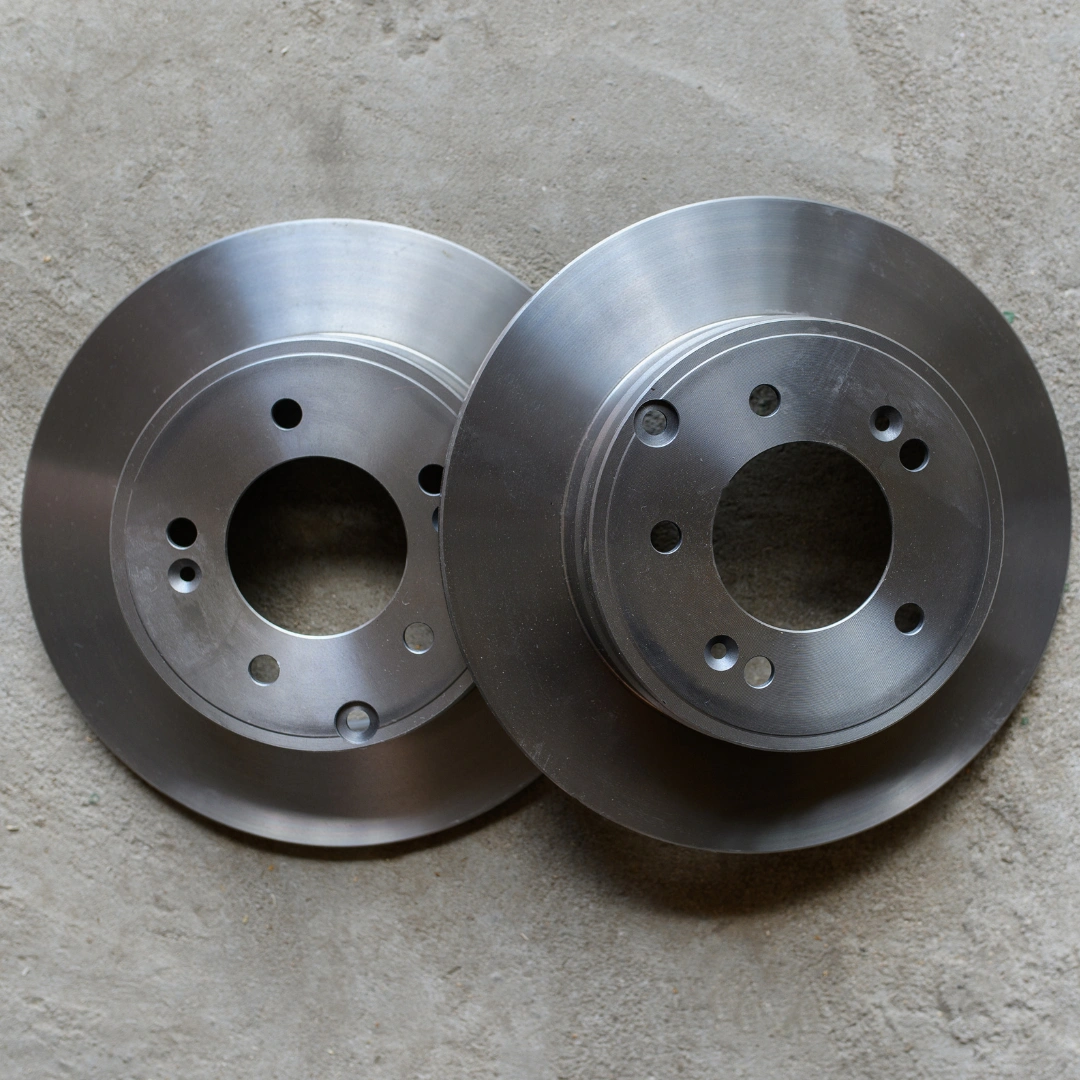
Rotors come in different designs. Solid rotors are flat and simple. Vented rotors have channels to cool faster. Slotted and drilled rotors help remove dust and heat. Each type affects brake life and cost.
Signs You Need Replacement
Watch for squeaking or grinding noises while braking. A soft or spongy brake pedal feels unsafe. Vibrations or pulsing mean rotor issues. If braking distance grows longer, check brakes and rotors soon.

Credit: www.hawkperformance.com
Cost Factors
Several factors influence the total cost of new brakes and rotors. Understanding these helps you estimate your budget better. Each factor plays a key role in the final price you pay at the shop.
Material Quality
The type of brake pads and rotors affects the cost greatly. Cheaper materials wear out faster and cost less upfront. Premium materials last longer and provide better performance but cost more. Choosing the right quality depends on your driving needs and budget.
Labor Charges
Labor costs vary based on the mechanic’s experience and shop location. Some shops charge a flat fee, others by the hour. Complex brake systems take more time, increasing labor costs. Always ask for a detailed labor estimate before work starts.
Vehicle Make And Model
Different vehicles need different brake parts. Luxury and imported cars usually have more expensive parts. Larger vehicles like trucks require bigger brakes, which cost more. Your car’s specific model affects the price of both parts and labor.
Brake Pad Costs
Brake pad costs vary depending on the type and quality you choose. Understanding these costs helps you plan your car maintenance budget. Brake pads wear out over time and need replacing to keep your vehicle safe. Prices depend on materials, brand, and your vehicle model. Let’s explore the main factors that affect brake pad costs.
Standard Vs Premium Pads
Standard brake pads are affordable and work well for daily driving. They usually last around 30,000 to 50,000 miles. Premium pads cost more but offer better performance and last longer. They handle heat better and reduce brake dust. Premium pads suit drivers who want stronger braking power or drive in tough conditions. The price difference between standard and premium pads can be 30% to 50%.
Aftermarket Vs Oem
OEM brake pads come from the car manufacturer. They fit perfectly and meet safety standards. OEM pads cost more than aftermarket options. Aftermarket brake pads are made by other companies. They offer a range of prices and quality. Some aftermarket pads match OEM quality, but cheaper ones may wear faster. Choosing aftermarket pads can save money but requires careful brand selection.
Cost Breakdown By Vehicle Type
Brake pad costs differ by vehicle size and type. Small cars usually have cheaper pads, costing between $30 and $70 per set. Mid-size cars pay between $50 and $100. SUVs and trucks need larger pads, which can cost $70 to $150 or more. Luxury and sports cars use special pads that cost over $150. Always check your vehicle’s needs before buying pads.
Credit: nubrakes.com
Rotor Replacement Expenses
Replacing rotors is a key part of brake maintenance. Rotors wear down over time and affect braking safety. Knowing the costs helps plan your car repairs better.
Rotor replacement expenses vary widely. Factors include the rotor type, size, and whether you resurface or replace them. Understanding these details saves money and avoids surprises.
Resurfacing Vs New Rotors
Resurfacing means sanding down the old rotor. It removes grooves and smooths the surface. This option costs less than buying new rotors. But, not all rotors can be resurfaced safely. If the rotor is too thin or damaged, it must be replaced. New rotors give better performance and last longer. Resurfacing is a budget-friendly choice for minor wear.
Rotor Material Impact
Rotors come in different materials. Cast iron is common and affordable. It offers good durability and cooling. Steel rotors cost more but resist warping. Carbon composite rotors are the most expensive. They are lightweight and handle heat well. The material affects the price and how long the rotor lasts. Choose based on driving needs and budget.
Cost By Rotor Size And Type
Rotor size affects the price. Larger rotors cost more due to extra material. Performance or drilled rotors also cost more. They help with heat dissipation and braking power. Standard rotors are cheaper and suit most cars. Luxury or sports cars need bigger, specialized rotors. Expect to pay $30 to $150 per rotor, depending on size and type.
Diy Vs Professional Service
Deciding between doing brake and rotor replacement yourself or hiring a professional can be tough. Both options have clear pros and cons. Understanding these can help save money and ensure safety. This section explores the tools you need, risks involved, and benefits of professional help.
Tools Needed For Diy
Basic tools include a jack, lug wrench, and socket set. You will also need a C-clamp to compress the brake caliper. A torque wrench is important to tighten bolts to the right strength. Brake cleaner and anti-seize lubricant help keep parts clean and easy to remove later. Having the right tools makes the job easier and safer.
Risks Of Self-installation
Improper installation can cause brake failure. Missing steps or wrong torque can lead to accidents. Brake dust is harmful if inhaled. Without experience, you might damage parts or void warranties. Time spent fixing mistakes may cost more than paying a professional. Safety should be the top priority.
Benefits Of Professional Installation
Professionals have experience and the right tools. They work faster and ensure all parts fit perfectly. Many shops offer warranties on parts and labor. They dispose of old parts safely and clean up brake dust. Professionals guarantee your brakes meet safety standards. Peace of mind comes with expert service.
Saving On Brake Repairs
Brake repairs can be costly, but saving money is possible. Knowing how to find deals and care for your brakes helps keep costs down. Small steps make a big difference in your wallet and your car’s safety.
Finding Discounts And Deals
Many shops offer discounts on brake services. Check online for coupons or special offers. Some stores give discounts during certain seasons or holidays. Ask the mechanic about any available deals before starting work.
When To Shop Around
Prices for brake repairs vary by shop. Getting quotes from different places helps you find the best price. Don’t choose the cheapest option without checking reviews. Quality matters for your safety and lasting repairs.
Maintenance Tips To Extend Life
Regular brake checks can prevent costly repairs. Avoid hard braking and drive smoothly. Keep your brake fluid clean and at the right level. These habits help your brakes and rotors last longer.
Additional Brake System Costs
Getting new brakes and rotors is just part of the total cost. Other brake system repairs can add extra charges. These repairs keep your car safe and working well. Knowing about these costs helps you plan your budget better.
Caliper Replacement
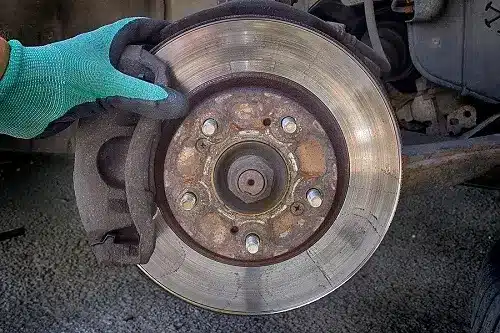
Calipers hold the brake pads and push them against the rotors. Sometimes, calipers wear out or get stuck. Replacing a caliper can cost between $100 and $300 per wheel. This price includes parts and labor. A bad caliper can reduce braking power and cause uneven pad wear.
Brake Fluid Flush
Brake fluid is vital for your brake system. Over time, it gets dirty and absorbs moisture. A brake fluid flush cleans out old fluid and adds new fluid. This service usually costs $70 to $120. Clean brake fluid helps keep brakes responsive and prevents corrosion.
Emergency Repairs
Brake problems can happen suddenly. Emergency repairs fix urgent issues like broken lines or leaking fluid. These repairs can cost more due to quick service and parts needed. Prices vary widely but expect to pay $150 to $400 or more. Quick action prevents accidents and bigger damage.
Credit: camsautomotive.com
Frequently Asked Questions
How Much Do New Brakes And Rotors Cost?
New brakes and rotors typically cost between $250 and $500. Prices vary by vehicle type, quality of parts, and labor rates. High-performance or luxury vehicles may cost more. Always get a detailed estimate from your mechanic before proceeding.
What Factors Influence Brake And Rotor Replacement Cost?
Costs depend on the vehicle model, part quality, and labor fees. Additional repairs or upgrades can increase the price. Geographic location and shop reputation also affect costs. Always compare quotes for the best deal.
Can I Replace Brakes And Rotors Myself To Save Money?
Yes, if you have mechanical skills and proper tools. DIY replacement saves labor costs but requires careful work to ensure safety. Incorrect installation can cause brake failure. Consider professional help if unsure.
How Often Should Brakes And Rotors Be Replaced?
Brake pads generally last 30,000 to 70,000 miles; rotors last 50,000 to 70,000 miles. Replace sooner if you hear squealing or feel vibrations. Regular inspections help maintain safety and performance.
Conclusion
Replacing brakes and rotors costs vary by car and parts quality. Choosing good parts ensures safety and lasts longer. Labor fees depend on the mechanic and location. Always compare prices and ask for detailed quotes. Regular brake checks can prevent bigger problems later.
Remember, safe brakes keep you and others protected. Take your time to find the best option for your budget. Don’t delay repairs; driving with worn brakes is risky. Trust your instincts and pick a reliable shop. Your car deserves proper care and attention.