

Have you noticed strange noises or a shaky feeling when you press your brakes? These could be signs that your brake rotors are not in good shape.
Knowing how to tell if your brake rotors are bad can save you from costly repairs and keep you safe on the road. You’ll discover simple ways to spot the warning signs before they turn into serious problems. Keep reading to protect your car and your peace of mind.
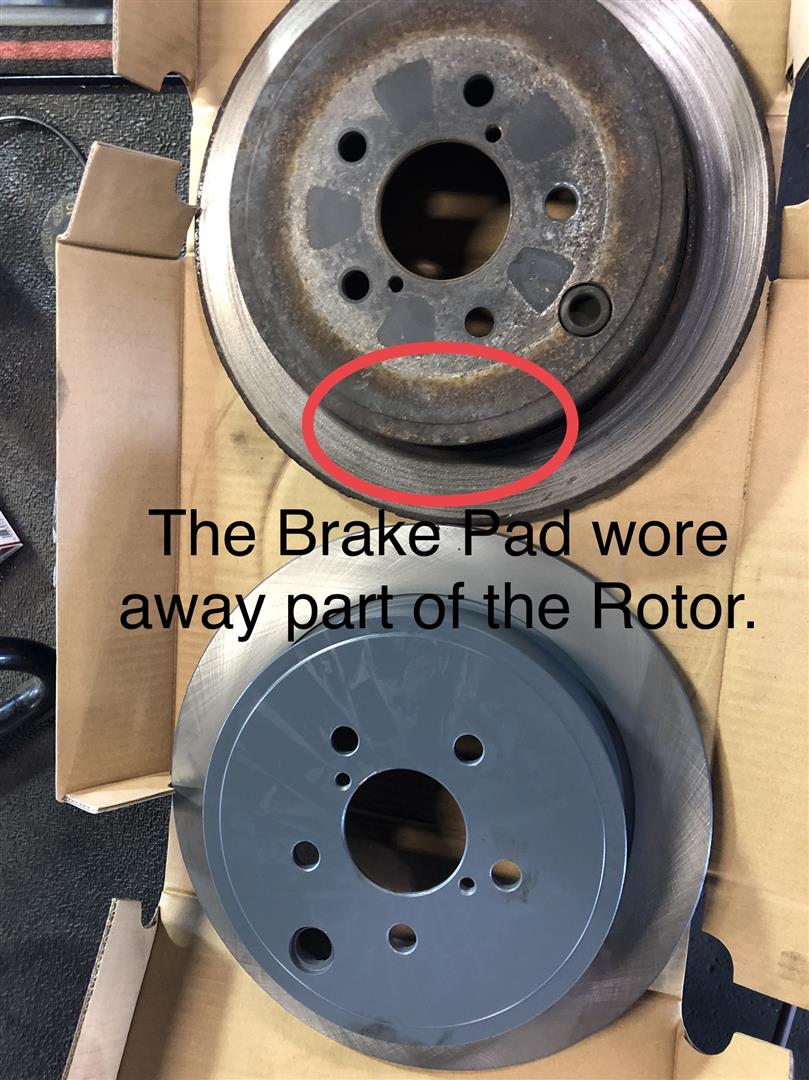
Credit: www.ricksautoservice.org
Signs Of Worn Brake Rotors
Worn brake rotors affect your car’s safety and performance. Recognizing the signs early helps you avoid bigger problems. Watch for these clear signals that your brake rotors need attention.
Vibrations While Braking
Feeling shaking or pulsing in the brake pedal? This usually means the rotors are uneven. Warped rotors cause vibrations that you can feel while stopping.
Squealing Or Grinding Noises
High-pitched squeals or harsh grinding sounds are bad signs. These noises happen when the rotor surface is damaged or worn down. They warn you that brake parts need checking.
Visible Grooves Or Scoring
Look at the rotors through the wheel. Deep grooves or rough lines show rotor wear. These marks reduce braking power and signal the need for rotor replacement.
Increased Stopping Distance
Your car takes longer to stop than usual. Worn rotors reduce friction needed for braking. This can be dangerous on the road and means your rotors need inspection.
Credit: www.reddit.com
Common Causes Of Rotor Damage
Brake rotors face many challenges during regular driving. Damage happens for different reasons. Understanding these causes helps spot rotor problems early. It also prevents expensive repairs and keeps driving safe.
Overheating From Excessive Braking
Using brakes too much creates a lot of heat. This heat makes the rotors very hot. Hot rotors can become weak and lose shape. It causes brake fade and reduces braking power. Long downhill drives or frequent hard stops cause overheating.
Corrosion And Rust Build-up
Rotors are made of metal and can rust easily. Moisture and road salt speed up rust formation. Rust makes the rotor surface rough and uneven. This roughness causes noise and vibration when braking. Cars left unused for a long time often have rusted rotors.
Warping Due To Uneven Pressure
Uneven pressure on rotors causes them to warp. Warped rotors make the brake pedal pulse or shake. It happens if brake pads wear unevenly or calipers stick. Warped rotors reduce braking smoothness and safety. Proper brake maintenance can prevent warping issues.
Impact Damage And Cracks
Hitting potholes or curbs can damage rotors. The force may cause cracks or dents on the rotor. Cracks weaken the rotor and may lead to failure. Impact damage can also cause uneven brake wear. Regular checks help find and fix this damage early.
How To Inspect Brake Rotors
Knowing how to inspect brake rotors helps keep your car safe on the road. Regular checks can catch problems early. This stops bigger issues and costly repairs. Here are simple steps to inspect your brake rotors properly.
Visual Examination Tips
Start by looking closely at the rotor surface. Check for cracks, deep grooves, or rust spots. Uneven wear or discoloration can mean the rotor is overheating. Warped or damaged rotors often cause vibration when braking. Use a flashlight for a clearer view in dark areas. Clean rotors with brake cleaner before inspecting for better results.
Measuring Rotor Thickness
Use a micrometer to measure rotor thickness accurately. Compare the reading to the minimum thickness allowed by the manufacturer. Thin rotors can cause poor braking and overheating. Measure at several points around the rotor to find uneven wear. Replace rotors that are thinner than the safe limit.
Checking For Rotor Runout
Rotor runout means the rotor wobbles when it spins. Use a dial indicator tool for this check. Attach the tool to the rotor and slowly rotate the wheel. Note the highest reading on the dial. Runout above the allowed limit causes brake pulsation. Excessive runout means the rotor needs machining or replacement.
When To Seek Professional Help
Some rotor problems require expert attention. If you find deep cracks or severe warping, visit a mechanic. Unusual noises or persistent brake vibration also need professional checks. Mechanics can perform detailed inspections and precise repairs. Always choose safety over risk when dealing with brake parts.
Risks Of Driving With Bad Rotors
Driving with bad brake rotors puts you and others in danger. The rotors play a key role in stopping your car safely. Worn or damaged rotors reduce how well your brakes work. This leads to many risks on the road.
Reduced Brake Efficiency
Bad rotors make brakes less effective. Your car takes longer to stop. This delay can cause accidents. The brake pedal may feel soft or shaky. You may hear strange noises while braking.
Potential Brake Failure
Severely damaged rotors can cause brake failure. The brakes may stop working suddenly. This puts you at high risk during driving. You might lose control of the vehicle. Emergency stopping becomes very difficult or impossible.
Damage To Other Brake Components
Bad rotors harm other parts of the brake system. Brake pads wear out faster. The calipers may get damaged too. Repair costs increase when multiple parts fail. Keeping rotors in good shape saves money.
Safety Hazards On The Road
Driving with bad rotors endangers everyone nearby. Longer stopping distances cause rear-end collisions. Brake failure can lead to serious crashes. Pedestrians and cyclists also face higher risks. Safe brakes protect lives on the road.
Maintenance Tips To Extend Rotor Life
Brake rotors need care to last longer and work well. Poor maintenance can cause damage fast. Simple actions can help keep rotors strong and safe. These tips protect your brakes and save money.
Regular Brake Pad Replacement
Brake pads wear down and affect rotor health. Old pads can scratch and damage rotors. Change brake pads often to avoid rotor harm. This keeps braking smooth and rotors intact.
Avoiding Aggressive Braking
Hard stops heat rotors quickly and cause warping. Gentle braking lowers stress on rotors and pads. Smooth braking extends rotor life and improves safety. Try to brake early and softly.
Keeping Rotors Clean And Dry
Dirt and water cause rust and wear on rotors. Clean rotors with a soft cloth regularly. Dry rotors after washing or rain to prevent rust. Clean rotors perform better and last longer.
Routine Professional Inspections
Mechanics spot rotor problems early during checks. Regular inspections catch wear, cracks, and warping fast. Timely repairs stop bigger rotor damage. Get your brakes checked every 12,000 miles or yearly.

Credit: www.wikihow.com
Frequently Asked Questions
How Do I Know If Brake Rotors Are Warped?
Warped rotors cause vibration or pulsation when braking. You may feel shaking in the brake pedal or steering wheel. This often happens at higher speeds and indicates uneven rotor surfaces needing inspection or replacement.
What Are Common Signs Of Bad Brake Rotors?
Common signs include squealing noises, grinding sounds, and uneven brake pad wear. You might also notice decreased braking performance or longer stopping distances. Visual checks may show grooves or scoring on the rotor surface.
Can Bad Brake Rotors Affect Vehicle Safety?
Yes, bad rotors reduce braking efficiency and control. This can increase stopping distances and cause unsafe driving conditions. Promptly addressing rotor issues is vital for maintaining vehicle safety and avoiding accidents.
How Often Should Brake Rotors Be Inspected?
Brake rotors should be inspected during every brake pad change or at least every 12,000 miles. Regular inspections help detect wear, warping, or damage early, ensuring optimal braking performance and safety.
Conclusion
Bad brake rotors can affect your car’s safety and performance. Listen for unusual noises and feel for vibrations while driving. Check for visible signs like grooves or rust on the rotors. Regular inspection helps catch problems early. Don’t wait until braking feels weak or uneven.
Fixing bad rotors keeps your vehicle safe on the road. Stay alert to these signs for smooth and safe driving. Taking action early saves time and money later. Keep your brakes in good shape for peace of mind.


