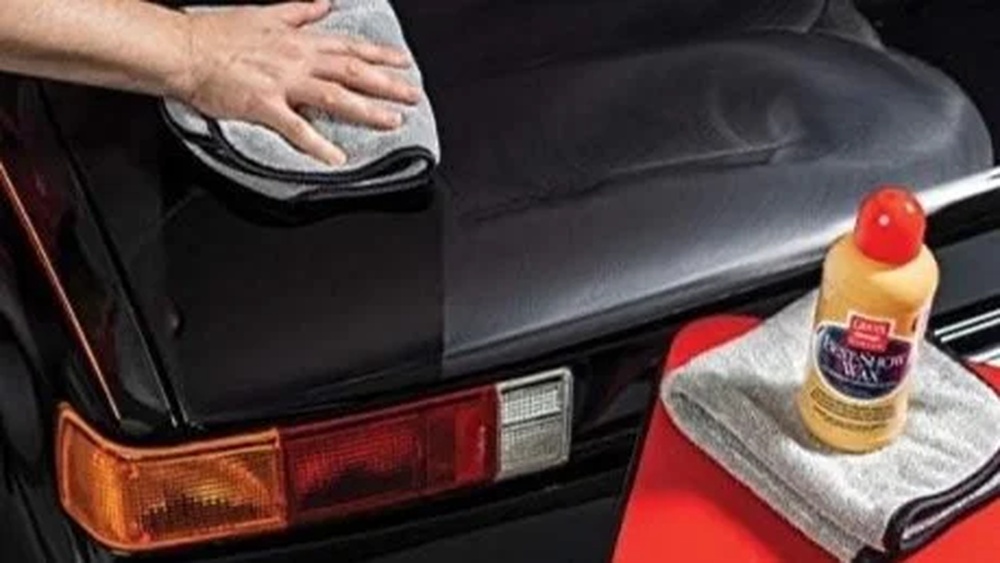
Have you ever tried to clean your plastic bumper, only to find stubborn car wax left behind? It’s frustrating when that shiny wax won’t come off, making your bumper look dull and messy.
But don’t worry—removing car wax from plastic isn’t as hard as it seems. In this guide, you’ll discover simple, effective ways to get your bumper looking clean and smooth again. Keep reading, and you’ll learn how to tackle this common problem quickly, saving time and keeping your car looking its best.

Credit: www.youtube.com
Identify Wax Residue On Plastic
Wax residue on a plastic bumper can be hard to spot at first. It often looks like a cloudy or shiny layer that does not match the plastic’s natural finish. This residue feels sticky or waxy to the touch. It can make the bumper look dull or uneven.
Knowing how to identify wax residue helps in cleaning the bumper properly. Removing it quickly prevents damage to the plastic surface. The following points explain how to see and feel wax on plastic bumpers.
Look For Uneven Shine
Wax residue creates a patchy shine. Some areas appear glossy, while others look matte. This difference in shine is a key sign of leftover wax. The plastic does not have a smooth, even finish.
Feel For A Sticky Texture
Run your fingers gently over the bumper. Wax feels sticky or oily. It does not feel dry or smooth like clean plastic. This texture helps confirm wax residue is present.
Spot Cloudy Or White Marks
Wax residue often leaves white or cloudy spots on plastic. These spots may look like smudges or streaks. They do not wipe off easily with water alone.
Check For Dirt Attraction
Wax residue can attract dust and dirt. The bumper may look dirty even after washing. Dirt sticks more to waxy areas, making the residue easier to identify.
Gather Necessary Materials
Gathering the right materials is the first step to remove car wax from a plastic bumper. Using proper tools and cleaners protects the plastic from damage. Prepare everything before starting the cleaning process. This saves time and avoids mistakes.
Safe Cleaners For Plastic
Choose cleaners that are gentle on plastic surfaces. Avoid harsh chemicals like acetone or bleach. Mild soap mixed with water works well. Specialized plastic-safe cleaners are also a good choice. These products remove wax without harming the bumper’s finish.
Test the cleaner on a small area first. This ensures no discoloration or damage occurs. Use only what the instructions recommend. Too much cleaner can cause streaks or dull spots.
Soft Cloths And Tools
Soft cloths prevent scratches on the plastic bumper. Microfiber cloths are ideal for this task. Avoid rough sponges or brushes that can damage the surface. Use a soft-bristled brush for stubborn wax spots.
Gather clean cloths for wiping and drying. Keep a plastic scraper handy to lift thick wax layers gently. Having the right tools makes the job easier and safer.
Test Cleaners On A Small Area
Testing cleaners on a small area is a key step before removing car wax from a plastic bumper. This step helps avoid damage and unwanted marks on your car’s surface. Plastic bumpers can be sensitive to some chemicals. Testing ensures the cleaner works without harm.
Choose a hidden spot on the bumper. Apply a small amount of the cleaner. Wait a few minutes to see any reaction. Look for discoloration, fading, or surface changes. If the area looks fine, it is safe to use the cleaner on the entire bumper.
Choose A Hidden Spot
Pick a small, less visible part of the bumper. This spot should not show easily. It helps protect the car’s appearance if the cleaner causes damage.
Apply A Small Amount
Use just a drop or a small dab of the cleaner. Avoid soaking the area. This limits any potential damage to a tiny space.
Wait And Observe
Give the cleaner time to work. Check the spot after 5 to 10 minutes. Look closely for any changes in color or texture.
Check For Damage
Carefully inspect the test area. No fading, cracking, or dullness should appear. If damage occurs, try a gentler cleaner.

Credit: www.reddit.com
Remove Wax Using Mild Soap And Water
Removing car wax from a plastic bumper needs care. Using the wrong cleaner can damage the plastic. Plastic-safe solvents help remove wax without harm. These products dissolve wax without harming the bumper’s surface.
Choose solvents made for plastic parts. Test the solvent on a small hidden spot first. This test shows if the solvent causes damage or discoloration. Use a soft cloth to apply the solvent gently. Avoid scrubbing hard to protect the plastic.
Check The Solvent Label For Plastic Safety
Always read the solvent label before use. Look for notes about plastic safety. Some solvents are made only for metal or glass. Using those on plastic can cause damage. Choose one that says it is safe for plastic surfaces.
Apply Solvent With A Soft Cloth
Use a clean, soft cloth to apply solvent. Dampen the cloth slightly, do not soak it. Rub gently over the wax spots in small circles. Avoid using abrasive materials or scrubbing hard. This reduces risk of scratches on the bumper.
Wipe Off Solvent And Residue Carefully
After the solvent dissolves the wax, wipe it off. Use a fresh, clean cloth for wiping. Remove all solvent and wax residue fully. Leaving solvent on the plastic can cause dull spots. Finish by rinsing the area with water and drying.
Try Isopropyl Alcohol For Stubborn Wax
After removing car wax from your plastic bumper, polishing and protecting it is essential. This step keeps the bumper looking fresh and prevents damage from dirt and sunlight. Proper care helps maintain the bumper’s color and finish.
Apply Plastic Conditioner
Use a plastic conditioner made for car bumpers. It restores the plastic’s natural shine and protects it from fading. Apply a small amount on a clean cloth. Rub it gently into the bumper in circular motions. Let it dry for a few minutes, then buff with a soft cloth. This process seals the surface and adds a protective layer.
Regular Maintenance Tips
Clean your bumper regularly with mild soap and water. Avoid harsh chemicals that can damage the plastic. After washing, apply plastic conditioner every few weeks. Park your car in shaded areas to reduce sun damage. Check the bumper for scratches and treat them quickly. Small efforts keep your bumper looking new longer.

Credit: www.reddit.com
Frequently Asked Questions
How Do I Safely Remove Car Wax From Plastic Bumpers?
Use a gentle plastic-safe cleaner or isopropyl alcohol. Apply with a soft cloth in circular motions. Rinse with warm water and dry thoroughly. Avoid harsh chemicals that can damage the plastic surface.
Can Household Items Remove Car Wax From Plastic Bumpers?
Yes, mild dish soap or baking soda paste can help. Gently scrub the wax with a soft cloth. Rinse and dry the area well. These items are safe and effective for light wax residue.
What Products Work Best On Wax Stains On Plastic Bumpers?
Use plastic-safe automotive cleaners or specialized wax removers. Look for non-abrasive formulas designed for plastic surfaces. Always test on a small area first to avoid discoloration or damage.
Is It Necessary To Polish Plastic Bumpers After Wax Removal?
Yes, polishing helps restore shine and protect the surface. Use a plastic polish or a non-abrasive automotive product. This step ensures the bumper looks smooth and clean after wax removal.
Conclusion
Removing car wax from a plastic bumper is simple with the right steps. Use gentle cleaners and soft cloths to avoid damage. Take your time and work carefully. Regular cleaning helps keep your bumper looking good. Small efforts make a big difference in car care.
Now you know how to handle wax on plastic bumpers. Keep your car neat and shiny with these easy tips.