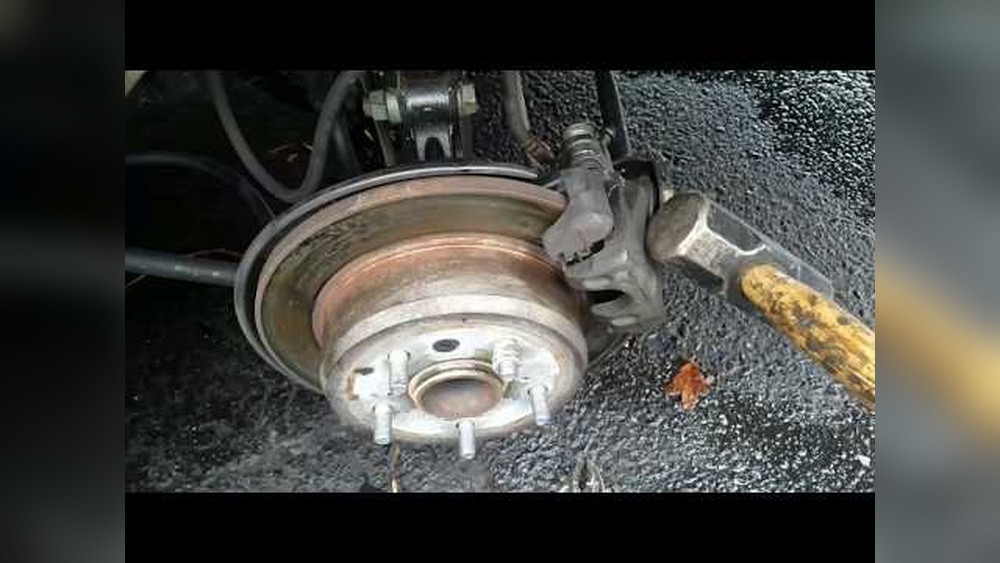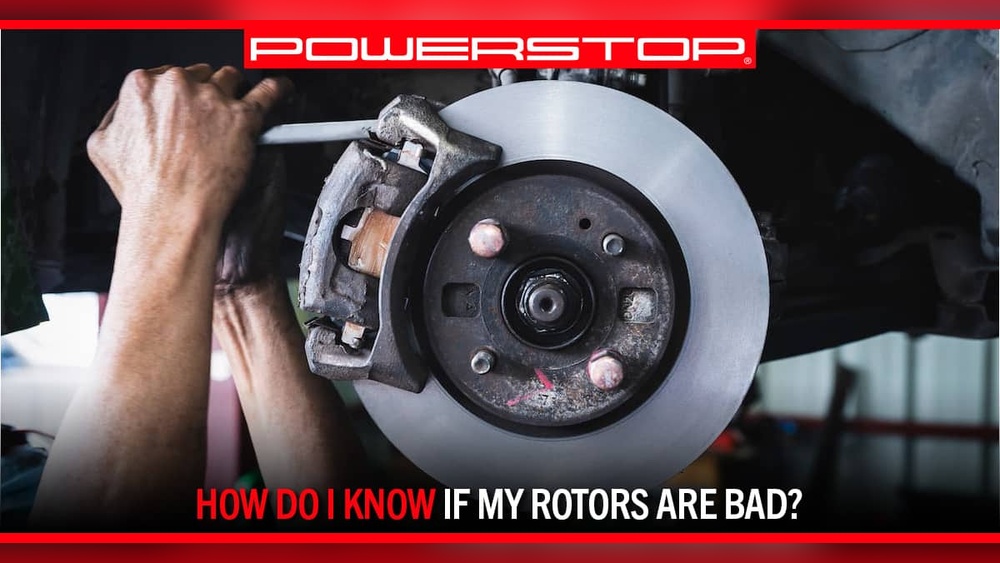
Have you ever felt a strange vibration or heard a squealing noise when you hit the brakes? These could be signs that your brake rotors are bad.
Knowing when your brake rotors need attention is crucial for your safety and your car’s performance. You’ll learn the simple ways to tell if your brake rotors are worn out or damaged. Keep reading to protect yourself on the road and avoid costly repairs down the line.
Common Brake Rotor Problems
Brake rotors are key parts of a vehicle’s braking system. They work with brake pads to stop the car safely. Over time, rotors can develop problems that reduce braking power and safety. Knowing common brake rotor problems helps spot issues early. This keeps your car safe and running well.
Rotors face heat, pressure, and wear every time you brake. These stresses cause several common problems. Here are the main issues to watch for and how they affect your brakes.
Warping And Its Effects
Warping happens when rotors heat unevenly and cool too fast. This changes their shape and causes bumps or dips. Warped rotors make the brake pedal shake or vibrate. You might feel this in the steering wheel or brake pedal. Warping also reduces braking smoothness and increases stopping distance.
Cracks And Surface Damage
Cracks often appear from extreme heat or rough driving. Small cracks can grow and cause rotor failure. Surface damage like grooves or scoring happens from worn brake pads or dirt. These flaws lower braking efficiency and can lead to noise or grinding sounds. Ignoring cracks or damage risks brake safety.
Excessive Wear Signs
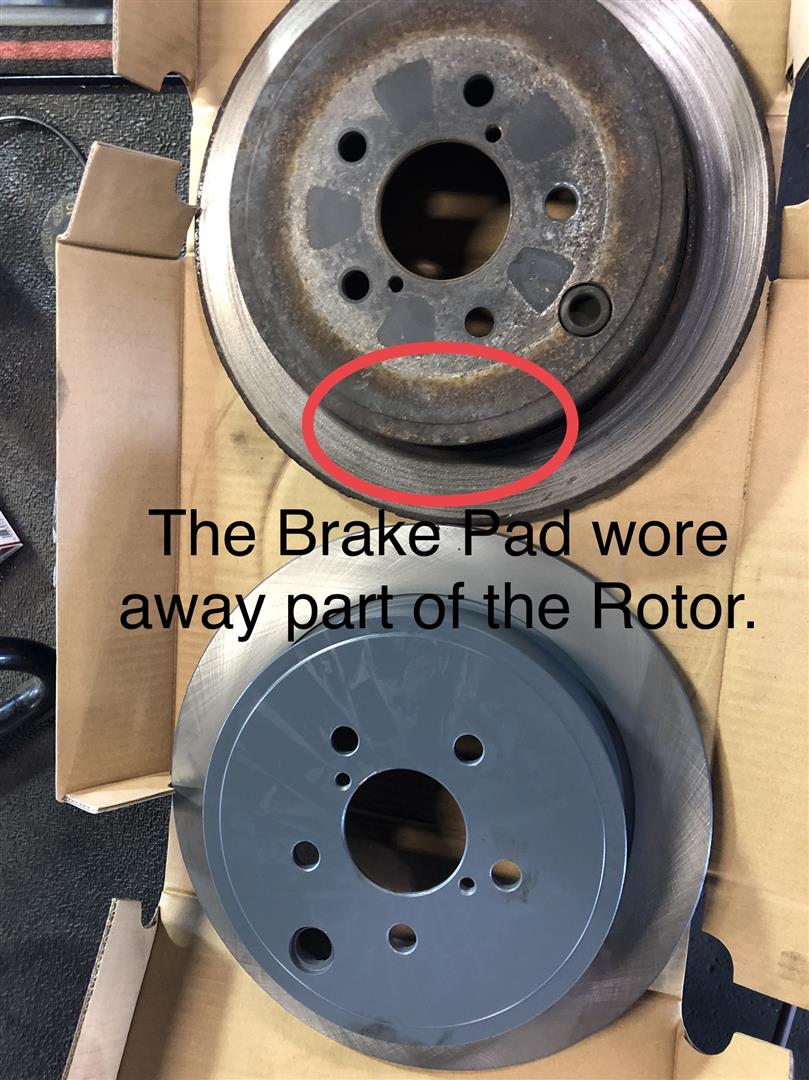
Rotors wear down as they are used. Excessive wear makes them too thin to work properly. Signs include deep grooves, rust spots, or uneven surfaces. Thin rotors heat up faster and can crack or warp easily. Most manufacturers set a minimum thickness for safe use. Driving with worn rotors is dangerous and may cause brake failure.
Credit: www.ricksautoservice.org
Visual Indicators Of Rotor Damage
Brake rotors are vital for safe driving. Visual signs of rotor damage help spot problems early. Checking your rotors can save you from costly repairs and unsafe rides. Here are some key visual indicators to watch for on your brake rotors.
Scoring And Grooves
Scoring appears as deep lines on the rotor surface. These grooves form from worn brake pads or debris caught between pad and rotor. They reduce braking efficiency and cause noise. Light grooves are normal, but deep scoring means rotor damage.
Rust And Corrosion Spots
Rust forms when moisture stays on rotors for long periods. Small rust spots are common, but large patches weaken the metal. Corrosion can cause pitting and rough spots, leading to uneven brake wear. Keep rotors clean and dry to avoid rust damage.
Uneven Rotor Thickness
Uneven thickness means the rotor surface is not flat. This can cause brake vibration or pulsation during stops. Measure thickness with a micrometer for accuracy. Rotors with uneven wear need replacement for smooth braking performance.
Symptoms While Driving
Driving with bad brake rotors can feel unsafe. Your car may show clear signs that the rotors need attention. These symptoms affect how the car stops and how it feels when braking. Recognizing these signs early helps avoid bigger problems and keeps you safe on the road.
Brake Pedal Pulsation
One common sign of bad rotors is a pulsing brake pedal. When you press the brake, the pedal may shake or vibrate. This happens because the rotors are uneven or warped. The pedal does not feel smooth. This pulsing can make it harder to stop the car safely.
Vibrations During Braking
You might feel vibrations through the steering wheel or seat while braking. These vibrations mean the brake rotors are not smooth. Warped or damaged rotors cause this shaking. It can be strong enough to distract you while driving. This symptom shows the rotors need inspection or replacement.
Squealing Or Grinding Noises
Listen for high-pitched squealing or grinding sounds when braking. Squealing often means the rotor surface is rough or worn. Grinding sounds may mean metal is rubbing on metal. These noises warn that the rotors and brake pads may be damaged. Ignoring these sounds can lead to more serious brake failure.

Credit: www.reddit.com
Measuring Rotor Condition
Measuring the condition of a brake rotor is key to safe driving. Rotors wear out over time and need checking. Simple tools help spot problems early. Knowing how to measure rotor condition saves money and trouble.
Using A Micrometer
A micrometer measures rotor thickness with great accuracy. Place it on the rotor’s surface and read the number. Thinner rotors lose stopping power and heat resistance. Check thickness in several spots for even wear. Replace rotors if they are too thin.
Checking Rotor Runout
Rotor runout means how much the rotor wobbles when spinning. Use a dial indicator to measure runout. Attach it to the rotor and slowly rotate the wheel. If the rotor moves more than allowed, it can cause brake vibration. High runout means the rotor is warped and needs replacing.
Manufacturer Thickness Specifications
Every rotor has a minimum thickness set by the maker. This number shows the thinnest safe rotor size. Find this info in your vehicle manual or on the rotor itself. Do not use rotors thinner than the specified limit. Thin rotors heat up fast and wear out quicker.
When To Replace Vs. Resurface
Deciding whether to replace or resurface a brake rotor is important for car safety. Both options fix rotor problems but suit different situations. Knowing when to choose each helps avoid extra costs and keeps brakes working well.
Rotor Thickness Limits
Every rotor has a minimum thickness limit. This limit is set by the manufacturer. If the rotor is thinner than this, it cannot be safely resurfaced. Using a rotor below this thickness can cause brake failure. Always measure the rotor thickness before any work.
Cost And Safety Considerations
Resurfacing costs less than replacing a rotor. It removes small grooves and smooths the surface. But it only works if the rotor is thick enough. Replacing is safer when the rotor is very worn or damaged. Safety should always come before saving money.
Signs Resurfacing Is Not Advisable
Deep cracks or heavy rust on the rotor mean resurfacing is risky. Uneven wear or warping also suggests replacement. If the rotor has been resurfaced many times before, it may be too thin now. In these cases, replace the rotor to keep brakes reliable.
Credit: www.powerstop.com
Preventing Rotor Damage
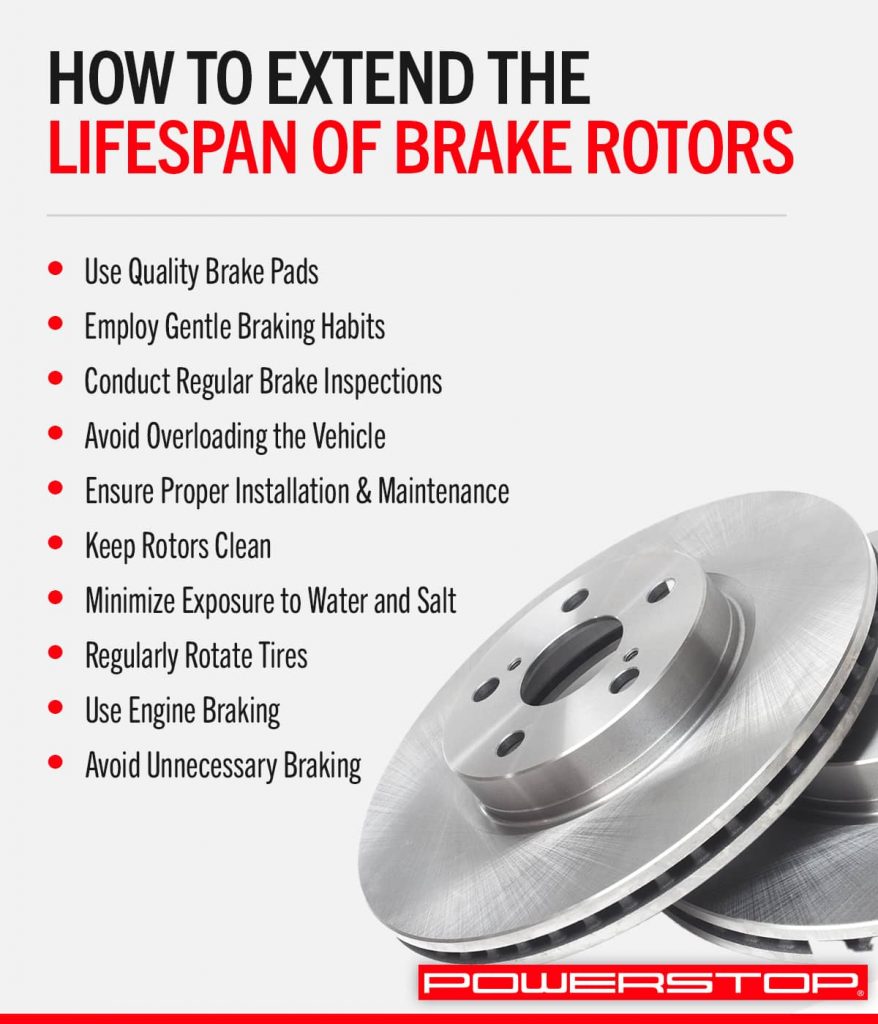
Preventing brake rotor damage saves money and keeps driving safe. Rotors wear down from heat, friction, and poor care. Taking steps to protect rotors helps avoid costly repairs and brake failure.
Proper Brake Pad Selection
Choose brake pads that match your rotor type. Soft pads reduce rotor wear but last shorter. Hard pads last longer but may cause rotor damage. Use pads recommended by your vehicle maker.
Regular Maintenance Checks
Inspect rotors and brake pads often. Look for cracks, grooves, or uneven wear. Replace pads before they wear too thin. Regular checks catch problems early, saving time and money.
Driving Habits That Protect Rotors
Avoid hard braking whenever possible. Slow down gradually to reduce rotor heat. Use engine braking on long descents. Smooth driving cuts rotor wear and keeps brakes cooler.
Frequently Asked Questions
How Do I Know If My Brake Rotor Is Worn Out?
You can tell by loud squealing, vibration when braking, or visible grooves. Warped rotors cause shaking, while cracks or rust indicate wear. Regular inspection helps identify damage early and ensures safe braking.
What Causes Brake Rotors To Go Bad Quickly?
Brake rotors wear out from excessive heat, hard braking, or poor maintenance. Driving in hilly areas or frequent stop-and-go traffic speeds wear. Using low-quality brake pads can also damage rotors faster.
Can A Bad Brake Rotor Affect Vehicle Safety?
Yes, bad rotors reduce braking efficiency and increase stopping distance. Warped or cracked rotors may cause brake failure or uneven pad wear. Timely rotor replacement is crucial for safe driving and effective braking.
How Often Should Brake Rotors Be Replaced?
Brake rotors typically last 30,000 to 70,000 miles, depending on driving habits. Regular inspection during brake service helps determine wear. Replace rotors if they are warped, cracked, or below minimum thickness.
Conclusion
Bad brake rotors can cause noise, vibration, and unsafe driving. Watch for grooves, cracks, or warping on the rotor surface. Listen for squealing or grinding sounds when braking. Feel for shaking or pulsing in the brake pedal. Regular checks help catch problems early and keep you safe.
Don’t ignore signs of worn rotors. Timely replacement protects your brakes and improves stopping power. Stay alert and maintain your vehicle well. Safe brakes mean safer trips every time you drive.