
Are you hearing strange noises when you press your brake pedal? Or maybe your car feels shaky when you try to stop?
These are signs your brakes or rotors might be acting up. But how do you tell which one is causing the problem? Knowing the difference can save you time, money, and keep you safe on the road. You’ll learn simple ways to spot whether it’s your brakes or rotors that need attention.
Keep reading to protect your car and avoid costly repairs.
Credit: www.autotechiq.com
Common Brake Issues
Brakes are vital for safe driving. Problems with brakes can cause serious risks. Knowing common brake issues helps you act fast. It saves money and keeps you safe.
Many brake troubles come from worn parts or fluid issues. Each problem has clear signs you can notice. Learning these signs helps you understand what needs fixing.
Worn Brake Pads
Brake pads wear down with use. Thin pads make a squealing noise when braking. You might feel less stopping power too. If the pads are too thin, braking becomes unsafe. Replace worn pads quickly to avoid damage.
Damaged Rotors
Rotors work with brake pads to stop your car. Rotors can warp or crack from heat and use. Warped rotors cause a shaking or pulsing feeling. Cracks in rotors can lead to brake failure. Damaged rotors need repair or replacement soon.
Brake Fluid Problems
Brake fluid moves pressure to your brakes. Low or dirty fluid can reduce brake power. A soft or spongy brake pedal may signal fluid issues. Check fluid levels and quality regularly. Fix fluid problems to keep brakes working well.

Credit: www.youtube.com
Signs Of Brake Pad Wear
Brake pads wear down over time from regular use. Recognizing the signs of brake pad wear is crucial for your safety. Worn brake pads can cause serious problems with stopping your car. Knowing these signs helps you act quickly and avoid costly repairs.
Brake pads protect your rotors and help your vehicle stop smoothly. When they wear out, you may notice strange noises or changes in braking. Pay attention to these signals to keep your brakes in good shape.
Squealing Or Screeching Noise
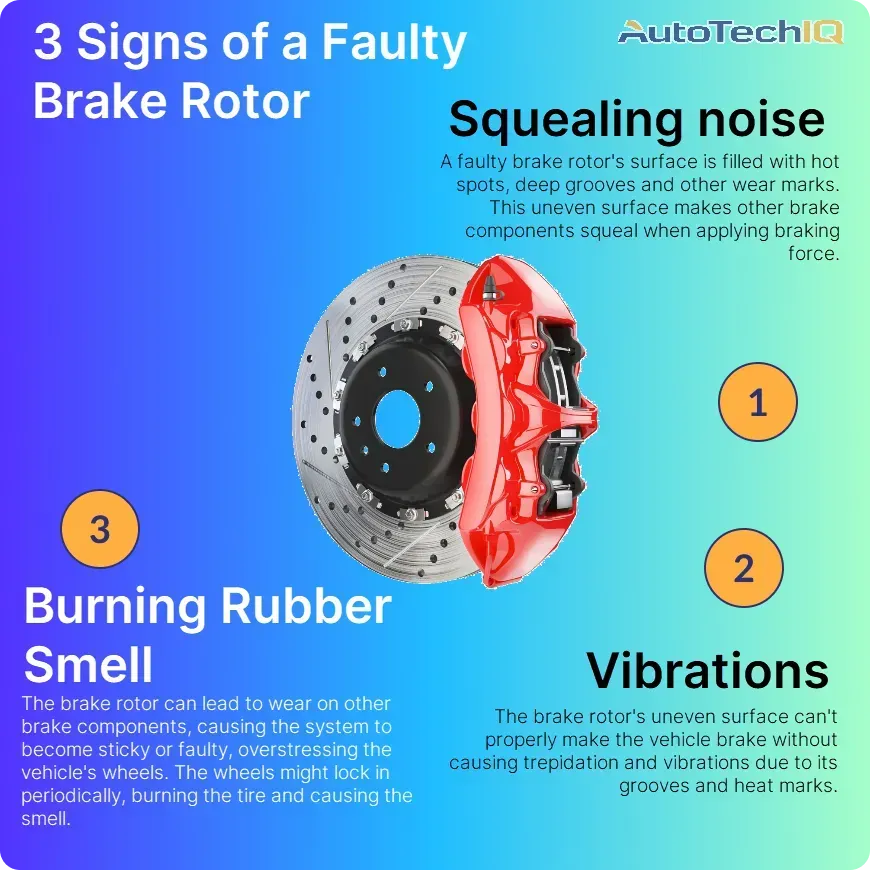
A high-pitched squeal often means your brake pads are worn. This noise comes from a small metal strip called a wear indicator. The strip rubs against the rotor to alert you it is time to replace the pads. Do not ignore this noise; it means the pads are thin.
Reduced Braking Performance
Your car may take longer to stop if brake pads wear out. You might feel the brakes are less responsive or “soft” under your foot. This happens because the pads no longer grip the rotors well. Reduced braking is dangerous and needs immediate attention.
Brake Warning Light
Many cars have a brake warning light on the dashboard. This light may turn on when brake pads wear down too much. It signals that the braking system needs inspection. Never ignore this warning; it protects you and your passengers.
Indicators Of Rotor Damage
Rotor damage can cause serious problems with your vehicle’s braking. It is important to know the signs so you can act quickly. Detecting rotor issues early helps keep driving safe and smooth. Here are some common indicators of rotor damage to watch for.
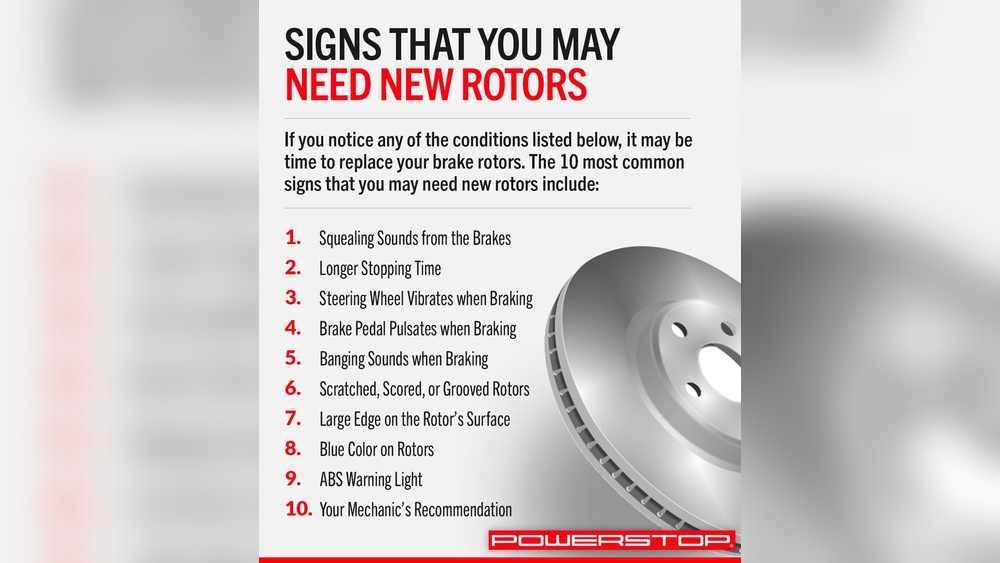
Vibration Or Pulsation When Braking
Feeling a vibration or pulsing in the brake pedal or steering wheel is a key sign. This often happens because the rotors are warped or uneven. The brake pads cannot press evenly on the surface, causing this shaking. It usually gets worse at higher speeds or during hard braking.
Visible Grooves Or Scoring
Check your rotors for deep grooves or rough lines on the surface. These marks form from worn brake pads or debris trapped between the pad and rotor. Grooves reduce the rotor’s smoothness and braking efficiency. They also increase wear on brake pads, leading to more damage.
Rotor Thickness Variation
Rotors must have a consistent thickness for proper braking. Uneven wear causes thickness variation, which leads to poor brake performance. Mechanics measure rotor thickness with special tools to detect this issue. Thin or uneven rotors may need resurfacing or replacement to ensure safety.
Diagnostic Steps To Identify The Issue
Knowing whether the problem is with your brakes or rotors helps fix it fast. Follow these simple steps to find the cause. Each step shows signs to check. This way, you avoid unnecessary repairs. You save time and money.
Visual Inspection
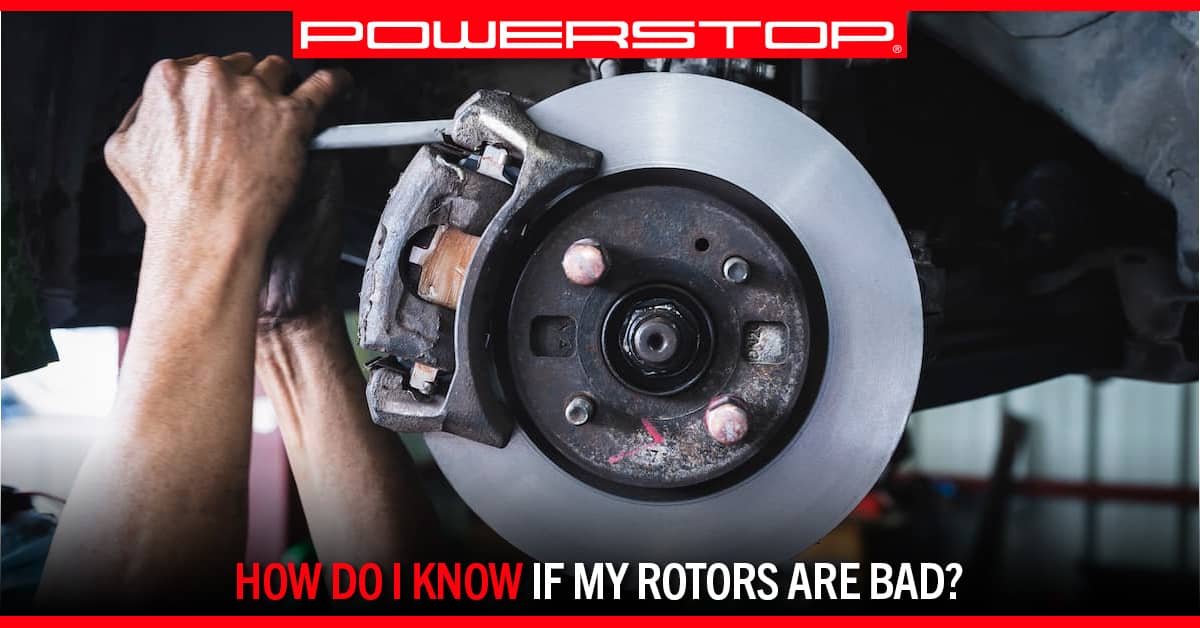
Start by looking at the brake parts. Check the brake pads for thickness. Thin pads mean they need replacement. Look at the rotors for grooves or cracks. Deep grooves or rust spots suggest rotor damage. Clean parts may hide issues, so inspect carefully.
Listening For Noises
Listen while pressing the brake pedal. Squealing sounds often mean worn brake pads. Grinding noises usually point to damaged rotors. Clicking or thumping may also signal rotor problems. Quiet brakes do not always mean all is well, but noises are clear warning signs.
Test Driving Tips
Drive slowly in a safe area and brake gently. Notice if the car pulls to one side. Pulling can mean rotor or pad wear on one side. Feel for vibrations or shaking in the brake pedal. Vibrations often come from warped rotors. Smooth brakes usually mean the system works well.
When To Seek Professional Help
Knowing when to seek professional help for brake or rotor issues is important. Some problems need expert tools and skills. Ignoring serious signs can risk your safety and cause more damage. This section helps you understand when to get a mechanic involved.
Complex Brake Symptoms
Sometimes brake problems are hard to identify. Strange noises, uneven braking, or vibrations may mean multiple parts need checking. Professionals can find the exact cause quickly. They use special tools to test brake pads, rotors, and other parts.
Safety Concerns
Brakes are crucial for your safety. If your brakes feel weak or your car pulls to one side, stop driving. These signs could mean a serious problem. A trained mechanic can fix issues before they cause accidents.
Cost Considerations
Trying to fix brakes without knowledge can lead to costly mistakes. Professionals offer accurate repairs that last longer. Early help can prevent expensive damage to rotors or other brake parts. Saving money means fixing problems early.
Preventive Measures For Brake Health
Taking care of your brakes helps keep your car safe. It also saves money by avoiding big repairs. Simple steps can keep brakes and rotors in good shape. These actions stop small problems from growing. Your ride stays smooth and stops well.
Focus on regular checks, good driving habits, and timely part changes. Each step plays a key role in brake health. Here are some ways to protect your brake system.
Regular Maintenance
Check brake pads and rotors often. Look for wear, cracks, or uneven surfaces. Clean brake parts to remove dirt and dust. This stops damage and keeps brakes working well. Have a mechanic inspect brakes yearly. Early problem detection avoids bigger issues later.
Proper Driving Habits
Drive gently to reduce brake wear. Avoid sudden stops and hard braking. Use engine braking on hills instead of the brake pedal. Keep a safe distance to allow smooth stops. These habits lower heat and stress on brakes. Your brake parts last longer this way.
Timely Replacement
Replace brake pads before they wear out fully. Worn pads can damage rotors quickly. Change rotors if they are warped or deeply scored. Follow your car manual for replacement times. Do not wait for brake failure signs. Timely swaps protect your safety and wallet.
Credit: www.powerstop.com
Frequently Asked Questions
How To Tell If Noise Is From Brakes Or Rotors?
Brake noise usually occurs during braking and sounds like squealing. Rotor noise often feels like grinding or vibration. Inspect brake pads for wear and rotors for grooves to identify the source accurately.
What Causes Brake Pads To Wear Faster Than Rotors?
Brake pads wear faster due to friction against rotors. Soft or poor-quality pads degrade quickly. Rotors last longer but can warp from heat, causing uneven pad wear and braking issues.
Can Warped Rotors Cause Brake Pedal Vibration?
Yes, warped rotors create uneven surface contact. This causes brake pedal vibration or pulsing when braking. It’s a common sign that rotors need resurfacing or replacement.
When Should I Replace Rotors Instead Of Brake Pads?
Replace rotors if they are deeply grooved, warped, or below thickness specs. New pads on damaged rotors can cause noise and poor braking. Always inspect rotors during brake service.
Conclusion
Knowing whether the problem is your brakes or rotors helps keep you safe. Listen for strange sounds and feel for vibrations when you brake. Check for visible damage or wear on both parts. Acting quickly can prevent bigger repairs and save money.
Regular maintenance keeps your car running smoothly and safely. Trust your senses and get a professional check if unsure. Safe driving starts with healthy brakes and rotors. Don’t ignore the signs your car gives you.


