

Have you noticed strange noises or vibrations when you hit the brakes? These could be signs that your brake rotors need attention.
Your safety on the road depends on how well your brakes work, so knowing when to replace your rotors is crucial. But how do you tell if it’s time for new brake rotors? You’ll discover the key signs to watch for, simple checks you can do yourself, and why ignoring these warning signals could cost you more than just money.
Keep reading to protect yourself and your vehicle before it’s too late.
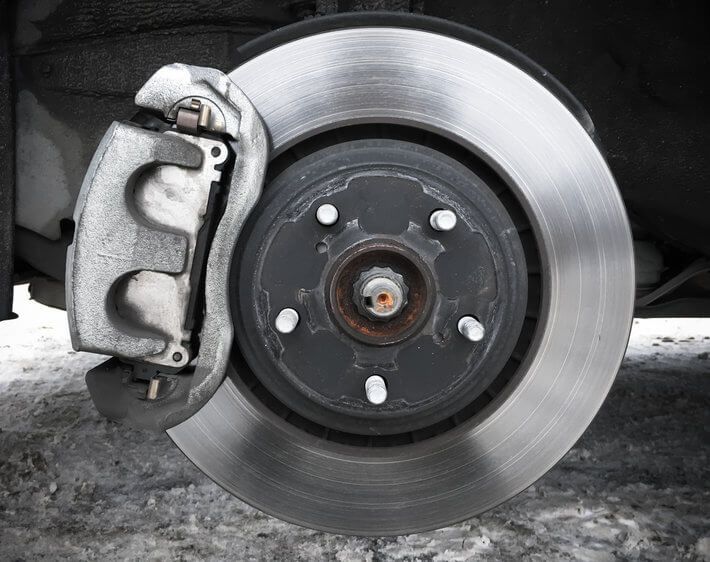
Credit: www.tiresplus.com
Signs Of Worn Brake Rotors
Worn brake rotors can cause serious problems while driving. Recognizing the signs early helps keep your vehicle safe. Brake rotors wear out over time from constant use. This wear affects how well your brakes work. Below are key signs that your brake rotors might need replacement.
Vibrations While Braking
Feeling vibrations in the brake pedal or steering wheel is a common sign. This happens because worn rotors become uneven. The brake pads can’t grip the surface properly. The shaking usually increases with harder braking. It is a clear warning that rotor surfaces are damaged.
Squealing Or Grinding Noises
Strange sounds when braking often mean rotor issues. A high-pitched squeal happens if the rotor surface is rough. Grinding noises mean the brake pads may be hitting metal directly. This can damage rotors quickly. These noises are signals that your brakes need a check-up.
Visible Grooves Or Scoring
Look at the rotors through the wheel spokes. Deep grooves or scoring lines show rotor wear. These marks mean the rotor surface is uneven. This reduces braking power and can cause vibration. Grooved rotors usually need to be replaced, not just resurfaced.
Increased Stopping Distance
Notice if your car takes longer to stop than before. Worn rotors reduce the brake system’s effectiveness. This can make stopping unsafe in emergencies. Even small increases in stopping distance are dangerous. Always take longer stops seriously and get your brakes tested.
Effects Of Damaged Rotors
Damaged brake rotors affect your car’s braking system in many ways. They reduce how well your brakes work. This can cause problems with safety and vehicle control. Understanding these effects helps you know when to replace your rotors.
Reduced Brake Performance
Damaged rotors make your brakes less effective. You may notice your car takes longer to stop. The brake pedal might feel soft or vibrate. This reduces your control during sudden stops. Poor braking can increase the chance of accidents.
Uneven Brake Pad Wear
When rotors are damaged, brake pads wear unevenly. This causes some pads to wear out faster than others. Uneven wear leads to noisy brakes and less smooth stops. It also means you must replace pads more often, adding to maintenance costs.
Potential Safety Risks
Worn or warped rotors can cause serious safety issues. Your car might pull to one side when braking. Brake fade can happen, where brakes stop working well. These risks make driving dangerous, especially in emergencies or bad weather.
How To Inspect Brake Rotors
Inspecting brake rotors is key to safe driving. Regular checks help spot issues early. This keeps your brakes working well and avoids costly repairs. Here are simple ways to check your brake rotors.
Visual Inspection Tips
Start by looking at the rotor surface. It should be smooth and even. Deep grooves or cracks mean damage. Rust patches are normal but should not cover the whole rotor. Check for discoloration, like blue spots. These can signal overheating. Look around the edges for signs of wear or chipping.
Measuring Rotor Thickness
Use a micrometer or caliper to measure thickness. Compare it to the minimum thickness in your vehicle’s manual. Thin rotors cannot cool well and wear out fast. Measure in several spots around the rotor. Uneven thickness can cause brake problems. Replace rotors thinner than the recommended limit.
Checking For Warping
Warped rotors cause vibration when braking. You can test with a dial indicator gauge. Attach it to the rotor and spin the wheel slowly. Watch for any side-to-side movement. Even small warps can affect brake feel and safety. Warped rotors usually need replacement or resurfacing.

Credit: www.youtube.com
When To Replace Vs. Resurface
Deciding whether to replace or resurface your brake rotors is important for safe driving. Rotors wear down over time from use. Knowing the right choice can save money and ensure your brakes work well.
Rotors can be resurfaced if they are still thick enough and have minor damage. Replacement is needed if the rotors are too thin or deeply damaged. Understanding the signs helps you make the best decision for your vehicle.
Criteria For Resurfacing Rotors
Rotors can be resurfaced when they have small grooves or uneven surfaces. The thickness must meet the minimum limit set by the vehicle maker. Resurfacing removes surface damage and restores smoothness. This process extends rotor life without replacing them. Rotors with minor warping can also be fixed by resurfacing.
Signs Replacement Is Necessary
Replace rotors if they are too thin or cracked. Deep grooves or severe warping cannot be fixed by resurfacing. A burning smell or vibration when braking may mean rotor damage. Rust that affects rotor strength needs replacement. If rotors have reached the minimum thickness, replacement is safest.
Cost Considerations
Resurfacing usually costs less than buying new rotors. It takes less time and uses fewer parts. Replacement rotors are more expensive but last longer. Consider labor costs for both options. Sometimes replacement is better if resurfacing is close to the thickness limit. Balance cost with safety and rotor condition.
Preventive Maintenance Tips
Preventive maintenance helps keep brake rotors in good shape. It stops small problems from becoming big issues. Regular care extends the life of your rotors and keeps you safe on the road.
Regular Brake Checks
Check your brakes often for signs of wear. Look for noises like squealing or grinding. Feel for vibrations when braking. These signs show rotor wear or damage. Early checks catch problems before they get worse.
Driving Habits That Protect Rotors
Drive smoothly to reduce rotor wear. Avoid hard braking unless it is an emergency. Slow down gradually to stop safely. This puts less stress on your brake parts. Gentle driving helps rotors last longer.
Timely Replacement Of Brake Pads
Change brake pads before they wear out completely. Worn pads can damage rotors quickly. Fresh pads press evenly on rotors, preventing grooves and warping. Timely replacement saves money and keeps brakes working well.

Credit: www.youtube.com
Frequently Asked Questions
How Can I Tell If Brake Rotors Are Worn Out?
Worn brake rotors often cause vibrations or pulsations when braking. You may also notice deep grooves or cracks. If braking feels less responsive, it’s time to inspect your rotors for wear or damage.
What Are The Signs Of Warped Brake Rotors?
Warped rotors create a shaking sensation in the brake pedal or steering wheel. You may hear squealing or grinding noises when braking. These symptoms indicate uneven rotor surfaces needing replacement or resurfacing.
How Often Should Brake Rotors Be Replaced?
Brake rotors generally last between 30,000 to 70,000 miles. Replacement depends on driving habits, rotor quality, and brake pad condition. Regular inspections help determine if rotors need replacement before they cause brake issues.
Can I Drive With Damaged Brake Rotors?
Driving with damaged rotors is unsafe. It reduces braking efficiency and increases stopping distances. Replace or repair rotors immediately to ensure your vehicle’s safety and avoid costly brake system damage.
Conclusion
Worn brake rotors can cause noise, vibration, and poor braking. Check your rotors regularly for grooves or warping. Thin or damaged rotors reduce safety on the road. Replacing them on time keeps your brakes working well. Don’t wait until problems get worse or more costly.
Stay alert to signs your rotors need attention. Safe driving starts with good brake care. Take action early to avoid bigger issues later. Your car and your safety will thank you.


