
You want your car to look its best, shining like it just rolled off the showroom floor. Applying car wax is one of the simplest ways to protect your paint and keep your vehicle gleaming.
But how do you apply car wax the right way to get that perfect, long-lasting finish? If you’re tired of streaks, smudges, or a dull shine, this guide is for you. Keep reading, and you’ll learn step-by-step how to make your car’s surface smooth, shiny, and protected with ease.
Your car deserves it—and so do you.
Choosing The Right Wax
Choosing the right car wax is key to protecting your vehicle and keeping it shiny. Not all waxes work the same on every car. Picking the right type helps your car look its best and lasts longer. Understanding the options makes the process easier and more effective.
Types Of Car Wax
Car wax comes in several forms. Paste wax is thick and gives a deep shine. Liquid wax is easy to apply and spreads quickly. Spray wax is fast but may not last as long. Each type suits different needs and skill levels.
Factors To Consider
Think about your car’s color and finish. Also, consider how often you want to wax. Weather conditions in your area matter too. Some waxes protect better against sun and rain. Choose wax based on your car’s daily environment.
Wax For Different Finishes
Glossy finishes need waxes that enhance shine. Matte finishes require wax that does not add gloss. Metallic paints benefit from waxes that protect color depth. Always match wax to the finish type for best results.
Credit: www.torquedetail.com
Preparing Your Car
Preparing your car is the first step to a smooth waxing process. A clean and dry surface helps the wax stick well and shine bright. Taking time to prepare your car protects the paint and gives you the best results.
Washing And Drying
Start by washing your car with a gentle soap and water. This removes dirt, dust, and grime from the surface. Use a soft sponge or cloth to avoid scratches. Rinse the car completely and dry it with a clean microfiber towel. Drying prevents water spots that can ruin the wax finish.
Removing Old Wax
Old wax can block new wax from bonding with the paint. Use a wax remover or a clay bar to clear away any old residues. Follow the product instructions carefully. Removing old wax ensures a smooth and even coat of fresh wax.
Surface Inspection
Look closely at your car’s surface after cleaning. Check for scratches, chips, or stains that need attention. Fixing small issues before waxing helps protect the paint. Make sure the surface feels smooth and clean before applying wax.
Applying Car Wax
Applying car wax protects your vehicle and makes it shine. It creates a barrier against dirt, water, and UV rays. Proper waxing keeps your car looking new for longer. Follow simple steps and use the right tools for best results.
Tools You Need
Gather all necessary tools before starting. You will need a clean microfiber cloth, a foam applicator pad, and a quality car wax. A bucket of clean water and car shampoo helps wash the car first. Avoid using dirty or rough cloths that can scratch the paint.
Wax Application Techniques
Apply wax in thin, even layers. Use a foam applicator to spread the wax gently. Work in small, circular motions for full coverage. Let the wax dry until it forms a haze. Avoid applying wax under direct sunlight or on a hot surface to prevent streaks.
Working In Sections
Divide the car into small sections like doors, hood, and roof. Focus on one section at a time for thorough waxing. Apply wax, let it haze, and then buff with a clean microfiber cloth. Buff in circular motions to remove haze and bring out shine. Repeat on all sections for a uniform finish.

Credit: www.youtube.com
Buffing And Polishing
Buffing and polishing are key steps after applying car wax. They bring out the shine and protect the paint. This process removes any leftover wax and smooths the car’s surface. A well-polished car looks clean and feels smooth to the touch.
When To Buff
Buff the car once the wax dries to a haze. This usually takes about 10 to 15 minutes. The haze means the wax has set and is ready to be polished. Avoid buffing too early or too late to get the best shine.
Best Buffing Methods
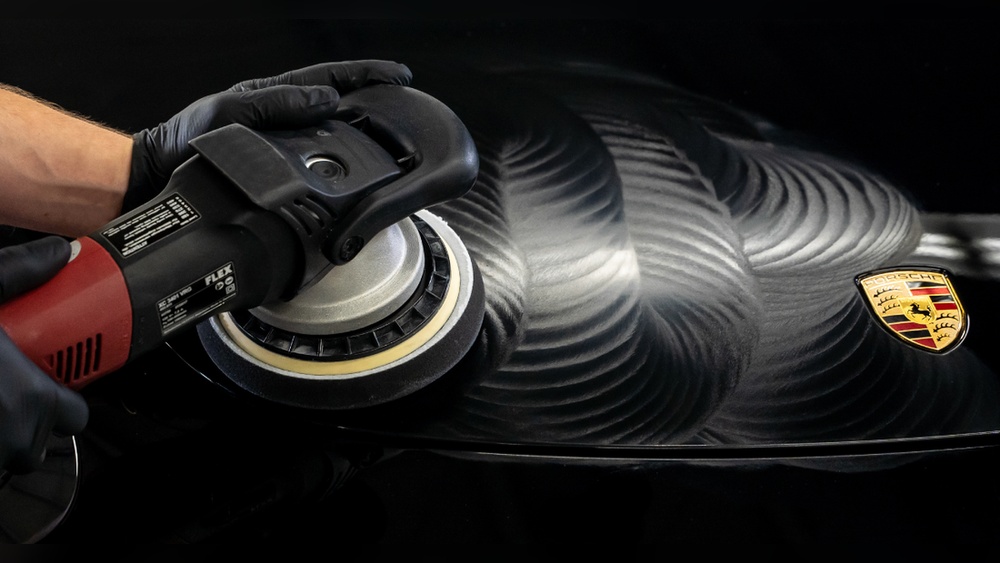
Use a clean, soft microfiber cloth or a foam applicator for buffing. Work in small sections with gentle, circular motions. This helps remove excess wax evenly. For larger areas, a dual-action polisher can save time and effort.
Avoiding Common Mistakes
Do not use rough cloths or paper towels; they can scratch the paint. Avoid buffing in direct sunlight to prevent streaks. Do not press too hard; light pressure works best. Wipe off all wax residue to avoid dull spots.
Maintaining The Shine
Maintaining the shine of your car after applying wax is important. A good shine keeps your car looking fresh and new. It also protects the paint from damage. Simple steps can help keep that shine longer and make your car look great every day.
Regular Waxing Schedule
Wax your car regularly to keep the shine bright. A good rule is to wax every three months. This helps protect the paint and keeps the surface smooth. If you live in a harsh climate, wax more often. Mark your calendar to remember.
Protecting From Elements
Sun, rain, and dirt can dull your car’s shine. Park in a garage or shaded area when possible. Use a car cover if you must park outside. Clean your car often to remove dirt and dust. This stops scratches and keeps the wax layer strong.
Touch-up Tips
Small scratches and spots can reduce shine. Use a quick detailer spray to fix these marks. Apply it with a soft cloth and wipe gently. This keeps the shine fresh between waxing sessions. Always test on a small area first.

Credit: mckees37.com
Frequently Asked Questions
How Often Should I Apply Car Wax?
Apply car wax every 3 to 4 months. This frequency protects your paint and maintains shine. Weather and usage can affect how often you wax. Regular waxing prevents dirt buildup and UV damage.
What Are The Best Conditions To Apply Car Wax?
Apply car wax in a shaded, cool area. Avoid direct sunlight or hot surfaces. This prevents wax from drying too fast. Clean, dry cars ensure better wax adhesion and smoother finish.
Should I Wash My Car Before Waxing?
Yes, always wash your car before waxing. Dirt and grime can cause scratches during waxing. A clean surface helps wax bond properly. Use a gentle soap and dry fully before applying wax.
Can I Apply Car Wax On A Dirty Car?
No, applying wax on a dirty car is ineffective. Dirt traps under the wax, causing scratches. Always clean and dry your car first for best results. Wax adheres better to a smooth surface.
Conclusion
Applying car wax protects your vehicle and keeps it shiny. Clean the car well before starting. Use small amounts of wax and spread evenly. Buff the surface gently for a smooth finish. Regular waxing helps prevent damage from sun and rain.
Taking time to wax your car saves money on repairs. Enjoy the fresh, polished look every time you drive. Simple steps make a big difference in car care. Try waxing today and see the shine last longer.

