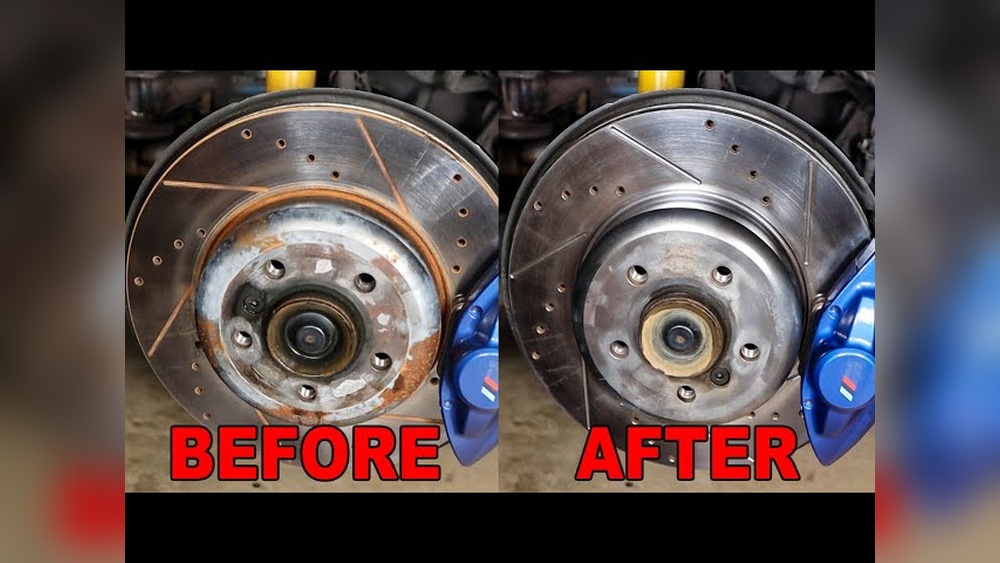
Have you ever felt a strange vibration when you press your brakes? Or heard a squealing noise that just won’t go away?
These could be signs that your brake rotors are bad. Knowing when your brake rotors need attention is crucial for your safety and your car’s performance. You’ll discover the clear signs to watch for and what they mean. By the end, you’ll feel confident spotting problems early and keeping your brakes in top shape.
Let’s dive in and make sure your brakes are working the way they should.
Common Brake Rotor Issues
Brake rotors are key to safe driving. They help stop your car by working with brake pads. Over time, rotors wear out or get damaged. This can cause problems with braking and safety. Knowing common rotor issues helps you spot trouble early.
Here are some common brake rotor problems that affect performance and safety.
Warping And Its Effects
Warping happens when rotors heat unevenly and bend. This causes the brake pedal to vibrate when pressed. The car may shake or pull to one side. Warped rotors reduce brake smoothness and control. Driving with warped rotors can be unsafe.
Cracks And Surface Damage
Cracks appear from stress or heavy use. Small cracks can grow and cause rotor failure. Surface damage like grooves or scoring also harms braking. These issues reduce rotor life and brake efficiency. Damaged rotors need quick attention to avoid accidents.
Rust And Corrosion Problems
Rust forms when rotors get wet and sit unused. Light rust can wear off after driving. Heavy rust weakens the rotor and causes rough braking. Corrosion can create pits that damage brake pads. Keep rotors clean to prevent serious rust damage.

Credit: www.reddit.com
Symptoms Of Worn Brake Rotors
Worn brake rotors show clear signs. Recognizing these signs helps keep driving safe. Brake rotors wear out over time with use. This affects your car’s stopping power and control. Spotting the symptoms early can prevent bigger problems.
Vibrations While Braking
Feeling vibrations in the brake pedal or steering wheel is common. These shakes happen because the rotor surface is uneven. Worn rotors cause the brakes to grab and release quickly. This leads to a pulsing feeling as you slow down.
Squealing Or Grinding Noises
Noises are a clear warning. A high-pitched squeal means the brake pads are rubbing unevenly. Grinding sounds show the pads are worn down to metal. Both sounds often come from damaged rotors. Ignoring these noises can damage the brake system further.
Increased Stopping Distance
Bad rotors reduce how quickly your car stops. You may notice needing more space to halt safely. This happens because worn rotors reduce friction between pads and wheels. Longer stopping distances increase the risk of accidents.
Visual Inspection Tips
Visual inspection is a simple way to check if brake rotors need replacing. You do not need special tools for a basic look. Just focus on key signs that show wear or damage. Regular checks help keep brakes safe and effective.
Checking Rotor Thickness
Brake rotors wear down over time. Measure the thickness using a micrometer or caliper. Compare the measurement to the minimum thickness listed in the car manual. Thin rotors can cause poor braking and need replacement.
Identifying Grooves And Scoring
Look closely at the rotor surface. Deep grooves or scoring marks show damage. These can happen from worn brake pads or debris. Grooves reduce braking power and create noise. Smooth rotors are best for safe stops.
Spotting Uneven Wear Patterns
Uneven wear appears as rough or smooth spots on the rotor. This happens when rotors warp or pads wear unevenly. It can cause vibrations or shaking while braking. Even rotor wear means better brake performance and safety.
Credit: www.powerstop.com
Impact Of Bad Rotors On Vehicle Safety
Bad brake rotors affect how safely a vehicle stops. They change the way brakes work. This can cause danger on the road. Driving with bad rotors puts you and others at risk. Understanding these risks helps you stay safe.
Brake rotors are key parts of the brake system. They work with brake pads to stop your car. When rotors wear out or get damaged, braking changes. The impact on safety can be serious.
Reduced Brake Performance
Bad rotors lower the power of your brakes. The brake pedal may feel soft or shaky. Your car may take longer to stop. This reduces control during quick stops. Reduced brake performance can cause accidents.
Worn rotors also cause vibrations when braking. This makes steering harder. It can distract the driver and increase stopping distance. These problems make driving unsafe.
Risks Of Brake Failure
Severe rotor damage can lead to brake failure. Cracks or deep grooves make rotors break. Brake pads may not grip properly. This may cause brakes to stop working suddenly.
Brake failure means no way to slow down. This can cause crashes, especially at high speeds. Regular checks and rotor replacement prevent brake failure. Always keep your brake system in good shape.
Maintenance And Replacement Guidelines
Brake rotors are key to safe driving. Proper maintenance helps avoid costly repairs. Knowing when to resurface or replace rotors keeps brakes working well. Quality parts and the right replacement method matter for durability and performance.
When To Resurface Or Replace Rotors
Rotors with deep grooves or cracks need replacement. Light wear or minor unevenness may allow resurfacing. If rotors are thinner than the manufacturer’s limit, replace them. Warped rotors cause vibration and require immediate attention. Always check rotor thickness with a micrometer before deciding.
Choosing Quality Replacement Parts
Select rotors that meet or exceed vehicle specs. OEM parts ensure proper fit and safety. Avoid cheap, low-quality rotors as they wear faster. Look for rotors with good heat dissipation and corrosion resistance. Quality parts reduce noise and improve braking performance.
Professional Vs. Diy Replacement
Professional replacement guarantees correct installation and safety checks. They use special tools and test the brake system fully. DIY replacement saves money but needs skill and tools. Incorrect installation may cause brake failure or uneven wear. Follow manuals closely if choosing DIY to avoid mistakes.
Credit: www.reddit.com
Preventing Rotor Damage
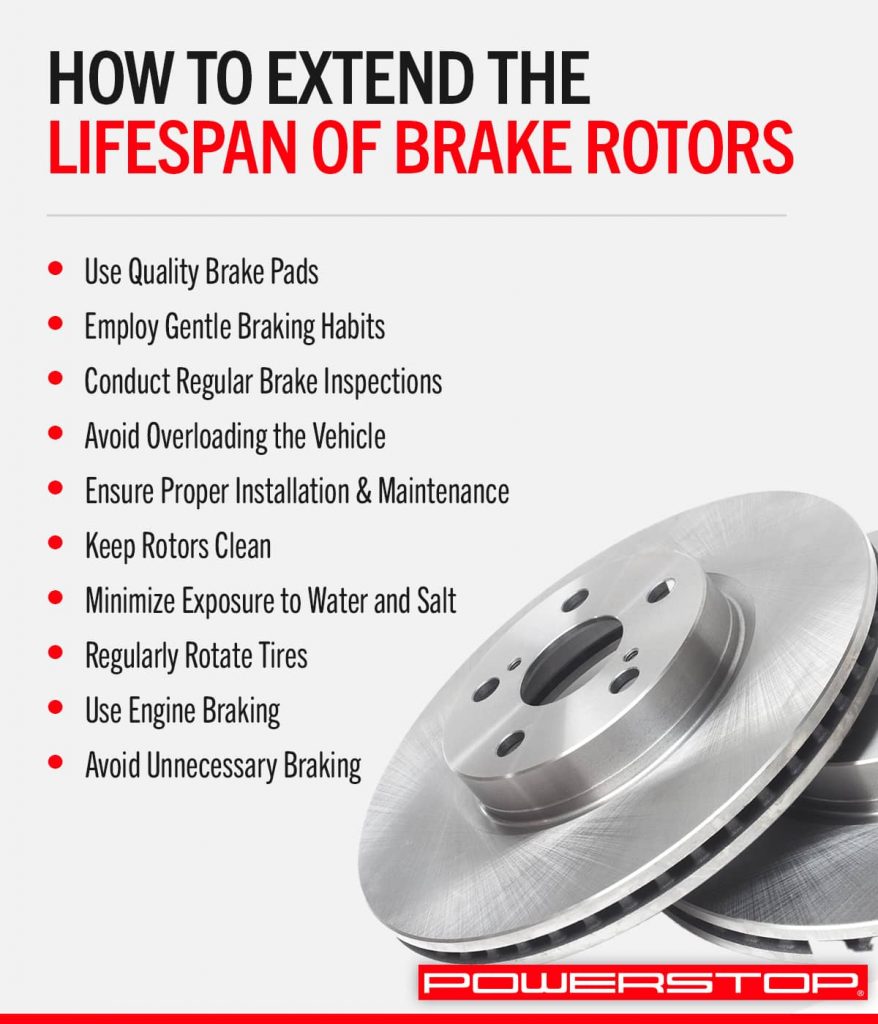
Preventing rotor damage extends the life of your brakes and keeps driving safe. Brake rotors face heat and friction every time you stop. Without care, they wear out fast and cause problems.
Simple steps protect rotors from early damage. Paying attention to how you drive and checking brakes regularly helps a lot. These habits reduce stress on rotors and avoid costly repairs.
Proper Driving Habits
Avoid hard braking whenever possible. Smooth, gentle stops reduce heat build-up on rotors. Heat causes warping and cracks. Drive at a safe distance to stop slowly.
Do not ride the brakes down long hills. Use engine braking by shifting to a lower gear. This method lowers brake use and keeps rotors cool. Avoid sudden stops unless it is an emergency.
Regular Brake System Checks
Inspect brakes often to catch issues early. Check pads, rotors, and fluid levels. Worn pads cause rotors to wear faster. Replace pads before they wear too thin.
Listen for unusual noises like squealing or grinding. These sounds signal rotor or pad problems. Schedule professional brake checks at least once a year. Early detection saves money and ensures safety.
Frequently Asked Questions
What Are The Signs Of Bad Brake Rotors?
Bad brake rotors cause vibrations, squealing noises, and longer stopping distances. You may feel a pulsing brake pedal when braking. Visible grooves or cracks on the rotor surface also indicate wear. These signs mean you should inspect or replace your brake rotors soon.
How Often Should Brake Rotors Be Replaced?
Brake rotors typically last 30,000 to 70,000 miles, depending on driving habits. Inspect rotors regularly for wear or damage. If you notice vibrations or reduced braking performance, it may be time to replace them. Always follow your vehicle manufacturer’s maintenance recommendations.
Can Bad Brake Rotors Damage Other Brake Parts?
Yes, bad rotors can cause uneven brake pad wear and damage calipers. Warped rotors lead to inconsistent braking force and heat buildup. This increases the risk of costly repairs. Replacing bad rotors promptly protects your entire braking system.
Is It Safe To Drive With Bad Brake Rotors?
Driving with bad rotors is unsafe and risks brake failure. Poor rotor condition reduces braking efficiency and increases stopping distances. It can cause dangerous vibrations or noises. Repair or replace bad rotors immediately to ensure safe driving.
Conclusion
Bad brake rotors can cause noise, vibration, and poor braking. Watch for grooves, cracks, or a burning smell. Uneven wear or a pulsating brake pedal also signal trouble. Timely checks keep your car safe and braking smooth. Don’t wait until problems get worse.
Regular inspections help catch issues early. Stay alert to these signs and maintain your brake system well. Safety always comes first on the road.