

Have you noticed your car acting up lately? Maybe it’s struggling to start or feels weaker than usual when you hit the gas.
These could be signs that your fuel filter is bad. But how do you really know if it’s time to replace this small yet crucial part? Understanding the warning signs can save you from costly repairs and keep your engine running smoothly.
Keep reading to discover the key symptoms of a failing fuel filter and what you can do about it before it’s too late.
Role Of A Fuel Filter
The fuel filter plays an important role in your vehicle’s engine system. It cleans the fuel before it reaches the engine. Dirt, rust, and other particles can get into the fuel tank. Without a fuel filter, these impurities would enter the engine and cause damage.
By filtering out harmful debris, the fuel filter helps keep the engine running smoothly. It also protects fuel injectors and other engine parts from clogging. A clean fuel filter ensures proper fuel flow and better engine performance.
Protecting The Engine
The fuel filter stops dirt and debris from reaching the engine. This prevents engine parts from wearing out quickly. Clean fuel means less damage and longer engine life. The filter acts like a barrier that keeps the engine safe.
Maintaining Fuel Efficiency
A good fuel filter helps maintain fuel efficiency. When the filter is clean, fuel flows easily to the engine. This allows the engine to burn fuel better. Better fuel burning means your car uses less fuel.
Preventing Engine Problems
A dirty or blocked fuel filter can cause engine problems. It may lead to poor engine performance or stalling. The engine might run rough or have trouble starting. The fuel filter stops these issues by keeping fuel clean.

Credit: www.youtube.com
Common Fuel Filter Problems
A fuel filter keeps dirt and debris out of your engine’s fuel system. Over time, it can face problems that affect your vehicle’s performance. Recognizing these common issues helps you take action early. This prevents bigger engine troubles and costly repairs.
Clogged Fuel Filter
A clogged fuel filter blocks fuel flow to the engine. Dirt and debris build up inside the filter. The engine may run rough, stall, or hesitate during acceleration. Fuel pressure drops, causing poor performance and lower fuel efficiency.
Fuel Contamination
Water or rust in fuel can damage the filter. Contaminants reduce the filter’s ability to clean fuel. This can lead to engine misfires and starting problems. The filter may wear out faster and need replacement.
Fuel Filter Leaks
Leaks happen if the filter or connections are damaged. Fuel can drip or spray out. This reduces fuel pressure and wastes fuel. It also creates a fire hazard that requires immediate attention.
Reduced Engine Power
A failing fuel filter limits fuel supply to the engine. The engine struggles to perform at full power. You may notice slower acceleration and difficulty climbing hills. The vehicle may feel weaker than usual.
Symptoms Of A Bad Fuel Filter
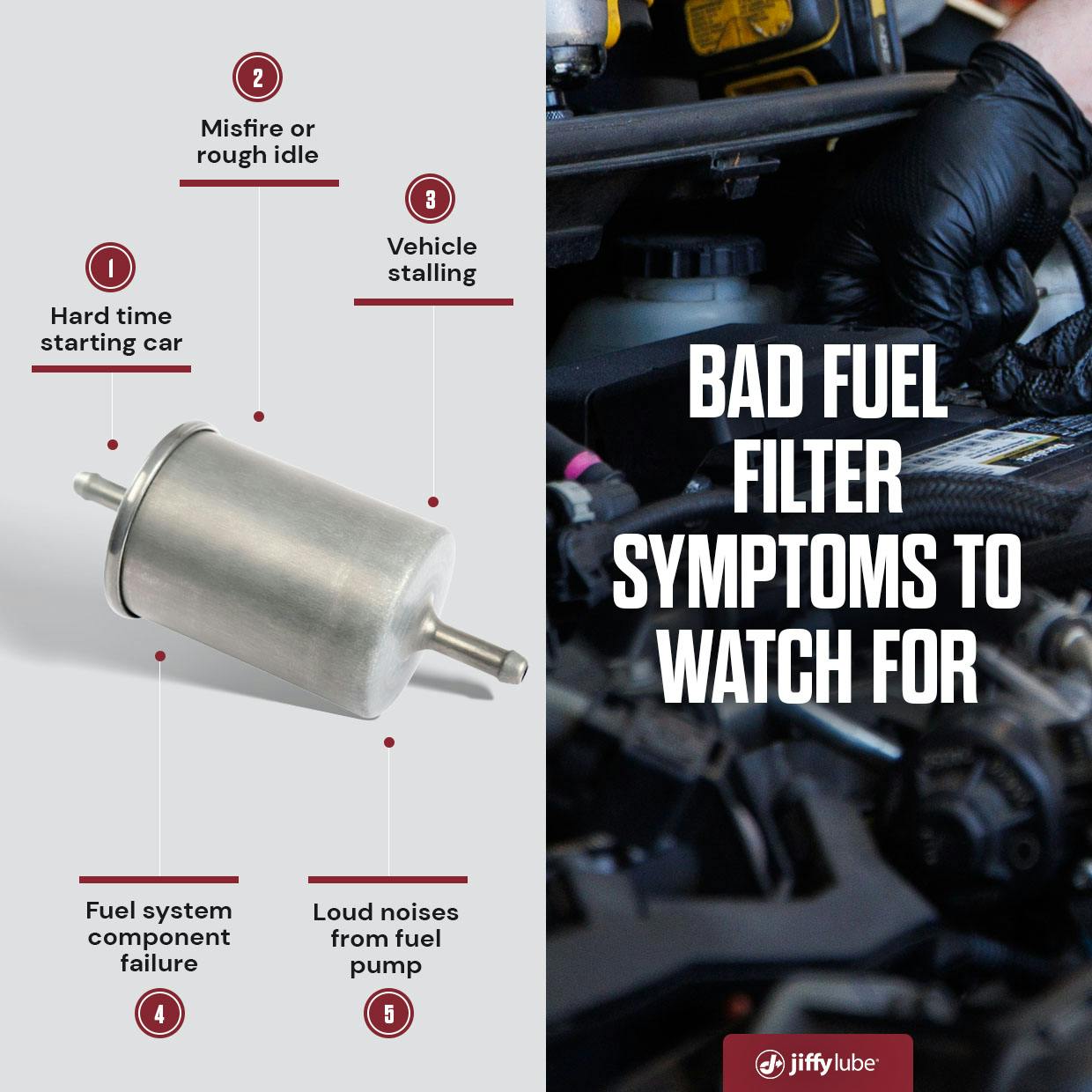
A fuel filter stops dirt and debris from reaching your engine. Over time, it can get clogged. A bad fuel filter causes problems that affect your car’s performance. Recognizing these symptoms helps you fix issues early. This keeps your engine running smoothly and saves money.
Engine Performance Issues
A clogged fuel filter limits fuel flow to the engine. The engine may run rough or hesitate. You might feel a loss of power during acceleration. This happens because the engine does not get enough fuel.
Starting Difficulties
A bad fuel filter can make starting the car hard. The engine may crank but not start quickly. Sometimes, it takes several tries to turn on. This delay shows the fuel is not reaching the engine properly.
Reduced Fuel Efficiency
A dirty fuel filter can lower your gas mileage. The engine works harder to get fuel. This uses more fuel than usual. You may notice you fill up your tank more often.
Unusual Engine Noises
The engine may make strange sounds with a bad fuel filter. You might hear sputtering or coughing noises. These happen when fuel flow is uneven. Noises often increase during acceleration or climbing hills.
Credit: www.jiffylube.com
Visual Inspection Tips
Visual inspection is a simple and quick way to check if a fuel filter is bad. It helps spot obvious signs that the filter is not working well. This step does not need special tools or skills. Just a careful look can tell a lot about the filter’s condition.
Focus on the filter’s appearance and its surroundings. Look for damage, dirt, or leaks. These clues can warn about problems that affect your vehicle’s fuel flow and engine health.
Check For Dirt And Debris Build-up
Look closely at the fuel filter surface. Dirt or black spots can cover it. This build-up blocks fuel flow. A dirty filter reduces engine power and causes rough running. Clean or replace the filter if it looks clogged.
Look For Cracks Or Physical Damage
Inspect the filter casing for cracks or breaks. Damage lets air enter the fuel system. It may cause engine misfire or stalling. A cracked filter must be replaced immediately to avoid bigger issues.
Spot Signs Of Fuel Leaks
Check around the filter for wet spots or stains. Fuel leaks are dangerous and waste fuel. Leaks can also cause poor engine performance. Tighten connections or replace the filter to stop leaks.
Observe Discoloration Or Rust
Look for unusual colors on the filter. Rust or brownish stains show water or contamination. This can block fuel flow and damage the engine. Replace the filter if it shows signs of rust or discoloration.
Testing The Fuel Filter
Testing the fuel filter helps find out if it is clogged or damaged. A bad fuel filter can block fuel flow. This causes engine problems. Two common tests check the fuel filter’s condition. These tests are easy to do and give clear results.
Fuel Pressure Test
The fuel pressure test measures the pressure in the fuel line. A drop in pressure shows a clogged fuel filter. Use a fuel pressure gauge for this test. Connect the gauge to the fuel rail. Start the engine and watch the pressure reading. Low pressure means the fuel filter may be bad.
Flow Rate Check
The flow rate check measures how much fuel passes through the filter. Remove the fuel filter from the vehicle. Connect it to a container and pump fuel through it. If the flow is slow or stops, the filter is blocked. A clean filter lets fuel flow easily and quickly.
Preventive Maintenance
Preventive maintenance helps keep your vehicle running smoothly. It stops small problems from becoming big repairs. Checking and replacing the fuel filter is a key part of this care. A clean fuel filter ensures the engine gets clean fuel. This keeps the engine healthy and saves money on repairs.
Recommended Replacement Intervals
Most car makers suggest changing the fuel filter every 20,000 to 40,000 miles. This depends on the car model and fuel type. Always check the owner’s manual for exact numbers. Sticking to these intervals keeps the fuel system clean. It also helps avoid engine trouble caused by dirty fuel.
Signs To Replace Early
Sometimes the fuel filter needs changing sooner. Watch for slow engine start or poor acceleration. The engine may stall or run rough. These are signs the filter is clogged. Strange noises from the fuel pump can also mean trouble. Replacing the filter early saves the fuel pump and engine parts.
When To Seek Professional Help
Knowing when to seek professional help for a bad fuel filter is important. Some issues need expert attention to avoid bigger problems. Watch for signs that show the fuel filter is causing serious trouble.
Small problems can turn into costly repairs without proper care. A skilled mechanic can diagnose and fix fuel filter issues safely and quickly.
Persistent Engine Problems
The engine keeps stalling or hesitating during driving. Rough idling or loss of power may also happen. These signs show the fuel filter might be clogged and needs expert check.
Check Engine Light Stays On
The check engine light stays on despite basic fixes. This can mean the fuel filter is causing fuel flow problems. Professional tools are needed to find the exact cause.
Fuel System Warning Signs
Strange noises or smells coming from the fuel system are warning signs. A bad fuel filter can cause fuel leaks or pressure drops. Let a mechanic inspect the fuel system to prevent damage.
Difficulty Starting The Vehicle
Starting the car takes longer than usual or fails often. Fuel delivery issues linked to the filter can block proper starting. Professionals have the right skills to fix this safely.
After Basic Maintenance Fails
Cleaning or replacing the fuel filter does not solve the problem. This means the issue may be more complex. A professional diagnosis can find hidden fuel system troubles.

Credit: oilchangers.com
Frequently Asked Questions
What Are Common Signs Of A Bad Fuel Filter?
A bad fuel filter causes engine sputtering, hesitation, or stalling. You may notice poor acceleration or difficulty starting the engine. Reduced fuel efficiency and unusual engine noises also indicate a clogged fuel filter. Regular inspection helps avoid these issues.
How Often Should You Replace A Fuel Filter?
Replace your fuel filter every 20,000 to 40,000 miles, depending on your vehicle. Check your owner’s manual for manufacturer recommendations. Frequent fuel filter changes ensure clean fuel flow and prevent engine problems caused by dirt or debris buildup.
Can A Bad Fuel Filter Cause Engine Misfires?
Yes, a clogged fuel filter restricts fuel flow, leading to engine misfires. Insufficient fuel supply causes uneven combustion, resulting in misfires. Timely replacement of the fuel filter helps maintain smooth engine performance and prevents costly repairs.
Is It Safe To Drive With A Bad Fuel Filter?
Driving with a bad fuel filter is risky. It can cause engine stalling or damage due to fuel starvation. Replace the filter promptly to avoid breakdowns and ensure safe, efficient vehicle operation. Regular maintenance is key to preventing fuel system issues.
Conclusion
A bad fuel filter can cause many car problems. You might notice slow engine start, poor performance, or strange noises. Regular checks help catch issues early. Clean or replace the filter as needed. This keeps your engine running smoothly and saves money.
Don’t ignore signs of trouble. A healthy fuel filter means a healthier car. Simple steps protect your vehicle from bigger repairs. Stay alert, act quickly, and enjoy a better drive every day.

