
Have you ever felt your car struggling to start or noticed it losing power on the road? These could be signs that your fuel filter is bad.
Your fuel filter plays a crucial role in keeping your engine clean by trapping dirt and debris. When it gets clogged, your car’s performance takes a hit, and ignoring it can lead to costly repairs. But how do you know for sure if your fuel filter needs replacing?
Keep reading to discover the simple ways to spot a bad fuel filter before it causes serious damage to your vehicle.

Credit: www.youtube.com
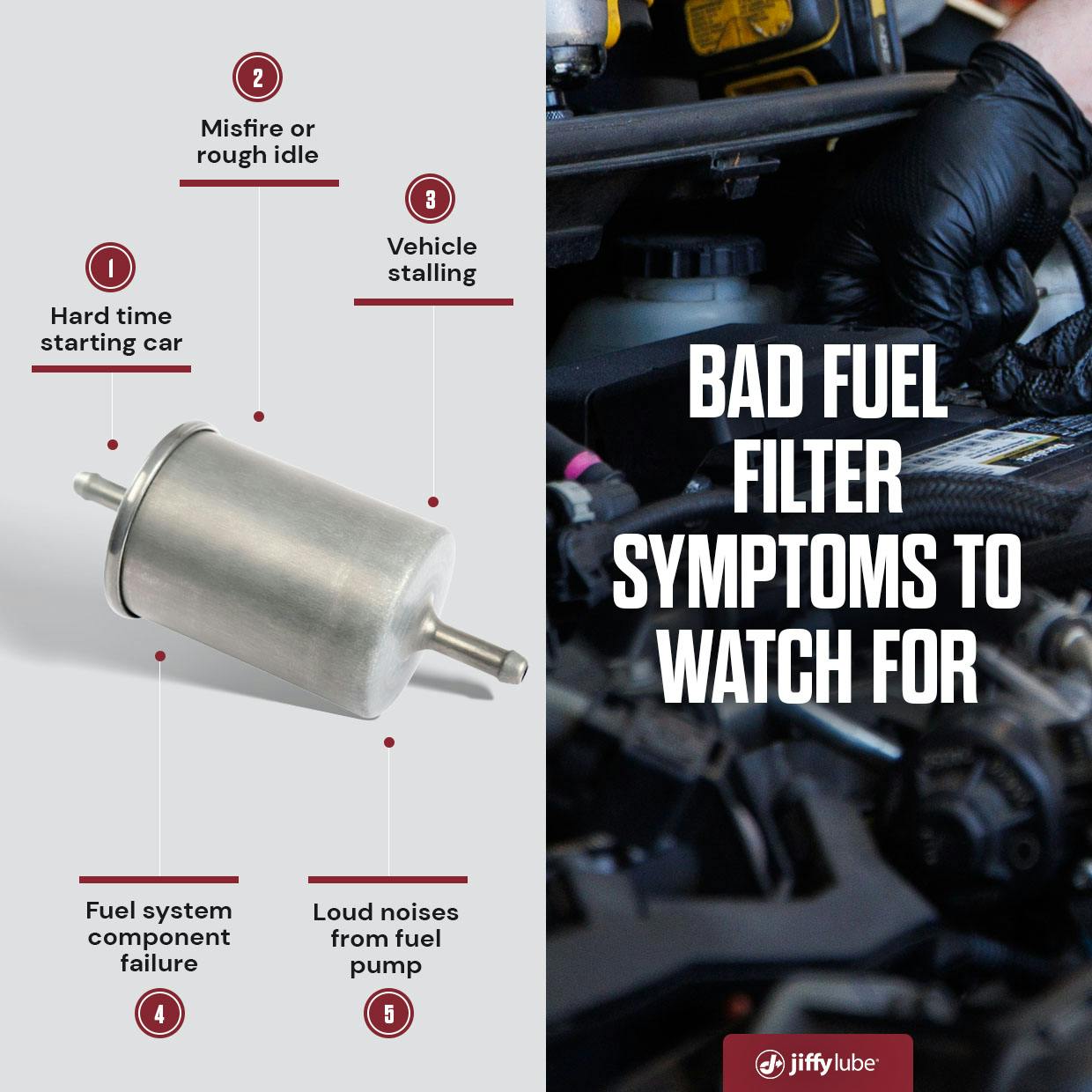
Symptoms Of A Bad Fuel Filter
A bad fuel filter affects your vehicle’s performance in many ways. It blocks fuel flow and causes engine problems. Recognizing these symptoms early helps avoid serious damage. Below are common signs of a failing fuel filter.
Engine Misfires And Hesitation
The engine may misfire or hesitate during acceleration. Fuel flow is uneven, causing rough running. This makes driving unsafe and uncomfortable.
Difficulty Starting The Engine
The engine may take longer to start or not start at all. Clogged fuel filters limit fuel reaching the engine. This causes frustration and delays.
Reduced Engine Power
Power drops, especially during uphill driving or heavy loads. The engine struggles due to low fuel supply. Performance feels weak and sluggish.
Frequent Stalling
The engine may stall often, even on smooth roads. Insufficient fuel disrupts engine operation. This creates dangerous situations on the road.
Unusual Engine Noises
You might hear sputtering or knocking sounds from the engine. These noises signal fuel delivery issues. Ignoring them risks costly repairs.
Credit: www.jiffylube.com
Visual Clues Of Fuel Filter Issues
Visual clues help spot fuel filter problems early. You do not need special tools. Just a careful look can reveal issues. These signs often appear before the engine shows trouble. Checking your fuel filter saves time and money. It also keeps your vehicle running smoothly.
Fuel Leakage Around The Filter
Fuel leaks near the filter signal a problem. Leaks happen when the filter seal breaks. You might see wet spots or smell fuel. Leaking fuel is dangerous and wastes gas. Fix leaks quickly to avoid bigger issues.
Rust Or Dirt Buildup
Rust or dirt on the filter shows wear. These deposits block fuel flow and harm the engine. Dirt often sticks to the filter’s surface. Rust forms from water in the fuel. Clean or replace the filter if you spot these signs.
Discolored Or Contaminated Fuel
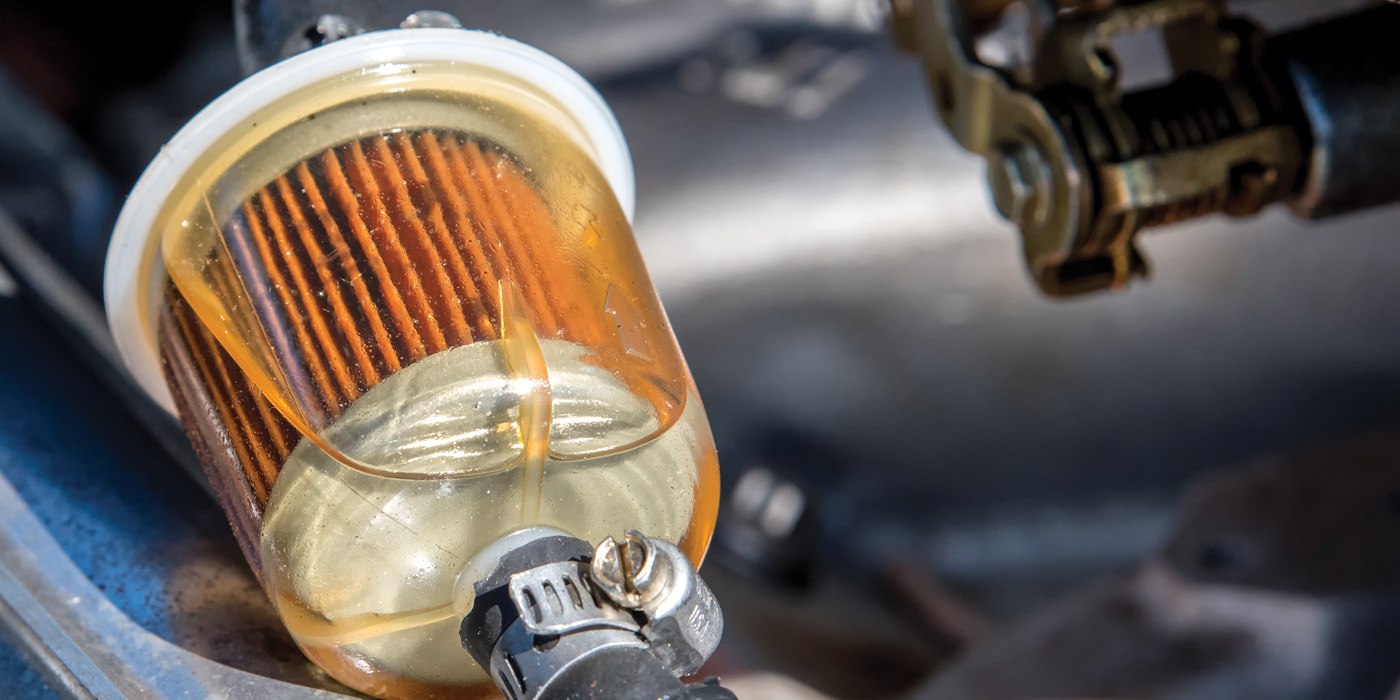
Fuel should be clear or slightly yellow. Dark or cloudy fuel means contamination. Contaminants clog the filter and reduce fuel flow. Check the fuel inside the filter or tank. Change the filter to protect the engine.
Effects On Fuel Efficiency
The fuel filter plays a key role in keeping the engine clean. It stops dirt and debris from reaching the fuel system. When the filter is bad, fuel flow slows down. This impacts how the engine uses fuel. The result is a drop in fuel efficiency. Drivers may notice changes in mileage and fuel use. These signs help identify a faulty fuel filter early.
Sudden Drop In Mileage
A bad fuel filter blocks fuel flow. The engine gets less fuel than needed. This makes the engine work harder. It burns more fuel to keep running. As a result, the miles per gallon drop fast. You might see fewer miles on a full tank. This sudden change is a clear sign of a clogged filter.
Inconsistent Fuel Consumption
Fuel use becomes unpredictable with a bad filter. Some days fuel use is high, other days low. The engine struggles to get steady fuel supply. This causes uneven fuel consumption rates. You may fill the tank often without clear reason. This inconsistency signals the filter is not working right.
Credit: www.import-car.com
Testing The Fuel Filter
Testing the fuel filter helps find out if it blocks fuel flow. A bad filter can make the engine run poorly or stop working. Checking the filter ensures the car gets enough clean fuel. Two common tests are using a fuel pressure gauge and checking the fuel flow rate. Both tests are easy and show if the filter needs replacement.
Using Fuel Pressure Gauge
A fuel pressure gauge measures the pressure in the fuel line. Connect the gauge to the fuel rail or test port. Start the engine and watch the pressure reading. Low pressure suggests the filter is clogged or dirty. Compare the reading with the vehicle’s specifications. A bad fuel filter causes pressure to drop below normal levels.
Checking Fuel Flow Rate
Fuel flow rate shows how much fuel passes through the filter. Disconnect the fuel line after the filter. Place a container to catch the fuel. Turn the key to the “on” position to start the fuel pump. Fuel should flow steadily and quickly. Slow or weak flow means the filter is blocked. Replace the filter if fuel flow is low to protect the engine.
Preventive Maintenance Tips
Preventive maintenance keeps your fuel filter working well and your engine running smoothly. It stops dirt and debris from clogging the filter. Regular care helps avoid costly repairs and engine problems. Follow these tips to maintain your fuel filter effectively.
Regular Replacement Intervals
Change the fuel filter at the schedule recommended by your vehicle’s manual. Usually, every 20,000 to 40,000 miles is best. Sticking to this timeline keeps the filter clean and the fuel flowing freely. Skipping replacements can cause blockages and reduce engine performance.
Choosing Quality Filters
Use filters from trusted brands only. Cheap filters may fail faster and let dirt through. High-quality filters trap more contaminants and last longer. Investing in a good filter protects your engine and saves money over time.
Signs That Warrant Immediate Replacement
Watch for engine stalling or rough idling. These can mean a clogged fuel filter. Difficulty starting the car or poor acceleration also signals trouble. If you notice these signs, replace the filter right away to prevent damage.
Frequently Asked Questions
How Can I Tell If My Fuel Filter Is Clogged?
A clogged fuel filter causes engine sputtering, hesitation, or stalling. You may notice poor acceleration and reduced fuel efficiency. Check for these symptoms to identify a bad fuel filter early.
What Are Common Signs Of A Bad Fuel Filter?
Common signs include engine misfires, difficulty starting, and uneven idling. You might also experience decreased power and unusual engine noises. These symptoms often indicate fuel flow issues caused by a bad filter.
How Often Should I Replace My Fuel Filter?
Generally, replace the fuel filter every 20,000 to 40,000 miles. Check your vehicle’s manual for specific intervals. Regular replacement ensures optimal engine performance and prevents fuel system damage.
Can A Bad Fuel Filter Cause Engine Problems?
Yes, a bad fuel filter restricts fuel flow, causing engine misfires and poor performance. It may lead to stalling or difficulty starting. Addressing the filter issue prevents costly engine repairs.
Conclusion
A bad fuel filter can cause many car problems. Watch for slow engine start or poor performance. Strange noises or frequent stalling may also signal trouble. Checking the fuel filter regularly helps keep your car running smooth. Changing it on time saves you from costly repairs later.
Stay alert to these signs to protect your vehicle. Simple care goes a long way for engine health. Don’t ignore small issues—they often lead to bigger problems. Keep your car safe and efficient by acting early.


