
Have you ever noticed your car acting up but couldn’t figure out why? Your fuel filter might be the hidden culprit.
Knowing how to spot the signs of a failing fuel filter can save you from costly repairs and frustrating breakdowns. You’ll discover clear, easy-to-spot symptoms that tell you when your fuel filter is going bad. Keep reading to protect your vehicle and keep it running smoothly.
Symptoms Of A Bad Fuel Filter
The fuel filter plays a key role in keeping your engine clean. It stops dirt and debris from entering the fuel system. Over time, the filter can clog or wear out. This causes problems that affect your car’s performance. Knowing the symptoms of a bad fuel filter helps catch issues early. It saves you from bigger repairs and keeps your car running smoothly.
Engine Misfires And Stalling
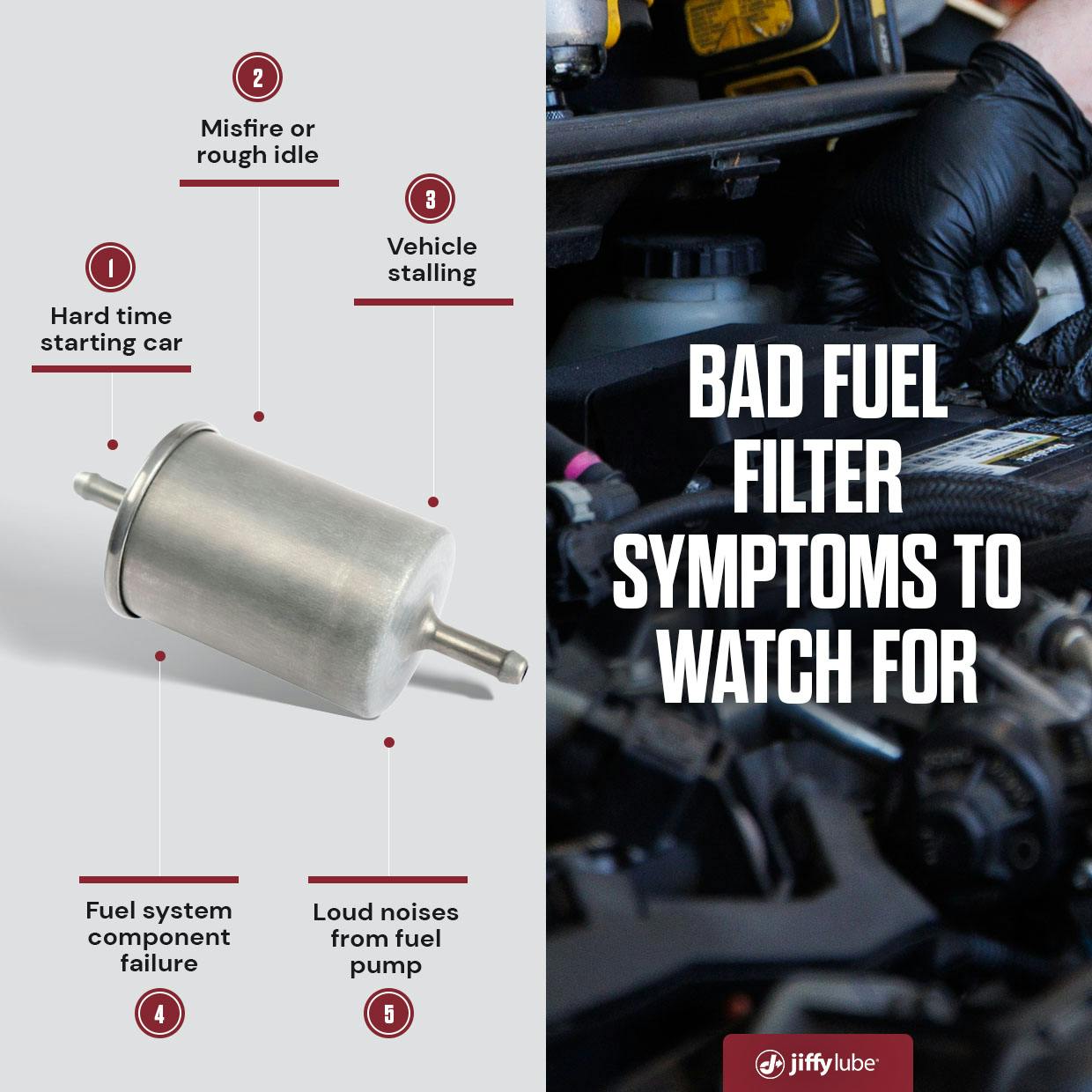
A clogged fuel filter can cause engine misfires. The engine may run rough or hesitate. Sometimes, it may stall suddenly while driving. This happens because the engine is not getting enough fuel. Misfires and stalling are signs the fuel filter needs attention.
Reduced Engine Power
The engine power drops when the fuel filter blocks fuel flow. Your car may feel weak or slow when accelerating. Climbing hills becomes harder. Reduced power means the engine cannot get enough fuel to work well. This is a common symptom of a bad fuel filter.
Difficulty Starting The Vehicle
Hard starting is a clear sign of fuel filter trouble. The engine may crank longer before it starts. Sometimes, it might not start at all. This happens because the fuel filter restricts fuel delivery to the engine. Checking the filter can fix this issue fast.
Unusual Engine Noises
Strange sounds from the engine can signal a clogged fuel filter. You might hear sputtering or coughing noises. These sounds show the engine struggles to get fuel. Ignoring these noises can cause more damage over time. A quick check of the fuel filter is important.

Credit: www.youtube.com
Fuel Efficiency And Performance Issues
Fuel efficiency and performance problems often point to a failing fuel filter. The filter stops dirt and debris from reaching the engine. A dirty or clogged filter makes the engine work harder. This causes noticeable changes in how your car runs.
Paying attention to these signs can help you catch issues early. It prevents bigger engine troubles and saves fuel costs. Below are common symptoms related to fuel efficiency and engine performance.
Decreased Fuel Economy
A bad fuel filter reduces fuel flow to the engine. Your car uses more fuel to maintain speed. You may notice more visits to the gas station. The engine struggles to get enough fuel, wasting energy.
Poor Acceleration
Fuel flow issues cause slow or weak acceleration. The car feels sluggish when you press the gas pedal. It takes longer to reach higher speeds. This can be dangerous on highways or during overtaking.
Engine Hesitation
The engine may hesitate or stall under load. This happens when fuel delivery is inconsistent. You might feel a pause or jerking motion while driving. Hesitation signals the fuel filter needs attention.
Visual And Physical Indicators
Visual and physical signs often reveal a bad fuel filter. These clues help you spot problems early. Catching issues early can prevent engine damage and costly repairs.
Check the fuel filter regularly. Look for dirt, clogging, or strange smells near your vehicle. These signs show the filter may need replacement soon.
Dirty Or Clogged Fuel Filter
A dirty fuel filter looks dark or blocked with debris. It may have visible dirt particles trapped inside. This buildup restricts fuel flow to the engine. You might notice poor engine performance or stalling. Replacing the filter can restore smooth fuel flow and engine power.
Fuel Odor Around The Vehicle
A strong fuel smell near your car can signal a bad fuel filter. Fuel leaks or poor filtration cause this odor. The smell is often noticeable near the fuel tank or engine. This issue needs prompt attention to avoid safety hazards and engine problems.
Credit: www.jiffylube.com
Impact On Vehicle Systems
The fuel filter plays a key role in protecting your vehicle’s engine. It stops dirt and debris from entering the fuel system. When the fuel filter starts to go bad, it affects other vehicle parts too. These effects show up in ways that can hurt your car’s performance and safety. Knowing these signs helps you take action early.
Fuel Pump Strain
A clogged fuel filter makes the fuel pump work harder. The pump must push fuel through the blocked filter. This extra effort can cause the pump to overheat or fail. Over time, a bad fuel filter can lead to costly fuel pump repairs. Your engine might also get less fuel, causing it to run poorly or stall.
Check Engine Light Activation
The check engine light may turn on if the fuel filter is bad. This light signals a problem in the fuel system or engine. Sensors detect low fuel pressure caused by a clogged filter. The car’s computer then triggers the warning light. Ignoring this light can lead to bigger engine problems over time.
Testing And Diagnosis Methods
Testing and diagnosis methods help find problems with a fuel filter. They show if the filter is clogged or damaged. Checking the fuel filter keeps the engine running well. Simple tests reveal issues before they cause bigger damage.
Fuel Pressure Test
A fuel pressure test checks the flow of fuel in the system. You use a pressure gauge on the fuel line. The gauge shows if fuel pressure is too low or uneven.
Low fuel pressure often means the filter is blocked. The engine may stall or lose power. A steady pressure means the filter is working fine. This test is quick and gives clear results.
Filter Inspection Procedures
Inspect the fuel filter by removing it from the vehicle. Look for dirt, rust, or dark spots inside. A dirty filter stops fuel from flowing freely.
Check for cracks or damage on the filter casing. Any damage means the filter must be replaced. Clean or new filters improve engine performance. Visual inspection is simple and effective for diagnosis.

Credit: www.youtube.com
Preventive Maintenance Tips
Preventive maintenance helps keep your vehicle’s fuel system healthy. It avoids breakdowns and costly repairs. Taking simple steps can extend the life of the fuel filter and improve engine performance.
Recommended Replacement Intervals
Check your vehicle’s owner manual for fuel filter replacement times. Most cars need a new filter every 20,000 to 40,000 miles. Change it sooner if you drive in dusty or rough conditions. Regular replacement stops dirt from clogging the filter. This keeps fuel flowing smoothly to the engine.
Using Quality Fuel Filters
Choose fuel filters from trusted brands. Cheap filters may not catch all debris. They can let dirt reach the engine, causing damage. High-quality filters last longer and protect the fuel system better. Always use the right filter model for your car. This ensures proper fit and function.
Frequently Asked Questions
What Are Common Signs Of A Bad Fuel Filter?
A bad fuel filter causes engine misfires, poor acceleration, and rough idling. You may also notice difficulty starting and reduced fuel efficiency.
How Often Should You Replace A Fuel Filter?
Replace the fuel filter every 20,000 to 40,000 miles, or as recommended by your vehicle’s manufacturer. Regular changes prevent clogging and engine issues.
Can A Clogged Fuel Filter Damage My Engine?
Yes, a clogged fuel filter restricts fuel flow, causing engine strain and potential damage to fuel injectors and pumps over time.
How To Test If A Fuel Filter Is Clogged?
Check for low fuel pressure using a gauge or notice symptoms like engine hesitation and stalling. A professional mechanic can also diagnose it.
Conclusion
A fuel filter showing signs of wear affects engine performance. Watch for slow starts, poor acceleration, or rough idling. Fuel flow may reduce, causing engine stalls or hesitation. Regular checks help catch problems early and keep your car running smooth.
Don’t wait for major issues. A clean fuel filter saves time and money on repairs. Stay alert to these signs. Keep your vehicle healthy and avoid unexpected breakdowns. Simple maintenance goes a long way.
