
Have you noticed your car struggling to start or feeling less powerful than usual? These could be signs that your fuel filter is clogged.
A clogged fuel filter can quietly sabotage your vehicle’s performance, leaving you frustrated and stranded. But how can you tell if this is the real problem? You’ll discover simple ways to recognize the warning signs of a clogged fuel filter before it becomes a major headache.
Keep reading to protect your car and save yourself time and money.

Credit: www.autonationmobileservice.com
Symptoms Of A Clogged Fuel Filter
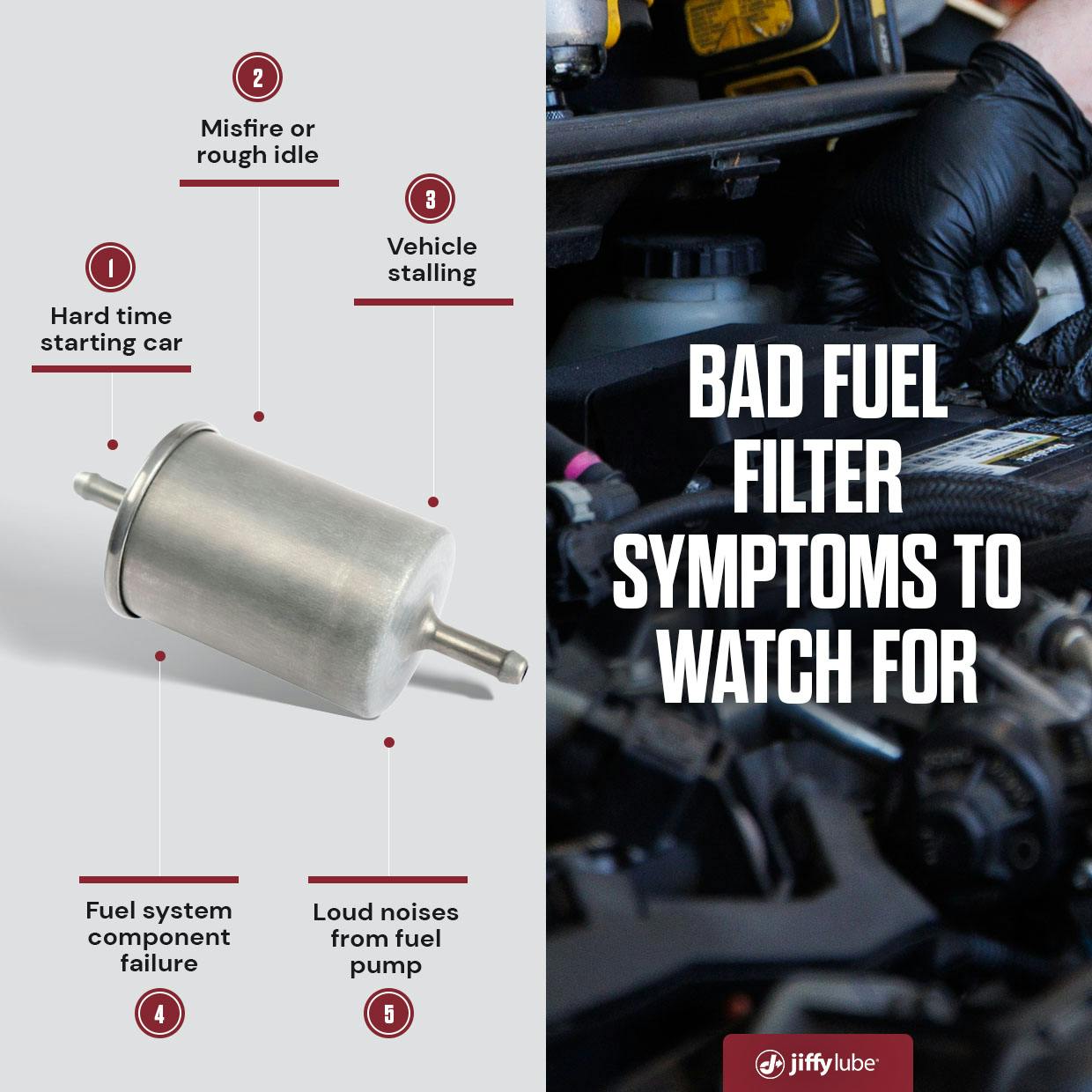
Recognizing the symptoms of a clogged fuel filter helps keep your car running smoothly. A blocked filter stops fuel from reaching the engine easily. This causes many driving problems. Paying attention to these signs can save you time and money.
Engine Stalling And Hesitation
The engine may stall or hesitate during acceleration. It feels like the car is losing power suddenly. This happens because fuel flow is limited. The engine struggles to get enough fuel to run well.
Reduced Engine Power
The car may feel weak, especially on hills. It won’t reach higher speeds easily. A clogged fuel filter restricts fuel supply. Your engine does not get enough fuel to perform at full power.
Difficulty Starting The Vehicle
Starting the car can take longer than usual. Sometimes it may not start at all. The blocked fuel filter limits fuel reaching the engine. This makes ignition harder and slower.
Unusual Engine Noises
You might hear strange sounds from the engine. These noises occur when the engine strains for fuel. A clogged fuel filter causes the engine to run roughly. Listen for knocking or sputtering sounds.
Common Causes Of Fuel Filter Clogging
Fuel filters keep dirt and debris out of your engine’s fuel system. Over time, these filters can clog. Knowing common causes helps you spot issues early. This saves money and prevents engine problems.
Contaminated Fuel
Fuel can contain dirt, rust, or water. Contaminants enter during refueling or storage. Dirty fuel clogs the filter quickly. It blocks fuel flow and affects engine performance.
Wear And Tear Over Time
Fuel filters wear out naturally. Small particles build up inside the filter. This reduces fuel flow slowly. Old filters struggle to keep fuel clean. Regular replacement prevents clogging problems.
Poor Maintenance Habits
Ignoring scheduled filter changes causes clogging. Skipping maintenance lets dirt build up. Using low-quality fuel worsens the issue. Proper care keeps the filter working well. Clean filters ensure smooth engine running.
Checking The Fuel Filter
Checking the fuel filter is a key step to find out if it is clogged. The fuel filter keeps dirt and debris out of the engine. Over time, it can get blocked and cause engine problems.
This section explains how to check the fuel filter yourself. It covers finding the filter, what to look for, and how to test it with tools. Follow these steps to spot a clogged fuel filter early.
Locating The Fuel Filter
The fuel filter is usually near the fuel tank or engine. It looks like a small canister or tube. Some cars have the filter inside the fuel pump assembly.
Check your vehicle’s manual for the exact location. Finding the filter first makes inspection easier. Use a flashlight to see better in tight spaces.
Visual Inspection Tips
Look at the filter for dirt, rust, or damage. A clean filter looks clear or white. A clogged filter appears dark or dirty.
Check the fuel lines connected to the filter. Look for cracks or leaks that can signal problems. Replace the filter if it looks worn out or damaged.
Using Pressure Gauges
A fuel pressure gauge measures fuel flow through the filter. Attach the gauge to the fuel line near the filter. Start the engine and watch the pressure reading.
Low fuel pressure can mean a clogged filter. Compare the reading to the vehicle’s specifications. High pressure drop usually points to a blocked filter.
This test helps confirm the filter’s condition without removing it. Use a pressure gauge to get a clear diagnosis.
Credit: www.jiffylube.com
Temporary Fixes For A Clogged Filter
Temporary fixes can help ease the symptoms of a clogged fuel filter. These fixes give you time before a full repair or replacement. They may improve fuel flow and engine performance for a short while. Such solutions do not last long but can be useful in emergencies.
Using Fuel Additives
Fuel additives can sometimes clear minor blockages in the filter. They work by breaking down dirt and deposits inside the fuel system. Additives are easy to use. Just pour them into your fuel tank before refueling. Drive the vehicle normally to let the additive work. Results vary, and this method may not clear severe clogs.
Cleaning The Filter (if Applicable)
Some fuel filters can be cleaned and reused. This depends on the type of filter your vehicle has. Cleaning involves removing the filter and washing it with a suitable solvent. Use clean water or fuel-safe cleaner to rinse dirt away. Let the filter dry completely before reinstalling. This method only works for certain reusable filters and offers temporary relief.
Replacing The Fuel Filter
Replacing the fuel filter is a key step in fixing fuel flow problems. A clogged filter can slow your engine or stop it from running. Changing it can bring back smooth driving and save your engine.
The process is simple with the right tools and clear steps. Follow safety rules to avoid accidents or damage. Below is what you need and how to replace the filter safely.
Tools Needed
- New fuel filter matching your vehicle model
- Wrenches or socket set
- Screwdrivers (flathead and Phillips)
- Fuel line disconnect tool (if required)
- Container to catch fuel drips
- Rags or paper towels
- Safety gloves and goggles
Step-by-step Replacement Guide
- Park on level ground and turn off the engine.
- Relieve fuel system pressure by removing the fuel pump fuse and starting the engine until it stalls.
- Locate the fuel filter, usually along the fuel line or near the fuel tank.
- Place a container beneath the filter to catch any fuel spills.
- Use the wrench or disconnect tool to loosen the fuel line fittings.
- Remove the old filter carefully, noting the flow direction marked on it.
- Install the new filter in the same direction as the old one.
- Tighten the fuel line fittings securely.
- Replace the fuel pump fuse and start the engine to check for leaks.
Safety Precautions
- Work in a well-ventilated area away from open flames.
- Wear gloves and goggles to protect skin and eyes.
- Keep a fire extinguisher nearby just in case.
- Dispose of old fuel and filter properly to avoid pollution.
- Do not smoke or use sparks near the fuel system.
Preventing Future Clogs
Preventing future clogs in your fuel filter keeps your vehicle running smoothly. Taking simple steps can stop dirt and debris from blocking the filter. This saves time and money on repairs.
Regular Maintenance Schedule
Follow your vehicle’s maintenance guide strictly. Change the fuel filter as recommended by the manufacturer. Regular checks help find problems early. Clean filters improve fuel flow and engine performance.
Choosing Quality Fuel
Use fuel from trusted stations only. Low-quality fuel often contains dirt and water. These substances cause clogs and damage the fuel system. Clean fuel keeps the filter and engine healthy.
Fuel System Cleaning Services
Get professional fuel system cleaning every year or as needed. Experts remove built-up dirt inside the fuel lines and filter. This service boosts engine efficiency and prevents filter clogs. It extends the life of your fuel system parts.

Credit: www.youtube.com
Frequently Asked Questions
What Are The Common Signs Of A Clogged Fuel Filter?
Common signs include engine misfires, stalling, poor acceleration, and difficulty starting. A clogged filter restricts fuel flow, causing these issues.
How Can A Clogged Fuel Filter Affect Engine Performance?
A clogged fuel filter reduces fuel supply, leading to rough idling, decreased power, and engine hesitation during acceleration.
Can A Clogged Fuel Filter Cause The Car Not To Start?
Yes, if the fuel filter is severely blocked, it can prevent fuel from reaching the engine, causing starting problems.
How Often Should I Replace My Fuel Filter?
Typically, replace the fuel filter every 20,000 to 40,000 miles, or as recommended by your vehicle’s manufacturer.
Conclusion
A clogged fuel filter can cause many car problems. Watch for slow engine start and poor acceleration. Strange noises or stalling may also signal trouble. Regular checks keep your car running smooth. Clean or replace the filter as needed. Taking care early saves you time and money.
Stay alert to signs and act quickly. Your car will thank you with better performance. Simple steps help avoid bigger repairs down the road.


