
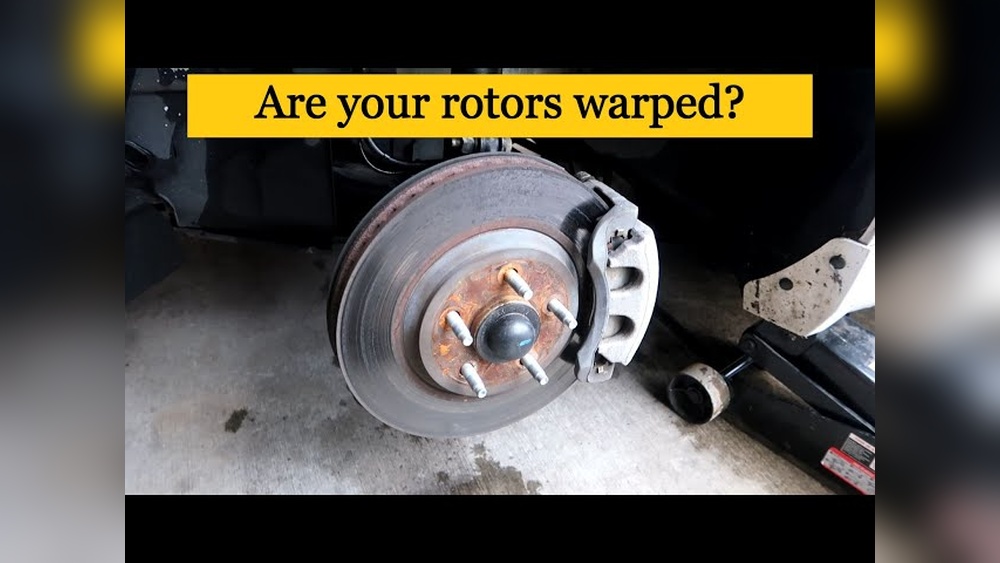
Have you ever felt a strange vibration or heard a pulsing noise when you press your brakes? These could be signs that your brake rotor is warped.
Ignoring this problem can lead to unsafe driving and costly repairs. But how can you tell for sure if your brake rotor is warped? You’ll discover simple ways to identify the warning signs and understand what to do next. Keep reading to protect your car and keep your drives smooth and safe.

Credit: mechanics.stackexchange.com
Symptoms Of A Warped Brake Rotor
Warped brake rotors cause several noticeable symptoms. These signs help you spot rotor issues early. Catching the problem soon keeps your driving safe and smooth.
Vibrations When Braking
Feeling vibrations in the steering wheel or brake pedal is common. These shakes happen because the rotor surface is uneven. The brake pads cannot grip smoothly. Vibrations usually grow stronger with speed.
Pulsating Brake Pedal
A pulsating brake pedal means the rotor is not flat. Pressing the pedal causes it to pulse or throb. This happens as the brake pads hit high and low spots on the rotor. It feels like a heartbeat under your foot.
Unusual Noises
Warped rotors may cause strange sounds while braking. You might hear squealing, grinding, or scraping noises. These sounds come from uneven contact between pads and rotors. The noise often changes with speed and pressure.
Reduced Braking Performance
Braking feels weaker or less responsive with warped rotors. Stopping distance may increase unexpectedly. The car may pull to one side during braking. These issues reduce overall control and safety on the road.
Causes Of Rotor Warping
Warped brake rotors cause uneven braking and vibrations. Understanding the causes helps prevent damage. Several factors lead to rotor warping. Knowing these can save you time and money on repairs.
Excessive Heat Build-up
Brake rotors get very hot during use. Hard braking or long downhill rides raise rotor temperature. Excess heat makes metal expand unevenly. This causes the rotor to warp or bend out of shape. Cooling too fast can also crack the rotor.
Poor Brake Pad Quality
Low-quality brake pads wear unevenly. They create more heat and stress on rotors. Cheap pads may leave residue on the rotor surface. This residue causes uneven braking pressure. The rotor surface can wear unevenly and warp over time.
Improper Installation
Wrong rotor installation leads to warping. Rotors must be mounted flat and tight. Loose or uneven bolts create pressure points. This uneven pressure causes the rotor to bend. Always follow the manufacturer’s torque specs carefully.
Driving Habits Affecting Rotors
Riding brakes or sudden stops stress rotors. Frequent hard braking heats rotors quickly. Not allowing rotors to cool causes warping. Smooth, steady braking helps rotors last longer. Avoid aggressive driving to protect the brake system.
Inspecting Your Brake Rotors
Inspecting your brake rotors is a key step in keeping your car safe. Warped rotors can cause shaking, noises, and poor braking. Checking them often helps catch problems early. This section guides you through simple ways to inspect your brake rotors.
Visual Signs Of Damage
Start by looking closely at the rotors. Check for deep grooves or cracks on the surface. Rust patches or discoloration also signal trouble. Uneven wear patterns can mean the rotor is warped or damaged. Use a flashlight to see clearly. Clean rotors are easier to inspect.
Measuring Rotor Thickness
Rotors wear down with use. Measure the thickness with a micrometer or caliper. Compare the number to the minimum thickness listed in your car’s manual. Thinner rotors lose strength and heat resistance. Replace rotors that are too thin to ensure safety.
Checking Rotor Runout
Rotor runout means the rotor wobbles as it spins. Use a dial indicator to measure runout. Attach it to the rotor and rotate the wheel slowly. A runout over 0.002 inches usually means the rotor is warped. Excessive runout causes brake pedal vibration and noise.
When To Seek Professional Help
Some rotor issues need expert attention. If you see cracks, deep grooves, or feel strong vibration, visit a mechanic. Professionals can resurface or replace rotors safely. They also check other brake parts for damage. Don’t delay repairs to avoid bigger problems.
Fixing Warped Brake Rotors
Fixing warped brake rotors is important for safety and smooth driving. Warped rotors cause vibrations and noise when braking. The solution depends on the rotor’s condition and damage level. Some rotors can be repaired, while others need replacement. Proper care extends the life of brake parts and keeps your car safe.
Resurfacing Rotors
Resurfacing means removing a thin layer of the rotor’s surface. This process smooths out uneven spots. It restores the rotor’s flatness and balance. Resurfacing is cost-effective but only works if the rotor thickness is enough. A mechanic measures thickness before deciding to resurface.
Replacing Rotors
Replacing rotors is necessary when damage is severe or rotors are too thin. New rotors ensure perfect braking performance. Installing fresh rotors removes warping issues completely. Always replace rotors on both wheels of the same axle. This keeps brake force balanced and stable.
Choosing Quality Replacement Parts
Choose high-quality rotors that meet vehicle specifications. Quality rotors last longer and resist warping better. Avoid cheap parts that wear out fast. Look for trusted brands with good reviews. Proper fit and material quality affect braking safety and comfort.
Brake System Maintenance Tips
Regularly check brake pads and rotors for wear. Replace pads before they damage rotors. Keep brake fluid clean and topped up. Avoid hard braking and overheating brakes. Regular maintenance prevents rotor warping and extends brake life.
Preventing Rotor Warping
Preventing rotor warping is key to keeping brakes safe and effective. Warped rotors cause vibrations and reduce braking power. Taking simple steps can extend rotor life and improve vehicle safety.
Proper Driving Techniques
Drive smoothly and avoid sudden stops. Hard braking heats rotors unevenly, causing warping. Slow down gently and keep a safe distance from other cars. This lowers stress on the brake system.
Regular Brake Inspections
Check brakes often for signs of wear or damage. Early detection of problems helps prevent rotor warping. Visit a mechanic for professional inspections at least twice a year.
Using Correct Brake Pads
Choose brake pads that fit your car and driving style. Wrong pads can cause uneven wear on rotors. Use high-quality pads to ensure smooth braking and longer rotor life.
Avoiding Overheating Brakes
Do not ride the brakes on long descents. Overheating makes rotors expand and warp. Use engine braking by shifting to a lower gear to reduce brake heat.

Credit: www.youtube.com

Credit: www.reddit.com
Frequently Asked Questions
How Do I Know If My Brake Rotor Is Warped?
You may feel vibrations or pulsing in the brake pedal. Uneven brake wear or noise while braking also indicates warping. A mechanic can inspect your rotors for visible damage or thickness variations.
What Causes Brake Rotors To Warp?
Brake rotors warp due to excessive heat from hard braking or driving downhill. Rapid cooling after overheating and poor-quality rotors also contribute to warping. Regular maintenance helps prevent this issue.
Can I Drive With A Warped Brake Rotor?
Driving with a warped rotor is unsafe. It reduces braking efficiency and may cause further damage. Get your rotors inspected and replaced if necessary to maintain safe braking performance.
How Often Should Brake Rotors Be Checked For Warping?
Brake rotors should be checked during every brake service, typically every 12,000 miles or annually. Early detection prevents costly repairs and ensures optimal braking safety.
Conclusion
Warped brake rotors cause shaking and noise when braking. Paying attention to these signs keeps you safe on the road. Regular checks help catch problems early. Fixing or replacing rotors stops further damage. Don’t ignore unusual brake behavior or vibrations.
Clear, smooth brakes mean better control and comfort. Stay alert and maintain your brakes for safe driving. Taking small steps now saves big trouble later. Your safety depends on well-functioning brake parts.

