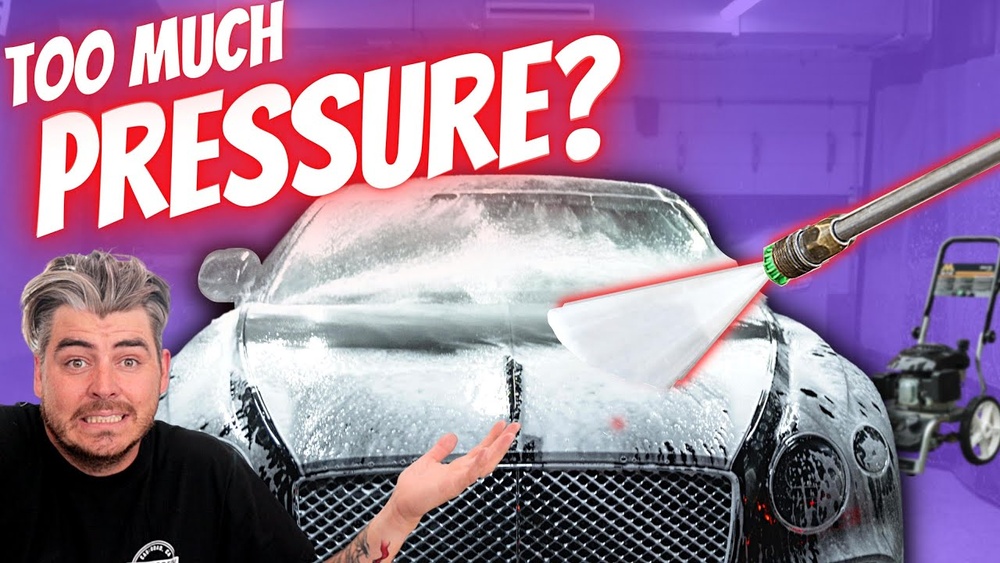
When you wash your car with a pressure washer, you want to use just the right amount of water—not too much, not too little. But how much water do you actually need?
Knowing the answer can save you money, protect the environment, and still get your car sparkling clean. You’ll discover simple tips and clear answers that make washing your car easier and more efficient than ever before. Keep reading to find out exactly how much water you should use with your pressure washer to get the best results every time.
Credit: blog.halfords.com
Water Usage In Pressure Washing
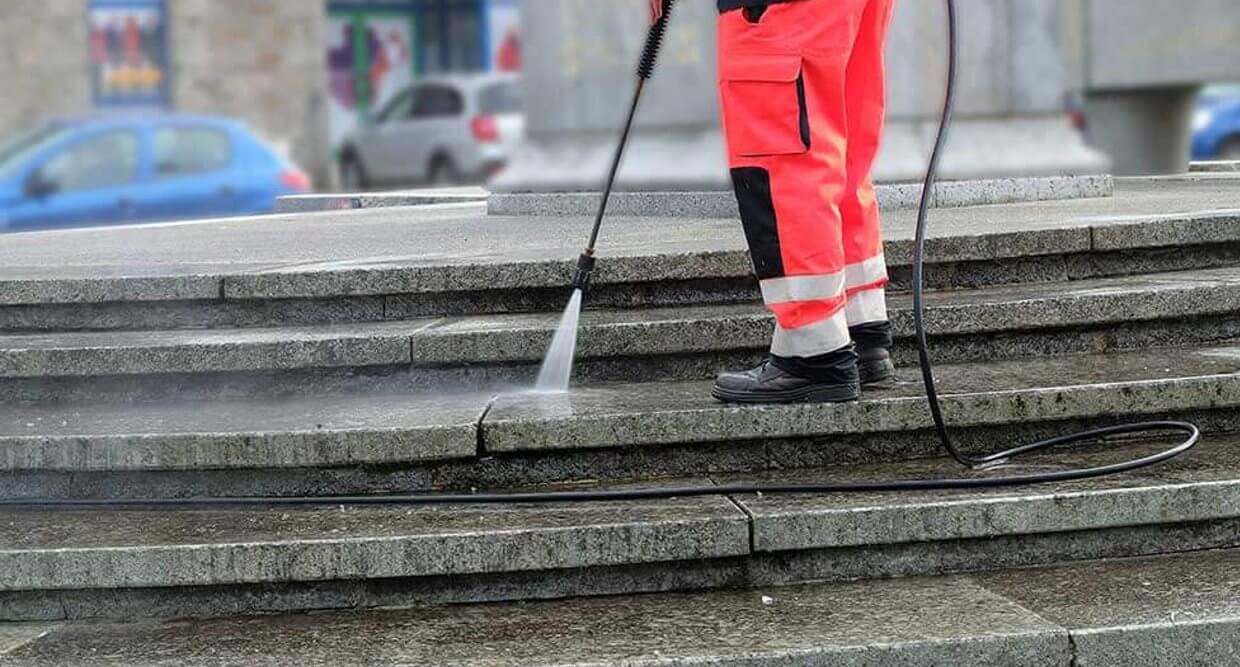
Water usage is a key factor in pressure washing a car. It helps to clean the vehicle efficiently without wasting water. Knowing how much water pressure washers use can guide you to save both water and money. Let’s explore how water consumption works in pressure washing and how it compares to other methods.
Average Water Consumption
Pressure washers use between 1.2 and 2.5 gallons of water per minute. The amount depends on the machine’s size and power. Most home pressure washers fall near the lower end of this range. Washing a car usually takes 10 to 20 minutes. This means the total water used ranges from 12 to 50 gallons.
Factors Affecting Water Use
Water use changes based on pressure setting and nozzle type. Higher pressure uses more water but cleans faster. Nozzles with wider spray angles spread water over a larger area. This can reduce water use by cleaning quicker. The dirt level on the car also matters. More dirt means longer washing and more water.
Comparing Pressure Washer To Hose
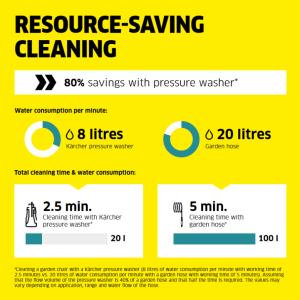
Using a garden hose wastes more water than a pressure washer. Hoses flow about 5 to 10 gallons per minute. This is much higher than pressure washers. Hoses also take longer to clean the car. Pressure washers clean faster with less water. They save water and reduce cleaning time at the same time.
Credit: www.hotsyab.com
Choosing The Right Pressure Washer
Choosing the right pressure washer is important for washing your car efficiently. The right machine saves water and cleans well without damage. Understanding pressure levels, nozzle types, and model options helps you pick the best one for your needs.
Pressure Levels And Efficiency
Pressure washers have different pressure levels, measured in PSI (pounds per square inch). For cars, a pressure between 1200 and 1900 PSI works well. Too much pressure can harm the paint. Lower pressure uses less water and cleans gently. Higher pressure cleans faster but may waste water. Balance pressure with cleaning needs for best results.
Nozzle Types And Water Flow
Nozzles control water flow and spray pattern. A 25-degree nozzle covers a wide area with moderate pressure. A 40-degree nozzle is softer and safer for car surfaces. A 15-degree nozzle gives a strong, narrow spray for tough dirt. Choose nozzles that save water but still clean well. Water flow, measured in GPM (gallons per minute), also matters. Higher GPM means more water use and faster cleaning.
Portable Vs. Stationary Models
Portable pressure washers are light and easy to move around. They are good for home use and small jobs. Stationary models are heavier and stay in one place. They offer more power and higher water flow. For car washing, portable models are usually enough. They use less water and are easy to store.
Techniques To Save Water
Saving water while washing your car with a pressure washer is important. It helps the environment and reduces your water bill. Simple techniques can make a big difference in water use. These methods ensure you clean your car well without wasting water.
Optimal Spray Distance
Keep the pressure washer nozzle about 12 to 18 inches from the car. Too close wastes water and can damage paint. Too far reduces cleaning power, causing longer wash time. The right distance cleans efficiently and saves water.
Using Detergents Effectively
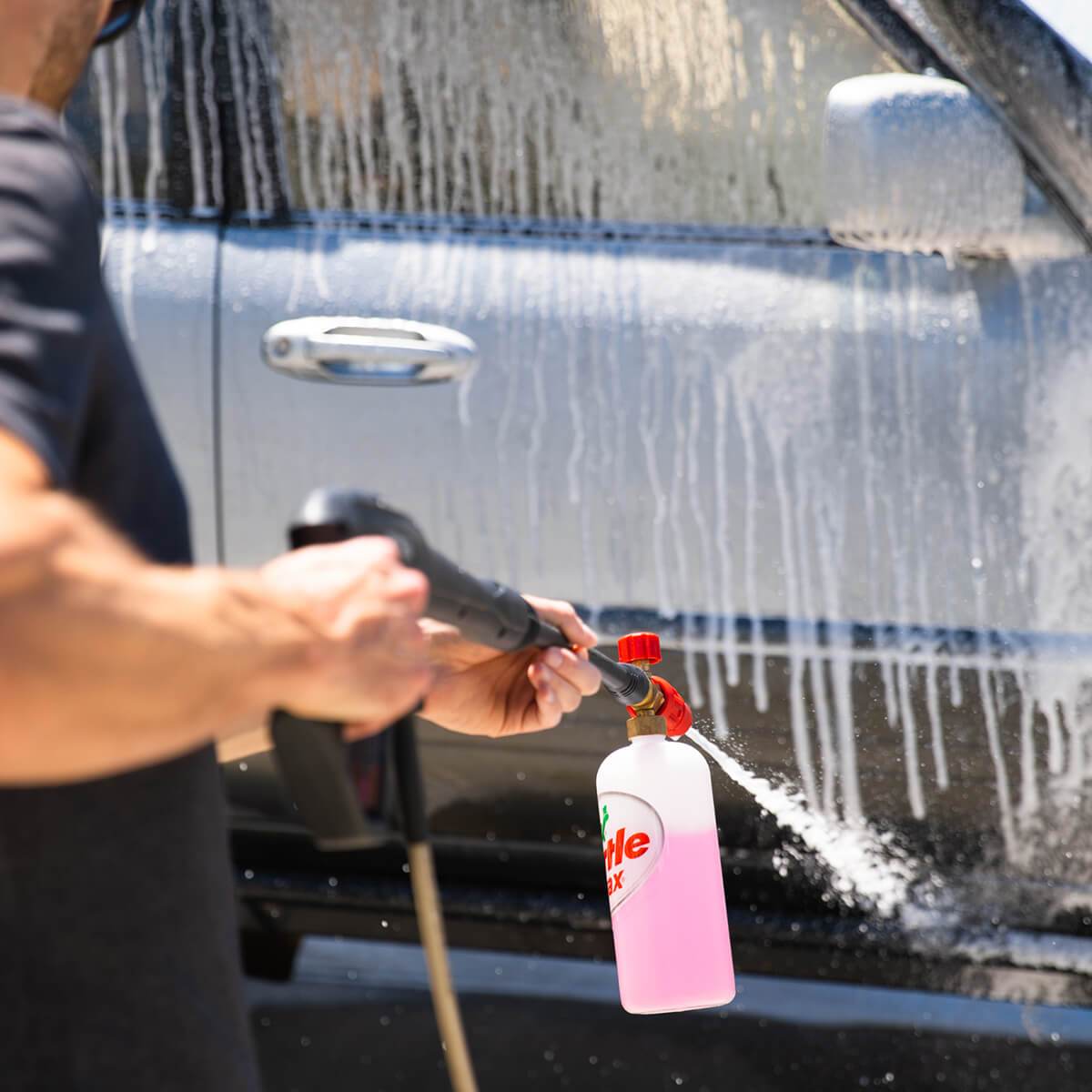
Apply detergent before rinsing to loosen dirt. Use a soap designed for pressure washers. Let the soap sit for a few minutes to break grime. This reduces the water needed for rinsing. Proper soap use means less water and better cleaning.
Short Burst Washing Method
Use short bursts of water instead of continuous spray. Turn off the washer while moving to the next section. This method cuts water use significantly. It also prevents over-wetting and runoff, saving water and protecting your car.
Credit: www.turtlewax.com
Preparing Your Car For Washing
Preparing your car before washing is very important. It helps avoid damage and cleans better. Taking small steps first makes washing easier and safer. These steps protect your car’s paint and parts.
Removing Loose Dirt First
Start by removing loose dirt from your car’s surface. Use a soft brush or cloth to sweep off dust and debris. This stops dirt from scratching the paint during washing. Loose dirt can also clog the pressure washer nozzle. Cleaning it first saves time and effort later.
Pre-rinse Vs. Soak Time
Pre-rinsing your car with water softens stuck dirt. Use a gentle spray to wet the entire car. Let the water sit for a minute or two to loosen grime. Do not soak the car too long. Too much water on the car can affect sensitive parts. Pre-rinse prepares the surface for better cleaning with a pressure washer.
Protecting Sensitive Areas
Cover sensitive areas like electrical parts, air vents, and mirrors. Use plastic wrap or tape to shield these parts from water. Water entering these areas can cause damage or malfunction. Protecting them avoids costly repairs. Take time to check all vulnerable spots before washing.
Measuring And Monitoring Water Use
Measuring and monitoring water use helps save water and control cleaning costs. It shows how much water a pressure washer uses during each car wash. This information helps adjust washing habits to use less water without losing cleaning power. Tracking water use also supports eco-friendly car care.
Installing Water Flow Meters
Water flow meters attach to your pressure washer’s hose or water source. They measure water passing through in real time. Installation is simple and requires no special tools. Some meters show water use on a digital display. Others connect to apps for detailed tracking. This device gives clear data on water volume used.
Tracking Usage Per Session
Record water use for every car wash session. Note the start and end readings from the flow meter. Compare the amount used with the size and dirt level of the car. This helps find patterns and areas to save water. Tracking over time builds a clear picture of water consumption. It also makes it easy to spot unusual spikes.
Adjusting Techniques Based On Data
Use data from flow meters to change washing habits. Reduce water flow if the car is only lightly dirty. Shorten washing time to avoid excess use. Use focused sprays on tough spots instead of continuous rinsing. These small changes cut water use without harming cleaning. Regular adjustments keep water use efficient and controlled.
Environmental Benefits Of Water Saving
Saving water while washing your car with a pressure washer helps the environment. Using less water reduces pollution and protects nature. It also supports long-term water availability for everyone. Simple changes in water use make a big difference.
Reducing Water Waste
Pressure washers use less water than a garden hose. They spray water directly on dirty spots. This focused cleaning cuts down water waste. Less wasted water means less strain on water systems. Saving water helps keep our rivers and lakes clean.
Lowering Utility Bills
Using less water lowers your water bill. Pressure washers use water efficiently. This means fewer gallons used per wash. Saving water saves money over time. A smaller bill is good for your budget.
Conserving Local Water Resources
Water comes from local sources like rivers and wells. Using less water helps these sources stay healthy. It prevents shortages during dry periods. Conserving water supports your community’s needs. Everyone benefits from careful water use.
Frequently Asked Questions
How Much Water Does A Pressure Washer Use To Wash A Car?
A typical pressure washer uses 1. 5 to 2. 5 gallons per minute. Washing a car takes about 5 to 10 minutes, using roughly 7. 5 to 25 gallons of water, depending on the washer’s flow rate and cleaning duration.
Can Using A Pressure Washer Save Water When Washing Cars?
Yes, pressure washers use less water than traditional hoses. They deliver high-pressure water efficiently, reducing overall water consumption while cleaning effectively. This makes them an eco-friendly choice for car washing.
What Pressure Level Is Ideal For Washing Cars?
A pressure between 1200 to 1900 PSI is ideal. It cleans dirt without damaging paint or surfaces. Always use a wide spray nozzle to avoid concentrated high pressure that may harm the car’s finish.
Does Water Temperature Affect Car Washing With Pressure Washers?
Yes, warm water improves cleaning efficiency. It helps break down grease and grime faster than cold water. Many pressure washers support hot water, but cold water models are also effective for regular car washing.
Conclusion
Washing a car with a pressure washer saves time and water. Using about 5 to 10 gallons is usually enough. Too much water wastes resources and can cause damage. Keep the nozzle moving to avoid paint harm. Choose the right pressure setting for your car’s surface.
Clean your car often to keep it shiny and fresh. Water use depends on car size and dirt level. A good balance helps protect your car and the environment. Simple steps make car washing easy and eco-friendly.