

Have you ever wondered if your car’s fuel filter needs a change but weren’t sure how to tell? Ignoring this small but vital part can lead to bigger problems down the road.
Your engine depends on clean fuel to run smoothly, and a clogged filter can slow things down or even cause damage. You’ll discover the clear signs that tell you when it’s time to replace your fuel filter. Knowing these signs can save you money, prevent breakdowns, and keep your vehicle running at its best.
Keep reading to find out exactly what to watch for and how to take action before it’s too late.

Credit: oilchangers.com
Role Of A Fuel Filter
The fuel filter plays a key role in protecting your vehicle’s engine. It cleans the fuel before it reaches the engine. Dirt, rust, and other particles can enter the fuel tank. The fuel filter catches these impurities. This helps the engine run smoothly and last longer.
A clogged or dirty fuel filter can cause serious problems. It reduces the fuel flow. The engine may struggle to get the right amount of fuel. This affects the car’s performance and fuel efficiency.
Fuel Filter Function
The main job of the fuel filter is to trap contaminants. Fuel can carry dirt, dust, and tiny metal particles. The filter blocks these from reaching the engine. Clean fuel means better combustion and less wear on engine parts.
Fuel filters are usually made of paper or fabric material. They have tiny pores that allow fuel to pass through. These pores catch harmful particles before they can cause damage.
Impact On Engine Performance
A dirty fuel filter can reduce engine power. It limits fuel flow and causes rough idling. The engine may hesitate or stall during driving. Fuel injection systems rely on clean fuel to work well.
Replacing the fuel filter keeps the engine running smoothly. It improves acceleration and fuel efficiency. A clean filter protects the fuel pump and injectors. This saves money on costly repairs later.
Common Causes For Replacement
Knowing why a fuel filter needs replacement helps keep your vehicle running smooth. The fuel filter stops dirt and debris from reaching the engine. Over time, the filter gets clogged or damaged. This reduces fuel flow and engine performance. Understanding common causes for replacement helps avoid bigger car problems.
Fuel Contamination
Fuel contamination is a top reason to change the fuel filter. Dirt, rust, and water can enter the fuel tank. These contaminants block the filter and reduce fuel flow. Poor quality fuel often causes contamination. Contaminated fuel clogs the filter faster. This makes the engine run rough or stall.
Wear And Tear
Fuel filters wear out with normal use. Small particles collect in the filter material over time. This buildup slows down fuel flow. A worn filter cannot clean fuel properly. It causes poor engine performance and lower fuel efficiency. Regular filter replacement prevents damage to fuel injectors and the engine.
Signs Of A Clogged Fuel Filter
A clogged fuel filter stops fuel from flowing properly to the engine. This causes many problems while driving. Recognizing the signs early helps avoid serious engine damage. Watch for changes in how your car runs. These signs point to a dirty or blocked fuel filter.
Engine Misfires
The engine may misfire or run rough. This happens because it does not get enough fuel. Misfires cause jerky movements and strange noises. A clogged fuel filter reduces fuel flow, causing these issues.
Reduced Fuel Efficiency
Your car may use more fuel than usual. A dirty fuel filter makes the engine work harder. This lowers fuel efficiency and wastes gas. Notice if you need to fill the tank more often.
Difficulty Starting
Starting the car can take longer or fail. The engine struggles to get the fuel it needs. This often happens with a clogged fuel filter. You might hear the starter turning without the engine starting.
Stalling Issues
The engine may stall while driving or idling. Stalling means the engine stops suddenly. A blocked fuel filter can cause this by cutting off fuel supply. This is dangerous and needs quick attention.

Credit: www.wikihow.com
Effects Of A Dirty Fuel Filter
A dirty fuel filter can cause many problems for your vehicle. It blocks the flow of fuel and dirt gets trapped inside. This affects the engine and the fuel system. Knowing the effects helps you decide when to change the filter.
Engine Damage Risks
A clogged fuel filter reduces fuel flow to the engine. The engine may run rough or stall often. Lack of fuel causes poor combustion. This can damage engine parts over time. It may lead to costly repairs or engine failure.
Fuel System Strain
The fuel pump works harder to push fuel through a dirty filter. This extra effort wears out the pump faster. The fuel injectors may also get clogged. The whole fuel system becomes less efficient. Changing the fuel filter prevents this strain and saves money.
Maintenance Intervals
Maintaining your vehicle’s fuel system is key to smooth engine performance. The fuel filter traps dirt and debris before they reach the engine. Over time, it clogs and needs replacement. Knowing the right time to change it helps avoid engine problems and costly repairs.
Manufacturer Recommendations
Every car maker sets a schedule for fuel filter changes. This info appears in the owner’s manual. Usually, it suggests changing the filter every 20,000 to 40,000 miles. Following these guidelines keeps your engine clean and efficient. Skipping this advice may reduce engine life and fuel efficiency.
Driving Conditions Impact
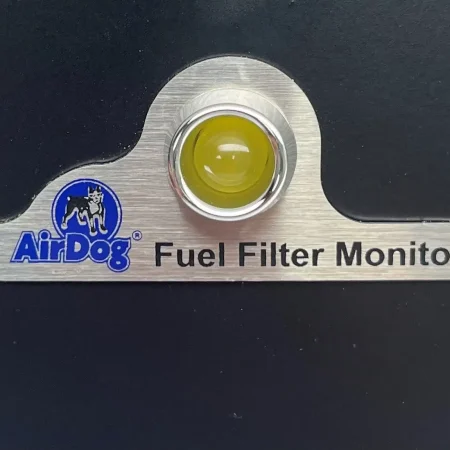
Driving style and environment affect how fast the fuel filter clogs. Dusty or rough roads cause faster buildup. Frequent short trips or stop-and-go traffic also stress the filter. In such cases, check and replace the fuel filter more often. Adjust maintenance to suit your driving habits and conditions.
Credit: airdogdiesel.com
Diy Vs Professional Replacement
Deciding between DIY and professional fuel filter replacement depends on your skills and tools. Changing a fuel filter is important to keep your engine clean and running smoothly. Some car owners prefer doing it themselves to save money. Others choose professionals for safety and expertise. Knowing what each option requires can help you make the best choice.
Tools Needed
For DIY replacement, basic tools include a wrench, screwdrivers, and pliers. A new fuel filter and safety glasses are also necessary. Some cars need special tools like fuel line disconnect tools. Professionals have all these tools ready and may use advanced equipment. They can complete the job faster and with fewer risks.
Safety Precautions
Fuel is flammable and must be handled carefully. Always work in a well-ventilated area away from flames or sparks. Wear gloves and eye protection to avoid contact with fuel. Relieve fuel system pressure before starting. Professionals follow strict safety rules and handle fuel spills properly. DIYers must be extra cautious to prevent accidents or damage.
Preventive Tips
Preventive tips help you avoid fuel filter problems early. They keep your car running smoothly. Simple actions can extend the life of your fuel filter. Follow these easy steps to protect your vehicle.
Using Quality Fuel
Choose good fuel to protect the filter from dirt. Cheap fuel can contain more impurities. These impurities clog the fuel filter fast. Clean fuel means less strain on the filter. It helps the engine work well for longer.
Regular Vehicle Checkups
Check your vehicle often to spot fuel filter issues early. Mechanics can find signs before problems grow. Regular checkups keep your filter clean and healthy. This prevents costly repairs later on. Make a habit of scheduling these checks.
Frequently Asked Questions
How Often Should I Change My Fuel Filter?
You should change your fuel filter every 20,000 to 40,000 miles. Check your vehicle’s manual for specific intervals. Regular replacement prevents engine problems and keeps fuel flow smooth. Ignoring it can cause poor performance and damage.
What Are Signs Of A Clogged Fuel Filter?
Signs include engine misfires, poor acceleration, stalling, and difficulty starting. You may also notice reduced fuel efficiency. These symptoms indicate restricted fuel flow, meaning it’s time to replace the fuel filter.
Can A Dirty Fuel Filter Damage My Engine?
Yes, a dirty fuel filter can cause engine damage. It restricts fuel flow, leading to poor combustion and engine strain. Replacing it promptly helps maintain engine health and prevents costly repairs.
Is It Difficult To Change A Fuel Filter Myself?
Changing a fuel filter can be simple with basic tools and vehicle knowledge. Always follow safety precautions and consult your vehicle manual. If unsure, professional help is recommended to avoid damage or injury.
Conclusion
Changing your fuel filter keeps your engine running smooth. Watch for signs like slow acceleration or engine stalling. Regular checks help catch problems early. Clean fuel means better performance and longer engine life. Don’t wait for trouble to start. Stay on top of your vehicle’s needs.
Simple steps prevent costly repairs later. Trust your senses and routine. A clean fuel filter makes a big difference. Keep your car healthy and enjoy safer drives.

