

If you drive a diesel vehicle, you know how important it is to keep your engine running smoothly. One key step is priming your diesel fuel filter.
But how do you do it right? Skipping this step or doing it incorrectly can cause your engine to stall or lose power. You’ll learn exactly how to prime your diesel fuel filter quickly and easily. By the end, you’ll feel confident handling this crucial task yourself and keeping your diesel engine in top shape.
Keep reading to discover simple tips that save you time and money.
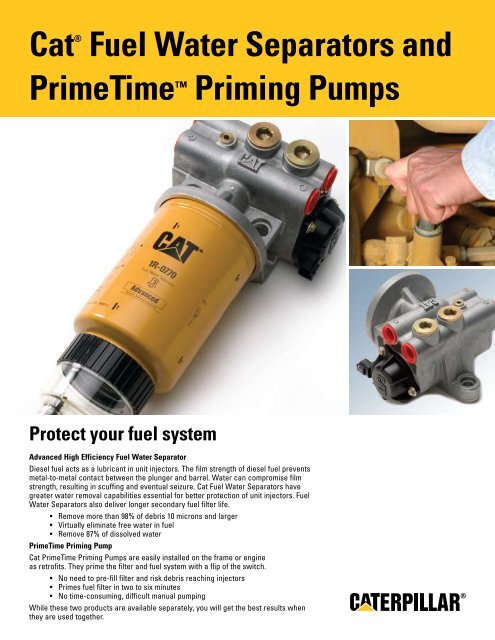
Credit: www.yumpu.com
Why Prime A Diesel Fuel Filter
Priming a diesel fuel filter needs the right tools. Using proper tools makes the job easier and safer. Without the right tools, priming can take longer or cause damage.
Below are the essential tools you need to prime a diesel fuel filter correctly. Each tool has a specific role in the process.
Hand Pump Or Primer Bulb
A hand pump or primer bulb helps to push fuel through the filter. It creates suction to remove air inside the fuel lines. This tool speeds up priming and ensures no air stays trapped.
Wrenches
Wrenches help to loosen and tighten the fuel filter connections. Using the correct size wrench prevents damage to fittings. They provide a good grip for safe handling.
Clean Container
A clean container holds diesel fuel for priming. It prevents dirt or debris from entering the fuel system. Keeping fuel clean is crucial for engine health.
Rags Or Shop Towels
Rags or shop towels wipe spills and clean parts. They keep the work area tidy and safe. Using clean towels helps avoid dirt contamination.
Protective Gloves
Gloves protect your hands from fuel and dirt. They keep your skin safe during handling. Gloves also improve grip on slippery parts.
Tools Needed For Priming
Finding the diesel fuel filter is the first step to prime it properly. It usually sits somewhere near the engine or under the hood. The exact place can differ depending on the vehicle model.
Knowing its location helps prevent mistakes and saves time. It also ensures you handle the right part without causing damage. Look for a small, cylindrical container with fuel lines attached.
Check Your Vehicle Manual
The owner’s manual often shows the fuel filter location. It provides clear pictures or diagrams. This is the easiest way to avoid confusion. Manuals also list safety tips for working around fuel parts.
Look Near The Fuel Tank
Many diesel fuel filters are close to the fuel tank. This spot helps catch dirt before fuel reaches the engine. Check under the vehicle along the fuel line. Use a flashlight for better visibility in dark areas.
Inspect The Engine Compartment
Some fuel filters sit inside the engine bay. Open the hood and scan the area around the engine block. Filters here are often metal or plastic and connect to fuel hoses. Be careful not to touch hot engine parts.
Identify Fuel Lines
Fuel lines are thin tubes running from the tank to the engine. Follow these lines to find the filter. The filter looks like a small canister or cartridge. It may have clips or screws holding it in place.
Locate The Fuel Filter
Releasing air from the diesel fuel system is a key step after priming the fuel filter. Air trapped in the system can stop the engine from starting or cause it to run roughly. Removing this air ensures smooth fuel flow and proper engine function.
Air pockets block fuel flow and create pressure problems. Clearing the air helps the fuel reach the engine without interruptions. This step makes sure the engine runs clean and steady.
Locate The Bleed Screw
Find the bleed screw near the fuel filter or on the fuel injection pump. It looks like a small bolt or valve. You need to open this to let the air escape.
Prepare To Catch Fuel
Place a small container or cloth under the bleed screw. Fuel may drip out when you open it. This prevents spills and keeps the area clean.
Open The Bleed Screw Slowly
Turn the bleed screw slowly to let air out. You will hear hissing sounds as air escapes. Keep it open until fuel flows steadily without bubbles.
Use The Primer Pump
Press the primer pump or lever to push fuel through the system. This helps force out air trapped inside. Pump gently and watch the fuel flow.
Close The Bleed Screw Securely
Once fuel flows smoothly without air bubbles, tighten the bleed screw. Make sure it is snug to stop any leaks. This seals the system ready for engine start.
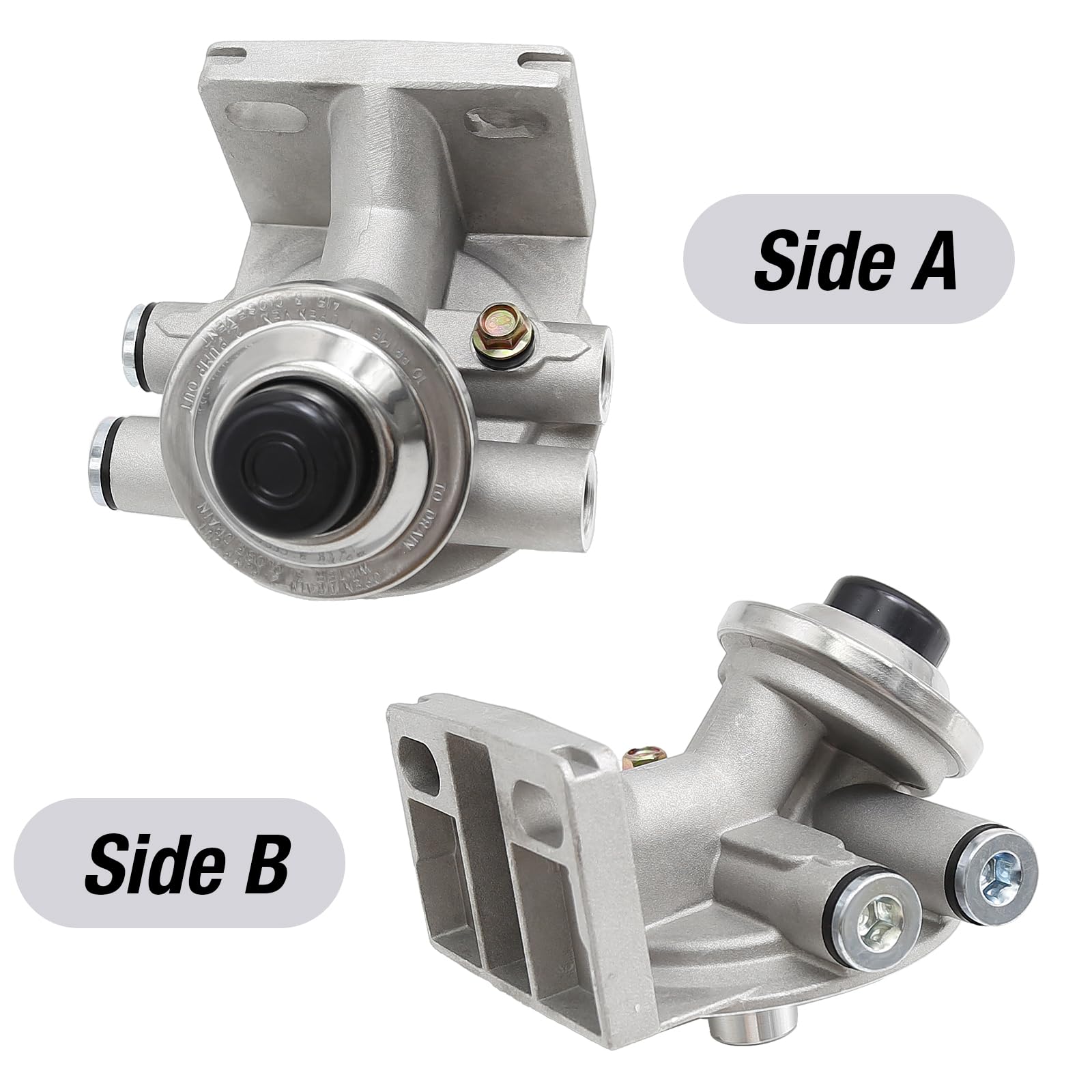
Credit: lepaystchad.com
Release Air From The System
Electric priming makes diesel fuel filter priming faster and easier. It uses an electric pump or motor to move fuel through the system. This method reduces manual effort and helps avoid air locks.
Electric priming is common in modern diesel engines. It improves fuel flow and engine start-up. Knowing how to use this technique can save time and prevent damage.
Using An Electric Primer Pump
An electric primer pump is a small motorized device. It moves fuel from the tank to the filter quickly. Connect the pump to the fuel line and power it on. Watch fuel flow until no air bubbles appear. Turn off the pump once the filter is full.
Benefits Of Electric Priming
Electric priming reduces manual pumping. It fills the filter more evenly and faster. This method cuts down on air trapped in the system. It also lowers the risk of fuel leaks during priming.
Safety Tips For Electric Priming
Always check electrical connections before starting. Keep the area clean to avoid fuel spills. Use the correct voltage to prevent damage to the pump. Never leave the electric primer running unattended.
Manual Priming Methods
Checking for leaks and air bubbles is a key step in priming a diesel fuel filter. This process ensures the filter works properly and your engine runs smoothly. Even small leaks or trapped air can cause engine problems. Detecting these issues early saves time and avoids costly repairs.
Leaks allow fuel to escape, reducing pressure and performance. Air bubbles block fuel flow and may cause the engine to stall. Careful inspection helps maintain fuel system integrity and efficiency.
How To Spot Leaks Around The Fuel Filter
Look closely at all connections around the fuel filter. Check hoses, clamps, and seals for wet spots or dripping fuel. A strong smell of diesel near the filter often signals a leak. Tighten any loose fittings gently to stop leaks. Replace damaged parts if needed to prevent fuel loss.
Identifying Air Bubbles In The Fuel Line
Air bubbles appear as small, moving pockets inside the clear fuel lines. Watch the fuel flow while priming. Bubbles may rise and cause sputtering sounds in the engine. These bubbles block fuel and reduce engine power. Bleed the filter and lines to remove trapped air. Repeat priming until no air bubbles remain.
Why Removing Air And Fixing Leaks Matters
Leaks and air bubbles disrupt fuel delivery to the engine. This leads to rough idling, loss of power, and harder starts. Clean fuel flow helps maintain engine health and fuel efficiency. Regular checks prevent unexpected breakdowns on the road.

Credit: www.youtube.com
Electric Priming Techniques
Testing the engine start is a key step after priming a diesel fuel filter. It shows if the fuel system works well and if air is removed. This step helps avoid engine damage and ensures smooth running.
Before starting the engine, check for leaks around the fuel filter. Leaks can cause air to enter the system. Air in the fuel line can stop the engine from starting or cause rough running.
Turn The Ignition Key
Turn the ignition key to the “on” position without starting the engine. Listen for the fuel pump sound. This sound shows the pump is pushing fuel through the system.
Start The Engine
Try starting the engine. It may take a few seconds longer than usual. This delay happens because the fuel line fills up with diesel and air clears out.
Watch For Smooth Running
Once the engine starts, it should run smoothly. If it stalls or runs roughly, air may still be in the system. Repeat the priming process to clear trapped air.
Check For Fuel Leaks
After the engine runs, check the fuel filter and lines again. No leaks should appear. Tighten any loose connections to keep air out and fuel in.
Frequently Asked Questions
How Do You Know When To Prime A Diesel Fuel Filter?
You should prime a diesel fuel filter after replacement or when air enters the fuel system. Signs include engine hesitation or difficulty starting. Priming removes air pockets, ensuring smooth fuel flow and preventing damage to the fuel pump and injectors.
What Tools Are Needed To Prime A Diesel Fuel Filter?
You typically need a hand primer pump or a manual pump lever. Some vehicles require a wrench to open bleed screws. Always check your vehicle’s manual for specific tools and procedures to ensure effective priming without fuel leakage.
Can You Prime A Diesel Fuel Filter Without A Pump?
Yes, in some cases you can manually prime by filling the filter with diesel and bleeding air through a valve. However, using a pump is safer and more effective. Manual priming may require more effort and patience to remove all air.
How Long Does It Take To Prime A Diesel Fuel Filter?
Priming usually takes 5 to 10 minutes, depending on the vehicle and air amount. It’s important to prime slowly and carefully to avoid introducing more air. Rushing can cause engine performance issues or damage fuel system components.
Conclusion
Priming a diesel fuel filter keeps your engine running smoothly. It removes air pockets that cause starting issues and poor performance. Follow the steps carefully for best results. Regular maintenance helps avoid costly repairs. Keep your diesel engine healthy and reliable.
Simple care saves time and money. Stay safe and confident while working on your vehicle. This small task makes a big difference.


