If you own a carbureted engine, you might wonder how a bypass fuel filter fits into the picture. Understanding how this simple device works can save you time, money, and frustration.
Imagine avoiding clogged carburetors and engine hiccups just by knowing the right fuel filter setup. You’ll discover exactly how a bypass fuel filter works with your carb, why it matters, and how it keeps your engine running smoothly. Keep reading to unlock the secret to cleaner fuel and better performance for your ride.

Credit: www.speedwaymotors.com
Bypass Fuel Filter Basics
A bypass fuel filter plays an important role in carbureted engines. It keeps the fuel clean and protects the engine parts. Understanding its basics helps maintain engine health and improve performance. This section explains how a bypass fuel filter works with a carburetor.
Function In Fuel Systems
The bypass fuel filter cleans fuel before it reaches the carburetor. It traps tiny dirt particles and debris. Fuel flows through the filter’s fine mesh, removing contaminants. Clean fuel means better combustion and engine efficiency. The filter also helps extend the life of the carburetor.
Unlike other filters, it allows some fuel to bypass if clogged. This prevents fuel starvation and keeps the engine running. The filter works quietly inside the fuel system. It constantly protects fuel flow during engine operation.
Difference From Primary Filters
Primary filters remove large dirt and rust particles. They protect the fuel pump and main fuel line first. Bypass filters catch much smaller particles. They provide an extra layer of protection for the carburetor.
Primary filters handle high fuel flow, while bypass filters have slower flow. Bypass filters use finer media for deeper cleaning. Both filters work together to ensure clean fuel. This combination helps avoid engine problems and costly repairs.
Carburetor Fuel Flow
The carburetor controls fuel flow to the engine. It mixes air and fuel in the right ratio for combustion. Clean and steady fuel flow is key to engine performance. A bypass fuel filter helps keep fuel clean before it reaches the carburetor.
Understanding how fuel moves through the carburetor helps explain the filter’s role. The fuel delivery process and the importance of clean fuel are essential topics.
Fuel Delivery Process
Fuel starts in the tank and moves toward the carburetor. It passes through the fuel pump, which pushes fuel forward. The bypass fuel filter cleans the fuel by removing dirt and debris. Clean fuel enters the carburetor bowl. Inside the carburetor, fuel mixes with air. This mixture then flows into the engine cylinders for combustion.
The bypass fuel filter works by diverting some fuel through a fine filter. This ensures only clean fuel reaches the carburetor. The rest of the fuel bypasses the filter to maintain steady flow. This balance keeps the engine running smoothly without fuel starvation.
Importance Of Clean Fuel
Dirty fuel can clog the carburetor jets and passages. This causes poor engine performance and rough idling. Clean fuel prevents blockages and keeps fuel flow consistent. The bypass fuel filter protects the carburetor by catching contaminants early. It extends the life of the carburetor and engine parts. Clean fuel also improves fuel efficiency and reduces emissions.
Regular filter maintenance is vital. It ensures the filter works properly and fuel stays clean. Without clean fuel, the carburetor cannot mix air and fuel correctly. This leads to poor power and engine problems.
Mechanics Of Bypass Filters
The mechanics of bypass fuel filters play a crucial role in keeping carburetors clean. These filters remove small particles and impurities from the fuel. Clean fuel helps the carburetor work better and last longer. Understanding how bypass filters work helps you maintain your engine effectively.
Filter Design And Components
A bypass fuel filter has a unique design. It includes a filter housing, a fine filter element, and bypass valves. The filter element is usually made of paper or synthetic fibers. It traps dirt and rust from the fuel. The housing holds the filter element and connects to the fuel line. Bypass valves control the flow of fuel around the filter if it clogs. This prevents fuel starvation to the carburetor.
Fuel Path Through Filter
Fuel enters the bypass filter from the fuel tank. It flows into the filter housing and passes through the filter element. The filter traps tiny particles and dirt. Clean fuel then moves out of the filter and toward the carburetor. If the filter clogs, the bypass valve opens. This lets fuel flow around the filter element. The carburetor still gets fuel, but without filtration until the filter is replaced.

Credit: www.speedwaymotors.com
Benefits Of Using Bypass Filters
Using a bypass fuel filter with a carburetor offers important benefits. It improves fuel quality and protects engine parts. These filters help keep the fuel clean from dirt and debris. Clean fuel means the engine runs smoother and lasts longer.
Enhanced Fuel Quality
Bypass filters remove tiny particles and water from the fuel. This cleaning process helps the carburetor get pure fuel. Pure fuel burns better inside the engine. It reduces clogs and rough running. Cleaner fuel also lowers harmful emissions from the engine.
Extended Carburetor Life
Keeping dirt out of the carburetor prevents damage. Bypass filters stop grit from wearing down carb parts. This lowers the chance of repairs and rebuilds. A clean carburetor works more efficiently and lasts longer. It saves money and reduces engine problems.
Installation Tips
Installing a bypass fuel filter with a carburetor needs care. Correct setup ensures clean fuel flow and protects your engine. Follow simple steps to avoid damage and improve performance.
Positioning In Fuel Line
Place the bypass fuel filter before the carburetor. This stops dirt from reaching the carburetor. Install it in a spot easy to reach for cleaning or replacing. The filter should align with the fuel flow direction. Use clamps to secure the filter tightly and prevent leaks.
Avoiding Common Mistakes
Do not place the filter after the carburetor. This allows dirty fuel into the engine. Avoid using the wrong filter size; it can reduce fuel flow. Do not forget to check for leaks after installation. Always replace old fuel lines if cracked or worn. Tighten connections but avoid over-tightening, which can cause damage.
Maintenance And Troubleshooting
Maintaining and troubleshooting a bypass fuel filter with a carburetor is key to keeping your engine running smoothly. Dirt and debris can clog the filter, reducing fuel flow and engine performance. Regular checks help spot problems early.
Simple maintenance can extend the filter’s life and avoid costly repairs. Understanding how to clean and replace the filter ensures your carburetor gets clean fuel. Also, knowing the signs of filter issues helps you fix problems fast.
Filter Cleaning And Replacement
Cleaning the bypass fuel filter involves removing it carefully from the fuel line. Use clean fuel or a mild solvent to flush out dirt inside the filter. Let it dry completely before reinstalling.
Replace the filter if it shows damage or heavy clogging. Most filters need changing every 12 months or 10,000 miles. Follow the vehicle manual for exact intervals. Always use the right filter type for your carburetor model.
Identifying Filter-related Issues
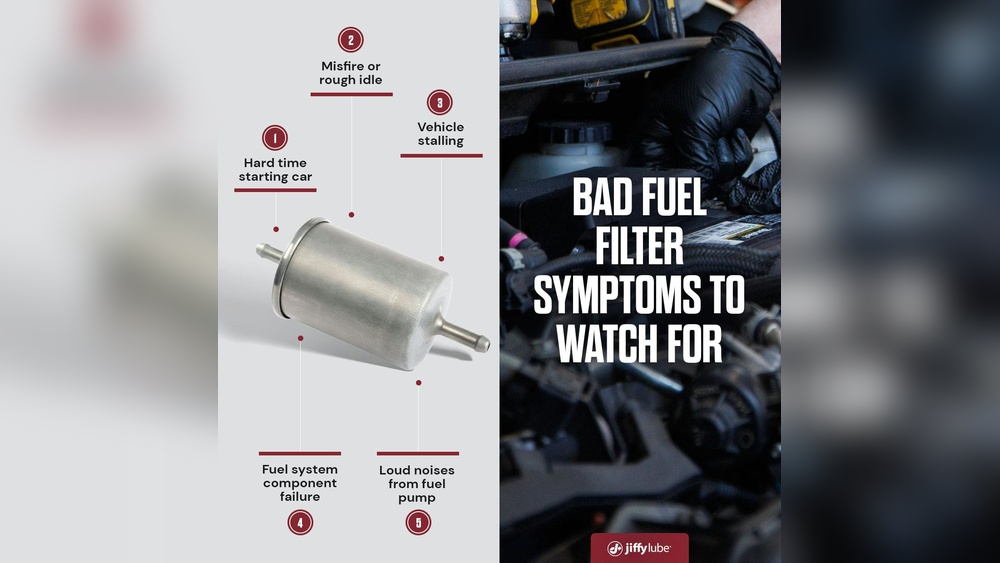
Watch for signs like rough idling, engine stalling, or poor acceleration. These can indicate fuel flow problems caused by a dirty filter. Fuel leaks around the filter also suggest a need for repair or replacement.
Check the filter regularly for cracks or wear. Fuel starvation can damage the carburetor and engine parts. Early detection of filter problems saves time and money on repairs.
Comparing Filter Types
Fuel filters protect your carburetor by cleaning the fuel before it reaches the engine. Different types of filters do this job in unique ways. Understanding these types helps you pick the best one for your vehicle’s needs. This section compares two common fuel filter types used with carburetors.
Bypass Vs. Inline Filters
Bypass filters clean a small part of the fuel at a time. They remove very tiny dirt and particles. The fuel flows through the filter slowly, giving more time to clean. Inline filters sit directly in the fuel line. They filter all the fuel that passes through. Inline filters work faster but may miss very small debris.
Bypass filters often last longer. Inline filters need frequent changes to avoid clogging. Bypass filters help keep the fuel cleaner for a longer time. Inline filters offer quick and easy fuel filtration.
Choosing The Right Filter For Your Carb
Pick a filter based on your driving and engine needs. A bypass filter suits older engines or cars with dirty fuel. It protects the carburetor better from small particles. Inline filters fit well in newer engines or cleaner fuel systems. They are easier to install and maintain.
Consider how often you want to change the filter. Bypass filters save you from frequent changes. Inline filters require quick replacements but cost less. Choose the filter type that matches your car’s fuel system and your maintenance habits.

Credit: aeromotiveinc.com
Frequently Asked Questions
What Is A Bypass Fuel Filter In Carburetors?
A bypass fuel filter cleans fuel by diverting it through filter media. It traps dirt before fuel reaches the carburetor, protecting engine parts. This ensures smoother engine performance and prevents clogs in fuel jets, maintaining efficient fuel flow.
How Does A Bypass Fuel Filter Protect The Carburetor?
It removes contaminants from fuel before entering the carburetor. By filtering out debris, it prevents blockages in carburetor jets and passages. This protection enhances engine reliability and reduces maintenance needs.
Why Is A Bypass Fuel Filter Important For Carb Engines?
It ensures clean fuel supply, vital for proper carburetor function. Clean fuel improves combustion and engine efficiency. Without it, dirt can cause poor engine performance and damage carburetor components.
Can A Bypass Fuel Filter Improve Engine Performance?
Yes, by providing cleaner fuel, it prevents blockages and fuel flow issues. This leads to smoother acceleration, better fuel efficiency, and longer engine life.
Conclusion
A bypass fuel filter helps keep carburetors clean by filtering fuel. It removes dirt and debris that can block fuel flow. This keeps the engine running smoothly and prevents damage. Regular filter checks help avoid fuel problems and engine stalls.
Using a bypass filter is a simple way to protect your carburetor. Clean fuel means better engine performance and longer life. It’s a small step that makes a big difference for your vehicle.