
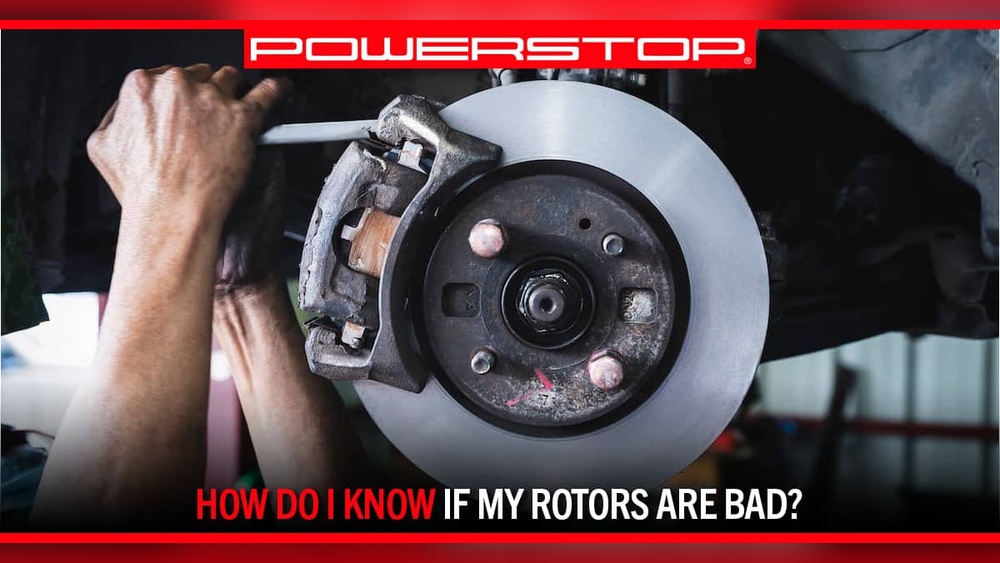
Have you ever felt a strange vibration or heard unusual noises when you press your brakes? These could be signs that your brake rotors are wearing out.
Knowing how to tell if your brake rotor is bad can save you from costly repairs and keep you safe on the road. You’ll learn the simple ways to spot the warning signs before they become serious problems. Keep reading to protect yourself and your vehicle with easy-to-understand tips.
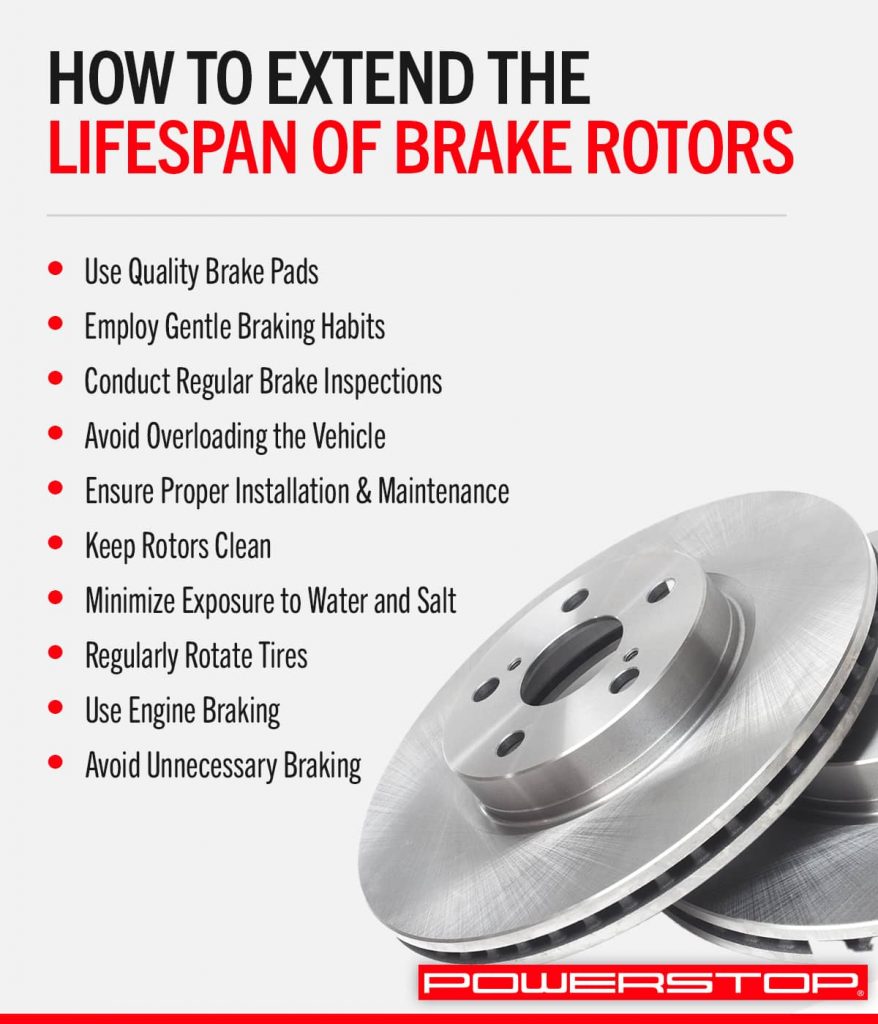
Credit: www.powerstop.com
Common Brake Rotor Problems
Brake rotors are a key part of your car’s braking system. They work with brake pads to stop your vehicle safely. Over time, rotors can develop problems that affect braking performance. Recognizing these common issues helps keep your car safe and smooth on the road.
Warping And Its Effects
Warping happens when brake rotors get too hot and change shape. This causes vibrations when you press the brake pedal. You may feel shaking in the steering wheel or brake pedal. Warped rotors reduce braking power and increase stopping distance.
Surface Cracks
Surface cracks appear as small lines on the rotor. They usually come from heat stress or heavy braking. Cracks weaken the rotor and can lead to brake failure. Small cracks need quick attention before they grow bigger.
Excessive Wear
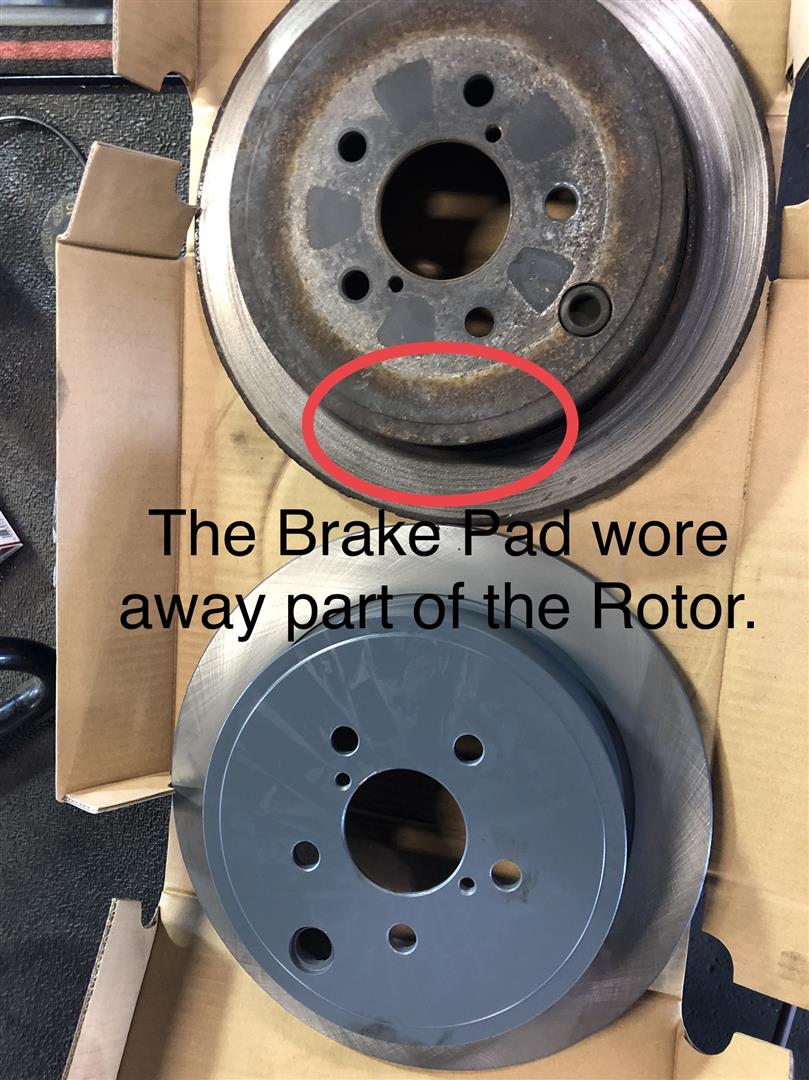
Rotors wear down over time from friction with brake pads. Excessive wear makes the rotor too thin. Thin rotors heat up fast and can crack or warp easily. Regular checks help catch thin rotors before they cause problems.
Corrosion Issues
Corrosion or rust forms on rotors, especially in wet climates. Rust reduces rotor smoothness and braking efficiency. It can cause noise and uneven braking. Cleaning or replacing rusted rotors keeps brakes working well.
Symptoms Of A Bad Brake Rotor
Bad brake rotors show clear symptoms that affect your car’s safety. Recognizing these signs early can help prevent accidents and costly repairs. Below are key symptoms to watch for that indicate rotor problems.
Vibrations When Braking
Feeling vibrations through the brake pedal or steering wheel is common. This happens because the rotor surface is uneven or warped. The shaking grows worse as you press the brake harder. It is a strong sign that the rotor needs attention.
Squealing Or Grinding Noises
High-pitched squealing or harsh grinding sounds come from bad rotors. Squealing often means the rotor surface is rough or glazed. Grinding noise shows the rotor may be very worn or damaged. These sounds warn you to check the brakes soon.
Longer Stopping Distances
Your car may take more time to stop safely. Worn rotors reduce the brake system’s power. This increases the risk of accidents in traffic or emergencies. Noticeable delays in braking need immediate rotor inspection.
Visible Rotor Damage
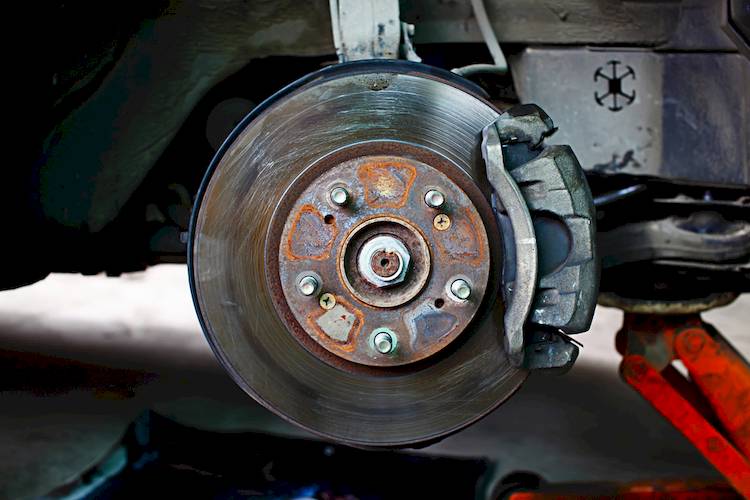
Look at the rotors through the wheels. Deep grooves, cracks, or rust spots mean the rotor is bad. Uneven wear or discoloration also signals trouble. Visible damage is a clear sign to replace or resurface the rotor.
How To Inspect Brake Rotors
Inspecting brake rotors is a key step to keep your vehicle safe. Regular checks help spot problems early. This guide shows simple ways to inspect your brake rotors. You can do most checks yourself with basic tools. Understanding these steps saves time and money.
Visual Examination Tips
Start by looking closely at the brake rotors. Check for cracks or deep grooves on the surface. Rust patches can also signal trouble. Uneven wear or discoloration may mean overheating. Make sure the rotor surface looks smooth and clean. Dirt and debris can hide problems, so clean the rotors first.
Measuring Rotor Thickness
Rotors wear thinner over time. Use a micrometer or caliper to measure thickness. Compare your measurement with the manufacturer’s minimum thickness. If the rotor is too thin, it needs replacement. Thin rotors can cause poor braking and safety risks.
Checking For Warping
Warped rotors cause vibrations or shaking when braking. Test this by spinning the wheel and watching for wobble. You can also use a dial indicator to check rotor runout. Any noticeable movement means the rotor is warped. Warped rotors reduce brake performance and should be fixed.
Tools Needed For Inspection
Prepare these tools before inspecting brake rotors. A flashlight helps see details clearly. A micrometer or caliper measures rotor thickness. A dial indicator detects warping and runout. A wire brush or brake cleaner removes dirt and rust. Basic safety gear like gloves and eye protection is a must.
Credit: www.yourmechanic.com
Risks Of Ignoring Rotor Issues
Ignoring brake rotor problems can cause serious trouble. Rotors are key parts of your braking system. Damaged rotors reduce your car’s ability to stop safely. This puts you, your passengers, and others on the road at risk.
Brake Failure Dangers
Bad rotors can cause brakes to fail suddenly. This can lead to accidents and injuries. Your car may take longer to stop or lose stopping power. Brake failure puts everyone in danger on the road.
Increased Repair Costs
Delaying rotor repairs often leads to bigger problems. Worn rotors can damage brake pads and other parts. Fixing multiple components costs more money. Early repair saves you time and expensive bills later.
Impact On Overall Vehicle Safety
Brake rotors affect how your whole car drives. Bad rotors cause vibrations and uneven braking. This affects control, especially in emergencies. Keeping rotors in good shape keeps your vehicle safer.
When To Replace Or Resurface Rotors
Knowing when to replace or resurface brake rotors keeps your car safe. Rotors wear down with use and need care to work well. Sometimes, resurfacing can fix minor issues. Other times, replacement is the best choice. Understanding the difference helps avoid costly repairs and keeps brakes strong.
Manufacturer Thickness Guidelines
Every rotor has a minimum thickness limit. This limit is set by the manufacturer. It ensures the rotor can handle heat and pressure safely. Use a micrometer to check rotor thickness. If the rotor is thinner than the limit, it must be replaced. Resurfacing reduces thickness and may make it unsafe.
Signs Resurfacing Isn’t Enough
Deep grooves or cracks are signs resurfacing won’t help. Warped rotors cause vibration when braking. Rust can weaken the rotor surface. If the rotor has uneven wear, resurfacing might not fix it. Severe damage or metal loss means replacement is necessary.
Choosing Replacement Rotors
Select rotors that match your car’s make and model. Consider quality and durability for long-lasting performance. OEM rotors fit well and meet safety standards. Aftermarket rotors may be cheaper but check reviews. Always replace rotors in pairs for balanced braking.
Credit: www.ricksautoservice.org
Maintenance Tips To Extend Rotor Life
Taking good care of your brake rotors helps them last longer. Proper maintenance keeps your brakes safe and working well. Simple steps can prevent damage and costly repairs.
Regular Brake Inspections
Check your brakes often. Look for signs of wear or damage on the rotors. Early detection helps avoid bigger problems. Inspecting every few months is a smart habit.
Proper Driving Habits
Drive smoothly and avoid hard stops. Sudden braking can wear out rotors quickly. Slow down early instead of braking late. This reduces stress on the brake system.
Quality Brake Pads
Use good brake pads made for your vehicle. Cheap pads can harm rotors and wear unevenly. Quality pads last longer and protect your rotors better.
Avoiding Overheating
Do not ride the brakes on long downhill drives. Overheating can cause rotors to warp or crack. Use engine braking or take breaks to cool the brakes down.
Frequently Asked Questions
How Can I Identify A Bad Brake Rotor?
A bad brake rotor often causes vibrations or pulsations when braking. Look for visible grooves, cracks, or rust on the surface. Uneven wear and squealing noises also indicate rotor issues needing inspection or replacement.
What Are Common Symptoms Of Worn Brake Rotors?
Common symptoms include brake pedal vibration, unusual noises, reduced braking efficiency, and longer stopping distances. If you experience any, check your rotors for damage, warping, or thinning, which can compromise safety.
How Often Should Brake Rotors Be Replaced?
Brake rotors typically last 30,000 to 70,000 miles. Replacement depends on driving habits and rotor condition. Inspect rotors during brake pad changes and replace if thickness is below manufacturer’s minimum or if damage is present.
Can I Drive With A Bad Brake Rotor?
Driving with a bad brake rotor is unsafe. It reduces braking performance and can cause accidents. Replace or repair damaged rotors promptly to maintain vehicle safety and braking effectiveness.
Conclusion
Bad brake rotors can cause serious safety issues. Listen for unusual noises and feel for vibrations. Check for visible cracks, grooves, or warping. Acting quickly helps avoid costly repairs and accidents. Regular checks keep your brakes working properly. Stay alert and maintain your vehicle for safe driving.
Trust your instincts if something feels off. Taking care of brake rotors protects you and others on the road.


