
Your brake rotors play a crucial role in keeping you safe on the road. But how often do you really need to check them?
Ignoring this simple maintenance step can lead to costly repairs or, worse, dangerous driving conditions. You’ll discover the ideal frequency for inspecting your brake rotors and how doing so can save you money and stress. Keep reading to protect yourself, your passengers, and your vehicle’s performance.
Credit: nrsbrakes.com
Signs Of Worn Brake Rotors
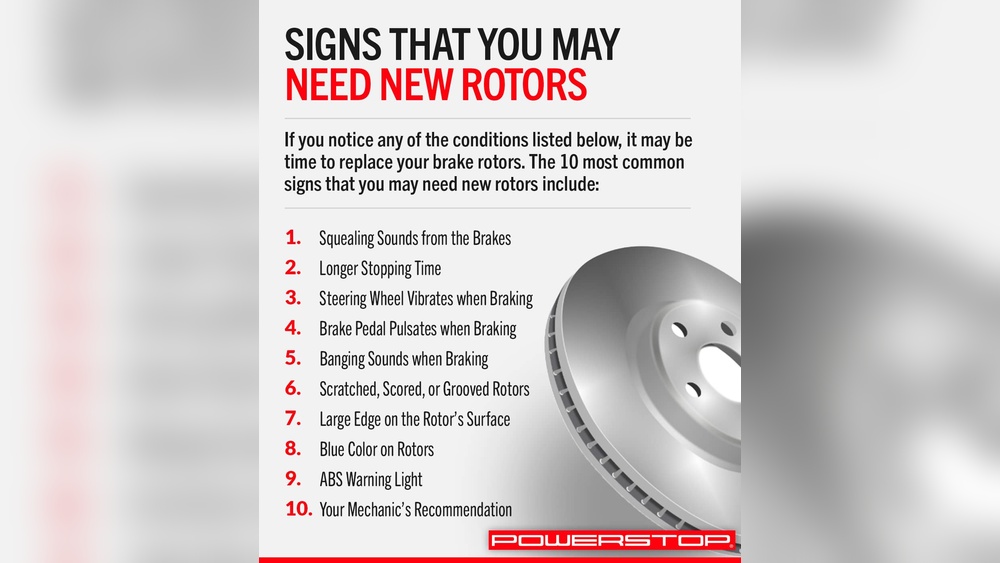
Worn brake rotors affect your car’s safety and driving comfort. Recognizing signs early helps prevent serious damage. Pay close attention to sounds, feelings, and visible changes in your rotors. These signs often mean it is time to check or replace them.
Squeaking And Grinding Noises
Squeaking noises appear when rotors wear thin. This sound comes from metal rubbing against metal. Grinding noises are louder and more serious. They mean the rotor surface is damaged or uneven. Ignoring these sounds can lead to costly repairs.
Vibrations When Braking
Feel vibrations in the brake pedal or steering wheel? This usually means the rotors are warped or uneven. Warped rotors cause the brake pads to hit the surface irregularly. This makes your car shake during braking. These vibrations warn you to inspect the rotors soon.
Visible Rotor Damage
Check your rotors for visible damage. Deep grooves, cracks, or rust spots show rotor wear. Uneven surface or discoloration also signals problems. Damaged rotors reduce braking power and increase stopping distance. Regular visual checks help catch these issues early.

Credit: www.hawkperformance.com
Recommended Inspection Intervals
Knowing how often to check your brake rotors is key for safe driving. Regular inspections help spot problems early. This keeps your brakes working well and prevents costly repairs. The best times to inspect depend on different factors. Let’s explore the recommended intervals for checking brake rotors.
Manufacturer Guidelines
Car makers provide specific advice on brake rotor checks. These guidelines appear in your vehicle’s manual. Usually, they recommend inspections every 12,000 to 15,000 miles. Following these instructions helps keep your brakes in good shape. Always trust the manufacturer’s advice first.
Factors Affecting Inspection Frequency
Driving habits change how often you should check rotors. Hard braking or stop-and-go traffic wears rotors faster. Heavy loads or towing also add stress to brakes. Rough roads cause more rotor damage than smooth highways. Adjust your inspection schedule based on these conditions.
Seasonal Considerations
Weather affects brake rotor wear and tear. Winter roads with salt and moisture speed up corrosion. Check rotors more often during cold months. Summer heat can cause rotors to warp if brakes are used heavily. Seasonal checks help catch issues caused by changing weather.
Diy Rotor Inspection Tips
Professional brake rotor checks are essential for safe driving. These checks ensure your brake system works well and prevents accidents. Mechanics have the tools and skills to spot problems early. Regular visits to a mechanic can save money and improve car safety.
When To Visit A Mechanic
Visit a mechanic if you hear strange noises when braking. Feel vibrations or pulsing in the brake pedal. Notice longer stopping distances or warning lights on the dashboard. Regular checks every 12,000 miles or once a year help catch issues early.
What Professionals Inspect
Mechanics look for rotor wear, cracks, and warping. They check brake pads and calipers too. Measuring rotor thickness is key to see if replacement is needed. They also test brake fluid and overall brake system health.
Benefits Of Regular Maintenance
Regular brake checks improve your car’s safety and performance. They extend the life of your brake rotors and pads. Early problem detection avoids costly repairs later. Peace of mind on the road comes with well-maintained brakes.

Credit: www.youtube.com
Professional Brake Rotor Checks
Ignoring brake rotor checks can lead to serious problems. These parts wear out over time and affect your car’s braking ability. Skipping regular inspections can cause damage that is costly and dangerous. Understanding these risks helps you keep your vehicle safe and reliable.
Reduced Braking Performance
Worn or damaged rotors reduce how well your brakes work. You may feel vibrations or hear squealing sounds. Braking distance can increase, making it harder to stop quickly. This puts you and others in danger on the road.
Increased Repair Costs
Neglecting rotor checks can cause more damage over time. Small problems can turn into big repairs. You might need to replace not only rotors but also brake pads and other parts. Fixing these issues early saves money and time.
Safety Hazards On The Road
Bad rotors can cause brake failure in critical moments. This can lead to accidents or loss of vehicle control. Regular checks prevent unexpected brake problems and keep you safer. Your safety depends on well-maintained brake rotors.
Consequences Of Neglecting Rotor Checks
Brake rotors play a key role in your vehicle’s safety. Keeping them in good shape saves money and prevents accidents. Extending rotor lifespan needs care and smart choices. Small habits and regular checks make a big difference. Here are simple ways to help your rotors last longer.
Driving Habits To Adopt
Drive smoothly and avoid sudden stops. Hard braking wears rotors faster. Keep a safe distance from other cars. This helps you brake gently. Avoid riding the brakes on hills. Use engine braking by shifting to a lower gear. These habits reduce stress on your rotors.
Routine Brake Maintenance
Check your brake system every 6,000 miles or during oil changes. Inspect rotors for grooves or cracks. Replace brake pads before they wear out completely. Clean dust and debris from brake parts regularly. Proper maintenance prevents rotor damage and keeps brakes working well.
Using Quality Brake Components
Choose brake pads and rotors from trusted brands. Cheap parts may wear out quickly or damage rotors. High-quality materials last longer and perform better. Match parts to your vehicle’s make and model. Good components protect your rotors and ensure safe driving.
Frequently Asked Questions
How Often Should Brake Rotors Be Checked?
Brake rotors should be checked every 12,000 miles or once a year. Frequent checks ensure safety and prevent costly repairs. Regular inspections help identify wear, warping, or damage early, maintaining optimal brake performance and vehicle safety on the road.
What Are Signs Of Worn Brake Rotors?
Signs of worn brake rotors include vibration, squealing, or grinding noises while braking. You may also feel reduced braking efficiency or see visible grooves on the rotor surface. Early detection helps avoid further damage and maintains safe braking performance.
Can I Check Brake Rotors Myself?
Yes, you can check brake rotors yourself if you have basic tools. Inspect for thickness, grooves, or warping by removing the wheel. However, professional inspections are recommended for accurate assessment and safety.
Why Is Rotor Thickness Important?
Rotor thickness affects braking efficiency and safety. Thin rotors can overheat and warp, causing brake failure. Manufacturers specify minimum thickness for safe use. Regular checks ensure rotors meet these standards and prevent accidents.
Conclusion
Checking your brake rotors often keeps your car safe and smooth. Worn rotors cause noise, vibrations, and less stopping power. A quick look every 10,000 miles or during brake service helps spot problems early. Listen for unusual sounds and feel for brake changes.
Regular checks save money by avoiding costly repairs later. Stay alert and keep your brakes in good shape for safe driving. Simple steps protect you and your passengers on every trip.


