

You want your black car to shine like new, but waxing it by hand can be tiring and might not give you the perfect finish. What if you could make the process faster, easier, and get a showroom-quality shine every time?
Using a buffer to wax your black car is the secret that professionals use to bring out that deep, glossy look. In this guide, you’ll learn step-by-step how to use a buffer correctly, avoid common mistakes, and protect your car’s paint.
Keep reading, and you’ll discover how simple it is to make your black car stand out on the road.
Preparing The Car
Preparing your black car before waxing is essential for a smooth, shiny finish. This step ensures the surface is clean and ready. It helps the wax stick better and last longer.
Proper preparation also protects your paint from damage. Take your time here. The results will show in the final look.
Washing And Drying
Start by washing your car thoroughly. Use a car shampoo made for dark paint. Avoid household soaps that can strip wax.
Rinse well to remove dirt and grime. Use a microfiber cloth or soft towel to dry. Avoid air drying, which can leave water spots.
Inspecting The Surface
Look closely at the car’s paint. Check for scratches, swirl marks, or dirt left behind. Use good lighting for better visibility.
Fix small issues before waxing. You can use a clay bar or light polish to smooth the surface. This step helps the wax bond better.
Choosing The Right Wax
Select wax made for black or dark-colored cars. These products enhance depth and gloss. Avoid waxes with harsh chemicals that can dull the finish.
Consider paste or liquid wax. Paste lasts longer but can be harder to apply. Liquid wax is easier but may need more frequent use.
Selecting The Buffer
Selecting the right buffer is key to waxing a black car perfectly. A good buffer saves time and gives a smooth finish. It also helps avoid damage to the paint. Choose a buffer that fits your skill level and car type. Understanding different buffers, pads, and safety gear is a good start.
Types Of Buffers
There are mainly two types of buffers: rotary and dual-action. Rotary buffers spin in one direction. They work fast but need careful handling. Dual-action buffers move in two directions. They are safer for beginners. Dual-action buffers reduce the risk of burning the paint. Choose the type that matches your comfort and experience.
Pads And Attachments
Buffers use different pads for various tasks. Foam pads are soft and good for applying wax. Wool pads work well for polishing and cutting. Use a clean pad to avoid scratches. Change pads if they get dirty or worn. Attach the pad firmly to the buffer for best results.
Safety Gear
Protect yourself while using a buffer. Wear safety glasses to shield your eyes from splashes. Use gloves to keep your hands safe from chemicals. A mask helps avoid breathing in dust or fumes. Wear old clothes that you don’t mind getting dirty. Safety gear keeps waxing safe and comfortable.
Applying Wax With A Buffer
Applying wax with a buffer is a smart way to protect your black car’s paint. It helps spread the wax evenly and brings out a deep shine. Using a buffer saves time and effort compared to hand waxing. The key is to prepare the buffer and work carefully in small parts.
Setting Up The Buffer
Start by choosing the right pad for waxing. A soft foam pad works best for applying wax. Attach the pad firmly to the buffer. Make sure the buffer is clean before use. Set the speed to a low or medium setting. This prevents damage to the car’s paint. Keep the buffer moving to avoid heat build-up.
Applying Wax Evenly
Put a small amount of wax on the buffer pad. Spread the wax lightly on the car’s surface. Use gentle pressure to avoid scratching the paint. Move the buffer in slow, circular motions. Cover the area with a thin, even layer of wax. Avoid putting too much wax in one spot. This helps the wax dry evenly and shine well.
Working In Sections
Divide your car’s surface into small sections. Work on one section at a time for best results. Wax one section fully before moving to the next. This method keeps the wax fresh and easier to buff off. After applying wax, wait a few minutes before buffing. Use a clean microfiber cloth to remove excess wax gently. Repeat until the entire car is covered and shiny.
Credit: www.walmart.com
Buffing Techniques
Buffing a black car with a buffer needs careful techniques. These techniques help achieve a smooth, shiny finish. Proper buffing removes scratches and brings out the wax’s shine. Use steady hands and good control for best results.
Optimal Speed And Pressure
Set the buffer to a medium speed. Too fast can harm the paint. Too slow won’t polish well. Apply light to medium pressure. Pressing hard may create swirl marks. Let the buffer do the work, not your force.
Circular Motion Tips
Move the buffer in small circles. This spreads wax evenly. Keep circles overlapping slightly. Avoid staying too long on one spot. Keep the buffer flat on the surface. This prevents uneven shine or damage.
Avoiding Common Mistakes
Do not buff a dry car. Always wax on a clean, dry surface. Avoid using too much wax. Thick layers take longer to polish. Never rush the process. Slow and steady gives the best shine.
Finishing Touches
Finishing touches make your black car look perfect after waxing with a buffer. This step ensures the wax is even and no spots are missed. It also helps the car shine longer and protects the paint better. Take your time to do these final steps carefully.
Removing Residue
After buffing, some wax residue may stay on the car surface. Use a clean microfiber cloth to gently wipe off leftover wax. Wipe in straight lines to avoid streaks or swirl marks. Check all areas, especially edges and corners. Removing residue keeps the paint clear and smooth.
Final Inspection
Look over the car in natural light for any missed spots. Check for dull patches or uneven shine. Use your hand to feel the surface for rough areas. If needed, reapply wax in those spots and buff again. A careful inspection gives a flawless finish.
Maintaining The Shine
Keep your black car shiny longer by washing it regularly with gentle soap. Avoid harsh chemicals that strip wax. Use a quick detailer spray between washes to boost shine. Park in the shade to protect paint from sun damage. Regular care helps your wax last and your car stay beautiful.
Credit: www.riveroakspaintandbody.net
Troubleshooting
Troubleshooting is key when waxing a black car with a buffer. Small problems can affect the shine and smoothness of the finish. Knowing how to fix these issues helps keep your car looking its best. This section covers common problems and easy solutions.
Dealing With Swirl Marks
Swirl marks are tiny scratches that show up after waxing. They often appear from using a dirty or rough cloth. To avoid swirl marks, use a clean, soft microfiber towel. Buff gently with the buffer, not too fast or hard. If swirl marks appear, try a polish designed to remove them before waxing again.
Handling Uneven Gloss
Uneven gloss means some parts shine more than others. This happens if the wax is not spread evenly. Use the buffer to move in small, circular motions. Cover all sections with the same pressure and speed. If spots remain dull, apply a thin extra layer of wax and buff again.
When To Reapply Wax
Wax wears off over time due to weather and washing. Check your car’s shine every few weeks. If water stops beading on the surface, it is time to reapply wax. Rewaxing keeps the paint protected and glossy. Always clean the car before applying a new wax layer.
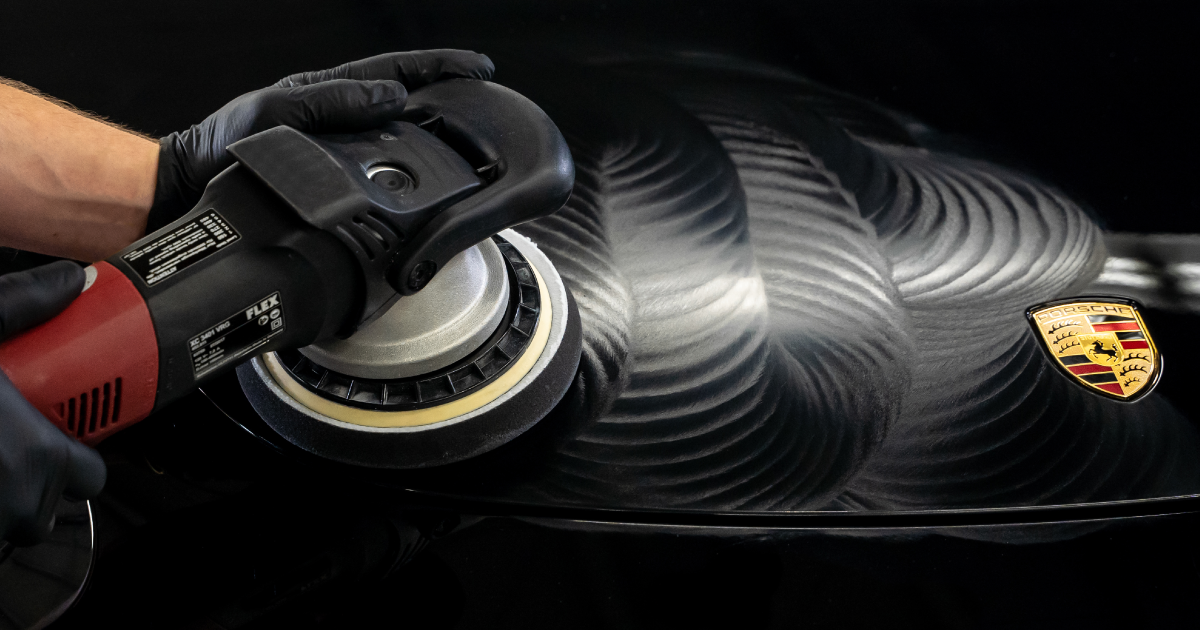
Credit: malcoautomotive.com
Frequently Asked Questions
How Do I Prepare A Black Car For Waxing?
Start by washing and drying your car thoroughly. Remove dirt and debris to avoid scratches. Use clay bars if needed to smooth the surface before waxing.
What Type Of Wax Is Best For Black Cars?
Use a high-quality carnauba or synthetic wax. These waxes enhance shine and provide strong protection against UV rays and contaminants on black paint.
Can I Use Any Buffer To Wax My Car?
Use a dual-action buffer for safety and effectiveness. It reduces the risk of paint damage and evenly applies wax on your black car.
How Long Should I Wait Before Buffing The Wax?
Wait until the wax haze appears, usually 5-10 minutes. This ensures the wax bonds properly and polishes off easily for a smooth finish.
Conclusion
Waxing a black car with a buffer brings out a deep shine. It protects the paint and hides small scratches. Use steady, even strokes to avoid marks. Take your time and work in small sections. The results will last longer with regular care.
A clean, waxed car always looks fresh and new. Keep your buffer clean and choose the right wax. Enjoy the smooth, glossy finish that makes your car stand out. Simple steps lead to great results. Give your black car the shine it deserves.
