

If you’ve noticed squeaky brakes or a shaky steering wheel, it might be time to change your rotors and brakes. But before you head to the shop, you’re probably wondering: how much will it cost?
Knowing the price upfront can save you stress and help you make smart decisions about your car. You’ll discover the real costs behind changing rotors and brakes, what affects those costs, and tips to get the best value. Keep reading to protect your car and your wallet!
Brake System Basics
The brake system is a vital part of any vehicle. It helps you stop safely and avoid accidents. Understanding the basics of brakes and rotors can save you money and keep your car running smoothly.
Brakes and rotors work together to slow down or stop the car. Knowing their roles and types can help you choose the right parts when repairs are needed.
Role Of Rotors And Brakes
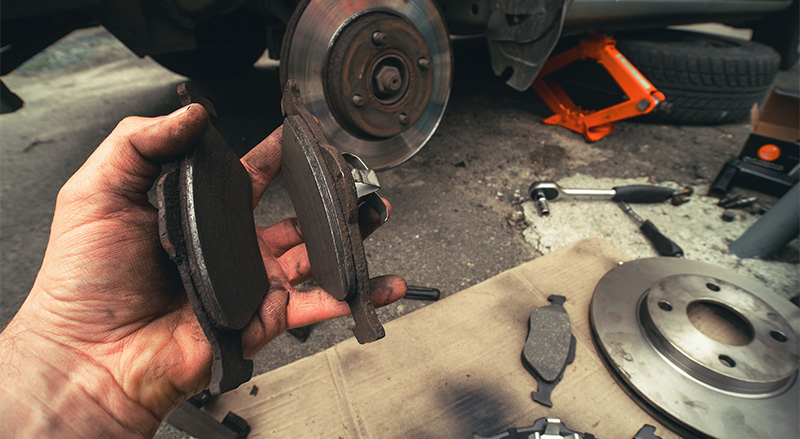
Rotors are round metal discs attached to the wheels. When you press the brake pedal, brake pads press against the rotors. This action creates friction, which slows the wheels down. The brake pads wear out over time, while rotors can get thin or warped.
Types Of Brake Rotors
There are several types of brake rotors. Solid rotors are a simple flat design. They work well for everyday driving. Vented rotors have air channels inside. These help cool the brakes faster. Drilled rotors have holes to reduce heat and water build-up. Slotted rotors feature grooves to remove dust and improve grip.
Common Brake Pads Varieties
Brake pads come in different materials. Organic pads are soft and quiet but wear faster. Semi-metallic pads have metal particles for better performance. Ceramic pads last longer and create less dust. Choosing the right pad depends on your driving style and budget.
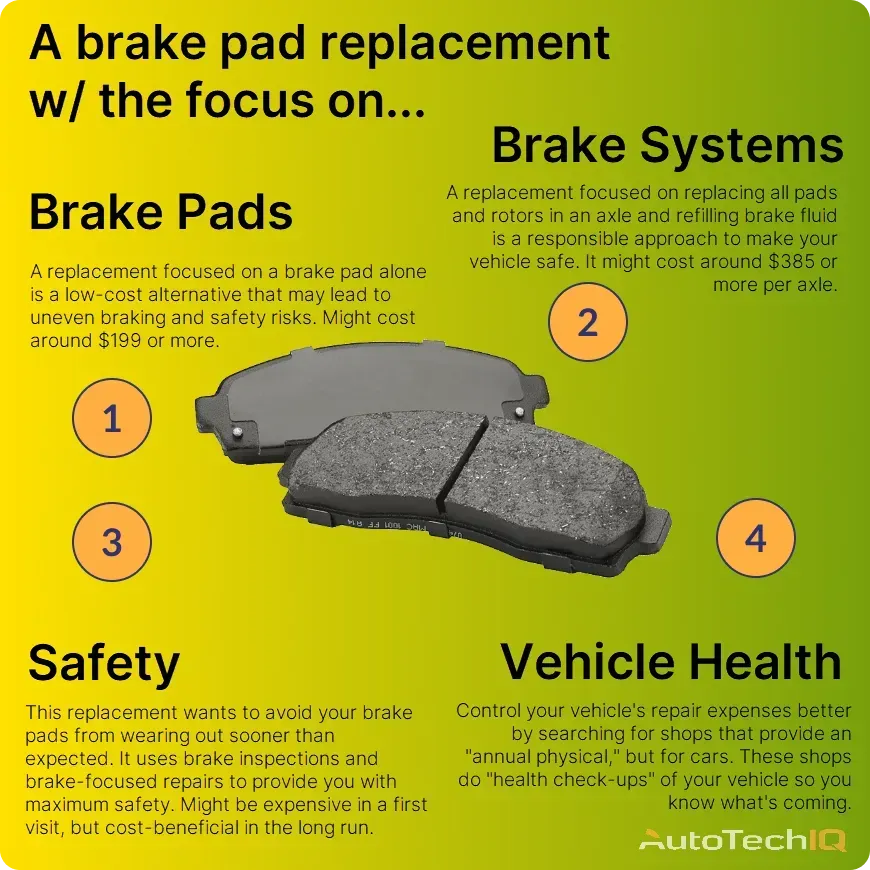
Credit: www.autotechiq.com
Factors Affecting Replacement Cost
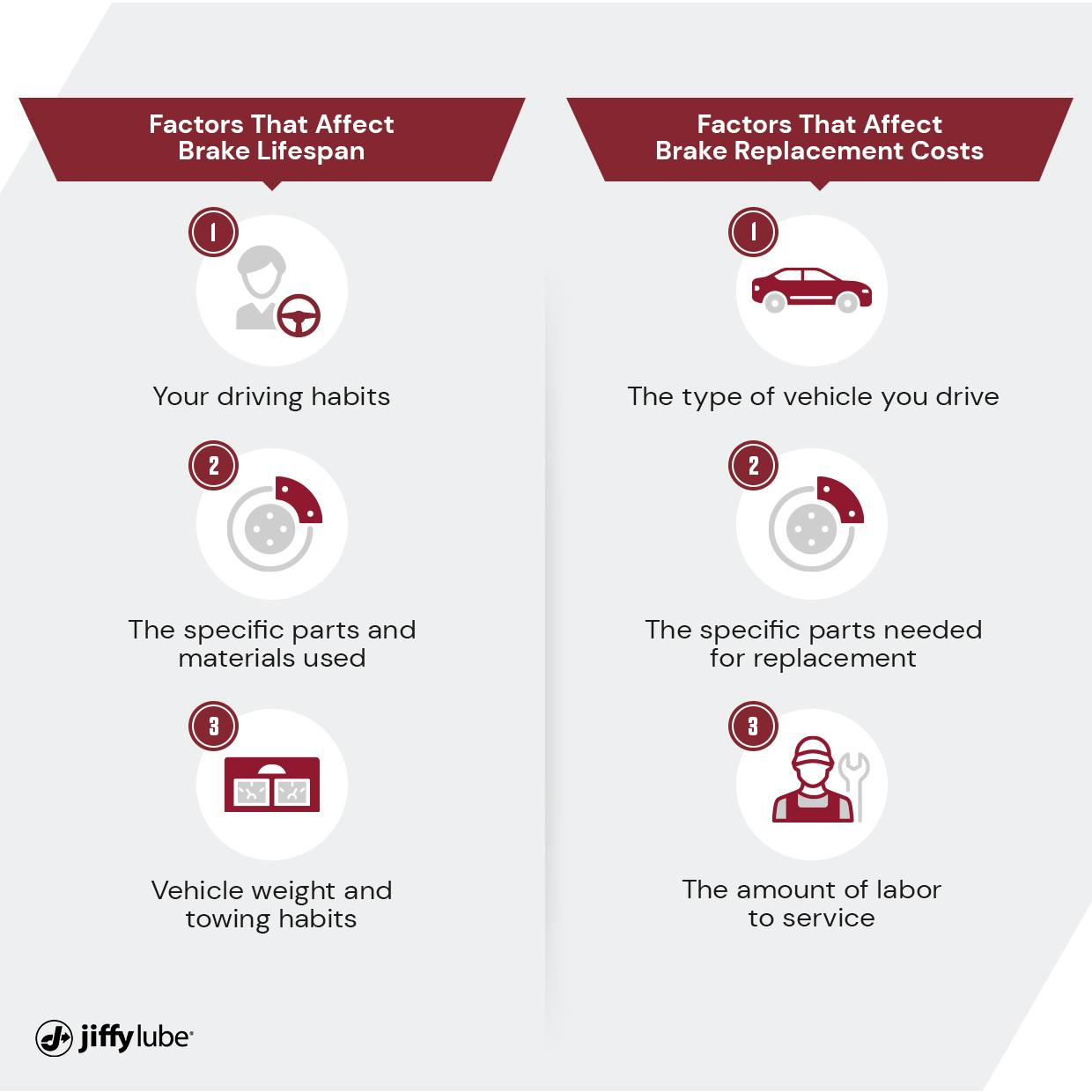
Several factors affect the cost to change rotors and brakes. Knowing these can help you plan your budget. Prices vary depending on your vehicle and other details. Understanding these elements gives you better control over repair expenses.
Vehicle Make And Model
Different cars need different brake parts. Luxury or sports cars often have expensive rotors and pads. Common models use standard parts that cost less. Some vehicles require special tools and more time. This can increase the total replacement cost.
Quality Of Parts
Brake parts come in various quality levels. OEM parts match the original equipment but cost more. Aftermarket parts are cheaper but vary in quality. High-quality parts last longer and perform better. Low-quality parts may wear out quickly and need early replacement.
Labor Charges
Labor costs depend on the mechanic’s skill and time spent. Complex brake systems take longer to fix. Some shops charge by the hour, others a flat fee. Experienced mechanics might charge more but work faster. Labor rates differ widely across service centers.
Location And Service Center
Prices vary by region and type of service center. Dealerships usually charge more than independent shops. Urban areas often have higher labor rates than rural ones. Local competition can influence prices too. Choosing the right place affects your final bill.
Typical Cost Breakdown
Understanding the typical costs of changing rotors and brakes helps you plan your car maintenance budget. Prices vary depending on car type, parts quality, and labor fees. This section breaks down the common expenses for each part and combined services.
Rotor Replacement Prices
Rotors usually cost between $30 and $75 each. High-performance or specialty rotors can cost more. Labor for rotor replacement ranges from $80 to $150 per axle. Most cars need two rotors replaced at a time. Total rotor replacement can cost $140 to $300 per axle.
Brake Pad Replacement Costs
Brake pads typically cost $25 to $50 per set. Labor charges for brake pad replacement range from $70 to $120. Some cars require front and rear pads replaced separately. The total cost for brake pads usually falls between $95 and $170 per axle.
Combined Brake And Rotor Replacement
Changing both rotors and brake pads together saves time and labor costs. This combined service generally costs between $250 and $400 per axle. Prices depend on parts used and local labor rates. Many mechanics recommend replacing both for best brake performance.
Credit: www.jiffylube.com
Diy Vs Professional Replacement
Deciding between doing brake and rotor replacement yourself or hiring a professional is important. Both choices affect your wallet, safety, and time. Understanding these differences helps you pick the best option for your needs.
Cost Savings Of Diy
Doing the job yourself cuts labor costs. You pay only for parts and tools. Brake pads and rotors vary in price but are affordable. Buying tools once saves money on future repairs. No shop fees or extra charges add up. DIY can be budget-friendly if you have basic skills.
Risks And Challenges
Replacing brakes needs care and accuracy. Mistakes can cause brake failure or uneven wear. Proper tools and knowledge are essential. Some cars have complex brake systems. Without experience, you might miss crucial steps. Safety risks increase if the job is done wrong. Time spent fixing errors can outweigh savings.
When To Choose A Mechanic
Choose a mechanic if unsure about your skills. Professionals have experience and special tools. They can spot hidden problems during the job. Warranties often cover parts and labor. If your brakes feel unusual after repair, a pro can fix issues fast. Complex vehicles or heavy wear need expert care. Peace of mind is worth the extra cost.
Signs You Need Rotor And Brake Replacement
Knowing the signs of rotor and brake problems can save you from costly repairs. Your car shows clear warnings when these parts need replacement. Acting quickly keeps you safe on the road.
Squeaking And Grinding Noises
Squeaking sounds come from worn brake pads rubbing against the rotors. Grinding noises mean the pads are gone, and metal is scraping. These sounds indicate urgent brake issues.
Vibration While Braking
Feeling a vibration or shaking in the brake pedal shows warped rotors. This happens when rotors get too thin or damaged. It makes stopping less smooth and less safe.
Reduced Brake Performance
Longer stopping distances or soft brake pedals show brake problems. Reduced performance means your brakes do not work as well as before. This can lead to dangerous driving situations.
Tips To Extend Brake And Rotor Life
Brake rotors and pads wear out over time. Replacing them costs money and time. Extending their life helps save both. Small changes in daily habits make a big difference.
Keeping brakes in good shape improves safety and vehicle performance. Learn simple tips to make your brake parts last longer.
Driving Habits
Avoid hard stops and sudden braking. Slow down early and brake gently. Coast to a stop when possible. This reduces heat and wear on rotors and pads. Keep a safe distance from other cars to prevent quick stops.
Regular Maintenance
Check brake fluid levels regularly. Change brake fluid as recommended by your car manual. Inspect brake pads and rotors for wear every few months. Clean brake parts to remove dust and dirt. Timely maintenance prevents damage and costly repairs.
Quality Parts Selection
Choose brake pads and rotors made from durable materials. Avoid cheap parts that wear out quickly. Use parts that match your vehicle’s specifications. Quality parts last longer and work better. They protect your car and save money in the long run.
Warranty And Insurance Considerations
Understanding warranty and insurance can save money on brake and rotor repairs. These factors affect total cost and repair quality. Always check what is covered before starting work.
Parts Warranty
Parts come with warranties from manufacturers. This warranty covers defects and early wear. It usually lasts from one to three years. Keep your receipts to claim warranty service. Warranty terms vary by brand and part type.
Labor Warranty
Many shops offer a labor warranty for repairs. This warranty covers the work done on your brakes. It typically lasts 30 to 90 days. It protects you if problems appear soon after service. Confirm warranty length before paying for labor.
Insurance Coverage Options
Some auto insurance plans cover brake repairs. This depends on your policy and coverage type. Collision coverage might pay for damage from accidents. Mechanical breakdown insurance can cover brake failures. Check your policy details or call your insurer for help.
Credit: blog.napacanada.com
Frequently Asked Questions
How Much Does It Cost To Replace Brake Rotors?
Replacing brake rotors usually costs between $200 and $400 per axle. Prices vary based on vehicle type and rotor quality. Labor charges also affect total costs. High-performance rotors may increase the price.
What Factors Affect Brake And Rotor Replacement Costs?
Brake pad material, rotor quality, and labor rates impact costs. Vehicle make and model also influence prices. Additional repairs may raise the total expense. Always get a detailed quote before service.
How Often Should Rotors And Brakes Be Replaced?
Brake pads typically last 30,000 to 70,000 miles. Rotors may need replacement every 50,000 to 70,000 miles. Driving habits and road conditions affect lifespan. Regular inspections help prevent premature wear.
Can I Replace Rotors And Brakes Myself?
Yes, if you have mechanical skills and proper tools. However, improper installation can be dangerous. Professional service ensures safety and correct function. DIY saves labor costs but risks mistakes.
Conclusion
Changing rotors and brakes costs vary based on car type and parts quality. Expect to pay more for high-end vehicles or premium parts. Labor charges also affect the total bill. Regular brake checks help avoid sudden, costly repairs. Choose trusted mechanics to ensure safety and quality work.
Keep your brakes in good shape for a smooth, safe drive. Understanding costs helps you plan and avoid surprises. Stay informed, stay safe on the road.


