

You’ve just given your car a fresh, flawless coat of paint. It looks amazing, and you’re probably eager to give it that perfect shine with a coat of wax.
But wait—how long should you really wait before waxing your car after painting it? If you wax too soon, you risk damaging the new paint. Wait too long, and you might miss out on protecting that shine. You’ll discover the best timing to wax your freshly painted car, ensuring your hard work stays beautiful and lasts longer.
Keep reading to find out exactly when and how to wax your car for the ultimate finish.
Credit: www.detailedimage.com
Drying Time After Painting
After painting a car, the drying time is crucial before applying wax. Proper drying ensures the paint hardens well. Waxing too soon can damage the fresh paint or cause uneven shine. Understanding drying time helps keep the paint job smooth and long-lasting.
Factors Affecting Paint Cure
Temperature plays a big role in drying. Warm weather speeds up the process. Cold or humid conditions slow it down.
The type of paint matters too. Some paints dry faster than others. Acrylic and enamel paints usually cure quickly.
Paint thickness affects drying time. Thick layers take longer to harden fully. Thin layers dry faster but may need extra coats.
Ventilation also impacts drying. Good airflow helps evaporate solvents in the paint. Poor ventilation traps moisture and slows curing.
Recommended Wait Periods
Wait at least 24 hours before waxing a newly painted car. This allows the paint to dry on the surface.
For deeper curing, wait 30 days if possible. This time lets the paint fully harden beneath the surface.
Check the paint’s feel. It should be hard and smooth, not sticky.
Follow the paint manufacturer’s guidelines for best results. They provide specific drying and curing times.

Credit: www.turtlewax.com
Types Of Paint And Wax
Different types of car paint need different care before waxing. Understanding these paints helps protect your car’s finish. The wax type must also match the paint for best results. This section explains paint types and wax choices.
Base Coat And Clear Coat Differences
Most cars use a two-step paint system. First, the base coat gives color to the car. It looks dull and needs protection. Then, the clear coat covers the base. It adds shine and guards against damage.
The clear coat is the top layer. It must dry fully before waxing. Waxing too soon can ruin this layer. The base coat is sensitive and needs the clear coat to be strong.
Choosing The Right Wax For Fresh Paint
Fresh paint needs gentle wax. Avoid harsh waxes that can harm the new clear coat. Use waxes made for new paint or synthetic formulas. They protect without damaging the surface.
Carnauba wax gives a warm shine but may not last long. Synthetic waxes last longer and offer better protection. Wait at least 30 days after painting before waxing. This lets the paint cure properly.
Risks Of Waxing Too Soon
Waxing a car too soon after painting brings several risks. The paint needs time to cure fully. Rushing to wax can harm the finish and reduce its lifespan. Understanding these risks helps protect your car’s new look.
Potential Damage To Paint
Fresh paint is soft and delicate. Waxing too early can cause scratches or smudges. The wax may trap moisture, leading to bubbles or discoloration. Buffing the wax can remove paint layers. This weakens the surface and ruins the shine.
Impact On Paint Longevity
Paint that is not fully cured loses durability. Waxing too soon stops the paint from hardening properly. This shortens the life of the paint job. It may peel, fade, or crack faster than normal. Waiting ensures the paint stays strong and lasts longer.
Ideal Waxing Techniques
Applying wax to a freshly painted car enhances shine and protects the surface. Using the right techniques ensures the wax bonds well with the paint. Proper waxing keeps the car looking new for longer.
Surface Preparation Before Waxing
Clean the car thoroughly before waxing. Remove all dirt, dust, and grease with soap and water. Dry the surface completely to avoid water spots. Check for any paint imperfections and fix them first. Use a clay bar to remove stubborn contaminants. Smooth surfaces help wax stick better and last longer.
Application Tips For Best Results
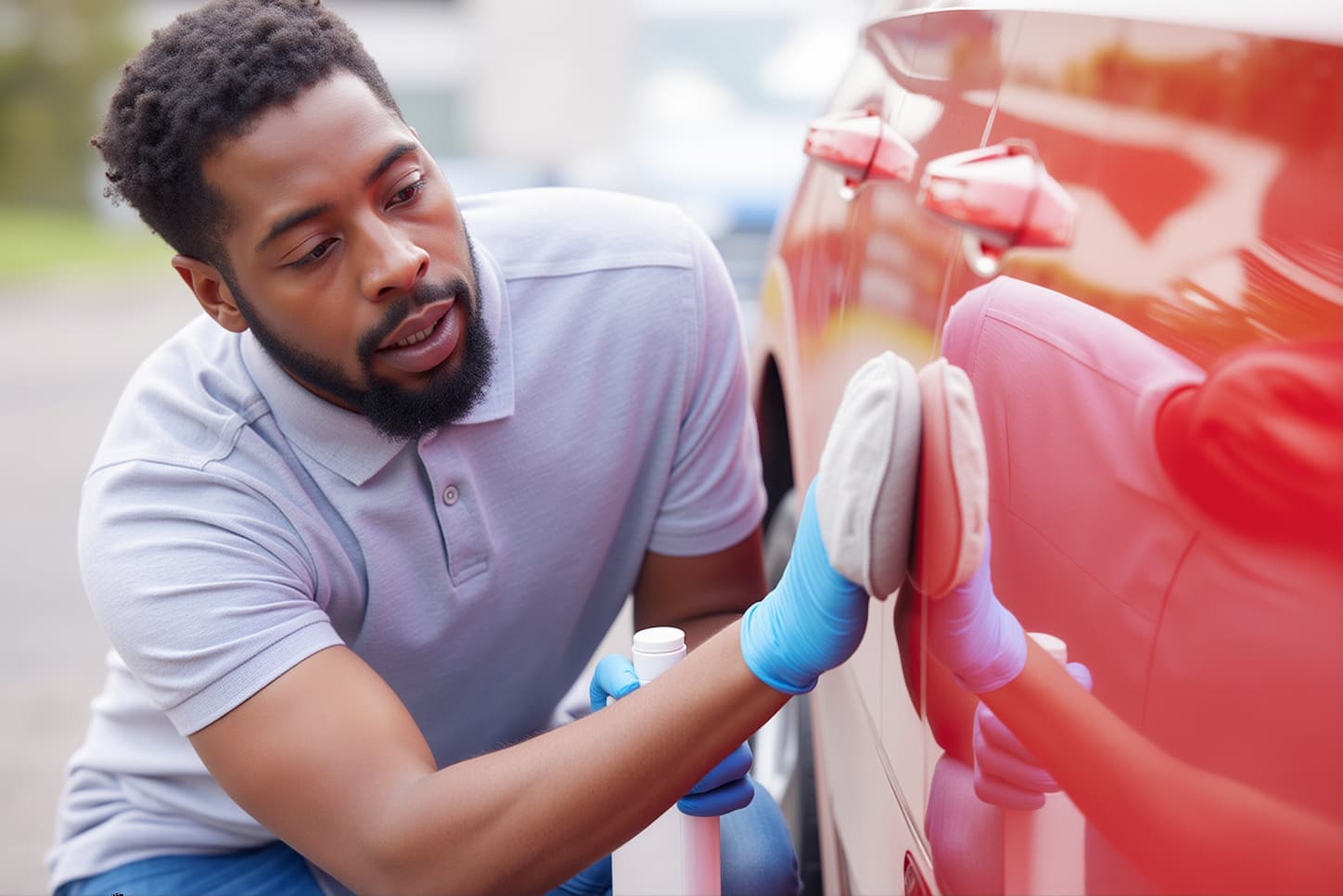
Apply wax in small sections using a soft cloth or foam applicator. Use circular motions to spread the wax evenly. Avoid applying too much wax at once; thin layers work best. Let the wax dry until it becomes hazy or dull. Buff gently with a clean microfiber cloth to reveal a shiny finish. Repeat the process every few months for ongoing protection.
Alternative Protective Options
Protecting a freshly painted car is important to keep the shine and avoid damage. Wax is a popular choice, but there are other protective options. These can help guard the paint while it cures fully. Understanding these options helps you decide what fits your needs best.
Sealants Vs. Wax
Sealants are synthetic products made to last longer than wax. They form a tough layer that protects against dirt and water. Sealants often stay effective for months, unlike wax, which may last only weeks. Wax gives a warm, deep shine but wears off faster. Sealants provide stronger protection but sometimes lack the rich look wax offers. Some car owners use both: sealant first, then a thin layer of wax on top.
Temporary Protective Films
Temporary protective films are clear layers that stick on the car’s surface. They shield the paint from scratches, dust, and minor chips. These films are useful right after painting because they do not interfere with curing. They can be removed without damaging the paint underneath. Films are a good choice for drivers who want extra protection during the first weeks after paint. They are easy to apply and remove, saving time and effort.
Credit: www.carstar.com
Maintenance After Waxing
Maintaining your car after waxing is key to keeping its shine and protection. Wax forms a shield against dirt, water, and harmful elements. Caring for this layer helps your car look fresh longer and saves you money on repairs. Simple steps can extend the life of the wax and keep the paint safe.
Washing Tips
Use soft cloths or sponges to wash your car. Avoid harsh brushes that can scratch the wax surface. Choose mild car shampoo instead of household detergents. Rinse the car well to remove all soap residues. Dry the car with a clean microfiber towel. This prevents water spots that damage wax.
Frequency Of Waxing
Wax your car every three to four months. This schedule protects paint and keeps the shine bright. Check the car’s surface for dullness or water spots. These signs mean it’s time to wax again. Regular waxing helps avoid paint fading and cracking.
Frequently Asked Questions
How Soon Can I Wax My Car After Painting?
You should wait at least 30 days after painting before waxing. This allows the paint to cure fully. Waxing too early can damage the new paint and affect its finish and durability.
Why Wait Before Waxing A Freshly Painted Car?
Waiting lets the paint harden and cure properly. Waxing too soon can trap solvents and cause discoloration or dullness. Proper curing ensures better wax adhesion and long-lasting protection for your paint.
What Happens If I Wax My Car Too Early?
Waxing too early can cause smudging, streaks, or uneven shine. It may also trap moisture or solvents under the wax layer. This can damage the paint and reduce its lifespan.
Can I Speed Up Curing To Wax Sooner?
Using heat lamps or warm, dry environments can slightly speed curing. But it’s best to follow the recommended 30-day wait. Rushing the process risks paint damage and poor wax results.
Conclusion
Waiting at least 30 days after painting keeps your car safe. Waxing too soon can damage the fresh paint. Patience helps the paint cure and harden well. After a month, waxing adds shine and protects better. Always follow paint instructions for the best results.
Taking care now saves money and time later. A well-waxed car looks great and lasts longer. Simple steps make a big difference in car care. Your car will thank you with a bright finish.

